Baby Coyote: Pups, Dens, and What to Do If You Find One
Coyote pups look like puppies and are taken home every spring, which is illegal and harmful. Here is how to identify them and why to leave them alone.
Beyond the feeder. Guides to the mammals, reptiles, and other wildlife that share your backyard, from squirrels and raccoons to deer and foxes.
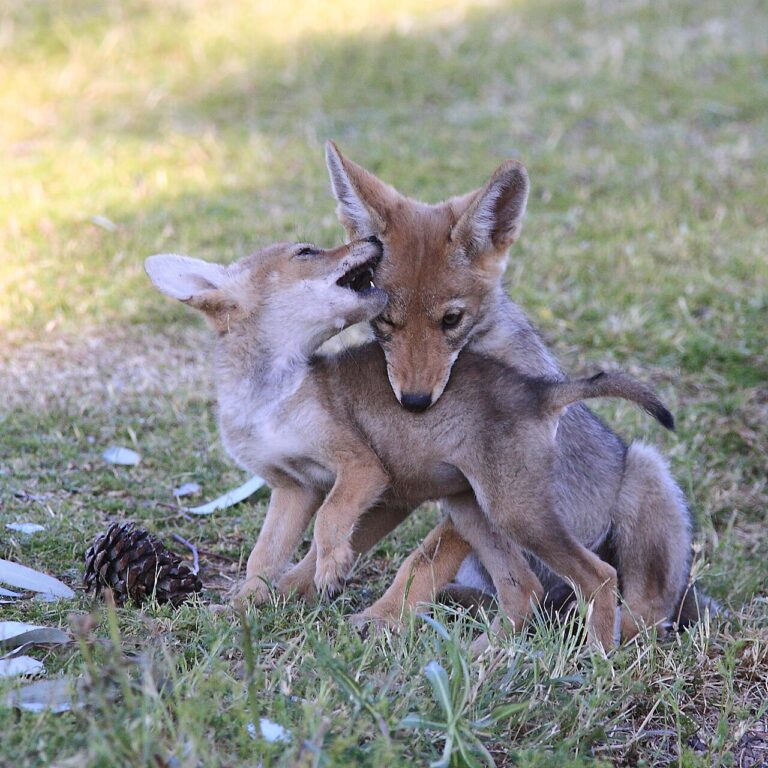
Coyote pups look like puppies and are taken home every spring, which is illegal and harmful. Here is how to identify them and why to leave them alone.
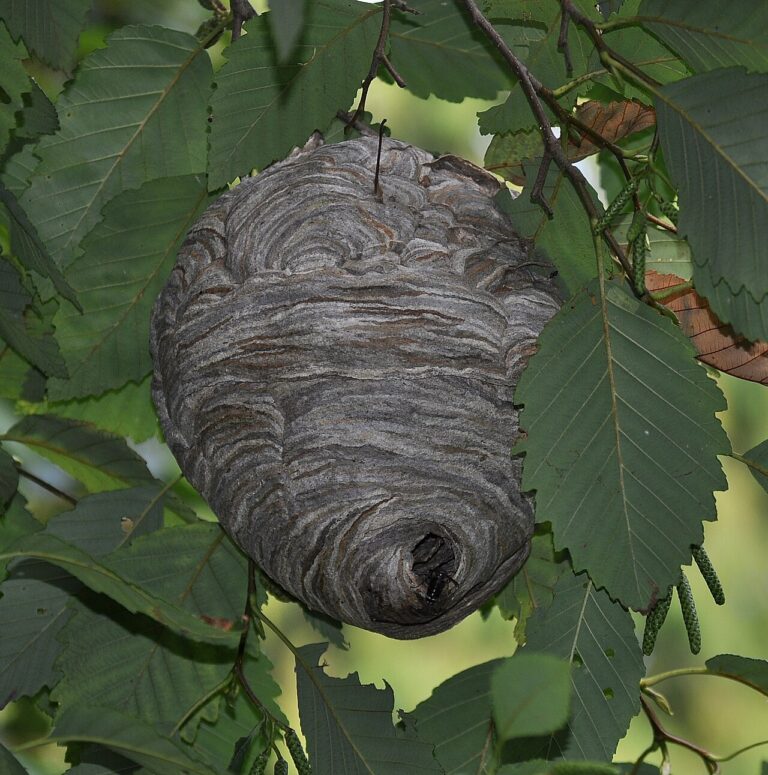
Enclosed grey ball means hornet, open umbrella of cells means paper wasp, mud tubes mean a harmless solitary wasp. Here is how to read every nest type.
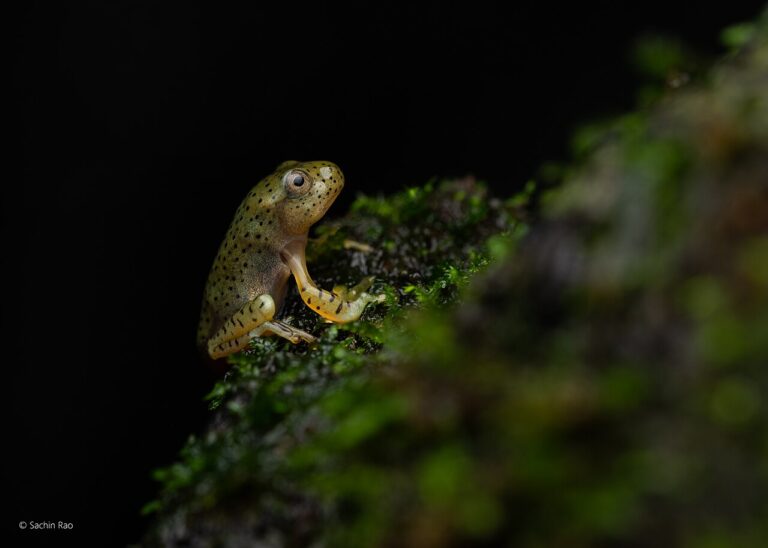
A baby frog is a froglet, and it cannot eat while absorbing its tail. Here is what happens during metamorphosis and how to raise tadpoles through it.
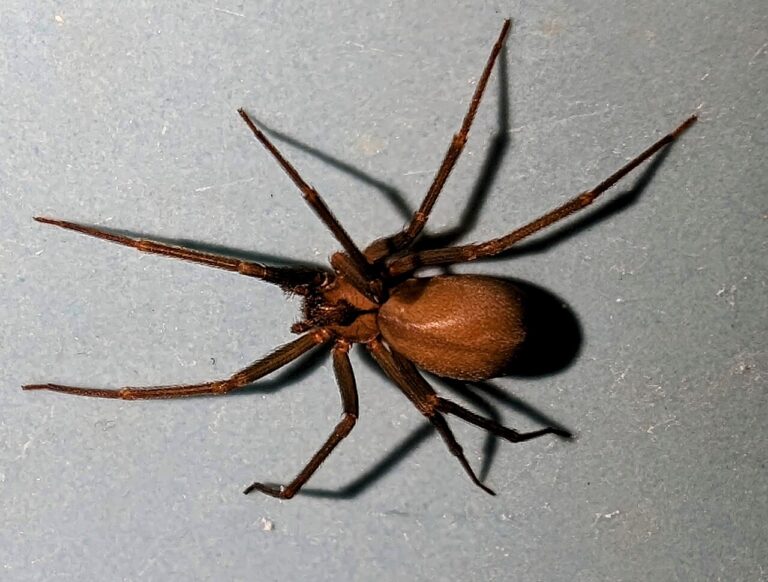
Recluses have six eyes, wolf spiders eight. Here is every reliable difference, why the violin marking is overtrusted, and where recluses actually live.
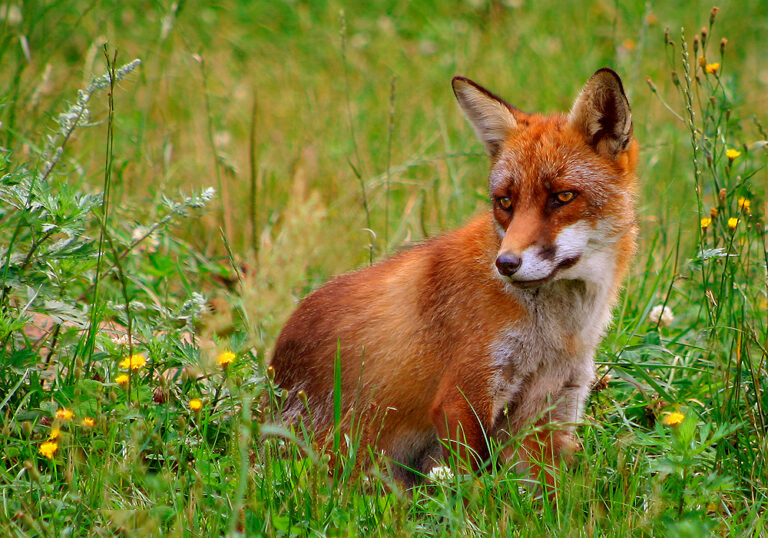
Foxes are mainly crepuscular, and a fox seen in daylight is not sick. Here is the real activity pattern and how to spot a genuinely ill animal.
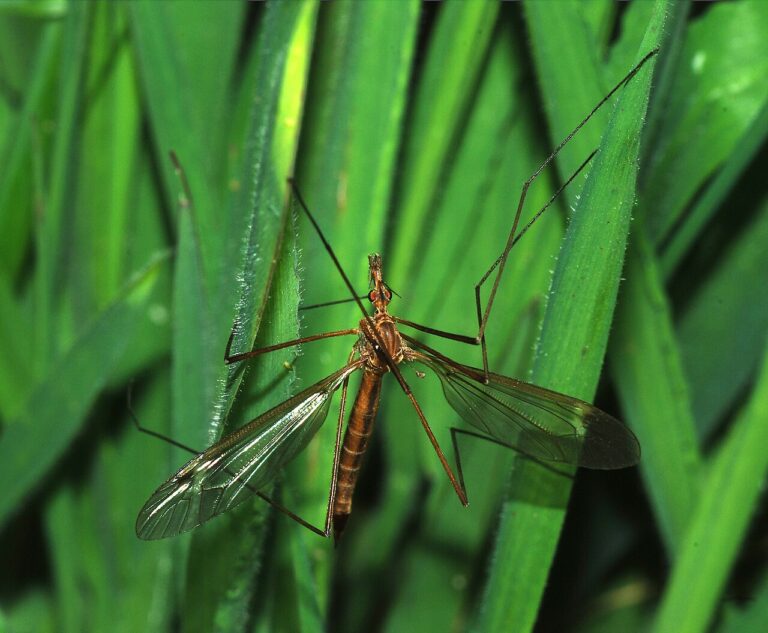
Crane flies are called mosquito hawks and eat no mosquitoes at all. Here is what they actually are, plus the larvae that do damage lawns.
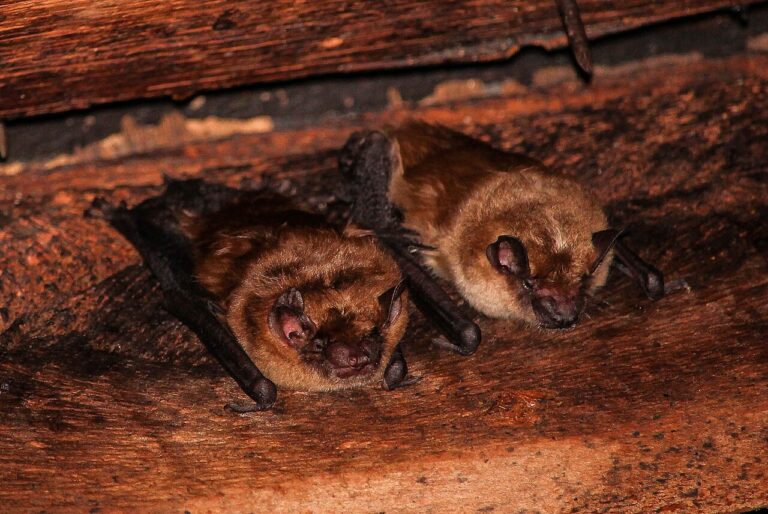
Exclusion is the only legal way to remove bats, and doing it in summer traps flightless pups inside. Here is the method and the timing that matters.
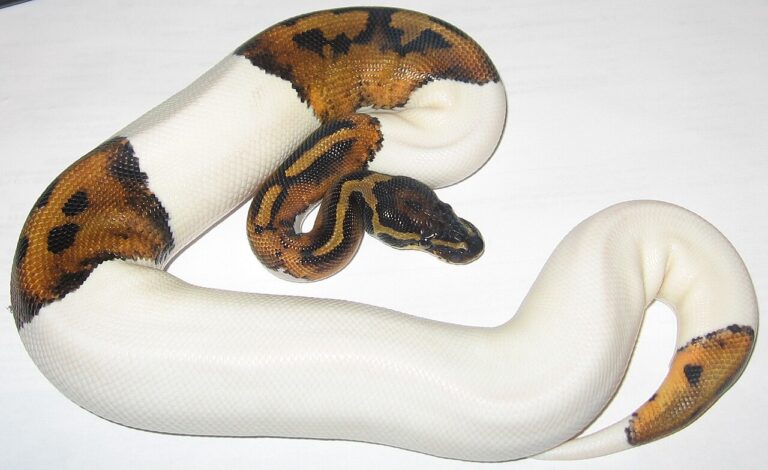
Pied ball pythons carry a recessive gene producing sharp white patches. Here is how the genetics work, what drives price, and full care requirements.
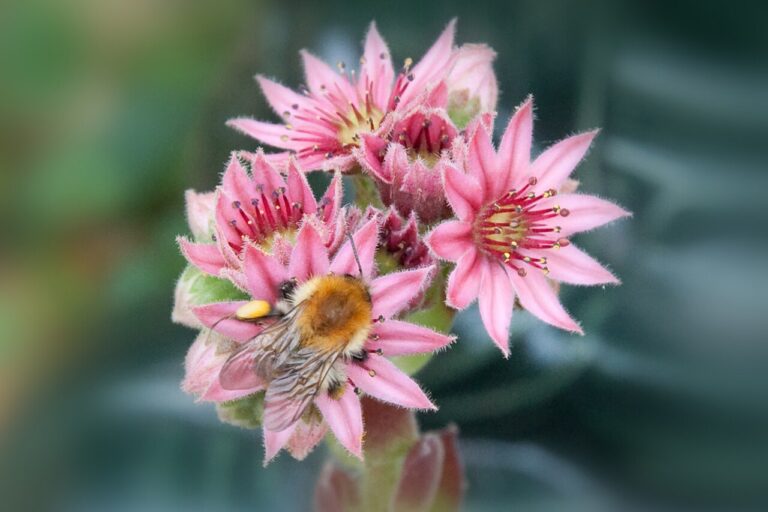
Most ground bees are harmless solitary pollinators that leave within weeks. Here is how to tell them from yellowjackets and what actually works.
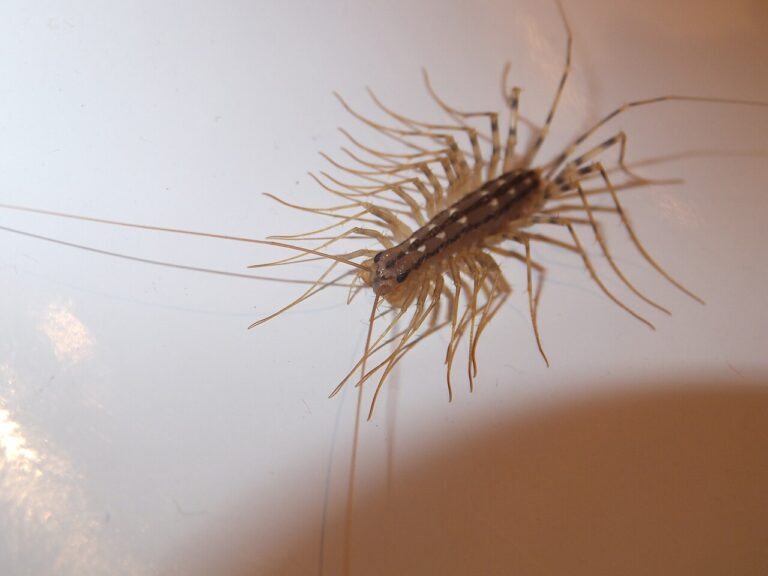
Baby centipedes hatch with four pairs of legs and add more with each molt. Here is what they look like, what they eat, and what finding them means.