Baby Chipmunk: Growth Stages, Nests and What to Do
Baby chipmunks are called pups, born blind and bumblebee-sized. Here is the full timeline from birth to independence and what to do if you find one.
Beyond the feeder. Guides to the mammals, reptiles, and other wildlife that share your backyard, from squirrels and raccoons to deer and foxes.
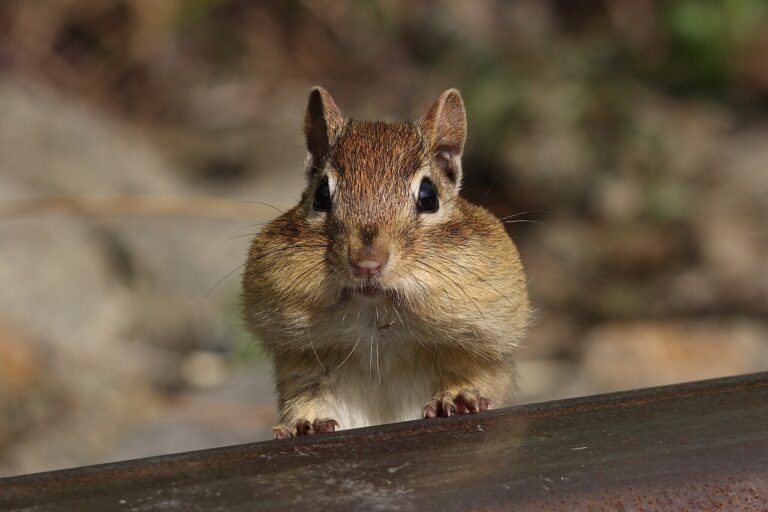
Baby chipmunks are called pups, born blind and bumblebee-sized. Here is the full timeline from birth to independence and what to do if you find one.
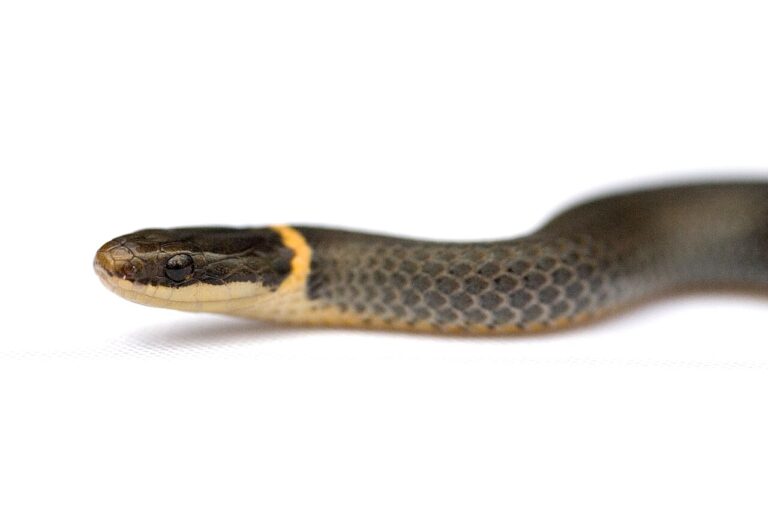
The ring neck snake is a tiny, harmless garden snake with a bright collar and a famous belly-roll bluff. Here is how to identify it and what it eats.
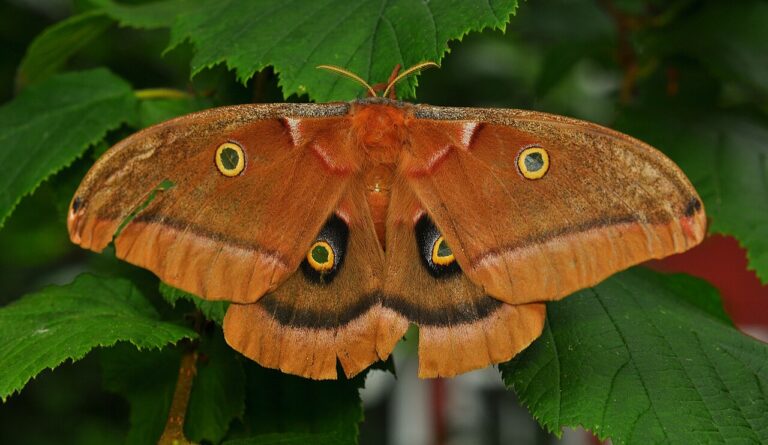
A giant silk moth with clear eyespots and a six inch wingspan. How to identify the adult and caterpillar, what the cocoon looks like, and why adults never eat.
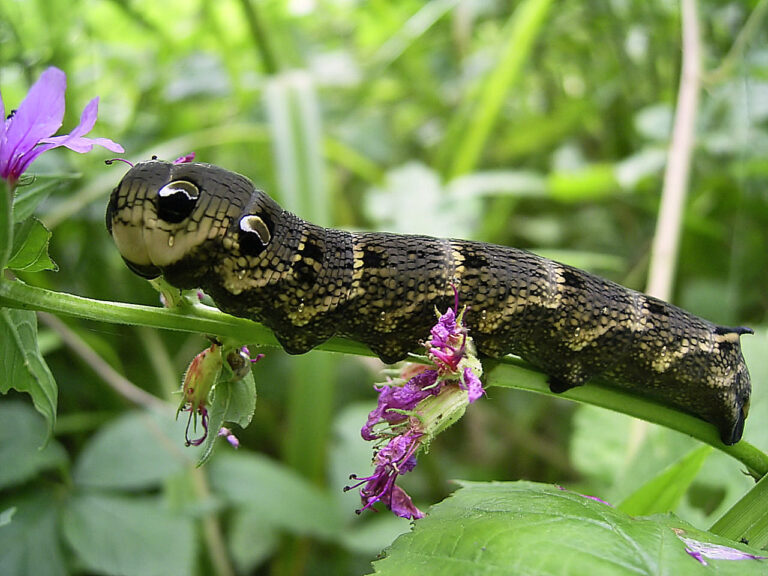
Hawk moths hover at flowers like hummingbirds and begin life as hornworms. Here is how to identify them, what they pollinate, and how to bring them to your yard.
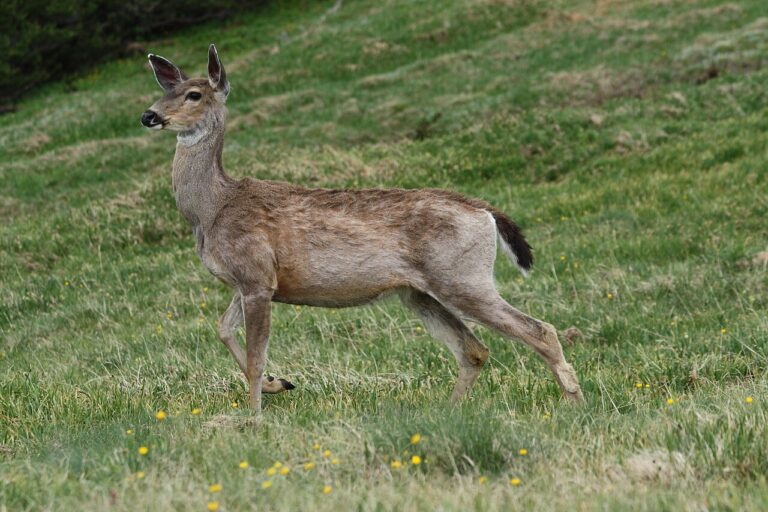
Tail, ears, antlers and escape gait separate mule deer from whitetails in seconds. A full field comparison including range overlap and hybrids.
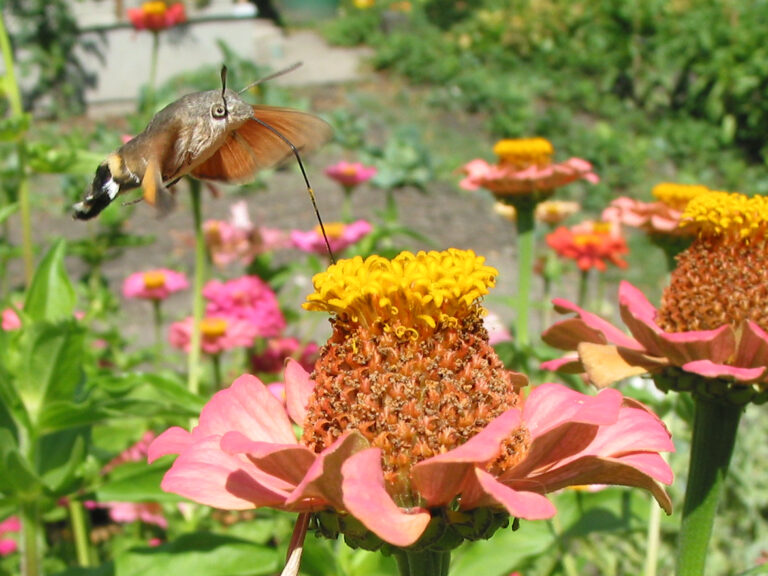
Adult moths drink nectar and sap, and some never eat at all. Here is what moths eat at every stage, which fabrics larvae damage, and what pantry moths target.
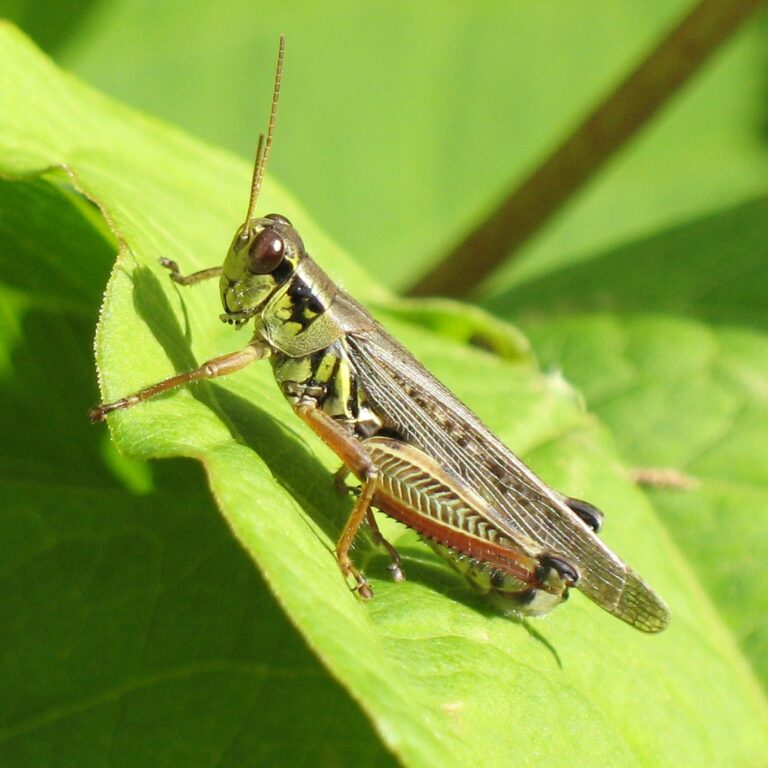
Grasshoppers eat grasses, garden crops and tender leaves, plus the occasional dead insect. Here is what grasshoppers eat, what they drink, and what eats them.
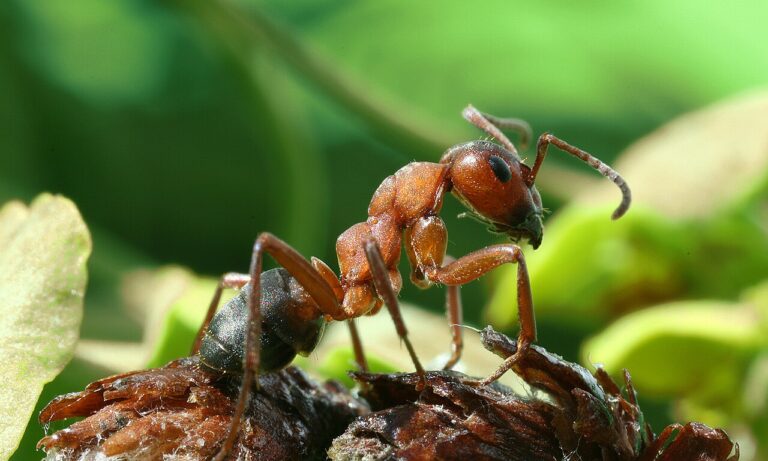
Ants eat sugars, insects, seeds and honeydew, but the mix shifts by species and season. Here is what ants eat, what queens and larvae eat, and why they raid kitchens.
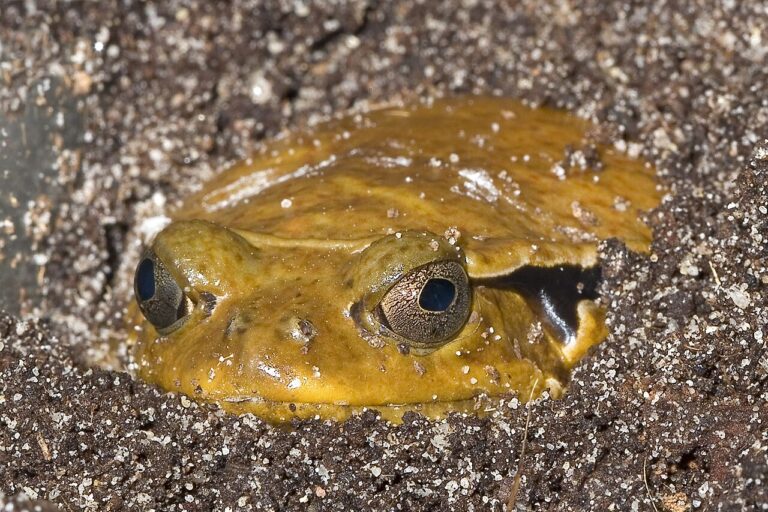
Tomato frogs secrete a white glue when threatened and spend most of their time buried. Here is the care guide and which species you actually have.
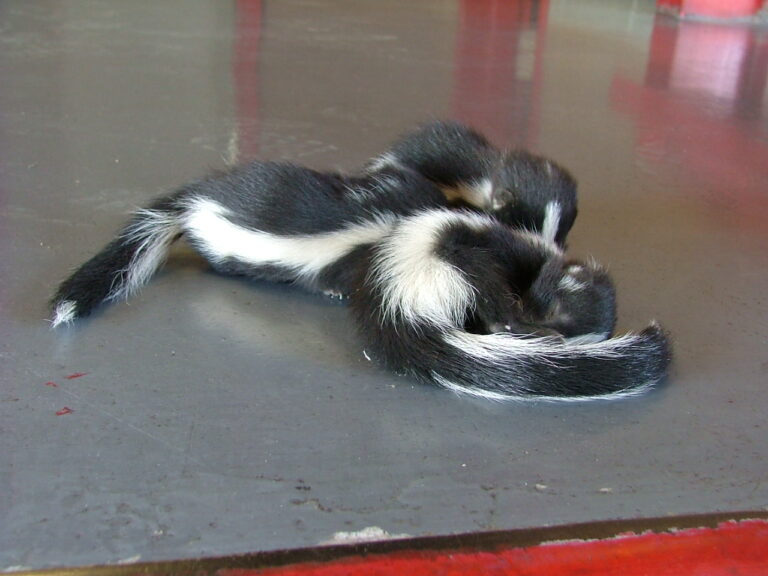
Skunk kits can spray from about eight days old, before their eyes open. Here is how they develop and why a lone kit is usually not abandoned.