Baby Corn Snake: Growth, Morphs, and Care Basics
Baby corn snakes hatch at 8 to 14 inches and are among the most popular beginner pet snakes. Growth, the world of color morphs, feeding, and housing basics.
Beyond the feeder. Guides to the mammals, reptiles, and other wildlife that share your backyard, from squirrels and raccoons to deer and foxes.
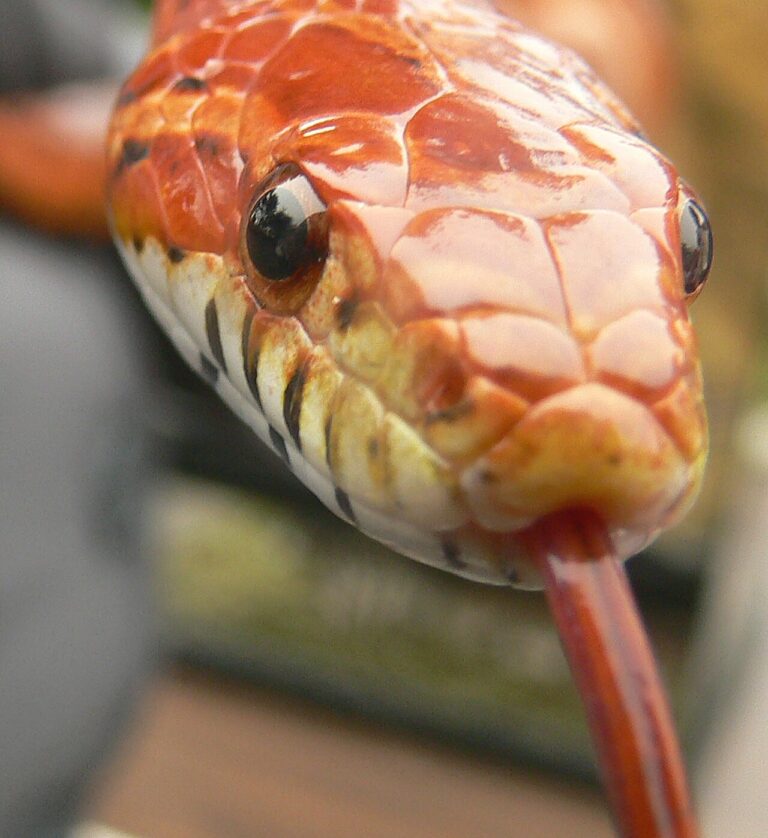
Baby corn snakes hatch at 8 to 14 inches and are among the most popular beginner pet snakes. Growth, the world of color morphs, feeding, and housing basics.
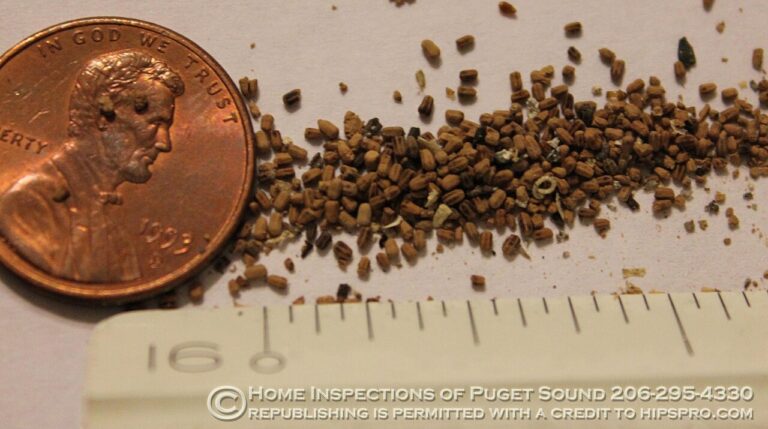
Termite droppings (frass) are tiny six-sided pellets found near kick-out holes, a sure sign of drywood termites. Identification, quantity clues, and next steps.
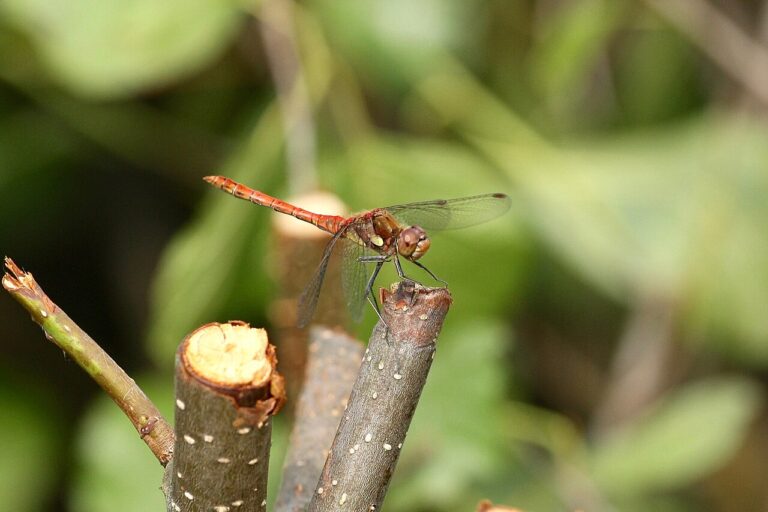
When a dragonfly lands on you, it’s read as transformation unfolding, a visit from a loved one, or a call to live fully now. Meaning by color and location.
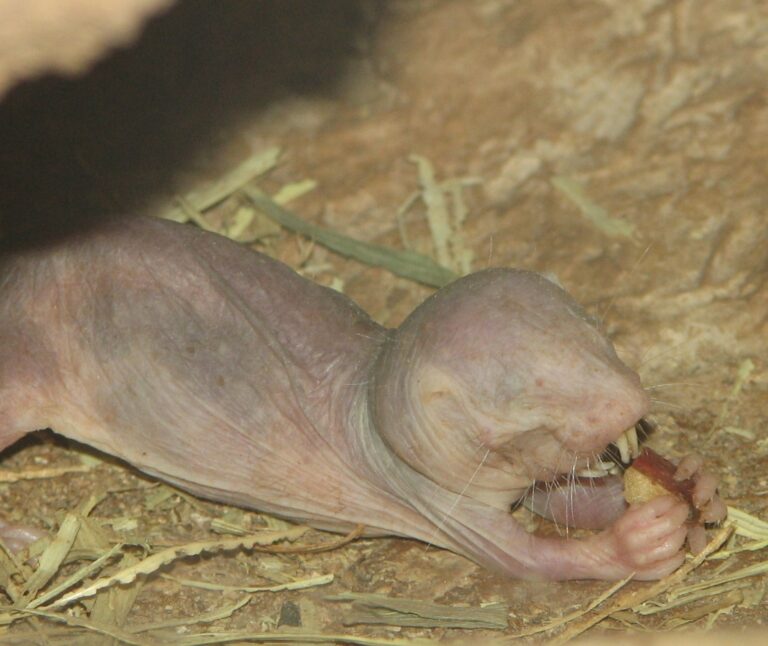
A baby naked mole rat is a pup born into a bee-like colony with a single queen. Its extreme cancer resistance, pain insensitivity, and 30-year lifespan explained.
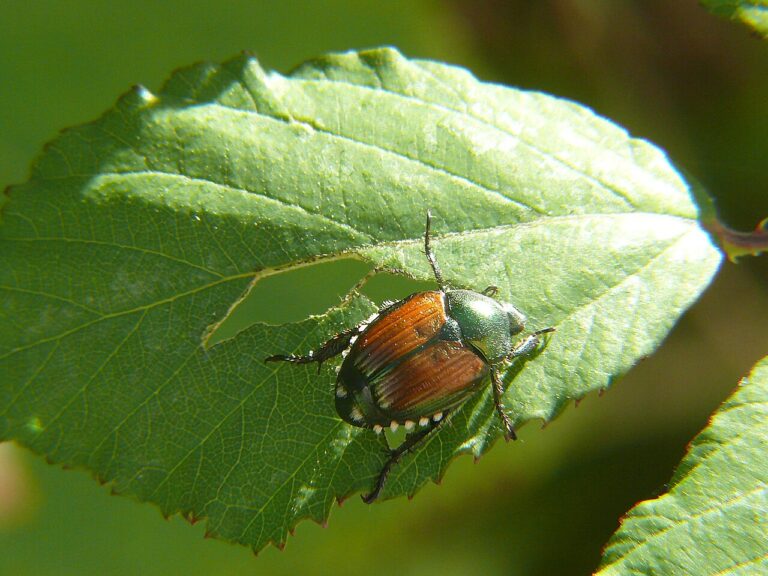
Japanese beetles have metallic copper-green coloring and white hair tufts; ladybugs have solid colors with black spots. Identify both and why it matters.
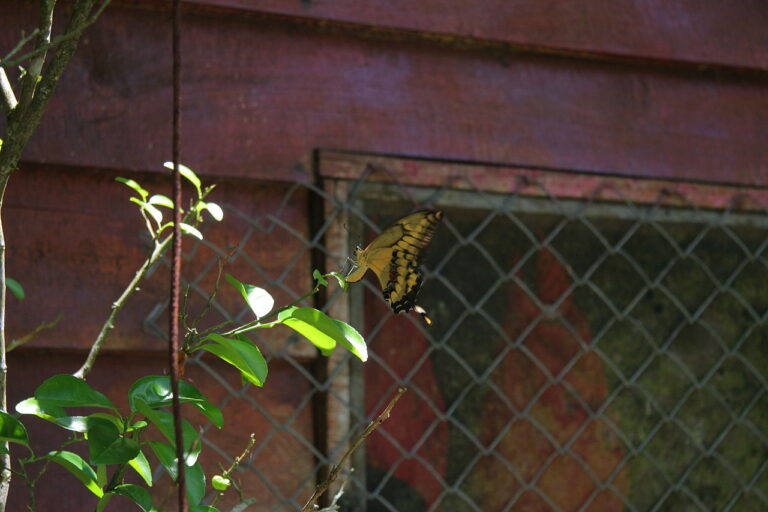
The giant swallowtail is North America’s largest butterfly, identified by its yellow X-mark hindwing pattern. Its orange dog caterpillar, host plants, and range.
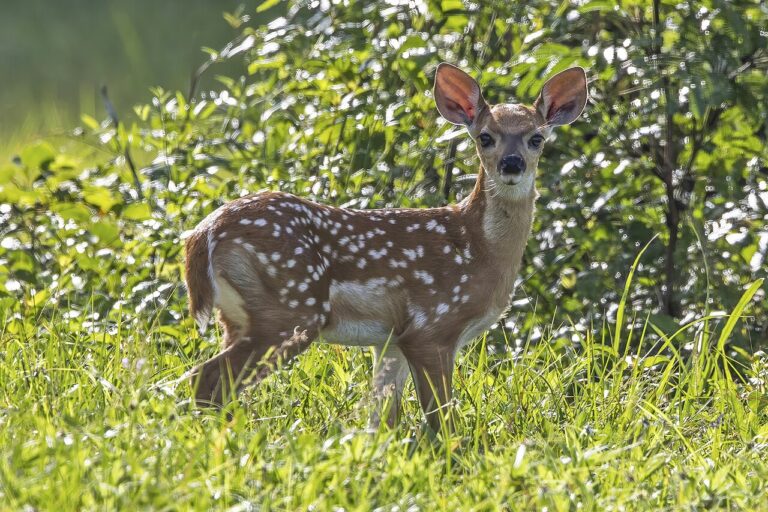
Deer poop vs rabbit poop: deer pellets run larger and oval, rabbit pellets are smaller true spheres. Identification and what each means for garden damage.
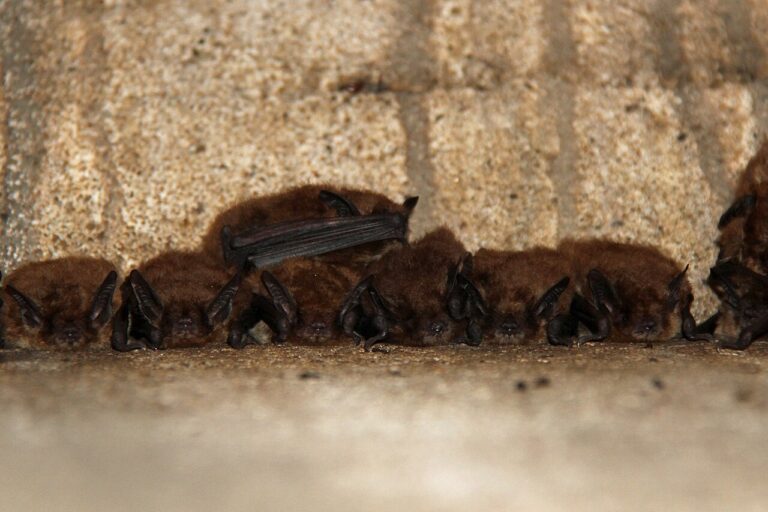
Bat poop vs mouse poop: crush a sample. Bat guano crumbles into shiny powder from insect fragments; mouse droppings stay firm. Location and health risks explained.
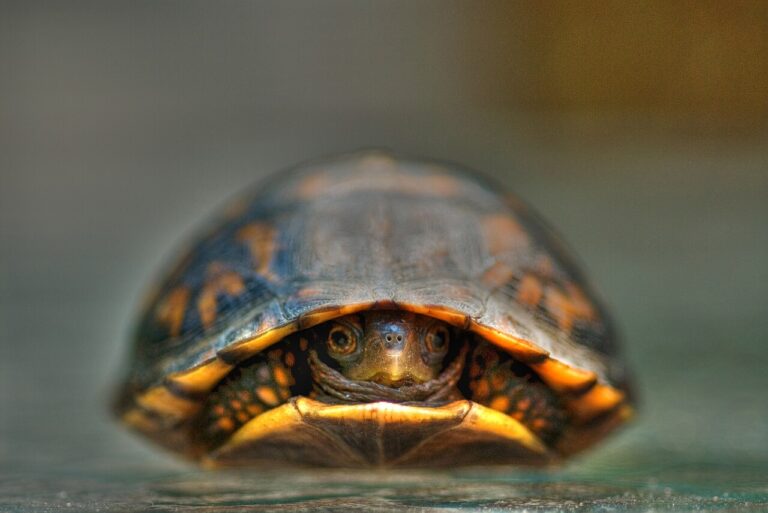
A baby box turtle hatches at 1 inch with no parental care and can live 50+ years. Growth timeline, habitat needs, and what finding one in the wild means.
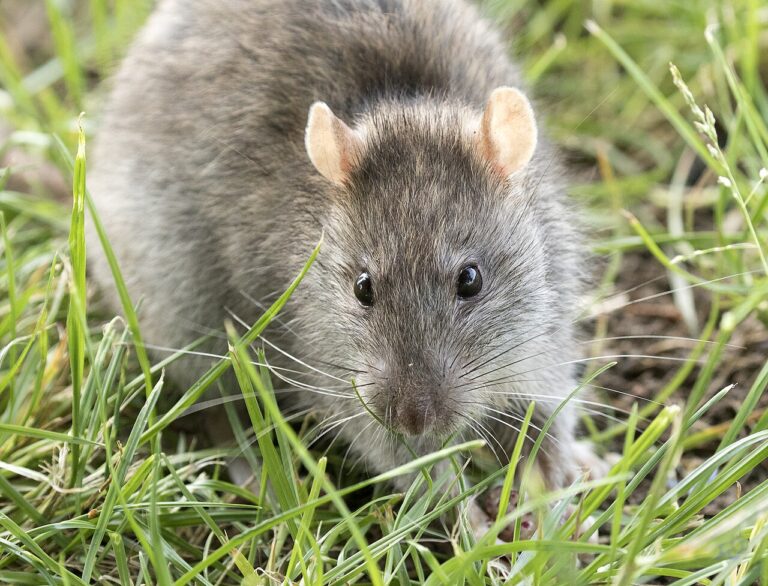
Rat poop is tubular and capsule-shaped, 1/2 to 3/4 inch with blunt ends. Full identification, the real salmonella and leptospirosis risk, and safe cleanup steps.