Mouse Dream Meaning: What It Means to Dream About One
Dreaming about a mouse usually points to a small worry that has taken up more space than it deserves: a minor expense, an unspoken fear, a detail you keep postponing. In dream interpretation the mouse dream meaning is almost always scale, not danger, since the animal represents something quiet and persistent rather than something that threatens you outright.
What changes the reading is the setting. A mouse eating in your kitchen, a white mouse in your hand, a dead mouse on the floor and a mouse biting your finger are four different dreams with four different traditional readings, and interpreters across European, biblical, Hindu and East Asian sources treat them separately. The sections below take the situations one at a time.
A mouse in a dream traditionally represents small anxieties, overlooked details and slow drains on your resources or energy. Interpreters read the specifics as the message: mice indoors point to the household and finances, white mice to good news, dead mice to a worry ending, and a mouse bite to a minor problem demanding attention now.
What Dreaming About a Mouse Usually Means
The baseline reading is accumulation. Mice do not destroy a house in one night; they gnaw, nest and multiply, and dream interpretation maps that onto slow processes in waking life: debt, resentment, deferred maintenance, a habit that costs a little every day. The dream rarely announces a crisis, it flags something cumulative.
A second common reading is feeling small. People report mouse dreams during periods of being overlooked at work, outnumbered in a family conflict or financially squeezed, and interpreters take the mouse as the dreamer’s own position in the situation. In that version the mouse is not a warning, it is a self portrait.
The third strand is scrutiny. Because mice investigate everything by touch and smell, dream dictionaries connect them to the need to examine something closely, especially paperwork, money and agreements. Which of the three applies is usually obvious from how you felt in the dream: annoyed, exposed or watchful.
| Dream situation | Common interpretation |
|---|---|
| Mouse in the house | A domestic or financial drain you have been ignoring |
| Mice running around | Scattered attention; several small problems at once |
| White mouse | Good news, help from an unexpected quarter |
| Black or grey mouse | A hidden worry or something concealed from you |
| Dead mouse | A small fear or expense coming to an end |
| Mouse biting you | A minor issue that will not wait any longer |
| Catching a mouse | Regaining control over a situation you let slide |
Dreaming of a Mouse in Your House

This is the most frequently reported version, and interpreters read the house as the dreamer’s own life rather than a building. A mouse in the kitchen or pantry points to money and provision, a mouse in the bedroom to privacy and intimacy, and a mouse in a storage room to the past and to things kept too long.
The spiritual meaning of mice in a house, in most folk sources, is that something small is being taken without permission. That can be a literal expense or an emotional one, and the standard instruction is to look at what is unguarded instead of at the mouse. Waking folk belief treats an actual mouse indoors the same way, as explained in our guide to mouse symbolism and omens.
If the dream house is not yours, interpretations shift to someone else’s affairs intruding on your own. Dreamers often report this version during conflicts over shared property, inheritance or household money, which fits the theme precisely.
Dreaming of Mice Running Around
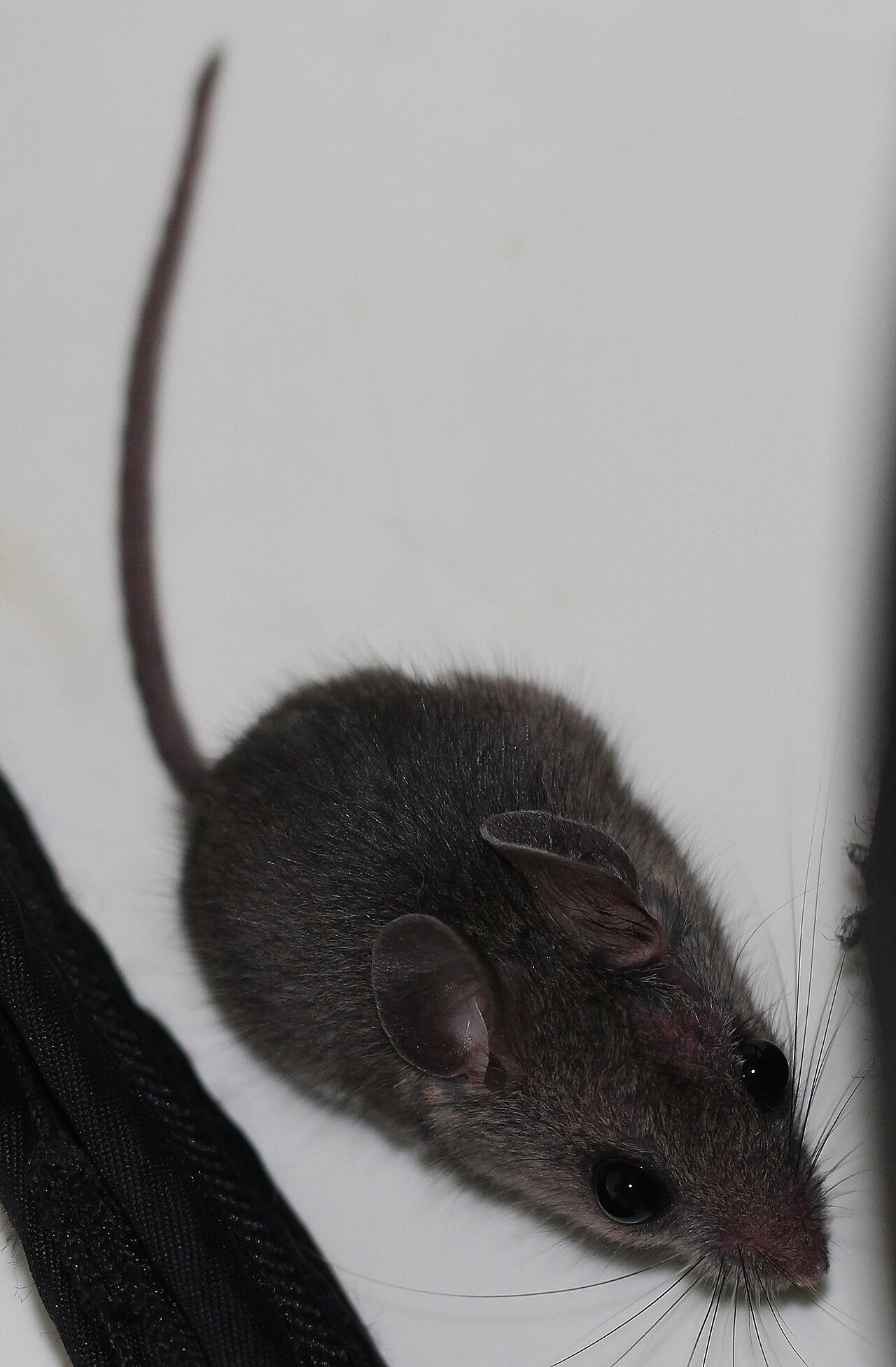
Many mice in motion is read as fragmented attention. The traditional meaning is that several small obligations are moving at once and none of them is being finished, and the characteristic emotion reported with this dream is not fear but overwhelm. Interpreters treat the number of mice as the number of unresolved items, loosely rather than literally.
Where the mice run matters. Mice crossing a floor in front of you is read as problems passing by that you can still choose to address; mice running over your body or your bed is read as the same problems having already arrived. The second version is the one people describe as distressing enough to wake them.
A swarm of mice also carries the old agricultural association with loss of stores, since historic plagues of mice genuinely destroyed harvests. Dream dictionaries inherited that image and apply it to savings, inventory and anything the dreamer has set aside for later.
Dreaming of a White Mouse
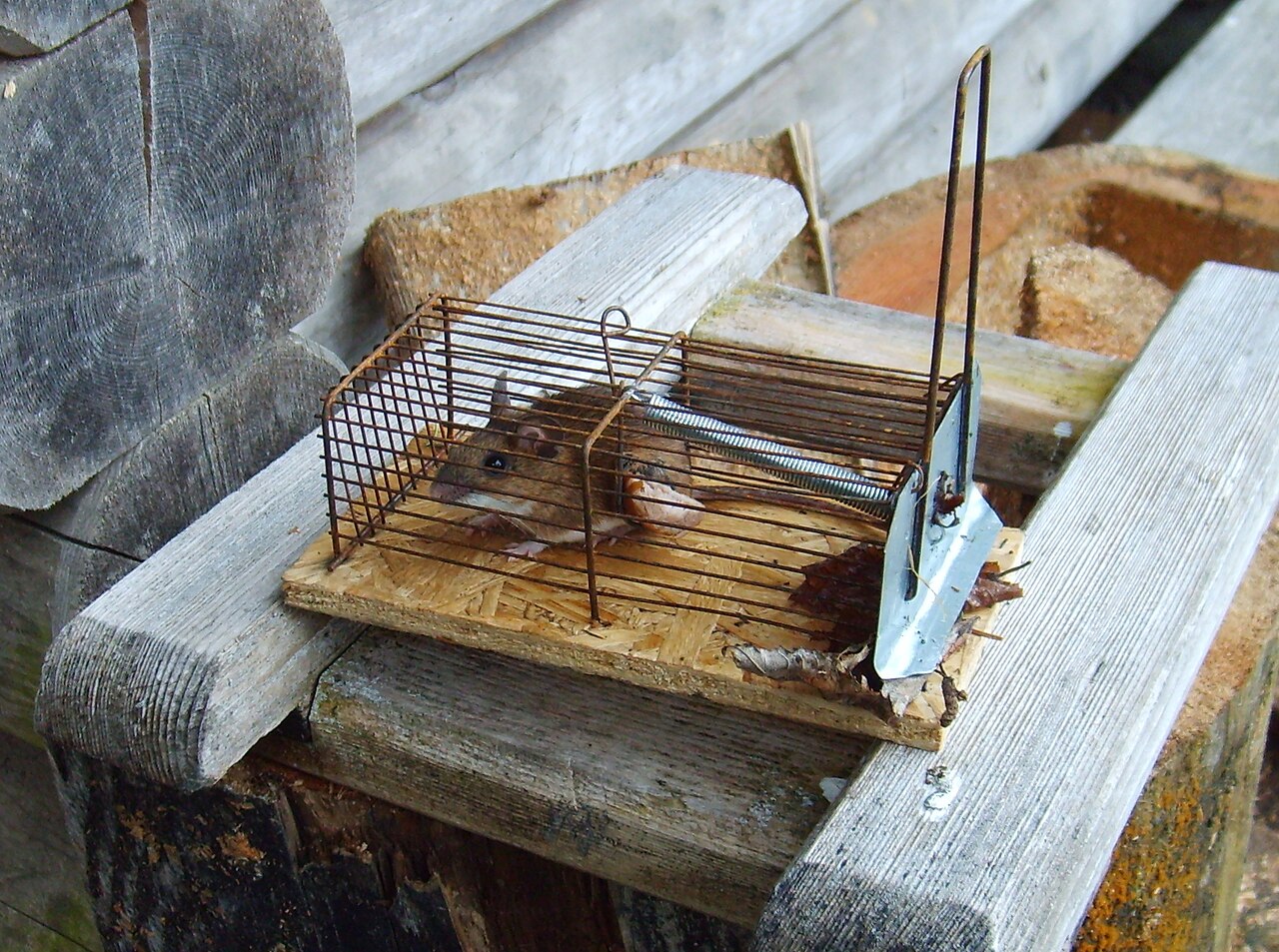
A white mouse is the most favorable version in nearly every tradition. Japanese folk belief linked white mice to Daikoku, a god of wealth, and treated their appearance as an omen of prosperity, and Western dream dictionaries read white as honesty, clarity and news that turns out well.
Interpreters commonly read a tame white mouse in your hands as help arriving from an unexpected and modest source: a small loan, a colleague’s quiet intervention, a piece of information handed to you. A white mouse that escapes is read as an opportunity that needs to be acted on quickly.
Laboratory associations complicate the modern reading. Dreamers who work in science or medicine often report white mice in dreams about being tested or observed, which has nothing to do with the folk tradition and everything to do with their waking environment. Personal context overrides the dictionary.
Dreaming of a Black or Grey Mouse
Black is the color of concealment in dream interpretation, so a black mouse is traditionally read as a worry you have not admitted to yourself or something being hidden from you by another person. The reading is usually about secrecy and not about malice, which separates it from darker animal omens.
A grey mouse spiritual meaning is softer still: grey stands for the undecided and the unremarkable, so the dream is read as a situation stuck in the middle, neither resolved nor urgent. Interpreters often connect grey mice to boredom, routine and the feeling that nothing is moving.
Both colors describe the common house mouse accurately, so there is a reasonable argument that these dreams are simply memories of real animals. Traditions that read color as meaning tend to put the most weight on colors mice do not normally have, which is why white and pure black versions get the strongest interpretations.
Dreaming of a Brown Mouse
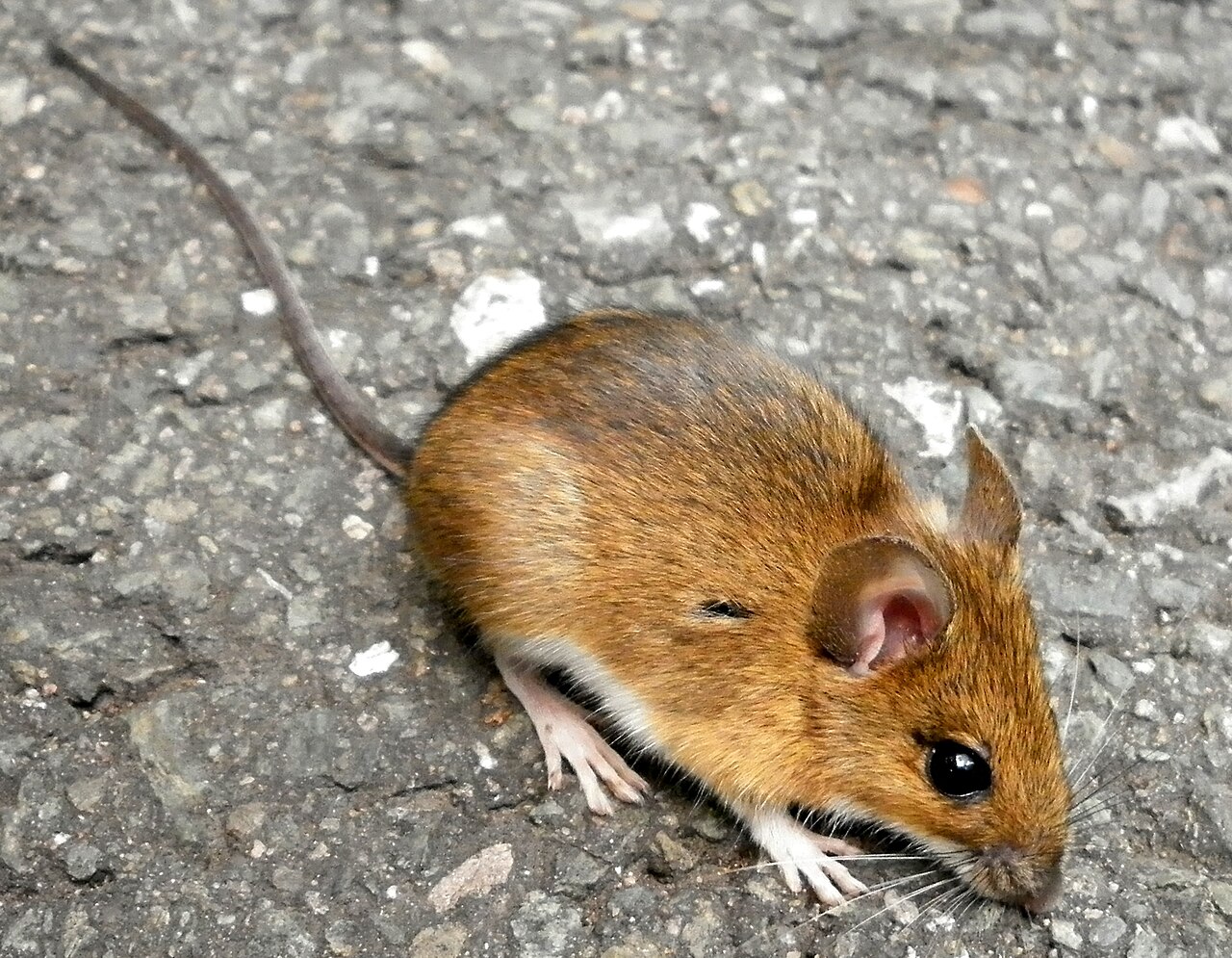
Brown mice are read as the most ordinary and least ominous version: earth colored, domestic, tied to practical matters like work, housekeeping and routine expenses. The traditional reading is that the dream concerns something real and manageable rather than symbolic.
Interpreters link brown to groundedness, so a brown mouse quietly going about its business is often read as reassurance that small efforts are adding up. The same dream turns negative only if the mouse is eating something that matters to the dreamer, which returns the reading to resources.
Field mice and deer mice (Peromyscus maniculatus) are the brown mice most Americans actually encounter, usually outdoors, and dreams set in fields or barns inherit the outdoor reading: patience, harvest and modest sufficiency rather than intrusion.
Dreaming of a Dead Mouse
A dead mouse in a dream is read as closure, not loss. The standard interpretation is that a small fear, expense or irritation has run its course, and dreamers frequently report this version at the end of a stressful period rather than during one.
Some traditions read it as a warning instead, specifically about neglect: something was left so long that it died unattended, whether a plan, a friendship or an obligation. The distinguishing feature in the dream is whether the dreamer feels relief or guilt, and interpreters use that feeling to choose between the readings.
Finding many dead mice is read as the end of a whole cluster of small problems, often after a decision the dreamer has already made. The image is the same closure logic that attaches to dead animals generally in folk interpretation.
Dreaming of a Mouse Biting You
A mouse bite is the one version interpreters treat as urgent. The traditional reading is a minor problem that has been ignored long enough to start costing something concrete, and the location of the bite is read as the area affected: hands for work, feet for travel or direction, face for reputation.
The sensation of being bitten by a small animal that could not really hurt you is also read psychologically, as the experience of being nagged or needled by someone with little actual power over you. Dreamers often connect it to a specific person once they consider that angle.
Real mouse bites are uncommon and usually happen when an animal is cornered or handled, and they do carry infection risk, which the dream reading borrows as its sense of urgency. Reports on rodent associated illness collected by the National Center for Biotechnology Information are the practical side of that same picture.
Dreaming of Catching, Trapping or Killing a Mouse
Catching a mouse is read as regaining control. In most dream dictionaries it means the dreamer is finally dealing with the small neglected matter that the mouse represents, and the ease of the catch is read as how difficult the real task will be.
Setting a trap is read as preparation rather than action: you have identified the problem and chosen a method, but nothing is resolved yet. A trap that stays empty is interpreted as a solution aimed at the wrong target, which is a fairly pointed reading for anyone currently stuck.
Killing a mouse divides interpreters. One reading is decisive resolution of a petty problem; the other is guilt about handling something small with disproportionate force, especially in dreams where the dreamer feels bad afterward. The emotional residue decides it, as with most dream material.
Mice in Dreams in the Bible and Christian Interpretation
Scripture lists the mouse among unclean animals in Leviticus, and in First Samuel golden mice appear as a guilt offering after a plague, so the biblical association is with impurity, plague and spoiled harvests. Christian dream interpretation built on that: mice in a dream were read as small sins, neglect or corruption that multiplies unseen.
Popular Christian dream teaching today, including the widely circulated evangelist readings people search for by name, generally treats mice in dreams as symbols of loss, waste and spiritual attack on a person’s provision, and prescribes prayer and vigilance. These are the teachings of particular ministries rather than settled doctrine, and they should be weighed as such.
On whether a dream is a warning from God, the traditional Christian test is consistency rather than vividness: a message is weighed against scripture, counsel from trusted believers and the fruit it produces, not accepted because it was frightening. Writers who name a specific demon associated with rats are going well beyond anything the biblical text supports.
Mouse Dreams in Hindu and East Asian Traditions
In Hindu interpretation the mouse or rat is the vahana of Ganesha, the mount that represents desire and restless thought brought under control, which gives rodent dreams a far more positive cast than the biblical reading. Dreaming of a mouse in a temple or near an image of Ganesha is traditionally read as a blessing on a new undertaking.
Chinese tradition places the Rat first in the zodiac as a sign of wit, resourcefulness and accumulating wealth, and mice in a storehouse are read as evidence of surplus. Japanese folk belief adds the Daikoku connection, which is the direct source of the white mouse as an omen of fortune.
Taken together these traditions explain why two people can have the identical dream and receive opposite interpretations. The animal is the same; the frameworks disagree, and a reading that ignores that disagreement is selling certainty it does not have. The same split runs through the interpretation of rat dreams and through snake dreams, where tradition shifts the meaning further than any detail of the dream does.
Frequently Asked Questions
What does it mean to dream about mice?
Dreaming about mice is traditionally read as small, cumulative concerns: minor expenses, overlooked details or a slow drain on energy and resources. The setting carries the message, with indoor dreams pointing to home and money and outdoor dreams pointing to patience and modest growth.
What does it mean when you dream about a rat?
Rat dreams are read more harshly than mouse dreams in Western interpretation, with themes of betrayal, disease and a problem that has grown past the small stage. Interpreters treat size and aggression as the difference: a mouse nags, a rat threatens. In Chinese tradition the same animal signals resourcefulness and wealth.
What does it mean to dream about rats in Hinduism?
In Hindu interpretation rats and mice are associated with Ganesha, whose mount represents desire mastered by wisdom, so the dream is often read as a favorable sign for a new venture or as a prompt to control restless wanting. Some regional readings add a warning about waste in the household.
Are rat dreams good or bad luck?
Neither tradition is unanimous. European and biblical readings treat rats in dreams as unlucky, tied to plague and betrayal, while Chinese and Hindu frameworks read them as auspicious signs of cleverness and divine association. Dream interpreters generally weigh the dreamer’s own feeling in the dream above any fixed verdict.
What does the Bible say about dreams of rats?
The Bible does not address dreams of rats directly. It lists rodents among unclean animals in Leviticus and describes golden mice sent as a guilt offering in First Samuel, and later Christian interpretation extended those passages to dream imagery of waste and impurity. Any specific modern reading is tradition, not text.
Do mice have dreams?
Mice do appear to dream. They cycle through REM sleep, and recordings from the hippocampus show mice replaying the sequences of neurons that fired while they ran a maze, which researchers interpret as memory consolidation during sleep. Whether that experience resembles human dreaming is not something the recordings can answer.
Animal dreams are read through the same method whatever the species: setting, color, action, then the emotion you woke with. Our guides to owl dreams, spider dreams and birds in dreams apply that order to the animals people report most often.