What Do Cardinals Eat? Complete Diet Guide
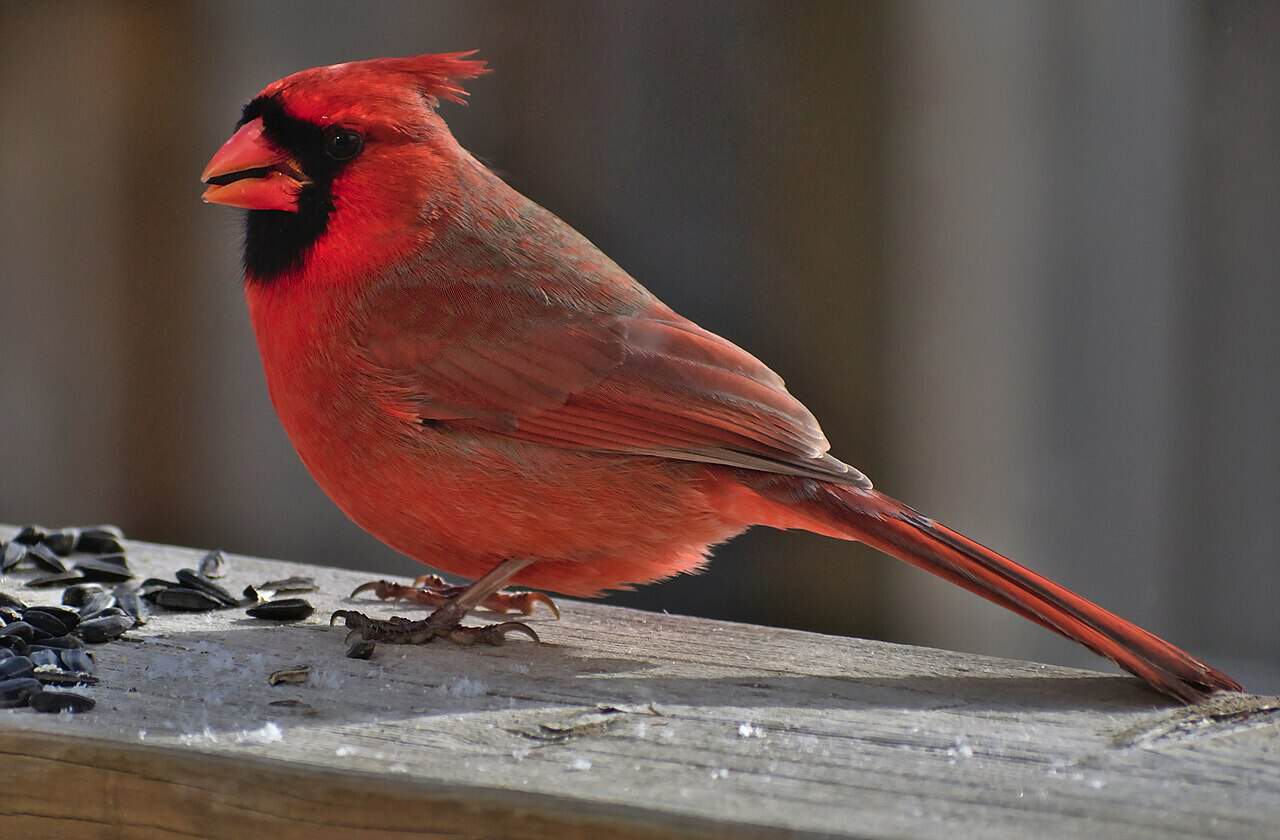
Cardinals eat mainly seeds, grains, fruits, and insects, and their all-time favorite food at feeders is black oil sunflower seed. Their thick, cone-shaped bill is built for cracking hard shells, so they thrive on sunflower and safflower seeds year-round. In spring and summer they add protein-rich insects, especially when feeding their young, and in late summer and fall they turn to wild berries and fruits. Offer sunflower or safflower seed on a sturdy platform or hopper feeder placed near cover, and you will draw cardinals more reliably than with almost any other setup.
| Food Type | Examples | When |
|---|---|---|
| Seeds (favorite) | Black oil sunflower, safflower, striped sunflower | Year-round |
| Grains | Cracked corn, white millet | Year-round |
| Insects | Beetles, caterpillars, grasshoppers, spiders | Spring and summer |
| Fruit | Wild berries, mulberries, grapes, dogwood | Summer and fall |
| Suet | Suet cakes, especially in cold weather | Winter |
What Do Cardinals Eat in the Wild?
In natural settings, cardinals are primarily granivores, meaning the majority of their diet is seeds and grains. Data summarized by the Cornell Lab of Ornithology shows that plant material, wild seeds, grains, and fruits, makes up the large majority of an adult cardinal’s yearly diet. They forage on or near the ground, hopping through leaf litter and low vegetation to find fallen seeds, waste grain, and berries, and their powerful bill lets them handle tough seeds that many smaller songbirds simply cannot open. That mechanical advantage is a big reason cardinals do so well in backyards, where sunflower seed is abundant.
The diet shifts noticeably with the seasons. Insects become important in the warmer months, both for the extra protein breeding adults need and because caterpillars and beetles are what nestlings are fed almost exclusively. As fall arrives, wild fruits and berries take on a larger role, and by winter the birds lean heavily on seeds. To understand the bird behind the appetite, see our complete guide to the Northern Cardinal.
What Do Cardinals Eat at Feeders?
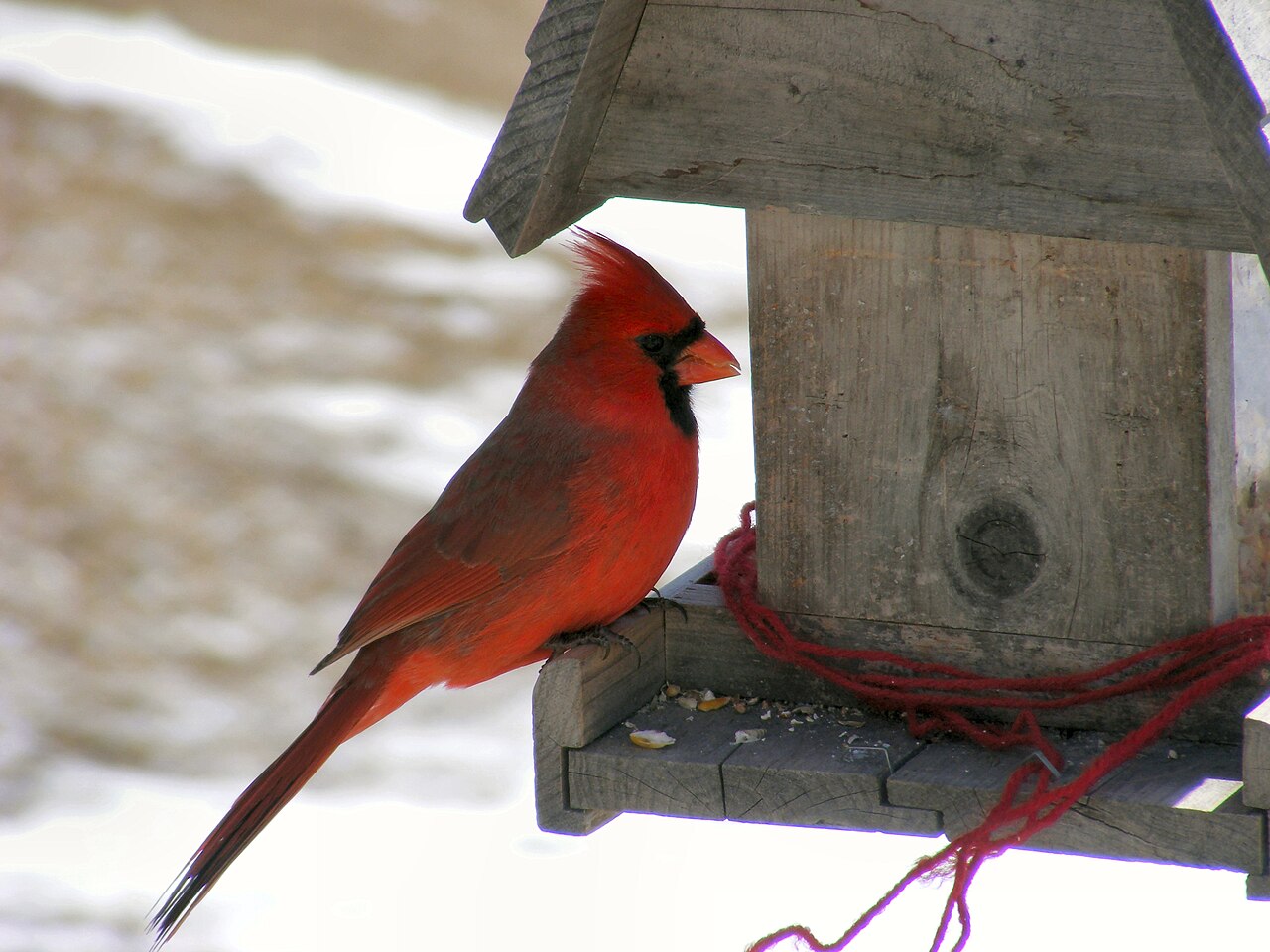
At backyard feeders, black oil sunflower seed is the single best food for cardinals, because its high fat content and relatively thin shell make it both energy-rich and easy for them to open. Safflower is another excellent choice and comes with a bonus: squirrels and grackles tend to dislike its slightly bitter taste, so a safflower feeder can give cardinals a calmer, less contested place to eat. Cardinals also readily take striped sunflower, cracked corn, peanut pieces, and suet in cold weather.
Because of their size, cardinals feed most comfortably on platform feeders, hopper feeders, or simply on the ground, rather than on small clinging or tube feeders built for tiny songbirds. A wide perch or tray lets them sit and crack seeds the way they prefer. Our bird seed guide compares seed types in detail, and the bird feeders guide covers exactly which feeder styles cardinals use best.
What Do Cardinals Eat in Winter?
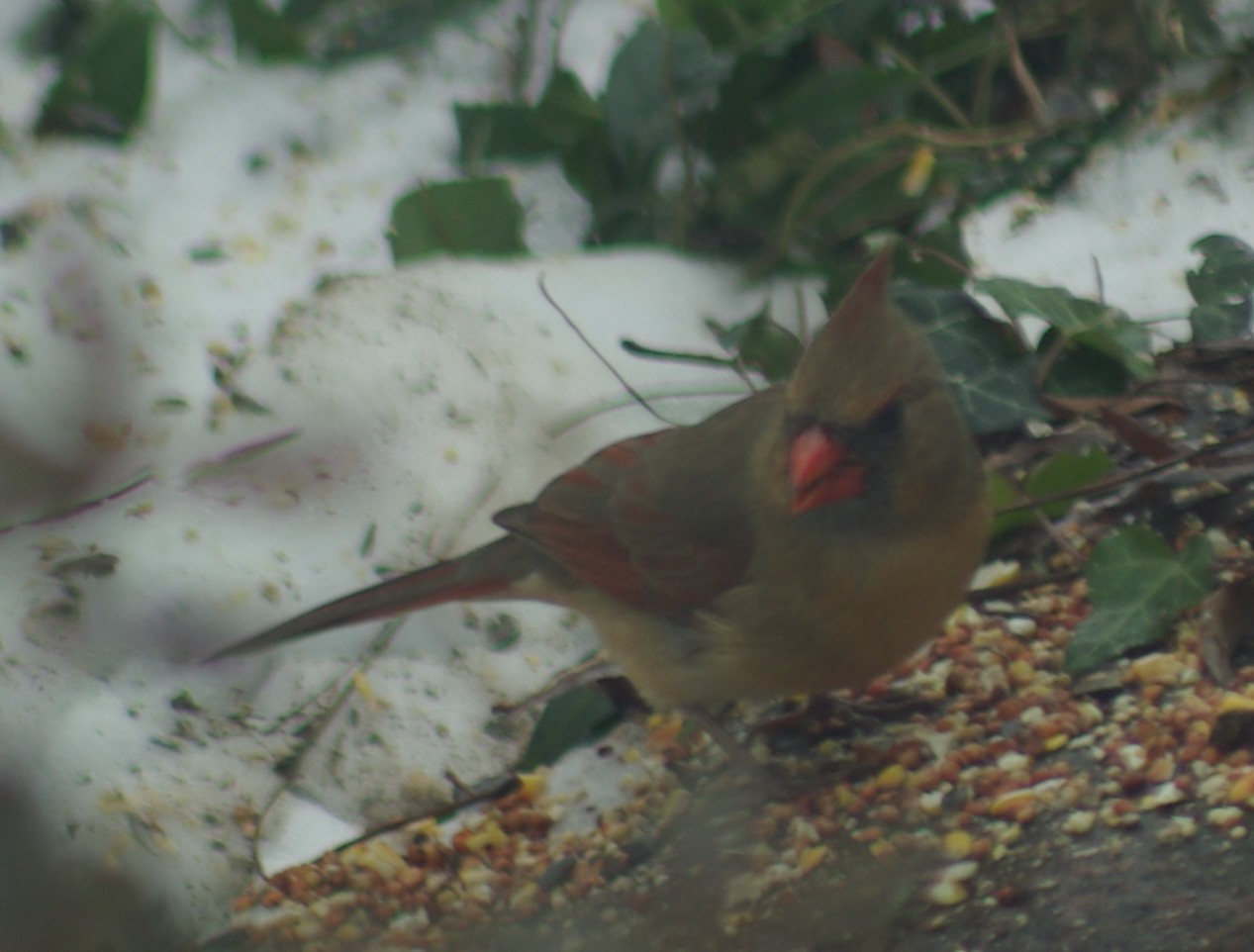
Because cardinals do not migrate, winter is when a reliable feeder matters most to them. With insects gone and most fruit stripped from the branches, they rely heavily on seeds through the cold months, which is why they are such faithful winter feeder visitors and why they show up so vividly against snow. Black oil sunflower and safflower remain the top choices, and high-fat suet becomes especially valuable when temperatures drop and birds need extra energy just to stay warm overnight.
Keeping feeders consistently stocked from late fall through early spring supports the local pair through the leanest season and increases the chance they will nest nearby once spring arrives. For more on cold-weather feeding across all your backyard birds, our guide on how to attract birds to your yard covers winter strategy, water, and shelter.
What Do Baby Cardinals Eat?
Despite the adults’ seed-heavy diet, baby cardinals are raised almost entirely on insects. Both parents deliver a steady stream of caterpillars, beetles, and other soft-bodied bugs, which provide the concentrated protein nestlings need to grow from hatchling to fledgling in only about ten days. As the young mature, the parents gradually introduce seeds and teach them to crack shells with their developing bills. You can read about this whole early stage in our baby cardinal guide, and see how feeding fits into the broader breeding cycle in our guide to the cardinal nest.
Do Cardinals Eat Fruit and Drink Water?
Fruit is a bigger part of the cardinal diet than many feeder watchers realize, especially in late summer and fall. Cardinals readily eat wild berries and soft fruits including mulberries, wild grapes, dogwood berries, sumac, and hackberry, and they will visit fruiting shrubs and small trees in the yard. Planting native berry producers is therefore one of the most natural ways to feed cardinals while also giving them the dense cover they love for nesting, a double benefit that a feeder alone cannot match.
Water matters just as much as food, and it is easy to overlook. Cardinals drink and bathe daily, and a clean, shallow birdbath, ideally with moving or dripping water to catch their attention, will draw them in even where feeders are scarce. In winter a heated birdbath can be a genuine lifeline when natural water is frozen, and it often pulls in cardinals that might otherwise pass a yard by. Pairing a reliable water source with quality seed is one of the surest ways to turn occasional visitors into residents.
What Should You Not Feed Cardinals?
Feeding cardinals well also means knowing what to leave out, because a few common backyard offerings do more harm than good. Cheap “bargain” seed mixes are the biggest pitfall, since they are padded with filler like red milo, wheat, and oats that cardinals largely ignore, leaving wet, moldy leftovers that can harbor bacteria. Bread and other human junk food offer little real nutrition and can crowd out the seeds and insects birds actually need. Anything moldy or spoiled should never be offered, as mold toxins are genuinely dangerous to birds.
Salted, flavored, or heavily processed foods are also poor choices, and while cardinals will not touch most of these anyway, keeping the menu simple protects them. Stick to quality black oil sunflower, safflower, and clean cracked corn, keep feeders clean and dry, and rake up spilled hulls beneath the feeder so damp debris does not accumulate and spread disease among ground-feeding cardinals. Our bird seed guide explains how to spot filler-heavy mixes so you can buy seed cardinals will actually eat.
How to Attract Cardinals With Food
To reliably draw cardinals, keep black oil sunflower or safflower seed in a sturdy platform or hopper feeder and place it near cover so the birds feel safe approaching. Feeding in the early morning and late afternoon matches their natural rhythm and makes sightings more predictable. Adding a water source and dense shrubs nearby turns an occasional visitor into a resident pair, since cardinals want food, water, and protective cover all in one place. For the full picture on plantings, feeder placement, and year-round strategy, see our guide on how to attract birds to your yard. And if a plain brown bird with an orange bill shows up alongside the red male, that is his mate, so learn to recognize her in our female cardinal guide.
Frequently Asked Questions
What do cardinals eat?
Cardinals eat mainly seeds, grains, fruits, and insects. Black oil sunflower seed is their favorite at feeders, while insects become important in spring and summer, especially for feeding young.
What is a cardinal’s favorite food?
Black oil sunflower seed is the clear favorite. Safflower seed is a close second and has the advantage of deterring squirrels and grackles.
What do cardinals eat in winter?
In winter cardinals rely on seeds like sunflower and safflower, plus any remaining berries and high-fat suet. Because they do not migrate, reliable feeders help them through the cold months.
What do baby cardinals eat?
Baby cardinals are fed almost entirely on insects, caterpillars, beetles, and other bugs, by both parents, then gradually shift toward seeds as they mature.
Do cardinals eat from the ground?
Yes. Cardinals naturally forage on the ground and feed comfortably on platform feeders or scattered seed, more than on small hanging tube feeders.
What feeder is best for cardinals?
Platform and hopper feeders suit cardinals best because of their size and preference for a solid perch. Fill them with black oil sunflower or safflower seed and place them near cover.
Do cardinals eat safflower seed?
Yes, cardinals readily eat safflower, and because squirrels and grackles tend to avoid it, a safflower feeder can give cardinals a quieter place to feed.
What should you not feed cardinals?
Avoid cheap filler-heavy seed mixes (red milo, wheat), bread and human junk food, and anything moldy or spoiled. Stick to quality black oil sunflower, safflower, and clean cracked corn, and keep feeders dry.