Betta Fish Food: What to Feed, How Much, and What to Avoid
The best betta fish food is a high protein pellet made for bettas, fed once or twice a day in portions of two to four pellets, with frozen or live foods such as bloodworms and brine shrimp two or three times a week. Bettas (Betta splendens) are insectivores in the wild, not general community fish, and a flake meant for tetras or goldfish will keep one alive without ever making it thrive.
Most betta problems that owners blame on water or genetics start at the feeding ring: too much food, the wrong protein source, or freeze dried products that swell after swallowing. Getting the diet right is cheaper than any medication and fixes bloating, fading color and listlessness more often than anything else.
Feed a betta a betta specific pellet with at least 35 percent crude protein, two to four pellets once or twice daily, and supplement with frozen bloodworms, brine shrimp or daphnia two to three times a week. Fast the fish one day a week. Never feed bread, crackers or other human starch.
| Food Type | How Often | Notes |
|---|---|---|
| Betta pellets | Daily staple | 2 to 4 pellets per feeding, 35 percent protein or higher |
| Frozen bloodworms | 2 to 3 times a week | Rich treat, thaw first, 2 to 3 worms per serving |
| Live or frozen brine shrimp | 2 to 3 times a week | Triggers hunting behavior, mild laxative effect |
| Daphnia | Weekly | High fiber, the standard fix for constipation |
| Freeze dried foods | Occasional | Soak in tank water first, expands in the gut otherwise |
| Tropical flakes | Emergency only | Plant heavy, fouls water fast, poor protein profile |
| Bread, crackers, rice | Never | Starch the fish cannot digest, causes bloat |
What Food Is Best for Betta Fish?
The best food for a betta is a small sinking or slow floating pellet formulated specifically for the species, with fish meal, shrimp meal or black soldier fly larvae as the first ingredient. Look for crude protein of 35 percent or higher and no more than about 5 percent fiber filler. Wheat and soy high on the ingredient list mean the manufacturer replaced animal protein with cheap plant bulk.
Pellet size matters as much as the formula. A betta has a stomach roughly the size of its own eye, so a pellet designed for community tropicals is often too large to swallow cleanly and ends up spat out and rotting. Betta specific pellets are typically 1 to 1.5 mm.
Rotation beats brand loyalty. Feeding one pellet as the base and alternating frozen foods across the week covers the amino acid and fatty acid gaps that any single product leaves. A fish on a varied diet colors up noticeably within a month, and that change is the most reliable sign the diet is working.
Why Bettas Need Protein, Not Plant Flakes
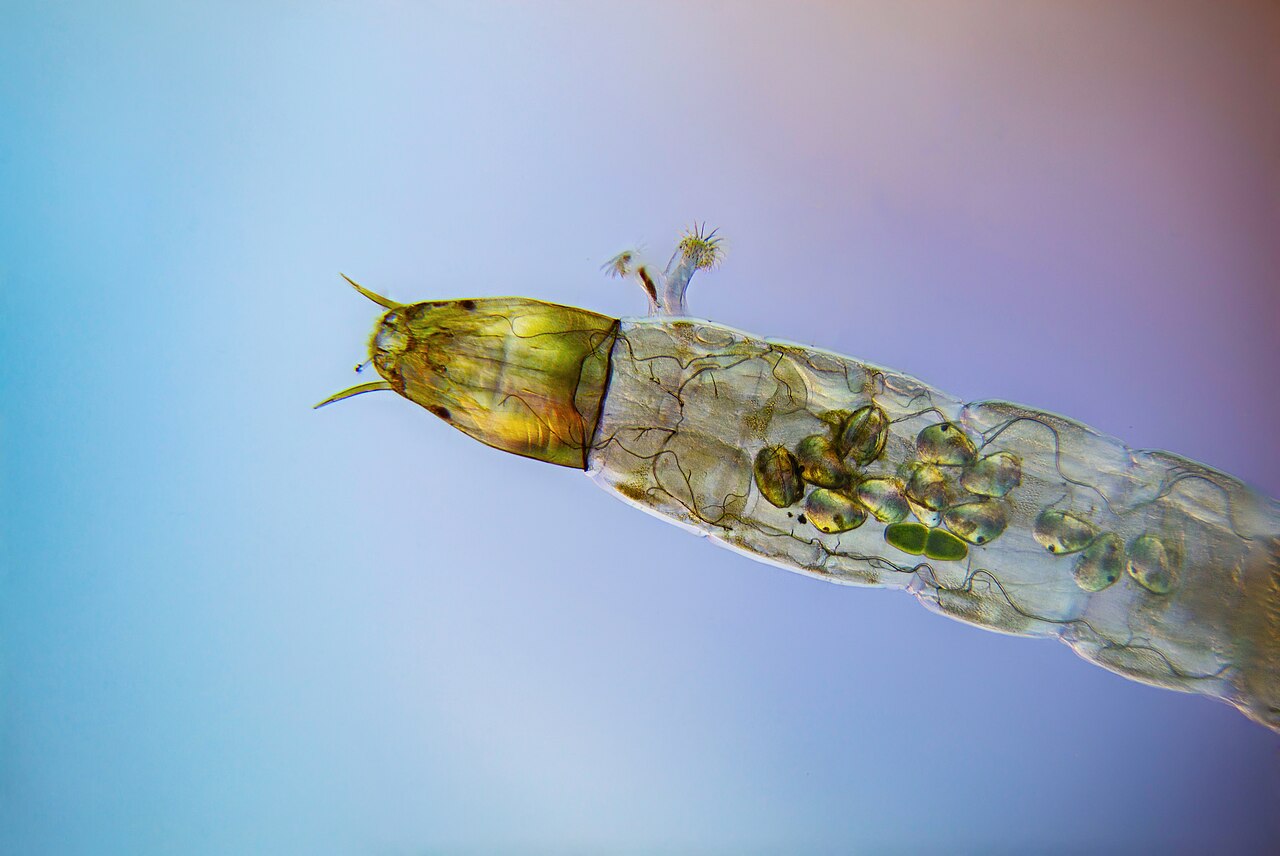
Bettas are carnivores that evolved eating mosquito larvae, small crustaceans and insects that fall onto the surface of shallow Southeast Asian floodplains. Their digestive tract is short, which suits animal protein and handles plant matter poorly. Feeding a plant based flake is not merely suboptimal; it leaves the fish underfed on calories it cannot extract.
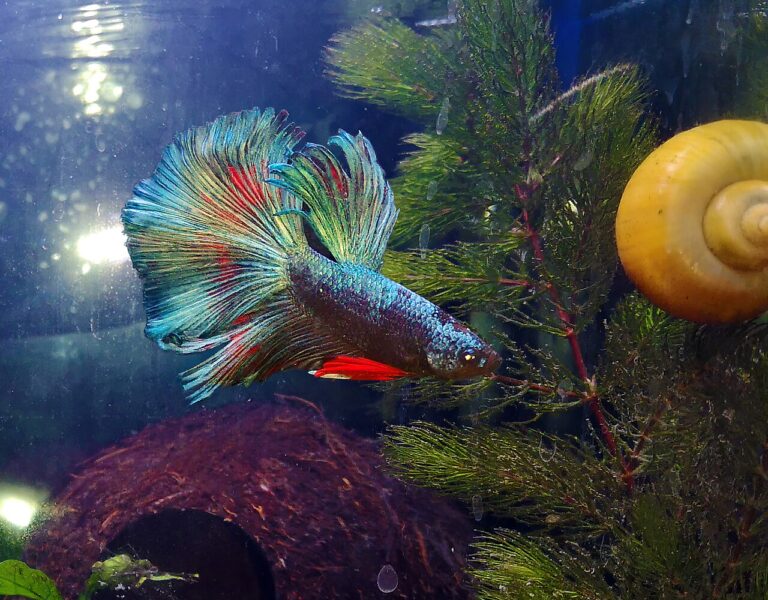
The visible results of a protein shortfall arrive slowly. Color fades first, particularly the reds and blues that depend on carotenoid and structural pigment maintenance. Fin growth stalls next, and long finned varieties such as the halfmoon betta start to show ragged edges that owners mistake for fin rot.
Protein quality counts, not just the percentage on the label. Whole fish meal and insect meal digest far better for a betta than plant protein concentrate padded into the same number, so read the first three ingredients rather than the headline figure.
Betta Pellets: The Daily Staple
Pellets are the practical base of a betta diet because the portion is countable. Two to four pellets per feeding, once or twice a day, is the standard, and counting removes the guesswork that ruins most feeding routines. A pinch of flakes cannot be measured; four pellets can.
Choose a pellet that sinks slowly or hovers. Bettas are surface and midwater feeders and will largely ignore food that drops straight to the substrate, where it decays and drives up ammonia. If your fish has a strong current pushing food around, feeding is easier with the filter briefly turned down, which matters more if you have read our note on whether betta fish need a filter.
Store pellets dry and cold, and replace the container every six months. Fish food loses vitamin C and oxidizes its fats quickly once opened, and a rancid pellet is a real cause of persistent digestive trouble in single fish tanks where nobody suspects the food.
Frozen and Live Foods: Bloodworms, Brine Shrimp, Daphnia
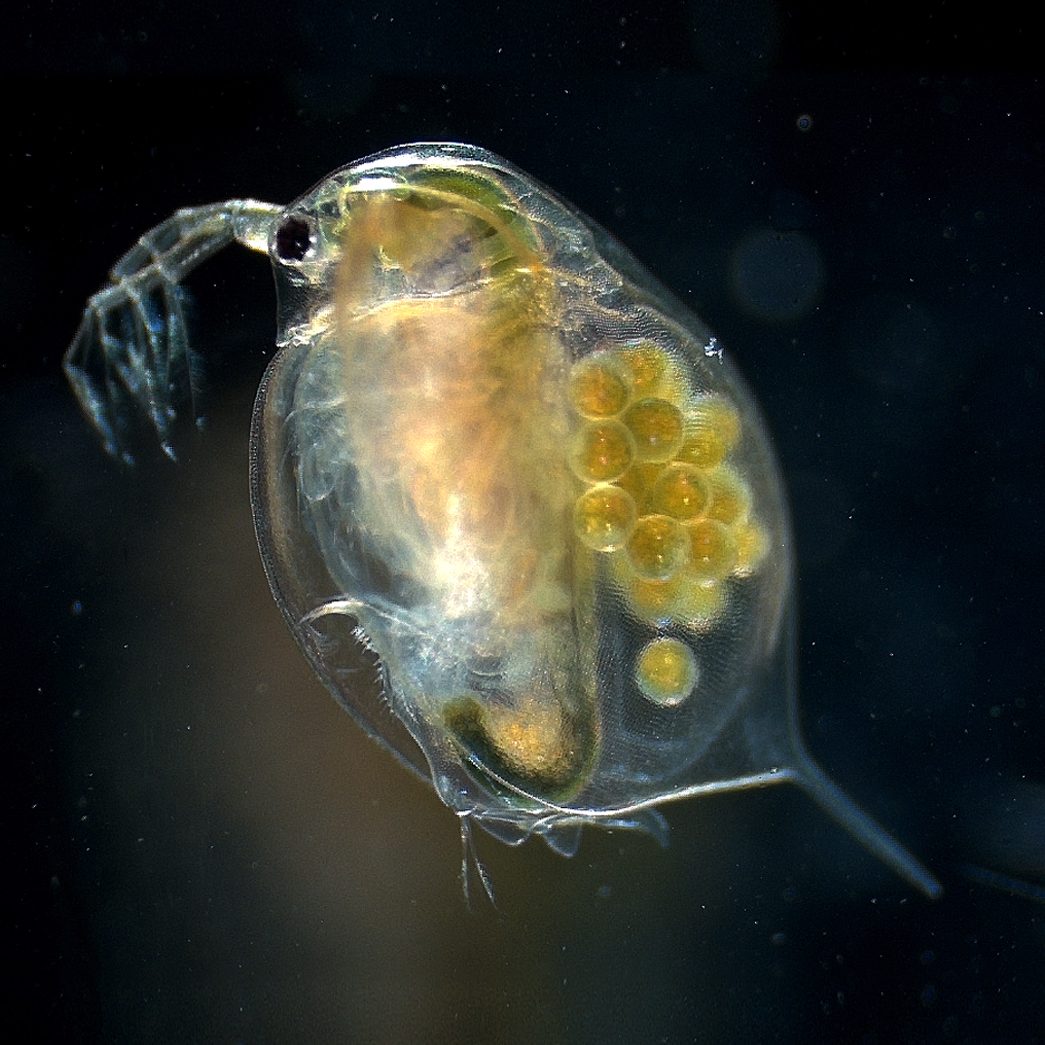
Frozen and live foods are where a betta diet goes from adequate to good. Frozen bloodworms, which are chironomid midge larvae rather than actual worms, are the classic betta treat and match what the fish hunts in the wild. Two or three thawed worms make a full serving for an adult.
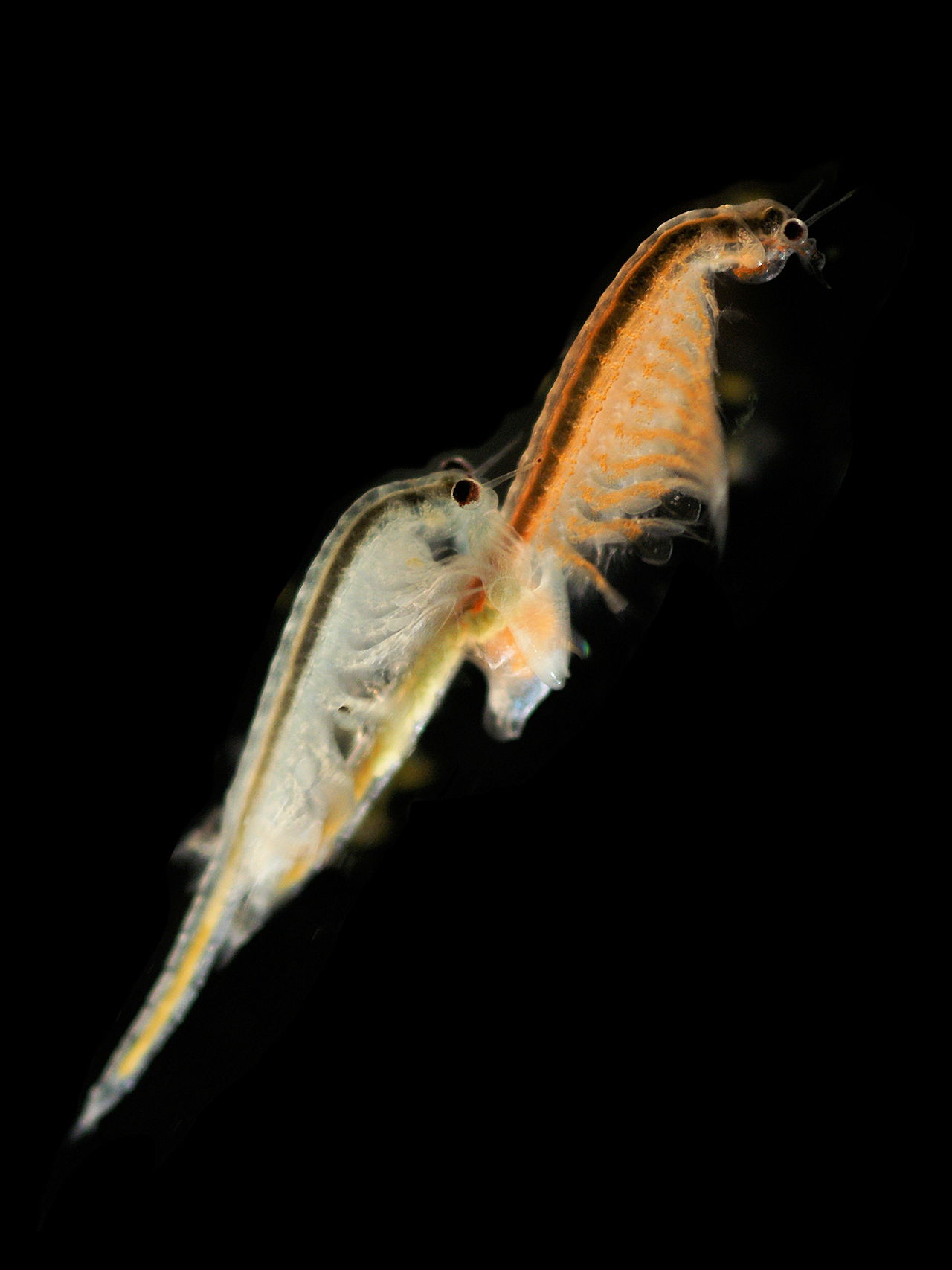
Brine shrimp (Artemia salina) are the best all round supplement because they provoke genuine hunting behavior when fed live, which visibly reduces the glass pacing seen in understimulated fish. Daphnia are the high fiber option and act as a gentle laxative, which is why experienced keepers reach for them the moment a betta looks bloated.
Thaw frozen cubes in a small cup of tank water rather than dropping them in solid. A frozen block chills the feeding area, and the melt water carries concentrated packing fluid that does nothing good for a small tank.
Freeze Dried Foods and the Bloating Problem

Freeze dried bloodworms are convenient and are also the single most common cause of betta constipation. The product is dehydrated, and it rehydrates inside the fish, expanding against a digestive tract that has very little slack. The result is a swollen belly, buoyancy trouble and a fish resting on the substrate.
Soaking fixes most of it. Drop the portion into a spoon of tank water for two to three minutes until it is fully soft, then feed. Keepers who soak report far fewer bloating incidents than those who feed the product dry, and the habit costs nothing.
Treat freeze dried food as an occasional item rather than a staple. It has lost some vitamin content in processing, and it lacks the moisture that helps a small carnivore pass a meal comfortably.
Flakes: When They Work and When They Do Not
Flakes work in a pinch and fail as a routine. A betta specific flake with a strong animal protein base will keep a fish healthy short term, but flakes break apart, float away into the filter and foul water faster than any pellet. In a small heated tank that matters more than in a large community setup.
Generic tropical flakes are the real problem. They are formulated for omnivores and community fish, with plant material and fillers that a betta digests poorly, and their large surface area accelerates vitamin loss once the tub is opened.
If flakes are all you have, crush them to pellet sized pieces and feed only what the fish takes at the surface within about 20 seconds. Net out whatever sinks before it decays.
Do Betta Fish Need to Eat Every Day?
Betta fish need to eat every day, with one deliberate fasting day per week as a useful exception. Daily feeding suits their metabolism, which runs faster in the warm water they require. A betta kept in the correct range, covered in our guide to betta fish water temperature, burns energy steadily and should be fed accordingly.
Splitting the daily ration into two small feedings, morning and evening, is better than one large one. The stomach is tiny and empties within a few hours, so two servings deliver the same food with less digestive strain and less uneaten waste.
Cooler tanks change the math. Below about 76 F (24 C) a betta’s digestion slows and daily feeding at full portion starts to produce uneaten food, so drop to a single small serving until the temperature is corrected.
How Much to Feed a Betta at One Time
Feed what the fish eats in about two minutes, which in practice means two to four pellets. A betta’s stomach holds roughly as much as its eyeball, a rough rule that has survived decades of fishkeeping because it lands close to the truth.
Overfeeding is the default error. Bettas beg convincingly and will keep eating past the point of sense, so the fish is a poor judge of its own portion. A rounded, slightly swollen belly after feeding is normal; a belly that stays distended into the next day is not.
Watch the substrate, not the fish. If food is sitting on the bottom ten minutes after feeding, the portion was too large, and that surplus turns into the ammonia spike that kills more bettas than any disease.
What Can I Feed My Betta If I Don’t Have Fish Food?
If you have run out of fish food, the safest stopgaps are small pieces of cooked shrimp with no seasoning, a thawed frozen bloodworm from a bait supply, a boiled and deshelled pea for a constipated fish, or a live mosquito larva from standing water outdoors. All of them are closer to the natural diet than anything in a kitchen cupboard.
Cooked egg yolk in microscopic amounts and a fragment of unseasoned white fish will also be accepted, but both foul water fast and should be a one time measure. Remove uneaten pieces within a few minutes.
A healthy adult betta can wait. Skipping one or two days while you get proper food is far safer than improvising with human food for a week, and the fish will show no lasting effect.
What Human Foods Can I Feed My Betta?
Very few human foods belong in a betta tank. Plain cooked shrimp, unseasoned white fish, a deshelled boiled pea and a trace of hard boiled egg yolk are the short list, all in pieces smaller than the fish’s eye, all fed rarely.
Everything starchy is out. Bread, crackers, rice and pasta swell in the gut, provide nothing the fish can use and are a direct route to bloat. Anything salted, oiled, spiced or processed is worse, because a betta has no tolerance for sodium or fat loads that a human considers mild.
The realistic verdict is that human food is an emergency bridge, not a diet. A betta fed from the kitchen for months will show the same fading and fin damage as one kept on cheap flakes, and the cause is usually diagnosed far too late.
What Is Poisonous to Betta Fish?
Soap residue, tap water chlorine and chloramine, copper from certain medications, and untreated plant fertilizer are the common poisons in a betta tank, and none of them arrive as food. In the food category, the real hazards are salted or seasoned human items, spoiled rancid pellets and anything oily.
Tap water is the most frequent killer. Chlorine damages gill tissue within minutes, so every water change needs a dechlorinator. Well intentioned owners who rinse a tank with soap or use a cleaning sponge from the kitchen lose fish for the same class of reason.
Avoid live foods collected from water that may hold fish. Wild collected larvae from a pond can carry parasites, whereas larvae from a clean rain barrel or bucket carry almost no risk, which is why keepers who culture their own live food keep it isolated. More species background sits in our profile of betta fish.
How to Tell If Your Betta Is Hungry
A hungry betta swims to the front of the tank when you approach, patrols the surface and may flare slightly in anticipation. This is learned behavior tied to your routine rather than a reliable hunger signal, which is precisely why it should not set the portion.
The honest indicators are physical. A slightly concave belly, steady but unhurried swimming and prompt striking at food mean the fish is ready to eat. A rounded belly, slow reluctant feeding or spat out pellets mean it is not, regardless of how convincingly it begs.
Behavior changes with the light cycle too. Bettas rest at night, as described in our piece on whether betta fish sleep, so a fish that ignores an evening feeding may simply be winding down rather than unwell. Reference species data for Betta splendens is maintained at FishBase.
Frequently Asked Questions
How long will a betta survive without food?
A healthy adult betta can survive 10 to 14 days without food, though it starts losing condition after about a week. For a short trip of up to five days it is better to leave the fish unfed than to use a vacation block, which dissolves unpredictably and fouls a small tank. Never plan around the upper limit.
What is the best quality food for betta fish?
The best quality betta food lists whole fish meal, shrimp meal or insect larvae as the first ingredient, carries crude protein of 35 percent or more, and contains no wheat or soy in the top three ingredients. Premium betta pellets from established aquarium brands meet this; generic tropical fish flakes do not.
Do betta fish like when you talk to them?
Bettas cannot hear speech in any meaningful way, but they do detect vibration through the lateral line and quickly learn to associate a person at the glass with feeding. So the fish responds to your presence rather than your voice. Tapping the glass is a poor substitute, since the vibration is stressful at close range.
Why is my betta spitting out food?
Spitting usually means the pellet is too large or too hard, and the fish is trying to break it down. Bettas routinely take food in, spit it, and take it again, which is normal chewing behavior. If the food is rejected entirely, check the water temperature and consider that the pellets may be stale.
How often should I feed a baby betta?
Juvenile bettas under about three months need small feedings three to four times a day because they are growing fast and have even less stomach capacity than adults. Use crushed pellets, baby brine shrimp or microworms. Cut back to the adult schedule of once or twice daily once the fish reaches roughly an inch and a half.
Can male and female bettas eat the same food?
Yes, males and females take the same diet and the same portion sizes at comparable body weight. Females kept in sorority groups need watching at feeding time, since dominant individuals take more than their share. Our guide to female betta fish covers group feeding in more detail.