Koi Fish Cost $15 to $10,000: Prices, Care and Pond Size
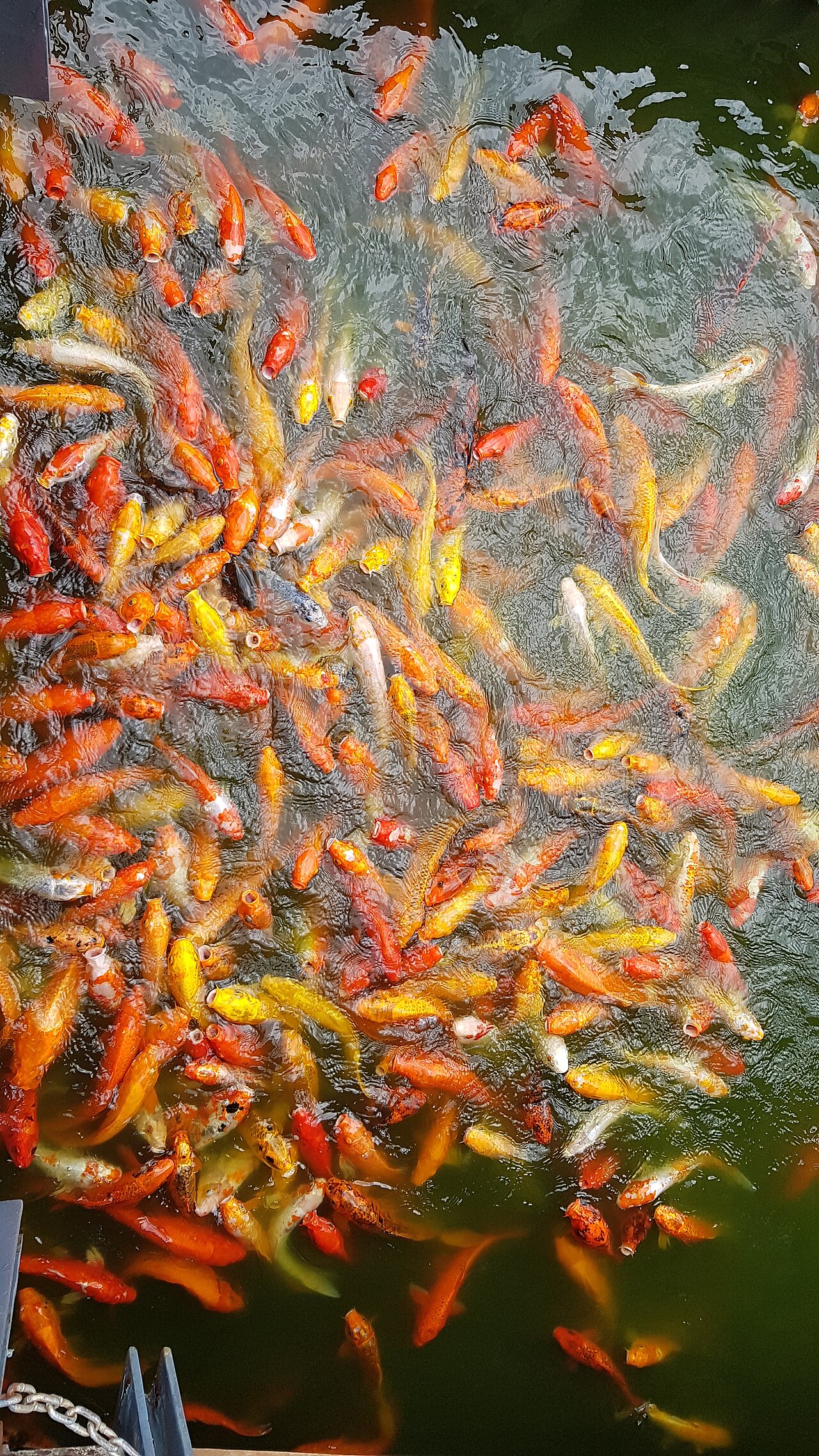
A single koi fish costs $15 to $60 at a garden center and $200 to several thousand dollars from a Japanese breeder, and the difference is almost entirely pattern quality. Koi (Cyprinus rubrofuscus) are domesticated carp bred in Japan since the early 1800s, judged on the sharpness of the color edges and the balance of the markings.
Price says little about difficulty, though. A $20 pond koi and a $2,000 Kohaku need the same thing: a lot of water, a lot of filtration and twenty years of commitment.
Koi fish cost $15 to $60 for ordinary pond grade fish and $200 to $10,000 or more for show quality Japanese bloodlines. They reach 24 to 36 in (60 to 90 cm), live 25 to 50 years, and need roughly 250 gallons of pond water per adult with strong mechanical and biological filtration.
| Variety | Markings | Typical price | Notes |
|---|---|---|---|
| Kohaku | White body, red patches | $50 to $3,000 | The benchmark at shows |
| Taisho Sanke | White, red and black | $60 to $2,500 | No black on the head |
| Showa Sanshoku | Black body, red and white | $70 to $2,500 | Pattern shifts for years |
| Ogon | Single metallic color | $25 to $300 | Hardy, often first to feed |
| Asagi | Blue net scales, red belly | $40 to $600 | One of the oldest lines |
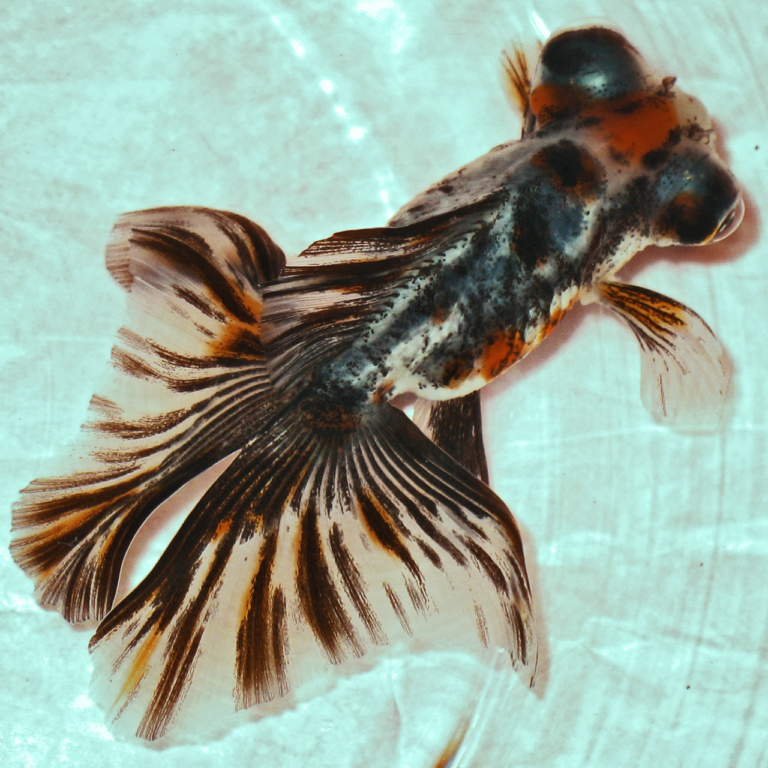
| Butterfly koi | Long flowing fins | $20 to $400 | Not accepted in judging |
How Much Does One Koi Fish Cost?
Expect $15 to $60 for a 4 to 6 in (10 to 15 cm) pond grade koi at a US garden center, which is where most koi in American ponds come from. Domestic farm raised fish at 8 to 12 in run $60 to $200. Imported Japanese koi from named breeders start near $200 with no obvious ceiling; the record auction price passed $1.8 million for one Kohaku in 2018.
The pond costs more than the fish. Liner, pump, filter and aeration for a 1,500 gallon pond land between $1,500 and $4,000 installed, and that budget decides how many koi you can keep responsibly. Grading works much as it does in koi color varieties, where the value sits in the edges and placement rather than the hue.
Why Are Koi Fish So Special?

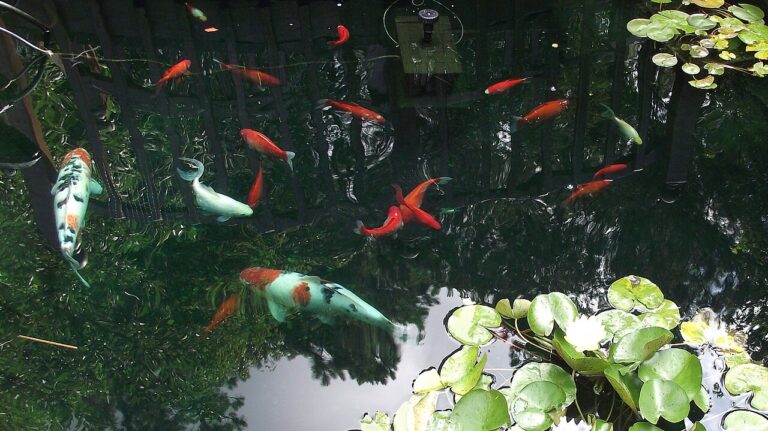
Koi are unusual in three ways. They routinely live 25 to 50 years, long enough to outlive an owner. They grow large enough to be individuals rather than a school, so keepers name them and recognize them for decades. And they were bred for a top down view, which is why the pattern on the back is what breeders select for and why koi look unremarkable from the side.
The cultural weight is real too, drawn from the legend of the carp that swam up a waterfall and became a dragon, and carried West mostly through tattoo art. The layered meanings behind each color appear in koi fish symbolism and in the conventions of the koi tattoo.
Do Koi Fish Let You Touch Them?
Yes, and this surprises new pond owners most. Koi learn to associate a person with food within weeks and will take pellets from an open hand, push against fingers and tolerate being stroked along the back. No other common outdoor pet fish does this.
Handle them sparingly anyway. Koi carry a protective slime coat that wipes off under dry hands, and the bare patch becomes an entry point for bacterial infection and ulcers. Wet your hands first, keep contact short, and never chase a fish that moves away.
What Eats Koi in a Pond?
Raccoons and great blue herons take the most koi in the United States, and both hunt in shallow water. Raccoons wade the edges at night and reach roughly 12 to 18 in (30 to 45 cm) deep. Herons stand in the shallows at dawn and swallow fish up to about 12 in whole. Kingfishers, otters, mink, large bullfrogs and free roaming cats account for most of the rest.
The defenses that work are structural: one section 3 to 4 ft deep, a shaded overhang or wide pipe to shelter in, and a steep pond edge so raccoons cannot stand. Netting stops herons but looks industrial, and a motion activated sprinkler often works as well. A koi pond does not attract snakes in any meaningful way, since North American water snakes hunt amphibians and fish far smaller than an adult koi.
Is Koi Fish Good for Home Ponds?
Only if the pond is built for them. Budget about 250 gallons per adult fish, a minimum depth of 3 ft where winters freeze, and a filter rated for double the water volume per hour. Koi produce heavy waste and dig constantly, which is why they uproot most pond plants. Water lilies survive in baskets protected with rocks; almost nothing else does.
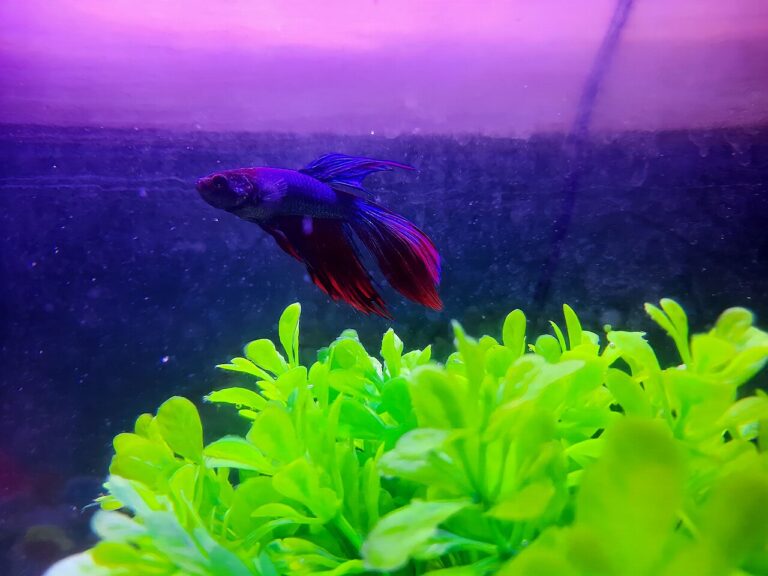
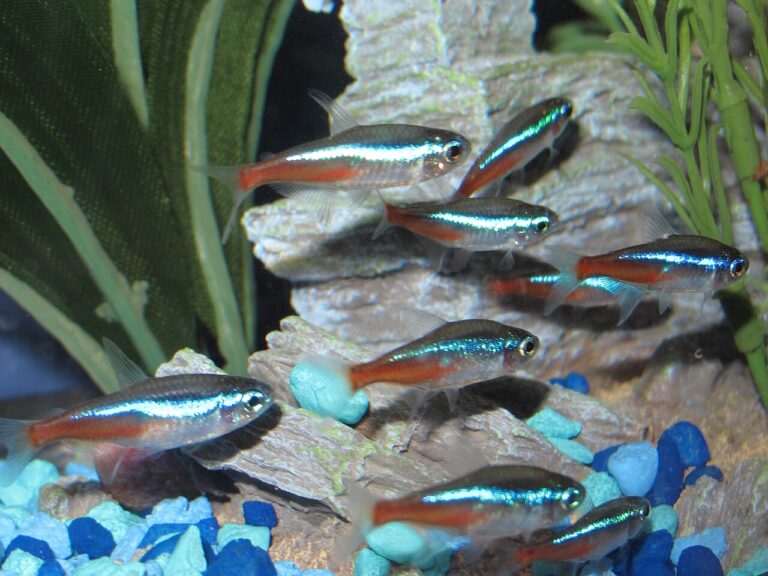
In cold climates koi overwinter in the pond, going dormant near the bottom below 50 F. Stop feeding at that point, keep a small area of surface open with a de-icer or bubbler, and leave them alone until spring. For an indoor tank koi are the wrong fish: consider butterfly koi outdoors, a koi betta in 5 gallons, or a school of tetra fish. The Smithsonian’s National Zoo keeps a public koi collection at nationalzoo.si.edu.
Frequently Asked Questions
Is koi fish edible to eat?
Koi are edible, being the same species as the carp eaten across Asia and Europe, but they are bony, muddy tasting and worth far more alive. Ornamental koi may also carry residues from pond treatments. Eating one is legal in the United States and almost never done.
How long do koi fish live?
Well kept koi live 25 to 50 years, and individuals past 70 are recorded. In home ponds lifespan is usually cut short by insufficient depth, poor filtration or predation rather than age. Depth, water volume and stable oxygen levels matter most.
Will a koi pond attract snakes?
Not significantly. Water snakes are drawn to frogs, tadpoles and small fish, not to 2 ft koi, and a pond with steep sides and little shoreline cover offers them nothing. If snakes appear, the frog population in the shallows brought them.
Do koi grow to the size of their pond?
No. Koi keep growing toward their genetic size of 24 to 36 in regardless of pond volume, and a cramped pond produces stunted, stressed, disease prone fish instead of politely small ones. Growth slows in bad conditions because the fish is unwell.