When Do Hummingbirds Leave? Fall Migration Guide
Hummingbirds leave in fall, with most departing between late August and October as daylight shortens. Northern birds head south first, and the migration moves down the continent through fall, with stragglers lingering into October and November in the South. Shortening days, not empty feeders, trigger their departure, so leaving your feeder up does not keep them from migrating. This guide covers when hummingbirds leave by region, what triggers fall migration, how long to keep feeders up, and the myth that feeders delay their departure.
| Region | Typical Departure |
|---|---|
| Canada and far north | Late August to early September |
| Northern states | September |
| Midwest and mid-Atlantic | Mid September to early October |
| Southeast and Southwest | October |
| Gulf Coast | October into November |
When Do Hummingbirds Leave?
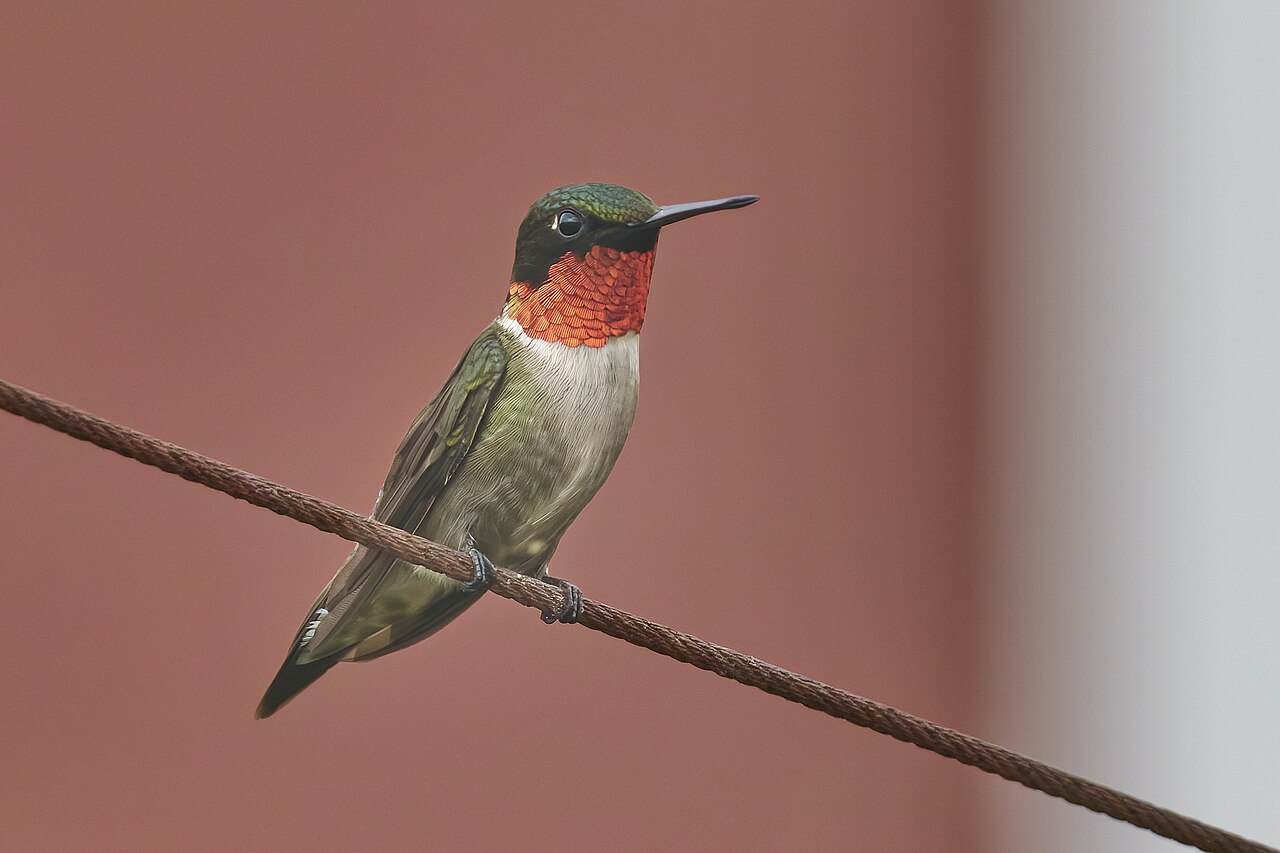
Hummingbirds depart in a fall wave that moves southward, mirroring their spring return in reverse. Birds in Canada and the far north leave first, often in late August and early September, followed by those in the northern and midwestern states through September, and southern populations into October. Along the Gulf Coast, some hummingbirds linger into November before making the long journey to Mexico and Central America, and a few individuals of certain western species even overwinter in parts of the South. Because departure tracks the shortening days moving south, the timing in your yard depends on your latitude. The Ruby-Throated Hummingbird, the eastern United States’ main species, is largely gone from northern areas by late September, as detailed in our complete hummingbird guide.
What Triggers Fall Migration
The main trigger for fall departure is the shortening length of daylight, not temperature or food supply. As days grow shorter through late summer, hummingbirds respond instinctively by feeding heavily to build fat reserves, sometimes gaining a large share of their body weight, then setting off south when their internal clock tells them to. This is why hummingbirds leave on a fairly predictable schedule each year regardless of how warm the weather stays or how full the feeders are. Adult males typically depart first, followed by females and then the young of the year, which is why you may still see hummingbirds at your feeder after the flashy males have already gone. This reliance on day length is central to understanding the feeder myth below.
Will Leaving Feeders Up Delay Migration?
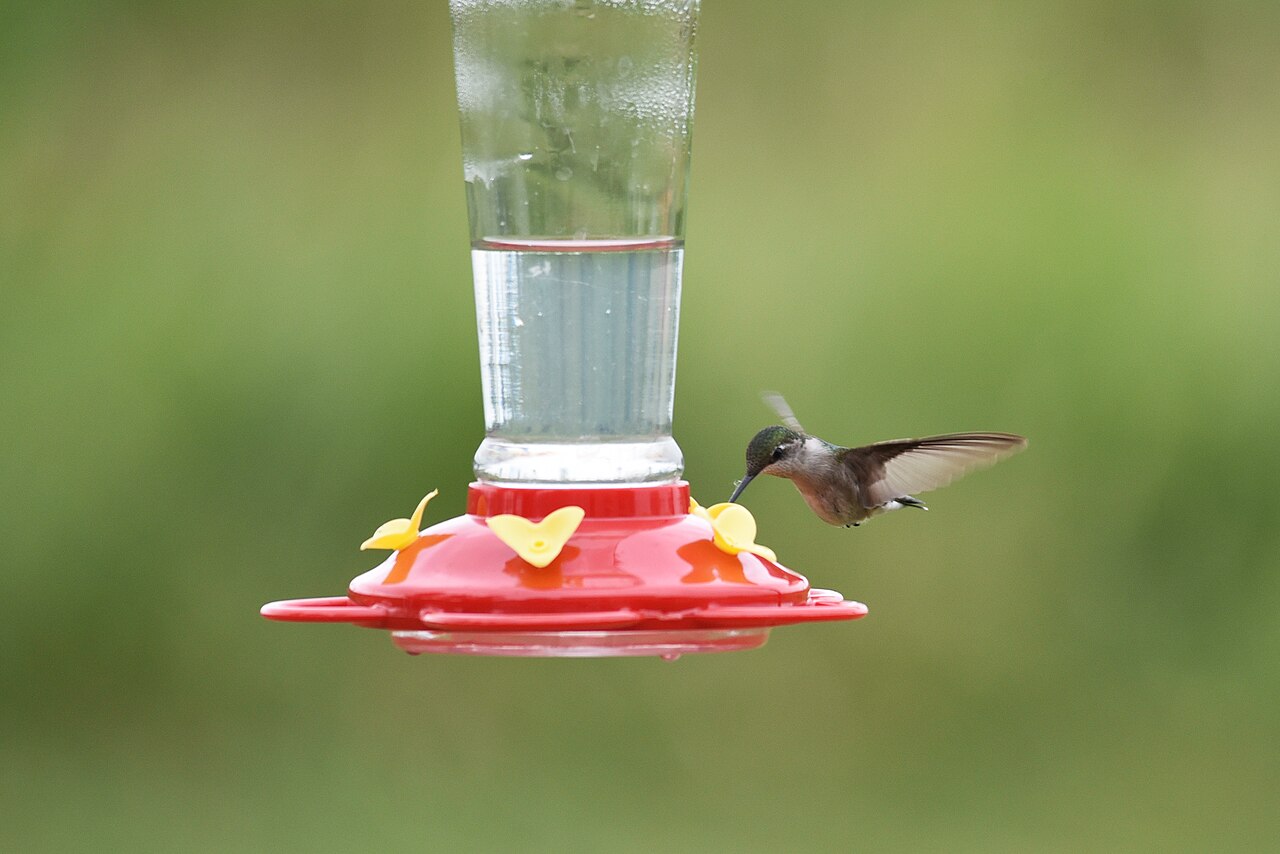
This is the most common fall hummingbird worry, and the answer is reassuring: no, leaving your feeder up will not stop hummingbirds from migrating. Because migration is triggered by day length rather than food, a healthy hummingbird will leave when its instinct says to, feeder or not. In fact, keeping your feeder up well into fall helps late migrants and birds passing through from farther north, giving them the fuel they need to continue. The old advice to take feeders down early to force birds to leave is a myth. The only hummingbirds that stay are ones that were not going to migrate anyway, such as certain western species that sometimes overwinter, and even they benefit from the food. To keep helping them, maintain fresh nectar using our hummingbird sugar water recipe.
How Long to Keep Feeders Up
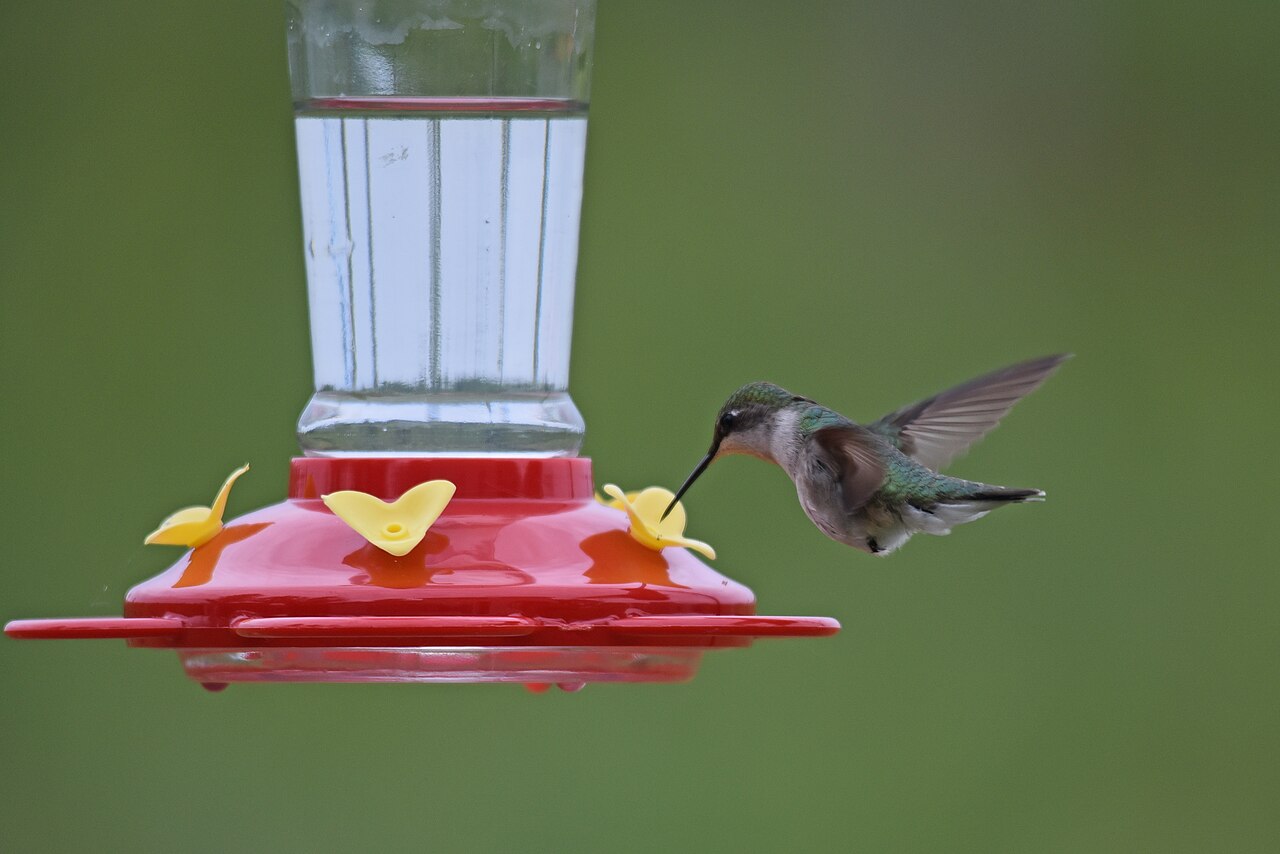
A good rule is to leave your feeder up for at least two weeks after your last sighting, and many people keep theirs out even longer into fall to catch late migrants. Since birds from farther north are still moving through after your local hummingbirds have left, a maintained feeder can be a critical refueling stop for them. Keep the nectar fresh and the feeder clean right through the end of the season, just as in summer. In the far South and along the Gulf Coast, where some hummingbirds overwinter, feeders can be kept up all year. Being generous with the timing costs little and may help a traveling hummingbird complete one of the most demanding journeys in the bird world, a fitting close to the welcome you began with our guide on how to attract hummingbirds.
How Hummingbirds Prepare for Migration
Before setting off south, hummingbirds go through an intense fueling period. In late summer they enter a phase of heavy feeding, visiting flowers and feeders almost constantly to build fat reserves, and a hummingbird may increase its body weight substantially in the days before departure to power the long journey. The Cornell Lab of Ornithology notes that the Ruby-Throated Hummingbird, weighing only a few grams, can fly nonstop across the Gulf of Mexico, a journey of hundreds of miles, fueled by this stored fat. This is why keeping feeders full and fresh in late summer and fall is so valuable, since the extra energy directly supports one of the most demanding migrations in the bird world. A reliable feeder can make a real difference to a bird preparing to travel.
Should You Worry About Late Hummingbirds?
Seeing a hummingbird later than usual in fall is generally nothing to worry about. Late birds are often young of the year or migrants passing through from farther north, and they benefit greatly from a maintained feeder. In most cases they will move on when ready. The rare hummingbird that lingers into late fall or winter, particularly in the South, may be one of the western species that sometimes overwinter in the region, and keeping a feeder up helps it rather than harms it. If you ever have concerns about a hummingbird that seems unable to leave, a local wildlife rehabilitator or birding group can advise. For the full welcome that keeps hummingbirds coming, see our guide on how to attract hummingbirds and our complete hummingbird guide.
What to Do After Hummingbirds Leave
Once your hummingbirds have gone for the season, a little end-of-season care sets you up for next spring. Take down your feeder after you are confident no more migrants are passing through, usually a couple of weeks past your last sighting, and give it a thorough cleaning before storing it, disassembling all parts and washing away any residue or mold so it is ready to use again. Note the date you saw your last hummingbird, since these records help you time your feeder next spring. Then look forward, because the same birds may well return to your yard next year. Planning nectar plants over the winter, as in our guides to attracting hummingbirds, means an even warmer welcome awaits them when they come back.
Where Do Hummingbirds Go for Winter?
When hummingbirds leave in fall, most head to Mexico and Central America, where warm weather keeps flowers blooming and insects plentiful through the northern winter. The Ruby-Throated Hummingbird of the eastern United States winters largely in southern Mexico and Central America, with many making a remarkable nonstop flight across the Gulf of Mexico to get there. Western species travel to Mexico as well, and some winter along the southern edges of the United States. These tiny birds cover enormous distances for their size, guided by instinct and daylight, then reverse the journey each spring. Understanding where they go makes their fall departure less of a loss and more of a wonder, and it explains why keeping feeders up for late migrants matters so much.
Do Hummingbirds Come Back to the Same Place?
Yes, hummingbirds show strong loyalty to good locations and frequently return to the same yards year after year. A bird that found your feeder and garden dependable one season may well be among the first arrivals the next spring, sometimes appearing right where the feeder used to hang. This site fidelity is one of the most rewarding aspects of hosting hummingbirds, since your consistency from year to year genuinely builds a relationship with returning birds. It is a strong reason to keep your setup in the same reliable spot each season, so the hummingbirds that leave your yard in fall can find their way back to it the following spring.
Frequently Asked Questions
When do hummingbirds leave in fall?
Most leave between late August and October as daylight shortens. Northern birds depart first, and the wave moves south, with stragglers lingering into October and November in the South.
What triggers hummingbirds to migrate south?
The shortening length of daylight is the main trigger, not temperature or food. Hummingbirds feed heavily to build fat, then leave when their internal clock signals it is time.
Will leaving my feeder up keep hummingbirds from migrating?
No. Migration is driven by day length, so a healthy hummingbird will leave on schedule regardless of feeders. Keeping a feeder up actually helps late migrants refuel.
How long should I keep my hummingbird feeder up?
At least two weeks after your last sighting, and longer is better to help late migrants passing through from farther north. In the far South, feeders can stay up all year.
Do all hummingbirds leave for winter?
Most do, migrating to Mexico and Central America, but some western species overwinter in parts of the South, and a few individuals linger where food remains available.
Which hummingbirds leave first?
Adult males usually depart first, followed by females and then the young of the year, so you may see hummingbirds after the males have already gone.
Should I take my feeder down to make hummingbirds leave?
No. That is a myth. Hummingbirds leave based on day length, and removing feeders only deprives late migrants of food they need for the journey.