Axolotl Symbolism: Spiritual Meaning, Omens and Dreams
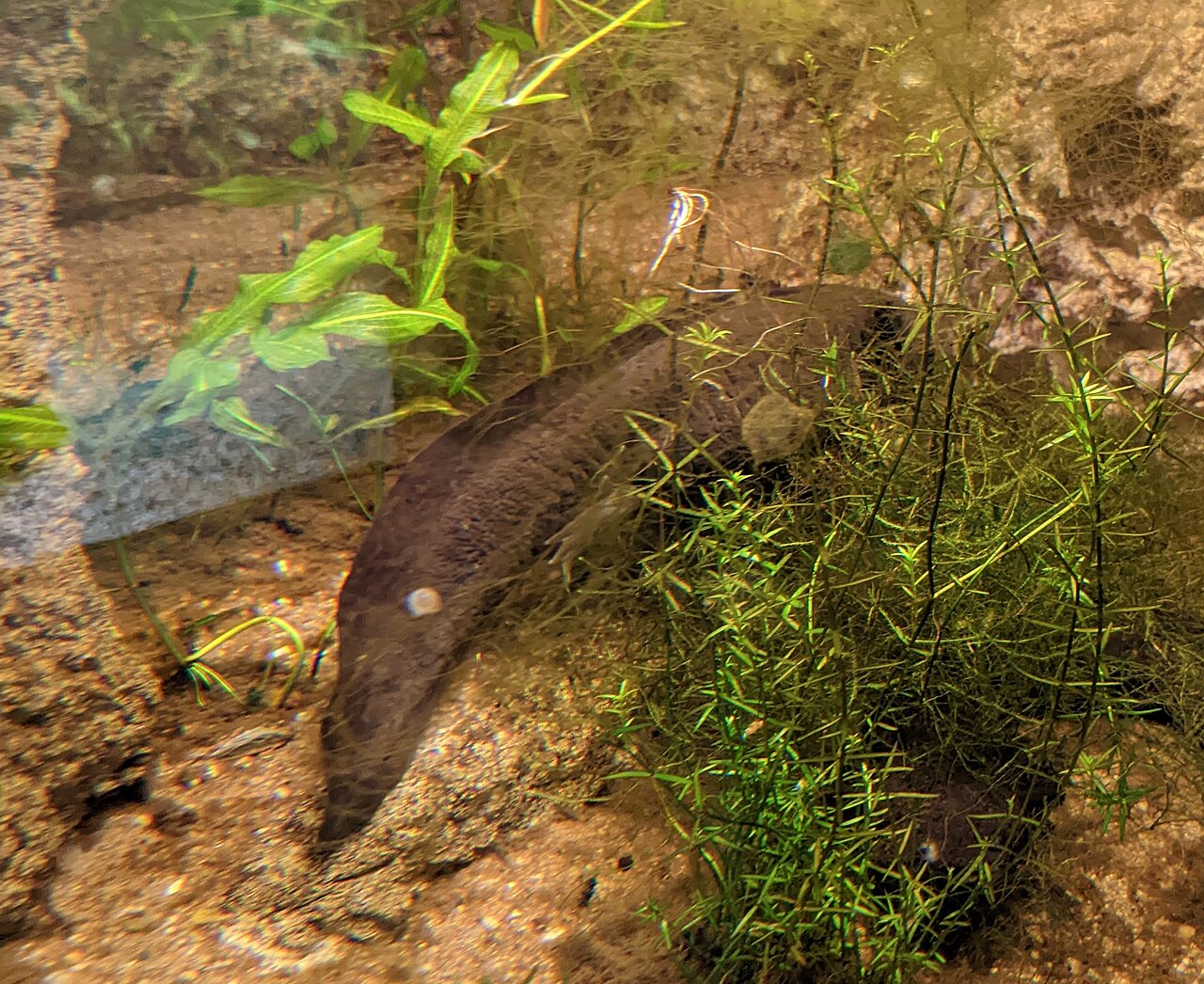
Seeing an axolotl is read in most traditions as a sign of regeneration: the message is that something you thought was lost can grow back. Axolotl symbolism is unusually consistent across sources because the animal itself does one remarkable thing, regrowing limbs, spinal cord and parts of its heart and brain, and every belief system that met it built its meaning around that.
The second theme is staying unfinished on purpose. An axolotl never completes metamorphosis. It keeps its feathery gills and stays in the water its whole life, breeding as what looks like a larva. In symbolic terms that is read as permission to remain in a stage others want you to leave, and as a reminder that maturity is not the only measure of a life. Below is what the axolotl means in each tradition that claims it, what it is said to mean in specific situations, and where the popular readings part company with what the historical record actually says.
The axolotl symbolizes regeneration, healing and staying true to an unfinished stage of life. In Aztec belief it is tied to the god Xolotl, twin of Quetzalcoatl, who hid from sacrifice by becoming an axolotl, making it a symbol of transformation, escape from death and the refusal to be forced into a final form.
What does an axolotl symbolize spiritually?
Spiritually, the axolotl is a symbol of regeneration without loss of self. Unlike the butterfly or the frog, which are read as emblems of total transformation, the axolotl heals and renews while staying exactly what it is. People who work with animal symbolism tend to use it for recovery after illness, after burnout or after a long grief, where the goal is to become whole again rather than to become someone new.
A second reading comes from the smile. The axolotl’s mouth curves upward because of the shape of its jaw, not because of any mood, but the perpetual grin has made it a modern symbol of lightness held through difficulty. A third, darker reading comes from its status in the wild: critically endangered in its only natural home, it is used as a symbol of fragility and of what disappears while nobody is watching.
What is the Aztec myth about the axolotl?
In Aztec belief the axolotl is Xolotl, the dog headed god of fire, lightning, twins and the evening star, and the twin brother of Quetzalcoatl. The best known version of the story says the gods agreed to sacrifice themselves to set the fifth sun in motion. Xolotl refused, fled, and escaped by shifting shape, first into a maize plant with two stalks, then into a double leafed maguey, and finally into a salamander in the water of Lake Xochimilco.
The name carries the story. In Nahuatl, atl means water and xolotl is usually glossed as monster or servant, so axolotl is commonly translated as water monster or water dog. In most tellings Xolotl is caught and sacrificed in the end, which gives the axolotl a layered meaning: a creature of escape that does not finally escape, holding transformation and death in the same figure. The Smithsonian’s National Zoo keeps the species as part of its conservation work and treats that cultural history as part of the animal’s record.
Axolotl symbolism in Mexican and Native American traditions
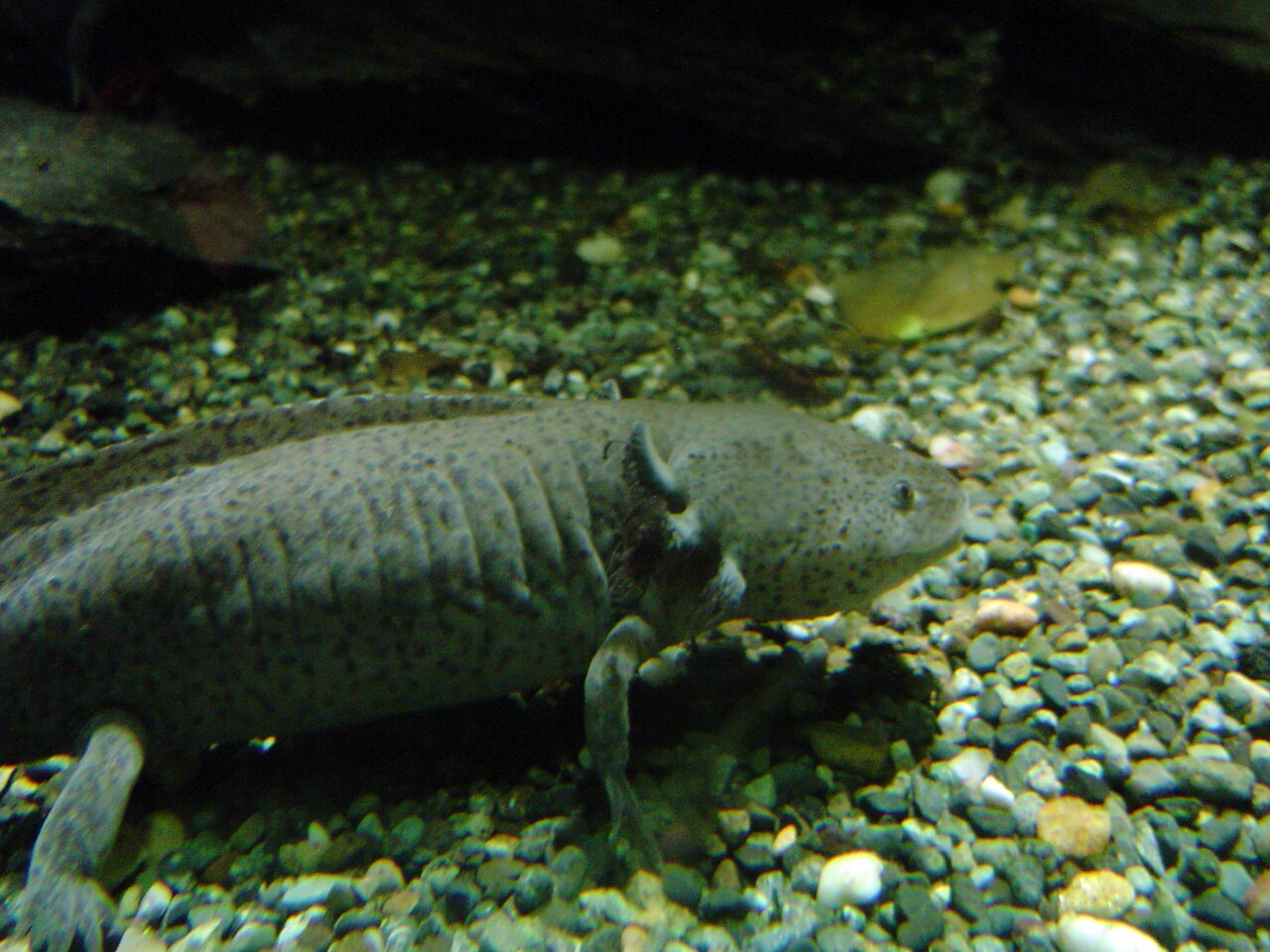
Living Mexican folk belief keeps the axolotl close to water, healing and the chinampas of Xochimilco, where the species survives. It has long been used in traditional remedies, and the animal is tied to the idea that the lake itself heals. In contemporary Mexico it has also become a national symbol of ecological loss, which is a modern meaning rather than an inherited one, and the clearest sign that symbolism keeps being written.
It is worth being accurate about the Native American claim often attached to this animal. The axolotl is endemic to the Valley of Mexico and has no natural range in the United States or Canada, so the detailed “Native American axolotl totem” readings that circulate online have no documented basis in any specific northern nation. What is real is the Nahua tradition described above. Nearby peoples honored the closely related tiger salamander, which is sometimes read in Plains traditions as a creature of water and renewal, and the two animals often get merged in retellings.
Christian and biblical symbolism of the axolotl
The axolotl appears nowhere in the Bible, which is unsurprising for an animal confined to two lakes in central Mexico. Christian readings of it are modern and interpretive rather than scriptural, and anyone presenting them as biblical teaching is overstating the case.
Within that limit, the readings that Christian writers do offer are consistent. Regeneration is taken as an image of resurrection and of restoration after sin, drawing on the promise in Joel that the years the locusts ate will be restored. Water, here as elsewhere in Christian symbolism, is read as baptism and as new life. Some commentators go further and read the animal’s refusal to metamorphose as a picture of childlike faith, the state the Gospels commend rather than a failure to mature.
Celtic and East Asian symbolism
Celtic tradition has no axolotl, but it has a well developed salamander and water creature symbolism that is often borrowed for it. In Celtic belief the salamander was associated with fire and with surviving what should destroy you, and wells and still water were thresholds to the otherworld. Read through that lens, an axolotl sighting is interpreted as a message arriving from under the surface, from a part of life that is usually out of view.
In Chinese and Japanese tradition the axolotl is a recent arrival, but it has been absorbed into existing water symbolism. It is often grouped with the salamander and the newt as creatures of yin, of moisture, patience and quiet persistence, and in Japan the related giant salamander, the hanzaki, is a protected animal with its own folklore of longevity. Modern Japanese culture has added the gentler layer: the axolotl as a figure of harmlessness and calm.
The axolotl as a spirit animal, totem and omen
People who keep the axolotl as a spirit animal describe it as a guide for repair rather than for action. In that framing the axolotl spirit animal turns up during recovery, after surgery, after a breakup or at the end of a long stretch of overwork, and the counsel attached to it is to stop forcing progress and let the regrowth happen at its own speed.
As a totem it is said to belong to people who stay deliberately undefined, who resist being pushed into a single adult role, and who do their best work in environments others find too slow. As an omen it is almost always read as favorable, and the few negative readings attach to a dead or sickening animal, which is interpreted as a warning about a situation that is draining you rather than as a prediction. Compare how differently a water predator is read in alligator symbolism and crocodile symbolism, where the message is about patience and threat rather than repair.
What it means to see an axolotl, situation by situation
Because the axolotl is not an animal anyone meets by chance outside Mexico, most sightings are in a tank, in art or in a dream, and each is given its own reading. The table sets out the meanings most often attached to each.
| Situation | Traditional or popular reading |
|---|---|
| Seeing one in an aquarium | An invitation to slow healing in a protected space |
| Seeing one in the wild in Xochimilco | A rare blessing, tied to the survival of something fragile |
| The image appearing repeatedly | A part of you is asking to regrow rather than be replaced |
| Finding one dead | A warning that a situation is depleting you, not a death omen |
| Seeing one smiling at you | Encouragement to keep lightness while things are hard |
| An axolotl given as a gift | Read as the giver wishing you recovery and protection |
What it means to dream about an axolotl
Dream readings follow the waking symbolism closely. An axolotl in clear water is usually interpreted as healing already under way, often faster than the dreamer believes. An axolotl in murky or shrinking water is read as a warning about the environment you are healing in, meaning the job, the household or the relationship rather than the body.
A dream of an axolotl regrowing a limb is the most direct form of the symbol and is taken as a message that a loss is reversible. Holding an axolotl in a dream is read as taking responsibility for something fragile. A dream in which the animal is pulled from the water is read as a warning against forcing a process to finish before its time, because an axolotl out of water cannot breathe. Dreams of a watcher at a window are read differently again, as in crow symbolism.
Axolotl tattoo meaning and what the symbol asks of you
An axolotl tattoo is usually chosen to mark survival and recovery: after illness, after addiction, after a loss that the wearer has come back from. The regeneration reading does most of the work, and the smile adds the second layer of carrying it lightly. A Xolotl or Aztec styled design adds the Mexican heritage meaning and the association with twins, so it is a common choice for twins and for siblings.
Whatever the tradition, the practical content of the symbol is the same. It asks for patience with slow repair, honesty about what stage you are actually in, and attention to the water you are sitting in, because the axolotl’s real world story is that the animal is fine and the lake is not. For animals read as messengers rather than healers, see crane symbolism and bat symbolism.
Frequently Asked Questions
What does an axolotl symbolize spiritually?
Regeneration, healing and staying whole through change. Because the axolotl regrows limbs and never completes metamorphosis, it is read spiritually as recovery without loss of identity, and as permission to remain in an unfinished stage of life. In Aztec belief it also carries transformation and escape from death through the god Xolotl.
What is the Aztec myth about the axolotl?
The god Xolotl, twin of Quetzalcoatl, refused to be sacrificed so the fifth sun could move. He fled and changed shape, into a double stalked maize plant, then a double maguey, and finally into a salamander in Lake Xochimilco. Most versions end with him caught and sacrificed anyway, which gives the animal its double meaning.
What powers does an axolotl have?
Biologically, the axolotl regrows amputated limbs, tail, jaw, spinal cord and parts of the heart and brain, with no scarring, and it stays in its larval form for life. Symbolically those same traits are read as powers of healing, renewal, resistance to forced change and survival in a shrinking world.
Why are axolotls so special?
Axolotls are special because they combine the strongest regeneration known in a vertebrate with permanent neoteny, meaning they breed while still looking like larvae. They also live in only one place on earth, the canals of Xochimilco, where they are critically endangered. Rare biology plus near extinction is why the symbolism is so loaded.
Why can’t we touch axolotls?
Axolotls have soft, permeable skin and delicate external gills with no protective scales, so handling strips their slime coat and can injure the gills outright. They are also almost entirely cartilage rather than bone as juveniles. The practical rule for keepers is to move them with a soft net or a container of their own water, never with dry hands.
What is the lifespan of an axolotl?
In captivity axolotls usually live 10 to 15 years, with 20 years reported in well kept tanks. Wild lifespans are shorter and poorly documented because the remaining population in Xochimilco is tiny. Diet matters a great deal to that span, which is covered in our guide to what axolotls eat.