Pink Salamander: 7 US Species and How to Tell Them Apart
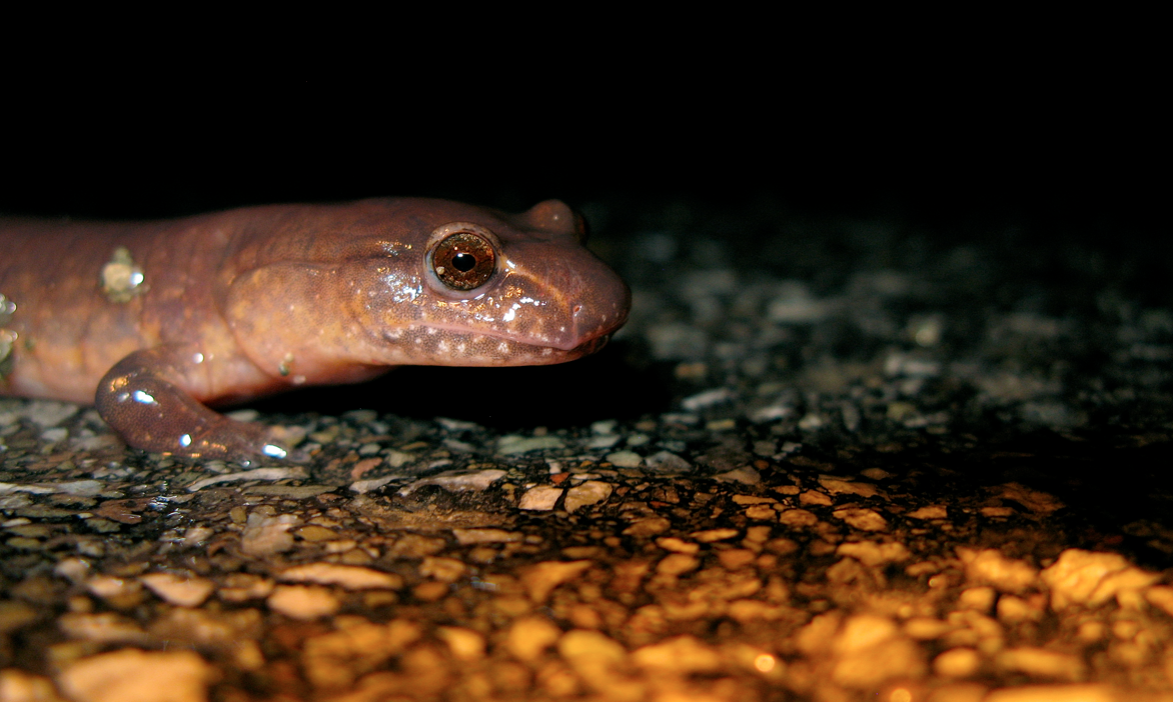
A pink salamander is almost always one of a handful of North American species that are naturally salmon, coral or flesh colored, and none of them is dangerous to handle briefly. The most commonly reported pink salamander in the United States is the spring salamander (Gyrinophilus porphyriticus), a stout stream amphibian that ranges from pale salmon to brick red. Red salamanders, red efts and two cave dwelling blind species round out the list.
Color alone will not finish an identification, because several of these species overlap in range and shade. What separates them is the eye line, the spotting pattern, the habitat and the body shape. This guide walks through the seven pink salamanders you are realistically looking at in the US, what each one actually looks like in the hand, and how to tell the two most confusing species apart.
Pink salamanders in the United States are usually spring salamanders, red salamanders, mud salamanders, juvenile eastern newts or one of two pale cave species. None of them bites hard enough to break skin and none is venomous, though all secrete mild skin toxins, so wash your hands after handling and never handle them with dry skin.
| Species | Shade of pink | Adult length | US range | Safe to handle? |
|---|---|---|---|---|
| Spring salamander | Salmon to brick red | 4.7 to 7.5 in (12 to 19 cm) | Appalachians, Maine to Alabama | Yes, briefly |
| Red salamander | Bright coral red | 4 to 6 in (10 to 15 cm) | East of the Mississippi | Yes, briefly |
| Mud salamander | Dull salmon to rose | 3 to 6 in (8 to 15 cm) | Coastal plain, NJ to LA | Yes, briefly |
| Red eft (eastern newt) | Orange pink | 1.4 to 3.4 in (3.5 to 8.6 cm) | Eastern US | Yes, but most toxic skin |
| Texas blind salamander | Translucent pinkish white | 3 to 5 in (8 to 13 cm) | Edwards Aquifer, TX | Protected, do not handle |
| Georgia blind salamander | Pinkish white | 2 to 3 in (5 to 8 cm) | FL and GA aquifers | Protected, do not handle |
| Axolotl (captive) | Pale pink, leucistic | 9 to 12 in (23 to 30 cm) | Pet trade only | Yes, but avoid handling |
Is a Pink Salamander Poisonous or Dangerous to Touch?
No pink salamander in the United States is venomous, and none of them can deliver a meaningful bite. Their teeth are tiny pegs built for gripping worms and insect larvae, not for defense. The safety question is really about skin, in both directions.
Every species on this list produces mild toxins from granular glands in the skin, which taste foul to a predator and can irritate your eyes or an open cut. The red eft stage of the eastern newt carries tetrodotoxin, the same class of compound found in pufferfish, though in quantities far below what matters through intact skin. Eat one and you would be in trouble. Hold one and then rub your eye, and you get a burning that lasts an hour.
The bigger risk runs the other way. Salamanders breathe partly through their skin, and a hand coated in soap residue, sunscreen or insect repellent can injure or kill one. If you must pick one up, wet your hands in the same stream the animal came from, keep it low to the ground, and put it back where you found it. The same rule applies to the pink frogs and leucistic amphibians people turn up in the same habitats.
Can a Salamander Be Pink?
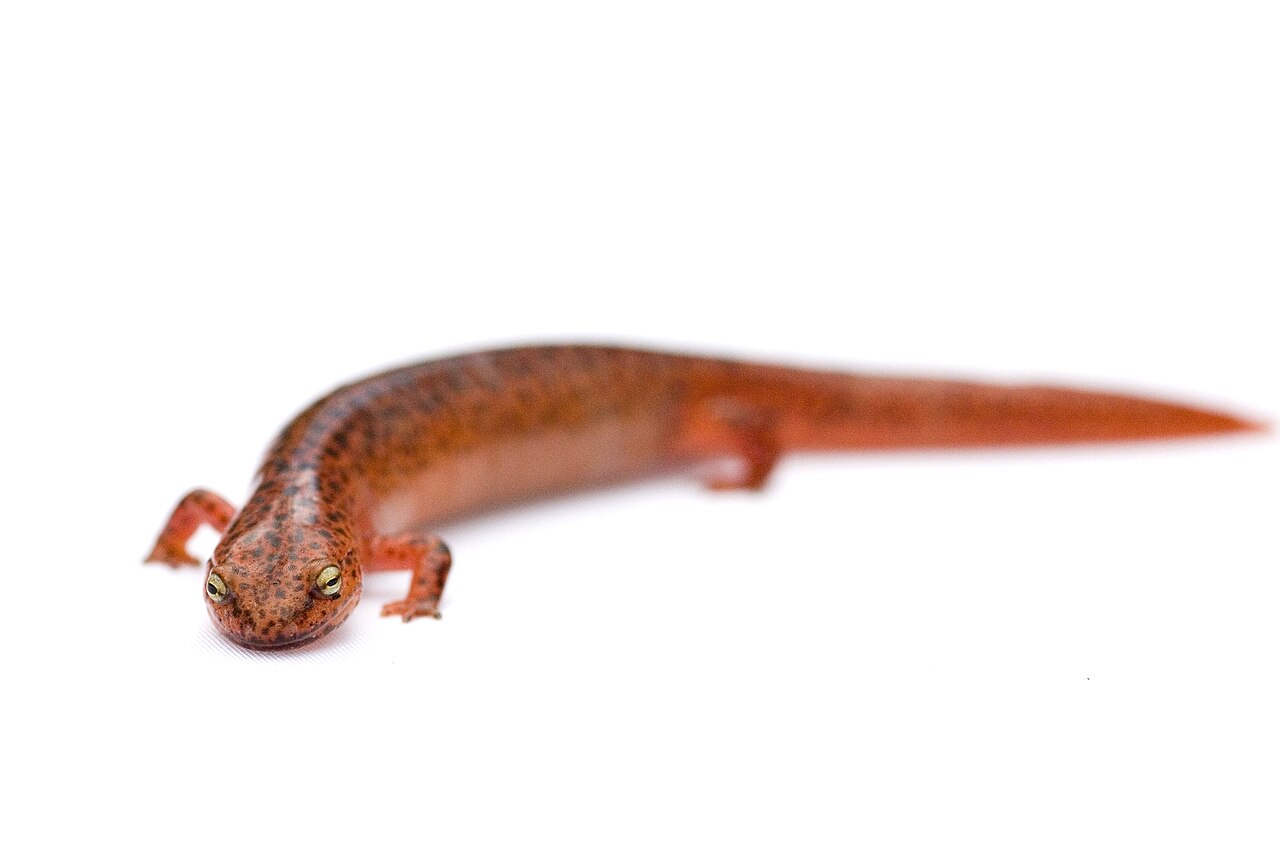
Yes, and in several species pink is the normal adult color rather than a mutation. The pigment comes from carotenoid based chromatophores in the skin, the same family of pigments that makes flamingos pink, layered over a light base. In spring salamanders and red salamanders the result is a salmon to coral ground color that shifts with age, with older animals usually duller and more heavily clouded.
Pink also shows up for two reasons that have nothing to do with pigment. Cave species such as the Texas blind salamander have almost no pigment at all, so their pink is blood showing through translucent skin. Captive bred axolotls sold as pink are leucistic, a genetic condition that strips pigment cells but leaves the eyes dark or the gills red.
A fourth path is injury or illness. A salamander that looks blotchy pink with raw patches, rather than evenly colored, may have a bacterial or fungal infection. That animal needs to be left alone, not photographed in your hand.
What Is a Pink Salamander Called?
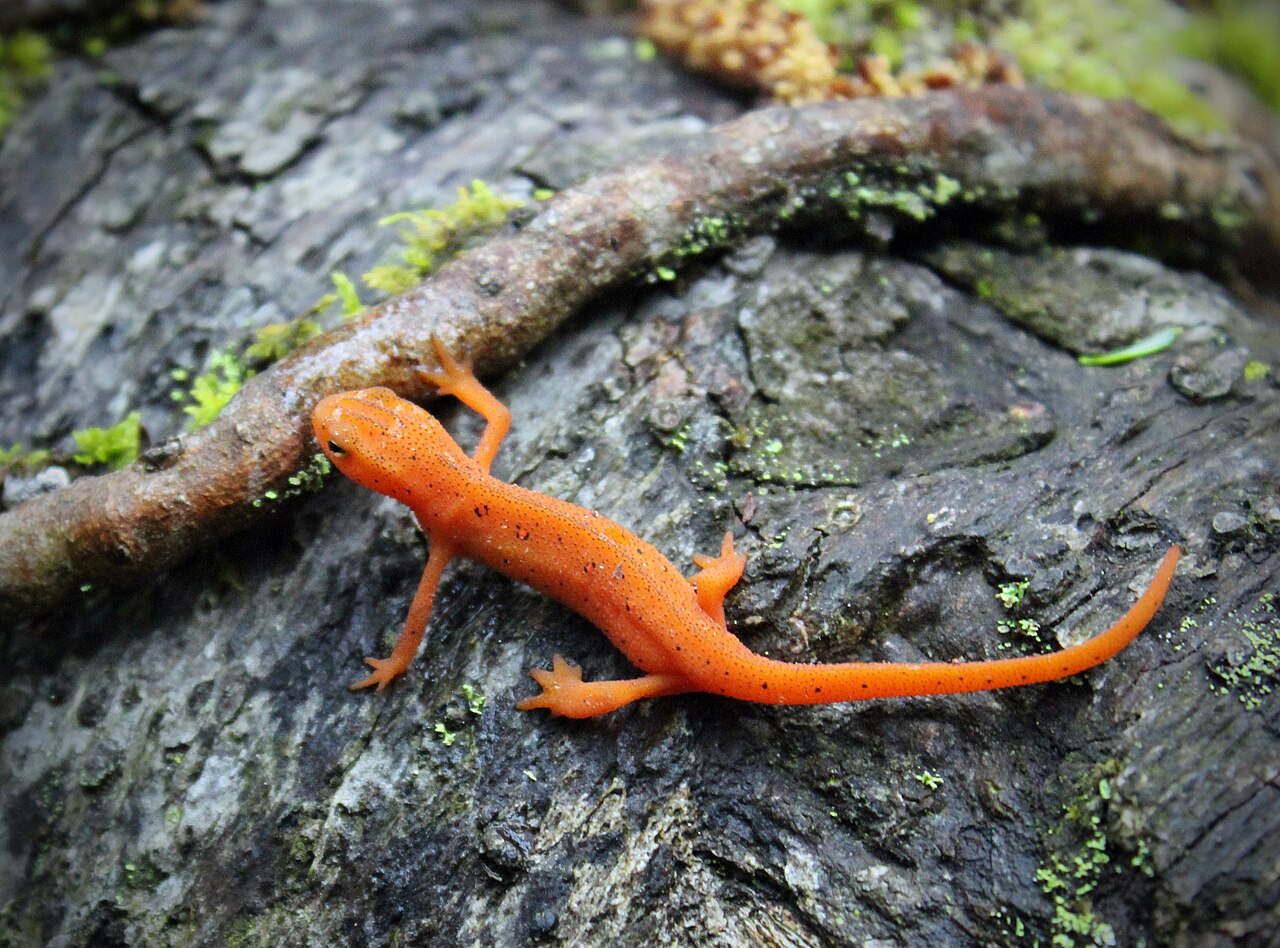
There is no single species named the pink salamander. The name is a search term rather than a field name, and it maps onto four or five different animals depending on where you are standing. In New England and the central Appalachians, a pink salamander found in or beside a cold stream is nearly always a spring salamander. In the Piedmont and the southern mountains it is more often a red salamander.
On a damp forest trail in late summer, a small bright pink animal walking in the open in daylight is a red eft, the land stage of the eastern newt. In Texas and Florida, pink salamanders are cave and aquifer specialists that almost nobody sees without a permit. And online, half the pink salamander photographs circulating are leucistic pet axolotls, which do not live wild anywhere in the United States.
Spring Salamander: The Most Common Pink Salamander in the US
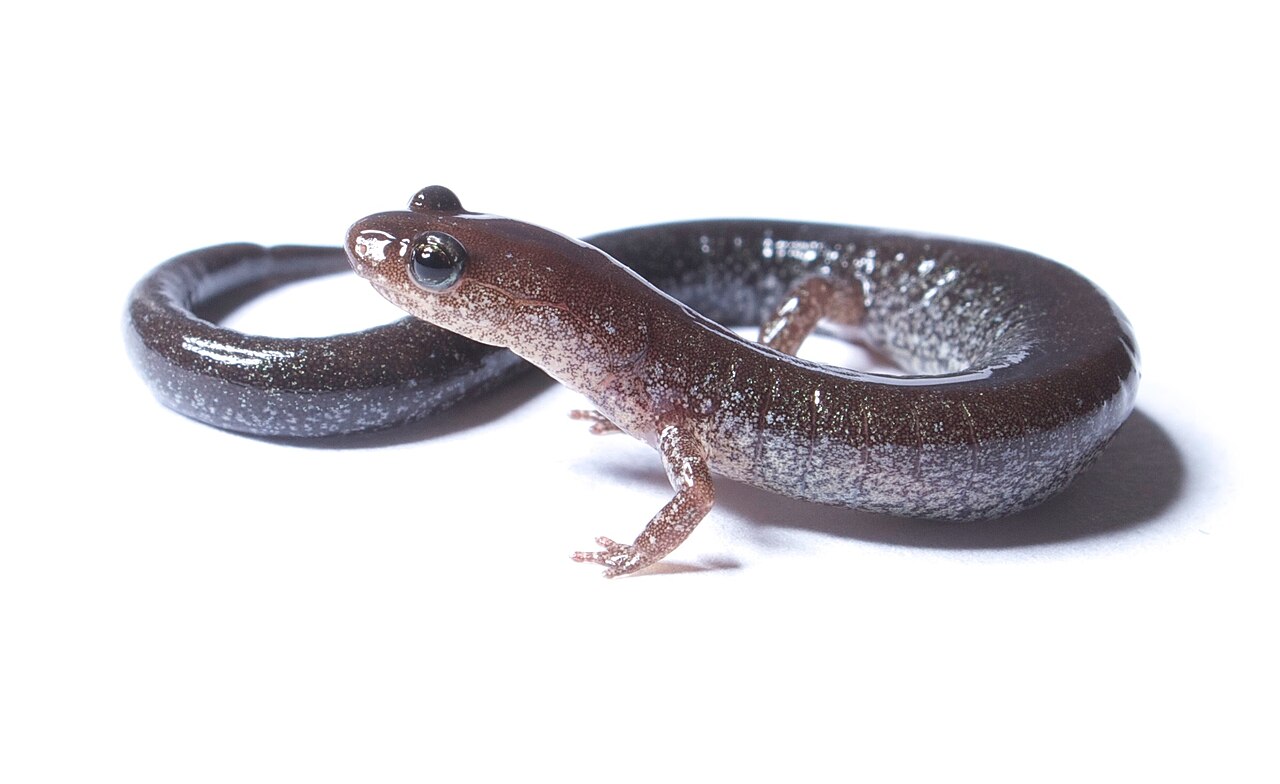
The spring salamander (Gyrinophilus porphyriticus) is the species most people mean. Adults run 4.7 to 7.5 in (12 to 19 cm), making them one of the largest lungless salamanders in the East, and the ground color ranges from pale salmon through pink to brick red with a faint mottling of darker flecks.
The field mark that settles it is a light line running from the eye to the nostril, bordered below by a thin dark edge. No other pink species in its range has that canthal line. The body is noticeably chunky, the tail is keeled along the top, and the snout looks squared off from above rather than rounded.
Look for them in cold, clean, high gradient streams and seepages in the Appalachian chain from Maine to northern Alabama, usually under flat rocks at the water edge. They are nocturnal, they eat other salamanders including their own young, and they are reliable indicators of good water quality. Like the black salamanders of the West Coast, they are strictly lungless and absorb oxygen through skin and mouth lining.
Red Salamander: Coral Pink With Black Freckles
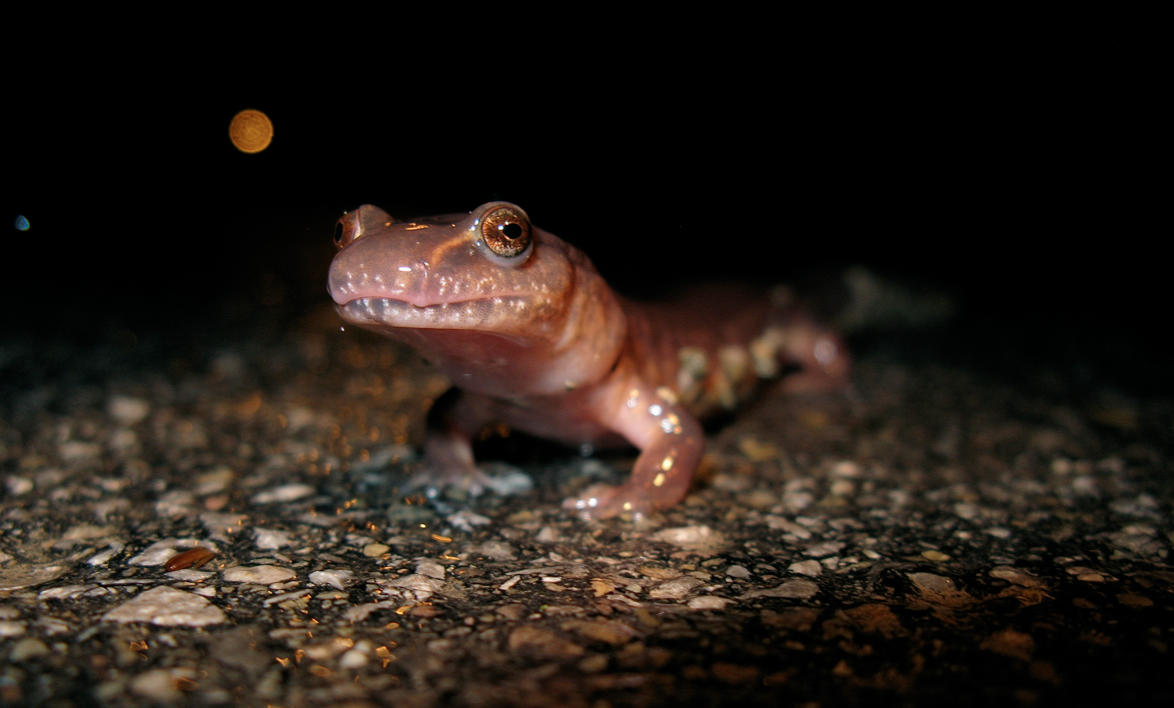
The red salamander (Pseudotriton ruber) is the one most often mistaken for a spring salamander. Young adults are an intense coral red to pink, speckled with small, irregular black dots that look scattered rather than arranged. Adults reach 4 to 6 in (10 to 15 cm) and get darker and purplish with age until the spots merge.
Two features separate it. The eye is golden or yellow with a dark pupil, noticeably brighter than the spring salamander eye, and there is no light line from eye to nostril. The snout is also blunter and shorter.
Red salamanders occupy a wider range of water than spring salamanders, including springs, muddy seeps, meadow brooks and the edges of swamps across the East. They are more tolerant of warmer, slower water, which is why you can find them in farmland where spring salamanders have long since disappeared.
Mud Salamander: The Coastal Plain Look Alike
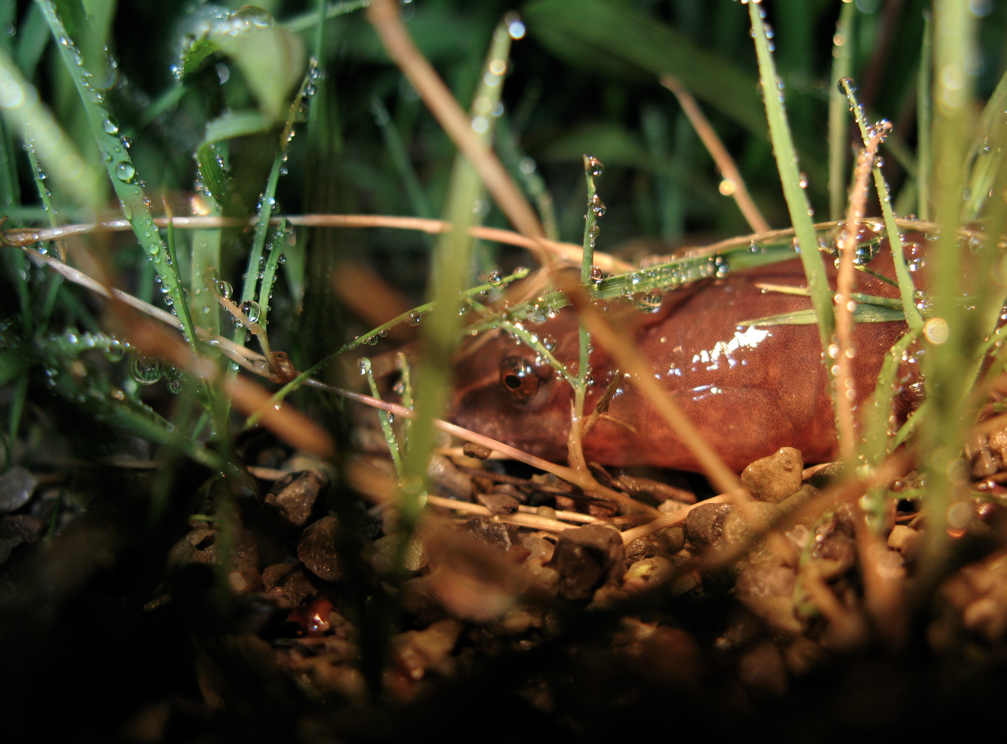
The mud salamander (Pseudotriton montanus) is the red salamander’s dull cousin, running 3 to 6 in (8 to 15 cm) with a rose to salmon ground color and fewer, rounder black spots. Its eyes are brown rather than gold, which is the quickest separation in the field.
It lives in muddy seepages, floodplain springs and swamp edges on the Atlantic and Gulf coastal plains from New Jersey to Louisiana, and it burrows far more than its relatives. Most records come from people turning over debris in wet bottomland rather than from stream searches.
Because it is secretive and locally uncommon, a confident mud salamander identification usually needs a photograph of the head showing eye color and spot shape. Several state wildlife agencies track sightings, and a clear photograph with a location is genuinely useful data.
Red Eft: The Pink Salamander Walking in Daylight
If you see a small bright pink or orange salamander strolling across a trail in the open on a humid afternoon, it is a red eft, the juvenile land stage of the eastern newt (Notophthalmus viridescens). Efts are 1.4 to 3.4 in (3.5 to 8.6 cm), with rough dry looking skin and a row of black ringed red spots down each side.
That daylight boldness is the point. The eft is the most chemically defended amphibian in eastern forests, carrying enough tetrodotoxin in its skin to make a bird or a shrew violently ill, and its color is a warning rather than camouflage. It spends two to seven years on land before returning to a pond as a greenish brown adult with a flattened tail.
Efts are common after summer rain across the eastern United States and southeastern Canada. They are the pink salamander most children find, and they are the one to wash your hands after, especially before eating. The same aposematic logic shows up in brightly colored insects like the pink crab spiders that sit exposed on flowers.
Texas Blind Salamander: Pink Because It Has No Pigment
The Texas blind salamander (Eurycea rathbuni) is a federally endangered aquifer specialist that lives only in the water filled caves of the Edwards Aquifer near San Marcos, Texas. It is 3 to 5 in (8 to 13 cm) long, translucent pinkish white, with blood red external gills, spindly legs and two dark dots where eyes would be.
Its pink is the color of blood and muscle seen through unpigmented skin. In total darkness there is no selective pressure to make melanin, so the species lost it, along with functional eyes. It hunts by detecting water pressure waves from tiny invertebrates.
You will not find one on a hike. The species is protected under the Endangered Species Act, access to its habitat is restricted, and the only legal viewing is at the San Marcos Aquatic Resources Center. The U.S. Fish and Wildlife Service maintains the recovery plan for the population.
Georgia Blind Salamander: A Second Pale Cave Species
The Georgia blind salamander (Eurycea wallacei) occupies the Floridan Aquifer in southwestern Georgia and the Florida panhandle, and looks like a smaller, stubbier version of the Texas species at 2 to 3 in (5 to 8 cm). The body is pinkish white to pale lavender with visible red gills.
It is the only other truly pink wild salamander in the southeastern US, and it is equally inaccessible, known mostly from a few dozen caves and well shafts. State and federal agencies list it as threatened, and groundwater contamination is the central concern.
The practical takeaway for identification is simple. If a pale pink salamander with feathery red gills turns up in a well, a spring run or a pumped water system in Florida or south Georgia, it is worth reporting to the state wildlife agency rather than keeping.
Pink Axolotl: Common in Photos, Absent From US Streams
The axolotl (Ambystoma mexicanum) is a salamander, specifically a mole salamander that never completes metamorphosis and keeps its gills and aquatic life for its whole life. The pink ones sold in pet shops are leucistic, a captive bred color morph with pale pink skin, dark eyes and red gills.
Wild axolotls are critically endangered and live only in the remnants of Lake Xochimilco in Mexico City, where the wild population is estimated in the dozens to low hundreds. So the honest answer to how rare it is to see an axolotl is that seeing a wild one is close to impossible, while seeing a captive one is easy. The species is one of the most common amphibians in laboratories and home aquariums.
You cannot touch axolotls safely the way you might briefly cup a newt. Their skin is largely cartilage and mucus with no protective scales, their gills tear easily, and human hand oils strip the mucus layer that protects them from infection. Handling is stressful and physically damaging, which is why keepers net them instead. Unlike the pink iguana of the Galapagos, the axolotl is not rare in captivity, only in the wild.
Spring Salamander vs Red Salamander: How to Tell Them Apart
These two account for most misidentifications, and both can look identical in a bad photograph. Work through the head.
| Feature | Spring salamander | Red salamander |
|---|---|---|
| Eye to nostril line | Present, light with dark border | Absent |
| Eye color | Dull, grayish | Bright gold or yellow |
| Spotting | Fine clouding or flecks | Distinct small black dots |
| Snout | Squared off, longer | Blunt, short |
| Typical habitat | Cold, fast mountain streams | Springs, seeps, slow brooks |
| Tail | Keeled along the top | Rounded, shorter |
If the photograph shows only the back, fall back on habitat. A pink salamander from a cold, rocky, high elevation stream with a steep gradient is far more likely to be a spring salamander. One from a warm, muddy spring box in farm country is almost certainly a red salamander.
Where You Are Most Likely to See a Pink Salamander
Timing matters more than location. Spring and red salamanders are nocturnal and spend daylight hours under rocks or in burrows, so flipping streamside stones at dusk on a warm, wet night produces far more sightings than a midday hike. Replace every rock exactly as you found it, face down, or you destroy the microhabitat.
Red efts break that rule and move in full daylight after rain, especially in late summer in the Appalachians and New England. The hours just after a warm summer downpour are the single best window for seeing a pink salamander in the US without any special effort.
Keep in mind that several states regulate collection and that all amphibians can carry chytrid fungus between watersheds on wet boots and gear. Rinse and dry equipment between streams. If you are tracking color variants across groups, the same seasonal and nocturnal logic applies to blue salamanders and to the oddly colored pink birds that share these wetland edges.
Frequently Asked Questions
How rare is it to see an axolotl?
Seeing a wild axolotl is nearly impossible, since the species survives only in a few canals of Lake Xochimilco in Mexico City with an estimated wild population in the dozens to low hundreds. Captive axolotls, by contrast, are abundant in labs, aquarium shops and home tanks worldwide.
Why can’t you touch axolotls?
Axolotls have no scales and no protective outer skin layer, only a thin mucus coating over cartilage and delicate external gills. Human hand oils and soap residue strip that mucus and open the animal to infection, and the gills tear easily. Handling causes measurable stress, so keepers move them with soft nets.
Can I buy axolotls at Petco?
Petco and PetSmart do not consistently stock axolotls, and availability varies by store and state. Most buyers go through specialist amphibian breeders or reptile expos instead, which also gives better information on the animal’s age, morph and health history than a general pet chain can offer.
What states sell axolotls?
Axolotls are legal to own in most US states, with notable bans or permit requirements in California, Maine, New Jersey, Virginia and Washington, DC, and restrictions on certain morphs in New Mexico and Hawaii. Rules change, so confirm with your state wildlife agency before buying or transporting one.
Should I get 1 or 2 axolotls?
One is the safer choice for a first keeper. Axolotls are not social, they do not benefit from company, and tank mates of unequal size frequently bite off each other’s gills and limbs. Two adults can share a tank only if they are similar in size and the tank holds at least 20 gallons.
How much is an axolotl from PetSmart?
Where stores carry them, axolotls typically run 30 to 70 USD depending on morph, with leucistic pink and wild type animals at the lower end and rarer morphs higher. Setup costs more than the animal: a chilled, filtered 20 gallon tank usually totals 200 to 400 USD.