Blue Butterfly Symbolism: Luck, Omens and How Rare It Is
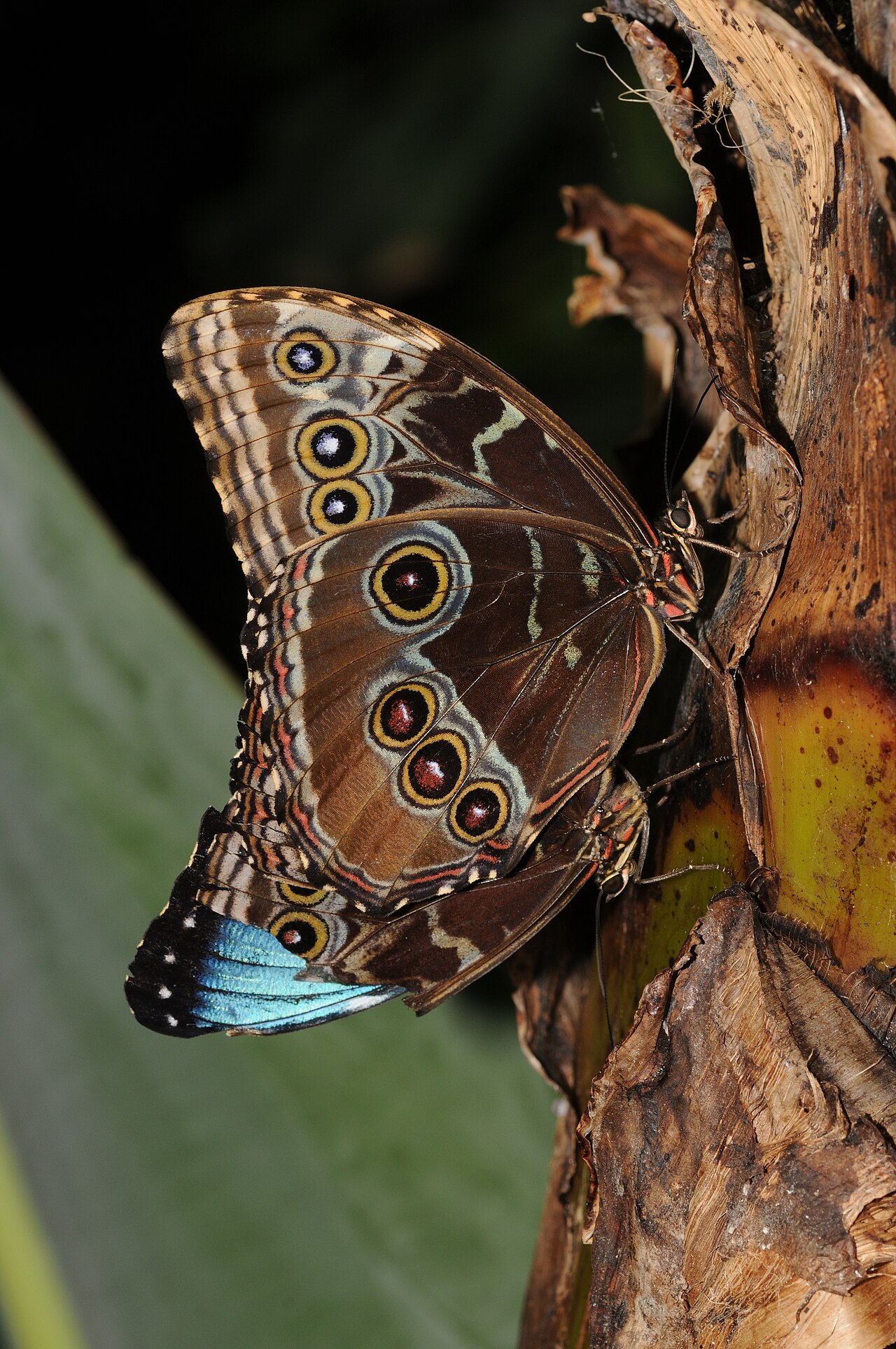
Seeing a blue butterfly is read almost everywhere as good luck, a wish about to be granted or a message of joy from someone far away, and the sighting carries extra weight because blue is the rarest color on a butterfly’s wing. Blue butterfly symbolism blends the butterfly’s old meaning of transformation with the color of the sky, calm water and heaven. In the United States a blue butterfly is usually a small one, a spring azure (Celastrina ladon) or an eastern tailed-blue (Cupido comyntas), while the big electric blue morpho (Morpho peleides) of the tropics shows up only in butterfly houses.
All of this is interpretation, not fact about the insect, and every reading below is tied to the culture or tradition that holds it. The Bible never mentions a butterfly, and no two traditions agree on every detail. What they share is that a blue butterfly is a sign you were lucky to get, which is also, as it happens, roughly the biology.
A blue butterfly symbolizes good luck, a granted wish, joy and a message from the spirit world. Because blue is rare on butterfly wings, a sighting is read as a special omen: honor, calm and a change for the better. In Christian tradition blue is the color of heaven and of Mary, so a blue butterfly is often read as divine comfort.
| Situation | Common interpretation | What is usually happening |
|---|---|---|
| Blue butterfly in your garden | Luck and prosperity coming to the home | Azures or tailed-blues nectaring low on clover and asters |
| Blue butterfly at your window | A wish or prayer being answered | Butterfly drawn to light or to reflected flowers |
| Blue butterfly inside the house | News from far away, a visitor | Came in through a door, heading for the brightest glass |
| Blue butterfly at night | Guidance through grief or doubt | Almost always a moth, since butterflies rest after dark |
| Seeing blue butterflies repeatedly | Confirmation, a spirit staying close | Spring azures peak for a few weeks each April and May |
| Finding a dead blue butterfly | A wish released, the close of a chapter | Small blues live only a week or two as adults |
| Blue butterfly in a dream | Truth spoken, calm after conflict, a lost loved one | Dream symbolism, personal to the dreamer |
What Does a Blue Butterfly Symbolize?
A blue butterfly symbolizes luck, joy, calm and a wish fulfilled, with an undertone of rarity that makes the sighting feel earned. The butterfly on its own stands for transformation because it changes from caterpillar to chrysalis to winged adult. Blue, in Western color symbolism, stands for the sky, loyalty, truth and peace, which is where “true blue” comes from. Put the two together and you get a creature that means a happy change arriving from above.
Blue also carries the meaning of communication in the Hindu-derived chakra system, where the throat chakra is blue and governs honest speech. Spiritual writers therefore read a blue butterfly as a prompt to say the thing you have been holding back. In grief it is read as a loved one sending joy rather than sorrow, and in matters of luck it is the butterfly people most often make a wish on.
Is Seeing a Blue Butterfly Good Luck or an Omen?
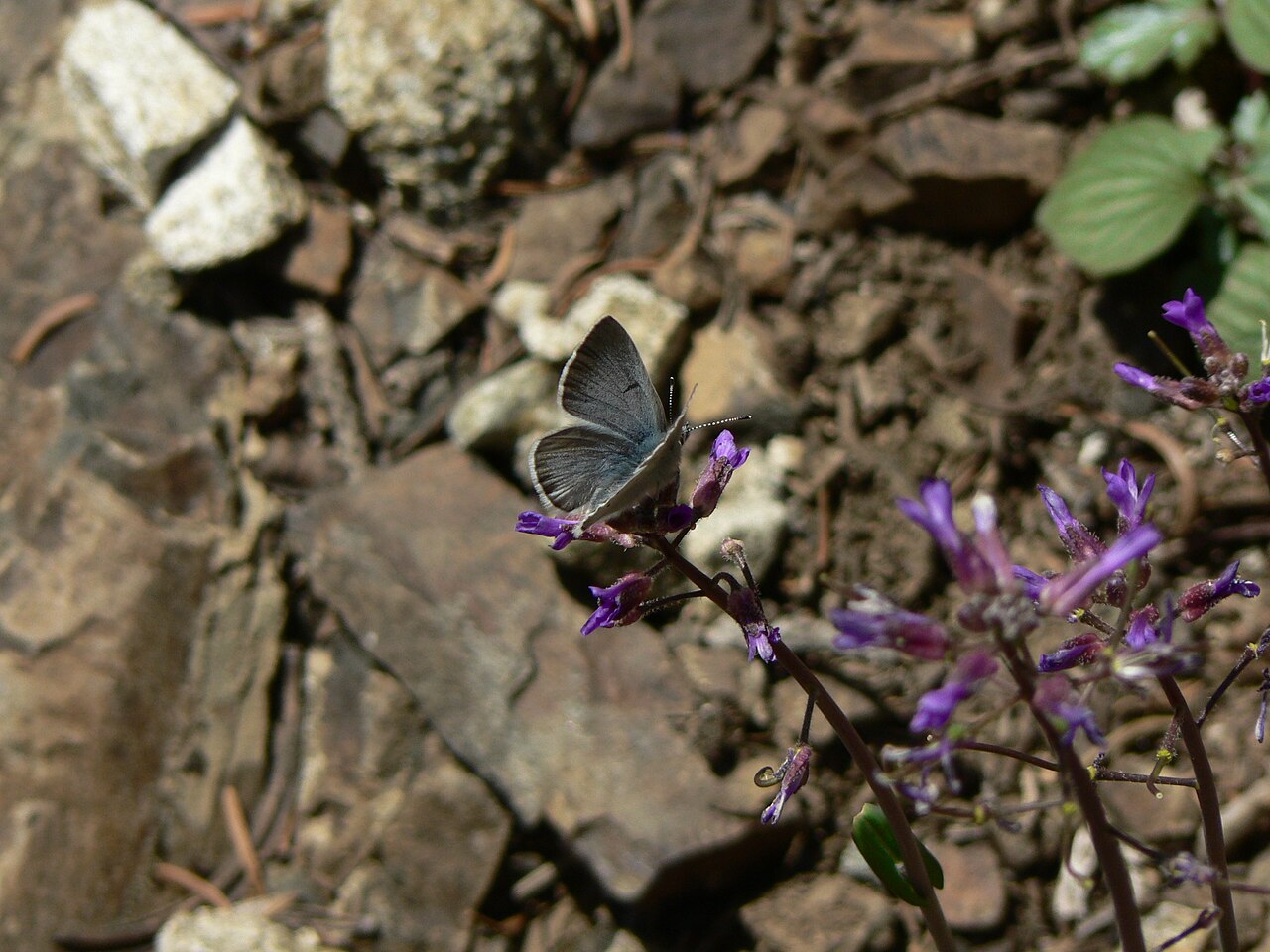
Seeing a blue butterfly is good luck in nearly every tradition that mentions it, and the omen readings are almost all positive. European folklore treats a blue butterfly as a wish granted, and children in Britain and the US were told to make a wish when they saw one. In the American South, where blue is a protective color, a blue butterfly on the porch was taken as a sign that the house was safe from harm, in the same spirit as the haint blue paint on porch ceilings.
The rare cautionary reading comes from blue’s second meaning of sadness, as in “feeling blue.” A few interpreters take a blue butterfly in a time of grief as permission to feel the sadness fully before moving on. Even that reading is gentle. Nobody in the folklore record treats a blue butterfly as a bad omen, which sets it apart from black and brown butterflies.
How Rare Is It to See a Blue Butterfly?
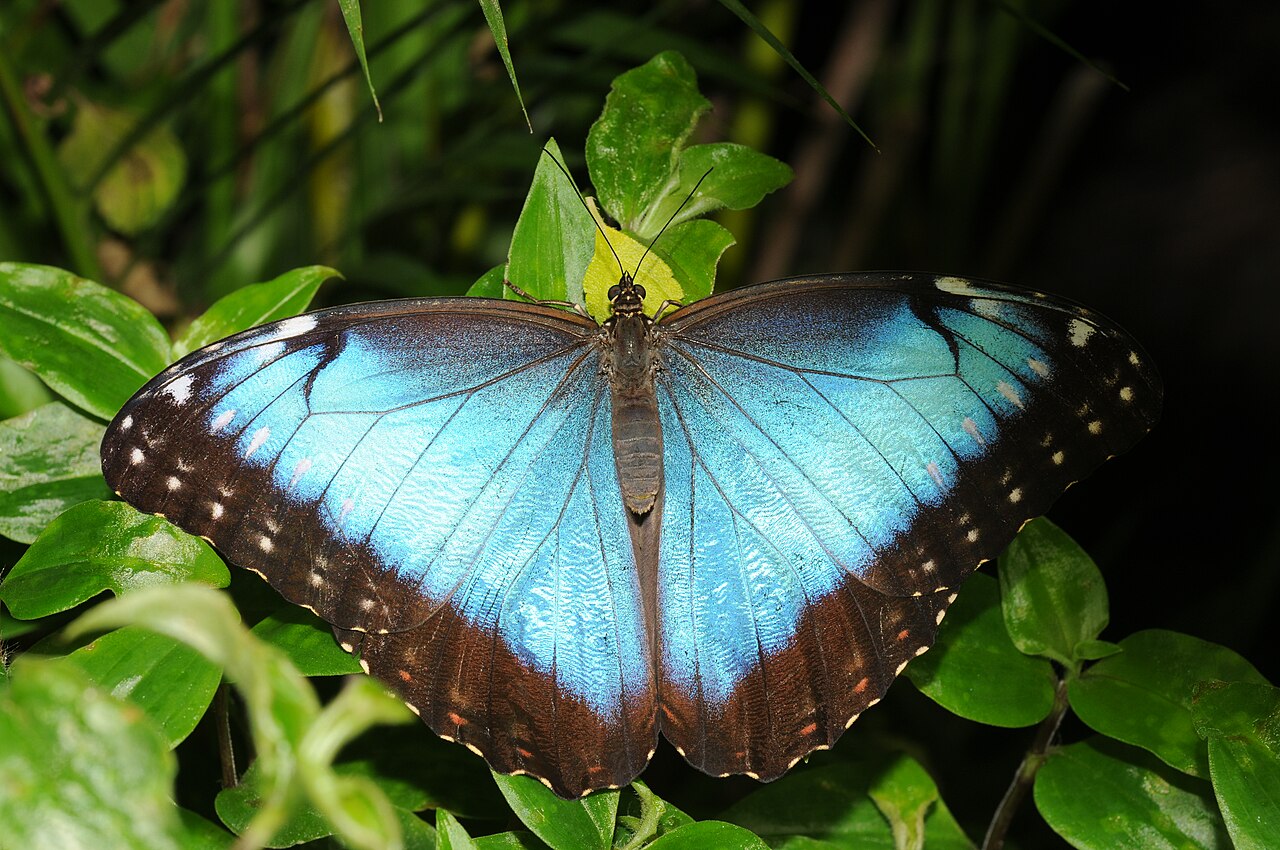
A large, brilliant blue butterfly is rare in the wild United States, but a small blue butterfly is common in spring and summer across most of the country. Blue pigment is almost unknown in butterflies. The color comes from microscopic ridges on the wing scales that scatter light, which is why a blue morpho flashes and dims as it flies and why blue butterflies look different from every angle. That structural color is what gives the sighting its sense of rarity.
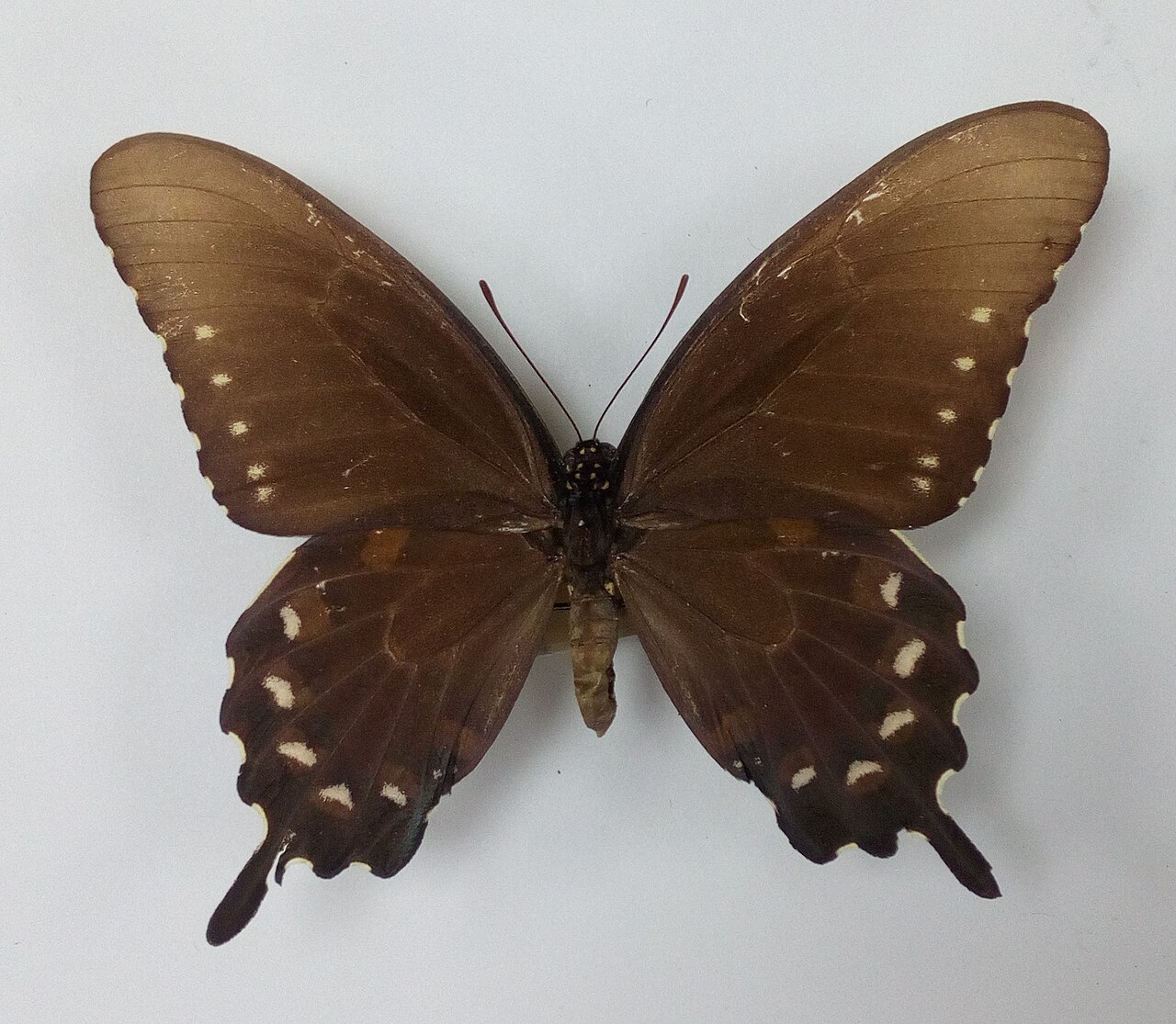
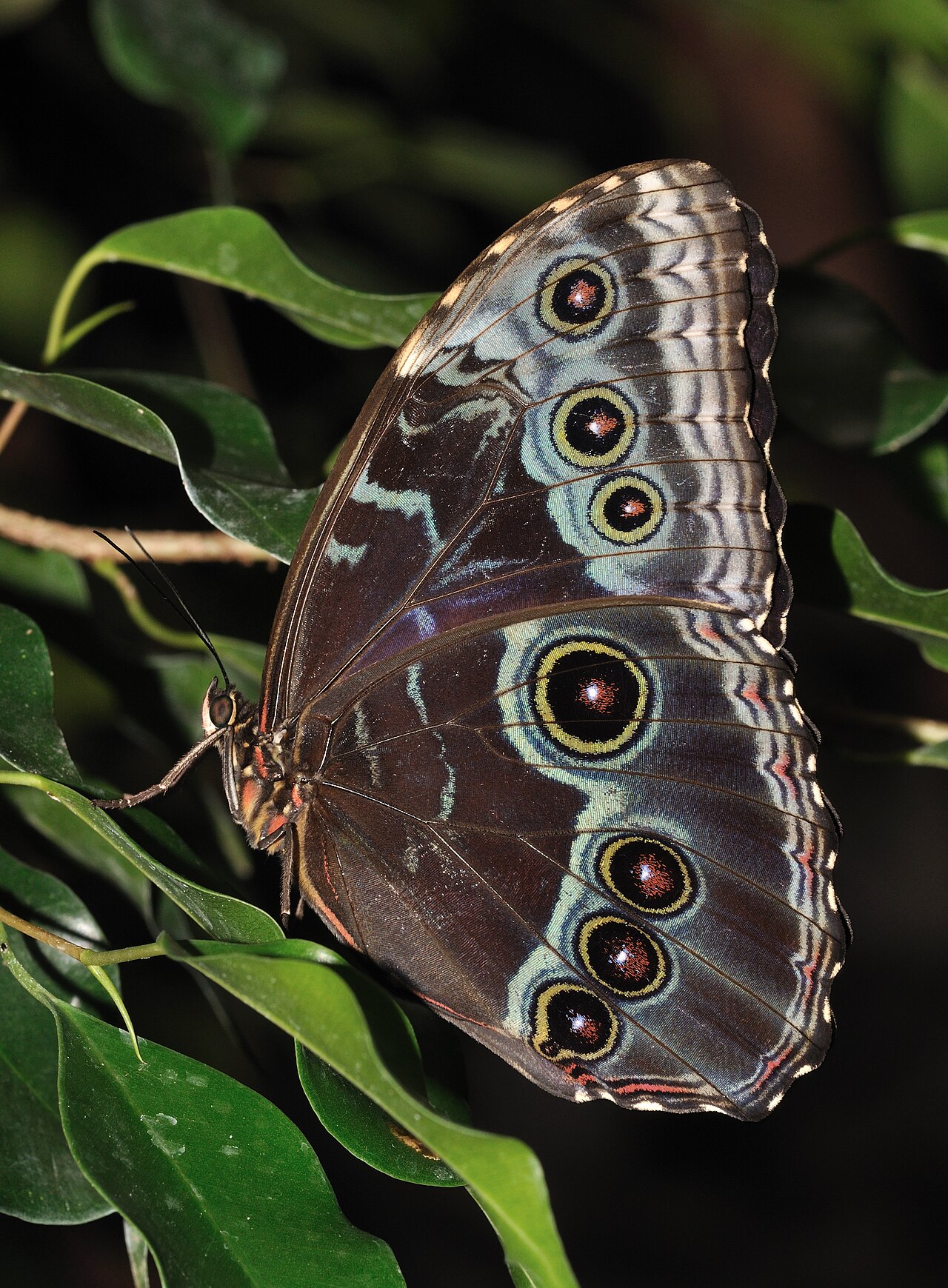
The blue morpho, the butterfly most people picture, lives in Central and South America and is seen in the US only in conservatories. A blue morpho in your yard would be an escapee. The blues you can actually meet are the spring azure, which flies for a few weeks in April and May, the eastern tailed-blue, which flies all summer low over lawns, and in the East the pipevine swallowtail (Battus philenor) and red-spotted purple (Limenitis arthemis astyanax), both of which flash iridescent blue hindwings.
Some blues are genuinely rare. The Karner blue of the Great Lakes pine barrens is listed under the Endangered Species Act, and the Xerces blue of San Francisco went extinct in the 1940s. Seeing one of those would be a sign in every sense of the word. For a closely related question, see our guide to octopus symbolism. For a closely related question, see our guide to tiger symbolism.
Blue Butterfly Symbolism in Love, Relationships and Twin Flames
In love, a blue butterfly symbolizes loyalty, honest communication and a calm, lasting bond rather than passion. Couples who see a pair of blue butterflies together often read it as a sign of fidelity, drawing on the Chinese tradition in which two butterflies stand for a devoted couple. In Western color symbolism blue is the color of constancy, which is why brides carry “something blue.”
In twin flame and soulmate writing, which is a modern spiritual movement rather than an old tradition, a blue butterfly is read as a sign that a separated pair will reunite or that a connection is being healed through truthful conversation. Readers who are single often take a blue butterfly as a message that a calm and faithful partner is coming. The throat chakra link returns here: the blue butterfly in love means say what you feel.
Blue Butterfly Meaning in the Bible and Christianity

In Christian tradition the butterfly stands for the resurrection, and blue is the color of heaven, truth and the Virgin Mary, so a blue butterfly is often read as a sign of divine comfort and protection. Early Christians saw the caterpillar as earthly life, the chrysalis as the tomb and the winged adult as the risen body. Mary’s blue mantle in Western art, originally painted with costly lapis lazuli, made blue the color of heaven’s queen.
Christians who see a blue butterfly after a loss frequently connect it to verses about heaven and peace, such as John 14:27 or Revelation 21:4. When God sends you a blue butterfly, in that folk reading, the message is that the person you lost is at peace and that you should not be troubled. No verse mentions the insect. The butterfly is the picture believers have chosen for what the verses promise, and blue adds the sky it flew into.
Blue Butterfly Symbolism in Native American Traditions
In several Native American traditions the butterfly brings dreams, joy and change, and blue carries its own meanings tied to sky, water and the directions. In Blackfoot tradition the butterfly carries sleep and dreams, and a butterfly design sewn onto buckskin and tied in a baby’s hair was meant to bring restful sleep. In Hopi tradition the Butterfly Dance, performed in late summer, honors the butterfly as a bringer of rain and a good harvest.
Blue and turquoise hold special status in Navajo and Pueblo traditions, where turquoise stands for sky, water, health and protection. A blue butterfly read in that frame is a protective sign tied to rain and well-being. Each nation holds its own teaching and some have none specific to butterfly color at all. Treat any single meaning as one community’s understanding rather than a rule for all Native peoples.
Celtic, Irish and European Folklore
In Irish and Scottish folklore butterflies were souls, and a blue one was a soul at peace or a fairy messenger. Irish tradition held that butterflies carried the souls of the dead across to the otherworld and warned against harming them. The Scottish Gaelic word for butterfly, dealan-dé, can be read as “brightness of God,” and a blue one was tied to the sky and to clear weather.
In Welsh and Cornish stories butterflies belong to the fairy realm, and a blue butterfly in particular was read as a sign that fairies were nearby and in a good mood. In German folklore the butterfly, Schmetterling, was linked to witches stealing cream, but blue carried no special fear. Across Europe the blue butterfly was the wish butterfly, and that tradition traveled to the United States with immigrants in the nineteenth century.
East Asian Meanings: China and Japan
In Chinese tradition the butterfly stands for the soul, long life and love, and blue is associated with wood, spring and healing in the five element system. The philosopher Zhuangzi’s dream of being a butterfly made the insect a symbol of the soul’s freedom. A blue butterfly combines that freedom with the healing and new growth of spring, which is why it appears on gifts for the sick and for new ventures.
In Japanese tradition the butterfly, chō, is the soul and also a symbol of young womanhood and marital happiness, with a pair of paper butterflies on the sake flasks at a Shinto wedding. Japanese folklore holds that souls take butterfly form to travel, and a butterfly that enters a home may be a relative visiting. Blue in Japanese color tradition, especially the deep indigo of traditional dyeing, stands for purity and protection, so a blue butterfly in the house is a welcome guest.
Blue Butterfly as Spirit Animal, Totem and Omen
As a spirit animal the blue butterfly is said to appear for people who need to speak their truth or who are about to receive unexpected good fortune. In the modern spirit animal framework, which borrows loosely from Native American totem ideas, it stands for joy, honest communication and the grace to accept luck without guilt. The blue butterfly spirit animal is often paired with the throat chakra and with the element of air.
People who claim the blue butterfly as a totem describe themselves as calm, articulate and lucky in small things. As an omen it is nearly always read as good. The blue butterfly is also used as an emblem by hospitals, hospices and support groups, and in some hospitals a butterfly placed on a patient’s door marks end-of-life care or a bereavement, with the color varying by institution. A blue butterfly on a hospital door is therefore a signal to staff and families, not a mystical sign.
Blue Butterfly in Your Garden, at Your Window or at Night
A blue butterfly in your garden is read as luck and prosperity arriving at the home, and one at your window as a wish or prayer being answered. People who have just lost someone often read a blue butterfly at the window as that person letting them know they have arrived safely. Inside the house, European folklore reads it as news coming from far away.
A blue butterfly at night is nearly always a moth, since butterflies roost after dark. Indoors in daylight, a blue butterfly came in through a door and is pressing against the brightest window, so open it wide and the insect will leave. To invite the sign, plant what the small blues need. Spring azures lay eggs on dogwood, viburnum and New Jersey tea, and eastern tailed-blues use clover and other legumes, so an unmown strip of clover brings them to the lawn.
Seeing Blue Butterflies Repeatedly, Finding One Dead or Seeing One After a Death
Seeing blue butterflies repeatedly is read as confirmation of a decision or a spirit staying close during a change, and a blue butterfly after a death is one of the most comforting signs people report. Mourners describe one resting on a graveside flower or waiting at the door after the funeral. Because blue is rare, the repeated sighting feels less like coincidence than a yellow or white butterfly would.
Finding a dead blue butterfly is read as a wish released or the close of a chapter rather than misfortune, and in Christian readings it still points to resurrection. The plain reason is simple: small blues live only a week or two as adults, and spring azures emerge in a tight pulse each April and May, so you may see one every day for three weeks and then none until next year. Pressing the wings as a keepsake is common and harmless. For a comparison, the blue jay carries a louder, bolder set of meanings around the same color.
Blue Butterfly in a Dream
A blue butterfly in a dream is commonly interpreted as a truth you need to speak, calm after a conflict or a visit from someone you have lost. Dream dictionaries treat the butterfly as the soul and blue as peace and honesty, so the combined image is read as a conscience that has found its words. A blue butterfly that lands on you in the dream is taken as reassurance that a worry is unfounded.
A dream of chasing a blue butterfly that stays out of reach is read as a wish you have not committed to. A swarm of blue butterflies points to a season of unexpected gifts. Jungian psychologists read the butterfly as the psyche itself, since the Greek word psyche means both soul and butterfly, and would ask what in your life wants to be said aloud. A dream that mixes colors is read differently, with white pointing to protection and yellow to joy.
Frequently Asked Questions
What is the spiritual meaning of a blue butterfly?
The spiritual meaning of a blue butterfly is luck, a granted wish, calm and honest communication, with blue tied to the throat chakra and to heaven in Christian color symbolism. Because blue is structurally rare on butterfly wings, spiritual writers treat the sighting as a special sign rather than an everyday one.
What does it mean if I see a blue butterfly?
If you see a blue butterfly, most traditions say to make a wish, since the sighting is read as fortune arriving and a change for the better. If someone close to you has died recently, it is commonly read as that person sending joy. In the US you most likely saw a spring azure or an eastern tailed-blue.
When God sends a butterfly, what does it mean?
When God sends a butterfly, in Christian folk belief, it means comfort, a reminder of resurrection or an answer to a prayer, and a blue one adds the color of heaven and of Mary. The belief has no verse behind it. Believers treat it as personal reassurance that a loved one is at peace.
What do butterflies symbolize in spirituality?
In spirituality butterflies symbolize transformation, the soul and rebirth, because the insect passes through egg, caterpillar, chrysalis and winged adult. The ancient Greeks used one word, psyche, for both soul and butterfly. Color refines the message: blue reads as luck and truth, yellow as joy, white as protection and black as endings.
What does the butterfly symbolize in LGBTQ+ culture?
In LGBTQ+ culture the butterfly is used as a symbol of coming out and of transition, since it emerges from the chrysalis as its true self. The symbol is typically used without a fixed color, though blue and pink butterflies appear in transgender imagery because those are the colors of the transgender pride flag.
What are the different types of butterflies and their associated meanings?
In color folklore, blue butterflies mean luck and wishes, white means souls and protection, yellow means joy, orange means passion, black means endings or death news and brown means grounding. Among species, the monarch is read as a returning soul in Mexican tradition, and the blue morpho is read in Central American folklore as a wish carrier and a soul in flight.