Dog Symbolism: Spiritual Meaning, Spirit Animal and Omens
Seeing a dog usually means loyalty, protection and faithful guidance. That is the core of dog symbolism in most cultures that have lived with dogs, though some, like the Bible, cast the dog as a scavenger instead. Where and when you see the dog changes the reading.
Spirit animal and totem: a guide for trust and friendship. Stray in the yard: home and boundaries. Dog at your window: someone is watching over you. Howling at night: an old death omen. Dog in a dream: the reading depends on how the dog behaves, friendly, lost or newborn.
What Does a Dog Symbolize Spiritually?
A dog symbolizes four things spiritually: loyalty, protection, unconditional love and guidance. Herding gave the dog its link to guidance, guarding its link to protection, hunting its link to focus and pursuit, and the household companion its link to love without conditions.
The dog is also the threshold guardian. It watches the door of the house, and in myth it watches the door between the living and the dead. Cerberus, the three-headed hound at the gate of the Greek underworld, is the best-known example, and the jackal-headed Egyptian god Anubis watched over embalming and the dead.
The darker readings are blind obedience, dependence on a master, or the aggression of an animal backed into a corner. Within the wider field of animal symbolism, the dog is the faithful servant.
Dog as a Spirit Animal and Totem
The dog spirit animal is a guide for one phase of your life, the dog totem is a lifelong or family emblem, and the dog power animal is a strength you call on for a single task. Totem comes from the Ojibwe word for a clan emblem. Spirit animal and power animal are modern terms, the latter from 20th century neo-shamanism, and loosely borrow from Indigenous practice.
People who claim the dog as a spirit animal describe themselves as dependable, honest and fiercely protective of their inner circle. The dog appears, in this way of thinking, during doubts about trust or friendship, or when someone close to you needs protecting.
The risk of this energy is people-pleasing: trouble setting boundaries, and giving more than you get back. If solitude fits you better than the pack, the bear spirit animal is the usual alternative.
Seeing a Dog: In Your Yard, at Your Window, at Night or Again and Again
A strange dog in your yard or garden carries a message about home, family and boundaries in folk belief. Folk tradition treats a stray that follows you home as a protector or a good-luck companion.
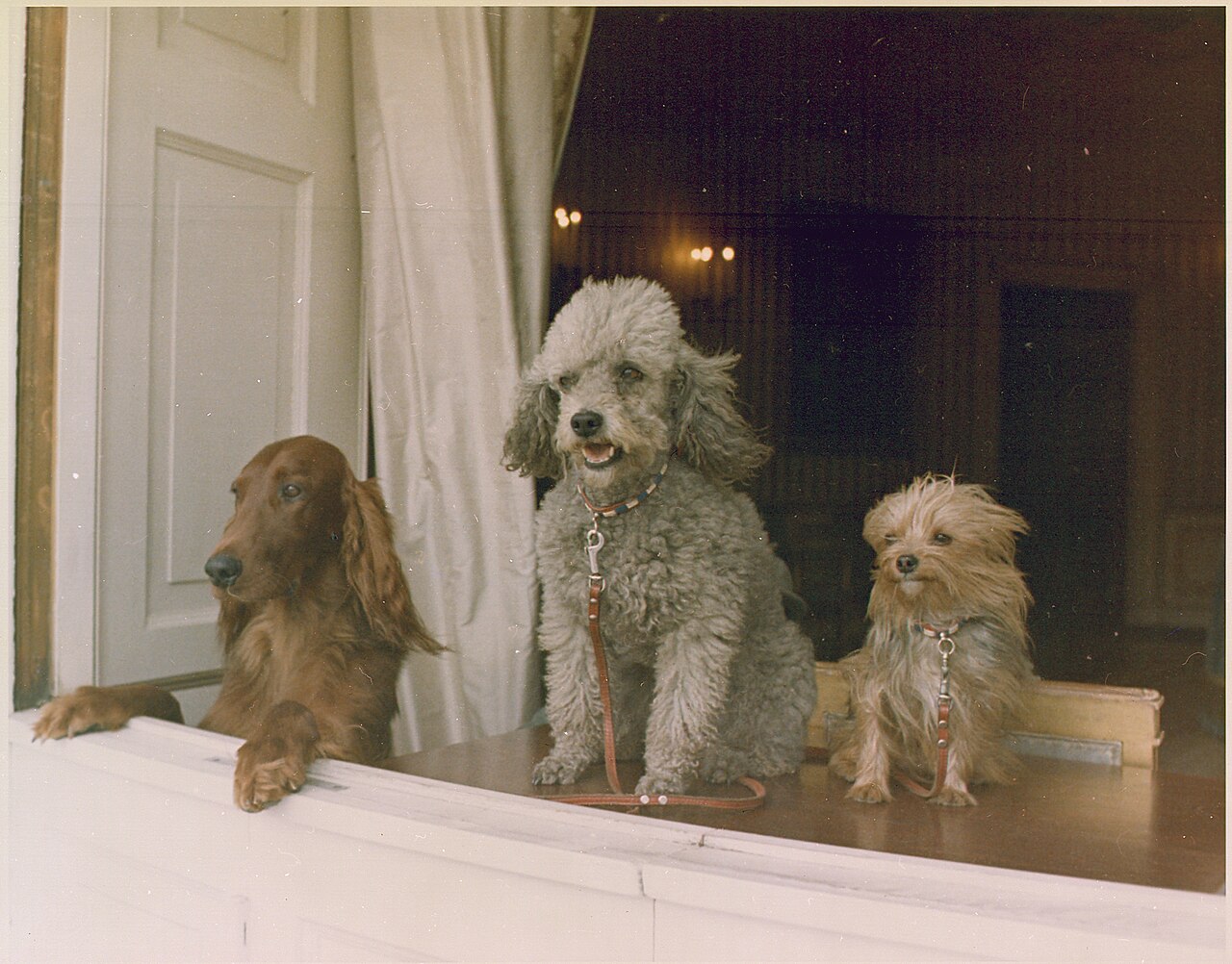
A dog at your window, or one looking in at you, means in this view that you are being watched over, or that someone you have drifted from wants back in. A dog crossing your path or barking at you at night is read as a call to stay alert. A real dog that barks at you deserves the same caution: keep your distance and do not reach for it.
Repeated sightings within a short time add urgency. In this view, several dogs in a week push you toward a loyal relationship you have been avoiding, or tell you to show up for a person who has shown up for you.
| Situation | Common spiritual reading |
|---|---|
| Dog barking at you | Something needs your attention now |
| Dog crossing your path | Neutral or lucky by day, a call to stay alert at night |
| Black dog | Protection in grief, or a death omen in British lore |
| White dog | Purity, peace, a cleared conscience |
| Brown or golden dog | Warmth, home, steady friendship |
| Injured dog | A loyal person in your life is hurting |
| Lost dog | A bond or duty you are neglecting |
Howling Dog Omen and Dog Dreams
A dog howling at night is the one widely negative dog sign. In old English and Irish folk belief it long counted as a death omen. Finding a dead dog, by contrast, stands in folk reading for the end of a cycle of loyalty or friendship, not for a curse.
Dog dreams sort by the dog’s behavior: a friendly dog means support from friends, a lost dog something you are neglecting, and a puppy a new bond. Dreaming of a pet that has died brings comfort or closure.
Dog Symbolism in Native American and Aztec Traditions
There is no single Native American meaning of the dog, because beliefs differ from nation to nation. One thread runs through the Plains. Before horses arrived, Plains peoples used dogs to pull travois loads, so the dog stood for helper and provider, the animal that carried camp between bison hunts.
In Lakota the horse is called sunka wakan, popularly translated as sacred or holy dog, though Lakota elders give the word a broader sense. When a bigger, faster helper appeared, it was named after the dog.
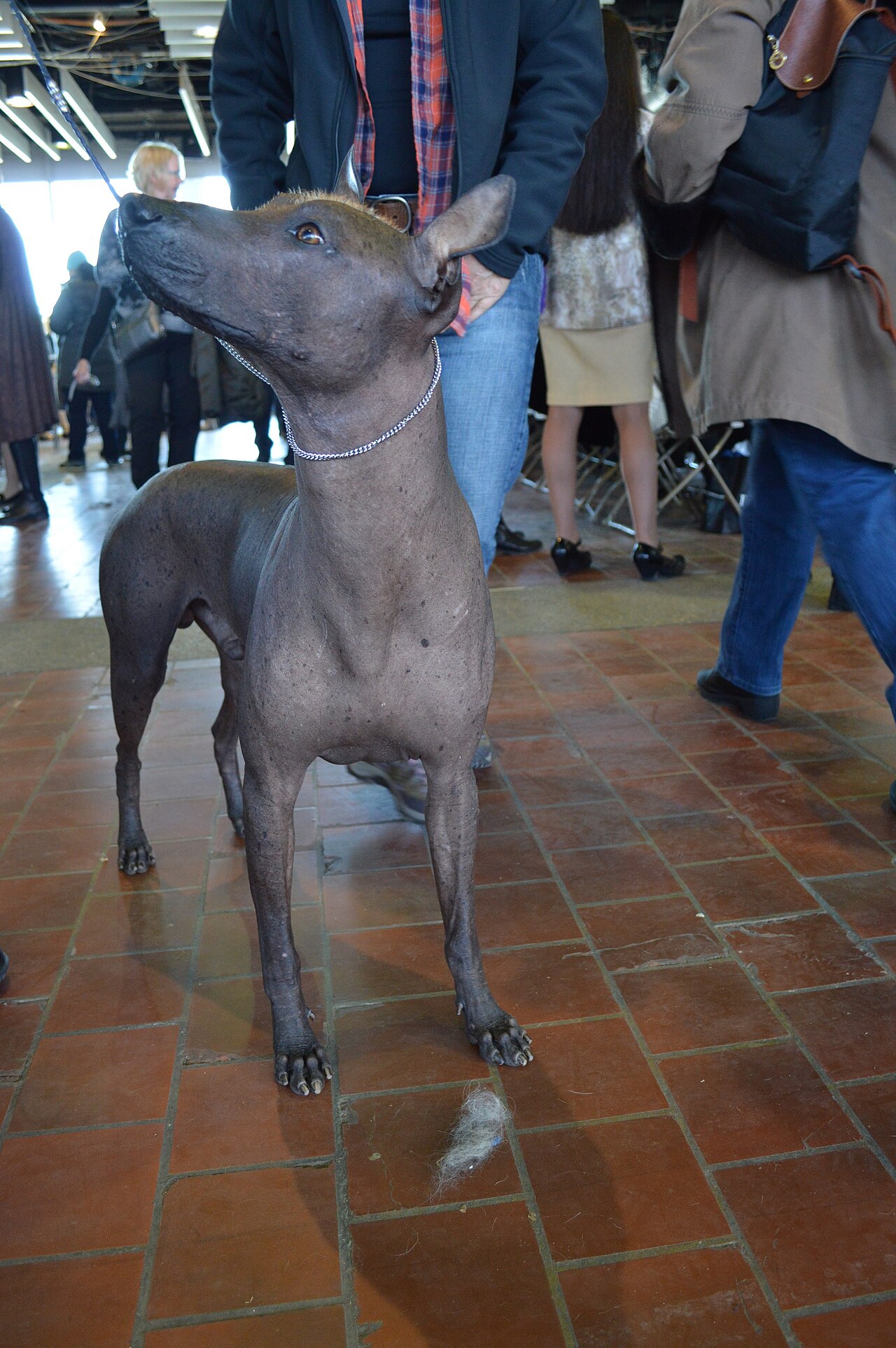
Far to the south, Aztec belief gave the dog-headed god Xolotl the task of guiding souls through the underworld, and Xoloitzcuintli dogs were sometimes sacrificed and buried with the dead to lead them on that road.
Dogs in the Bible and Christian Symbolism
Dogs in the Bible are largely negative: scavengers and unclean animals. Proverbs 26:11 compares a fool to a dog returning to its vomit, and Philippians 3:2 warns the church to beware of dogs.
There are softer moments. The Canaanite woman’s answer in Matthew 15:27, that even the dogs eat the crumbs, became a model of humble faith.
Later Christian art flipped the meaning. Dogs carved at the feet of figures on medieval tombs stand for fidelity, and the dog of St. Roch, bringing the plague-stricken saint bread each day, stands for providence.
Celtic and East Asian Dog Symbolism
Celtic hounds stand for loyalty and warrior honor. The Irish hero Cu Chulainn carries it in his name, which means Hound of Culann. Welsh belief adds the Cwn Annwn, spectral hounds of the Otherworld, and British black dog legends such as Black Shuck appear as either omen or guardian depending on the county.

In the Chinese zodiac the Dog is the 11th sign, linked with loyalty and honesty. In Japan, komainu lion-dog statues guard shrine entrances in pairs, and the Hachiko statue at Shibuya station honors an Akita who waited about nine years at the station for his dead owner.
Japanese folklore sets the faithful dog against shape-shifting tricksters. The fox and the tanuki change form and deceive, and foxes are said to fear dogs above all. In the fox-wife tale of the Nihon Ryoiki, a dog gives the disguised fox away.
Frequently Asked Questions
Is a dog a good omen?
Yes, in most traditions a dog is protective or lucky. The main exceptions are the howling dog and the black dog of British lore.
What does a black dog mean spiritually?
Protection in grief in most readings, and a death omen in British folklore. Black Shuck, the ghostly dog of East Anglian legend, is the best-known example.
What does it mean when a dog follows you?
A protector or good-luck companion choosing you, in folk tradition. In practice, check for a tag and call a shelter, since the dog may simply be lost.
What are the most famous artworks featuring dogs?
Jan van Eyck’s Arnolfini Portrait (1434) is the best-known, its small dog read as a symbol of marital fidelity. Cassius Marcellus Coolidge’s Dogs Playing Poker series dates to 1903.
Why is Sirius called the Dog Star?
Sirius lies in the constellation Canis Major, the Greater Dog. The dog days of summer got their name because Greeks and Romans linked its rising with the sun to the hottest weeks of the year.
Sources
- CDC, About Rabies
- WoLakota Project, Šhuŋka Wakáŋ (Horse)
- Wikipedia, Dogs in Mesoamerican folklore and myth
- Wikipedia, Kitsune