Female Grackle: Identification Guide
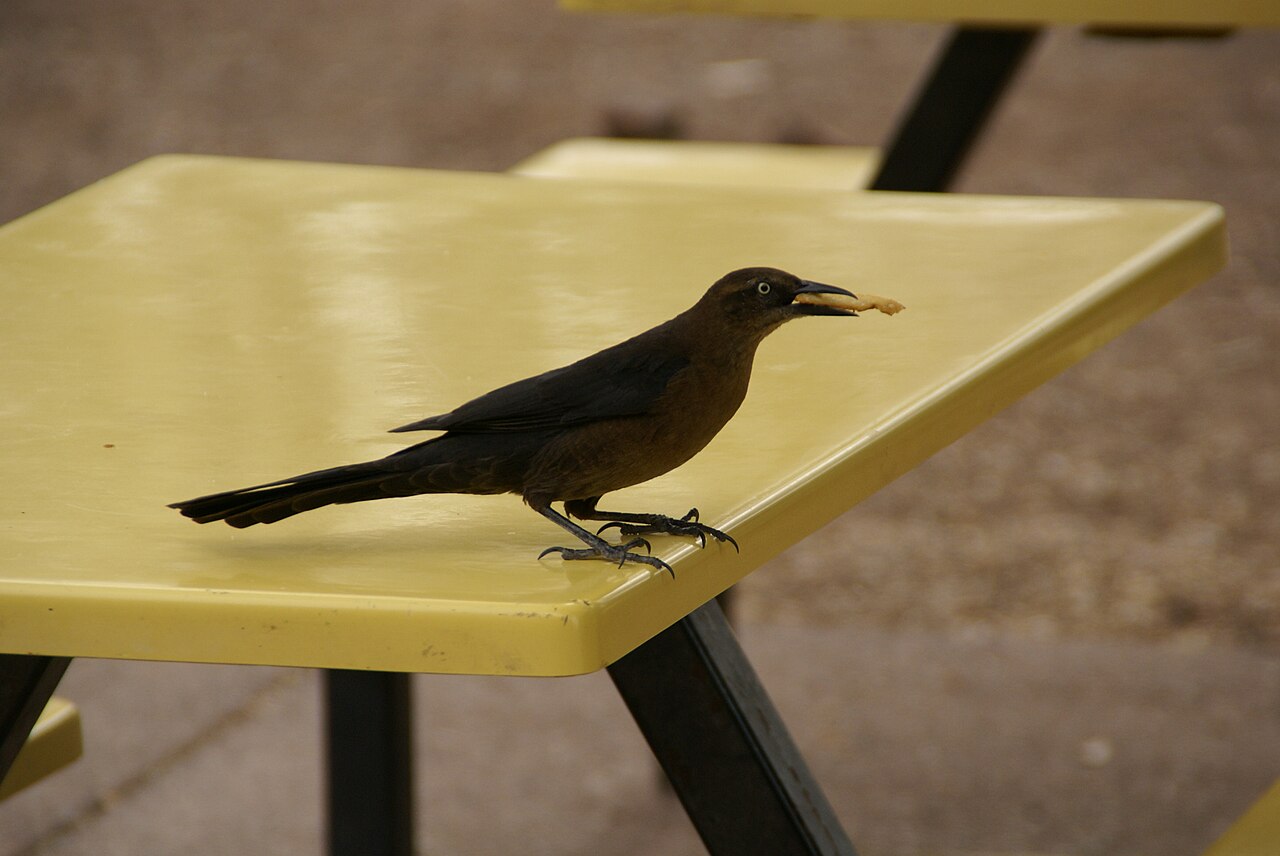
The female grackle is smaller and less glossy than the male, a dark brown to dull blackish bird with a shorter tail and a pale yellow eye. While the male common grackle gleams with blue-black iridescence, the female is more subdued, though she shares some key features. This guide covers what a female grackle looks like, how she differs from the male, how to identify her, her behavior and nesting, and where and when to see her.
| Feature | Female Grackle |
|---|---|
| Color | Dark brown to dull black |
| Gloss | Less iridescent than male |
| Eye | Pale yellow |
| Tail | Long but shorter than male |
| Bill | Long and pointed |
What Does a Female Grackle Look Like?
A female common grackle looks broadly similar to the male but is more subdued overall. She is dark, ranging from brownish to a dull blackish, and shows much less of the intense blue, purple, and bronze iridescence that makes the male so striking, appearing more matte or only faintly glossy. She is noticeably smaller than the male, with a shorter tail, though it is still fairly long for a blackbird. Like the male, she has a long, pointed bill and a distinctive pale yellow eye, which stands out against her dark plumage and is a helpful identification clue. Some females can look quite dark, while others appear more clearly brown, especially on the body. Overall the female grackle is a large, dark, long-billed blackbird with a pale eye, just less glossy and a bit smaller than her mate, as covered in our guide to bird symbolism.
Female vs Male Grackle
The differences between female and male grackles come down to size, gloss, and tail length. The male common grackle is a large, glossy blackbird with striking iridescence, showing shimmering blue, purple, and bronze tones in good light, and he has a long tail that he often holds in a distinctive keel shape, along with a pale yellow eye. The female is smaller, with a shorter tail, and she is much less iridescent, appearing browner and more matte, though she shares the pale yellow eye and long bill. As a result, the male looks larger and more dramatically shiny, while the female appears more understated and often browner. When a mixed flock is present, the size difference and the males’ greater glossiness make the sexes easier to separate. The female’s plainer look provides better camouflage during nesting, a common pattern among birds.
How to Identify a Female Grackle
Identifying a female grackle means recognizing her as a grackle first, then noting the features that mark her as female. Look for the large size, long body and tail, long pointed bill, and especially the pale yellow eye, which together identify a grackle. Her browner, less glossy plumage and smaller size with a shorter tail point to a female. Be aware of possible mix-ups: the male grackle is glossier and larger, other blackbirds such as the brown-headed cowbird are smaller with shorter bills, and the female red-winged blackbird is quite different, being heavily streaked brown rather than plain dark, as covered in our guide to the female red-winged blackbird. Common grackles can also be confused with other grackle species in the South. Focusing on the pale eye, long bill, and large size, combined with the browner, less glossy look, makes identifying a female grackle reliable, a useful skill for anyone watching feeders and open areas, as covered in our guide to attracting birds.
Female Grackle Behavior and Nesting
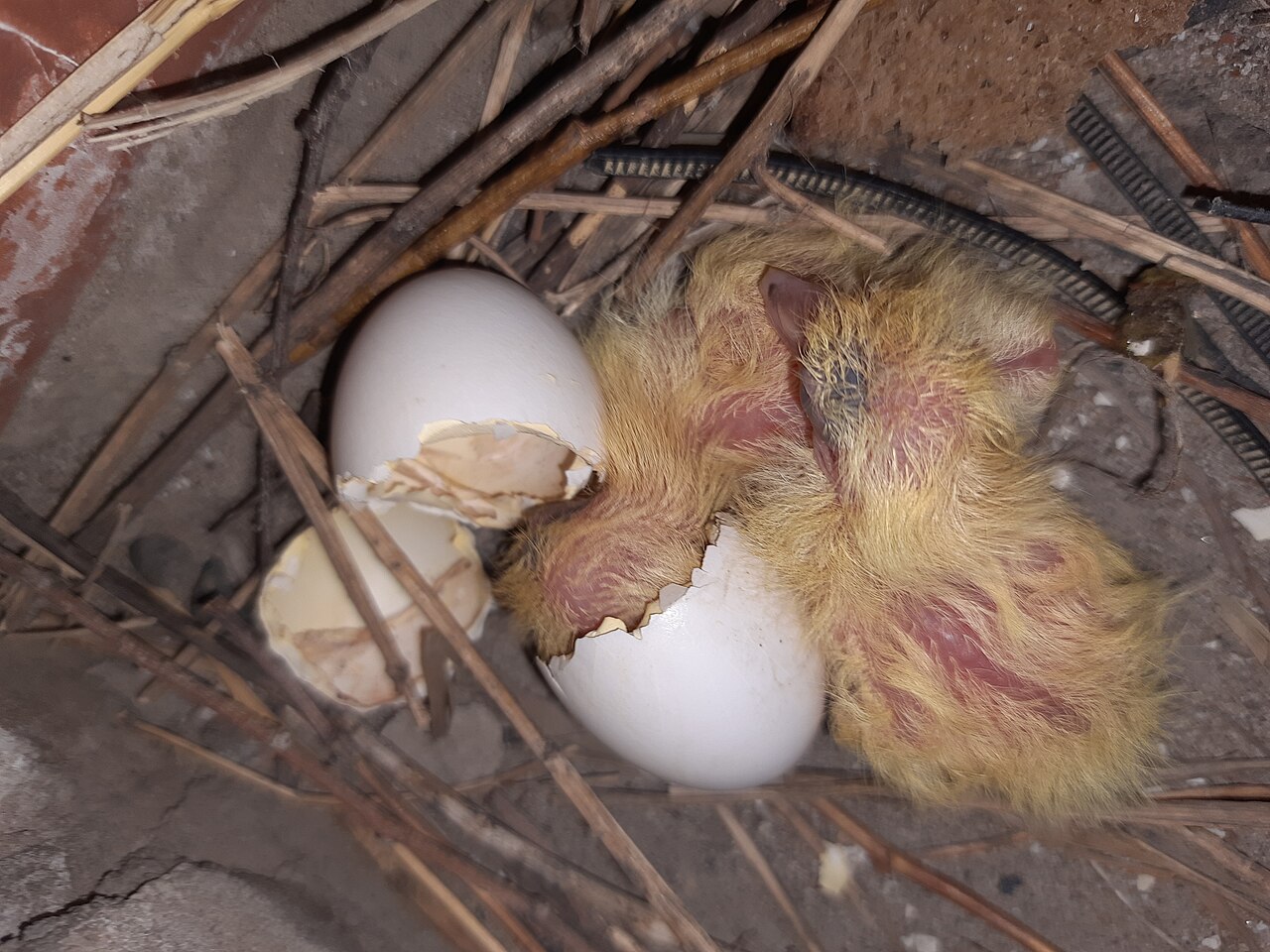
The female grackle is a social bird with interesting nesting habits. Common grackles are highly gregarious, often gathering in large, noisy flocks, sometimes mixed with other blackbirds, and they forage boldly on the ground and at feeders. When nesting, grackles frequently nest in loose colonies, and the female builds a bulky cup nest, often placed in a tree, especially conifers, or in shrubs, sometimes near water. She lays her eggs and does the incubating, while the young are then fed by the parents. Grackles are omnivorous and opportunistic, eating a wide variety of foods including seeds, grains, insects, and other items, which helps them thrive in many settings, including around people. This combination of colonial nesting, flocking behavior, and a flexible diet makes grackles very successful, and the female plays a central role in raising each brood, as reflected in our guide to plants that attract birds.
Where and When to See Female Grackles
Female grackles are common and widespread, found alongside males across much of central and eastern North America. Look for them in open and semi-open habitats, including fields, farmlands, parks, lawns, marsh edges, and suburban and urban areas, since common grackles are highly adaptable and comfortable around people. They often feed on the ground in flocks and readily visit feeders, especially for grain and seed. Grackles are present year round in much of their range, though northern populations migrate, and huge flocks can form in fall and winter, sometimes mixed with other blackbirds. Because grackles are so abundant and bold, the female is easy to observe, though she is less eye-catching than the glossy male, so looking for the smaller, browner birds within a flock is the way to pick her out. Their commonness and tolerance of human areas make female grackles an accessible bird to study, as detailed in our guide to the best bird seed.
Female Grackle Plumage Explained
The subdued look of a female grackle is well documented by ornithologists. According to the Cornell Lab of Ornithology, female common grackles are smaller and less glossy than the iridescent males, with a somewhat shorter tail. Her browner, more matte plumage provides better camouflage during nesting, while the male’s dramatic blue, purple, and bronze iridescence serves for display. Both sexes share the striking pale yellow eye and the long, pointed bill that help identify grackles. Because the difference between the sexes is one of degree, size, gloss, and tail length rather than a completely different pattern, seeing males and females together in a flock makes the smaller, duller females easier to pick out. Understanding this difference makes the female easier to identify and reveals the biology behind the grackle’s appearance, since her plainer plumage suits her nesting role, unlike the very different female in our guide to the female red-winged blackbird.
Female Grackles in Flocks
Female grackles are highly social, and understanding their flocking behavior helps you find and identify them. Common grackles gather in large, noisy flocks, especially outside the breeding season, and these flocks often mix with other blackbirds such as red-winged blackbirds, cowbirds, and starlings, creating big, active gatherings in fields and around feeders. Within such a flock, the female grackles are the smaller, browner, less glossy birds among the larger, shinier males, so scanning for these differences is the way to pick them out. Grackles forage boldly on the ground, walking rather than hopping, and they can dominate feeders. In fall and winter, enormous blackbird flocks can form, sometimes numbering in the thousands. Recognizing that female grackles travel in these mixed flocks, and knowing what sets them apart, makes them easier to spot and appreciate, adding to your enjoyment of backyard and open-country birding, as covered in our guide to attracting birds.
Female Grackle Sounds
Sound can help you detect female grackles, though grackles are not known for musical songs. Common grackles make a variety of harsh, mechanical sounds, including a distinctive call often likened to a rusty gate or a loud, grating squeak, along with various chacks and clicks. Both males and females are vocal, particularly within their noisy flocks, so these harsh, creaking sounds are a good sign that grackles are present. In a busy flock, the constant clatter of grackle calls, combined with the birds’ bold ground-foraging and pale-eyed stares, makes the group easy to notice, and scanning for the smaller, browner, less glossy birds among them helps you pick out the females. Learning the grackle’s unmusical, rusty-hinge voice adds another way to recognize these common and gregarious blackbirds.
Related reading: types of black birds.
Related reading: Grackle vs Starling.
Frequently Asked Questions
What does a female grackle look like?
A female grackle is a large, dark brown to dull blackish bird with a pale yellow eye and a long bill, smaller and less glossy than the iridescent male, with a shorter tail.
How can you tell a female grackle from a male?
The male is larger and glossy with blue-purple iridescence and a longer tail, while the female is smaller, browner, and less glossy, though she shares the pale yellow eye.
Do female grackles have a yellow eye?
Yes, female grackles share the distinctive pale yellow eye of the males, which stands out against their dark plumage and is a helpful clue for identifying grackles.
Are female grackles brown?
Female grackles are often browner and more matte than the glossy males, ranging from brownish to dull blackish, with much less of the male’s blue and bronze iridescence.
What is the difference between a female grackle and a female red-winged blackbird?
A female grackle is large, plain dark, and long-billed with a pale eye, while a female red-winged blackbird is heavily streaked brown and looks more like a large sparrow.
Do female grackles build the nest?
Yes, the female grackle builds a bulky cup nest, often in a conifer or shrub and sometimes in a loose colony, and she incubates the eggs before the young are fed.
Where do female grackles live?
Female grackles live in fields, parks, lawns, and towns across central and eastern North America, often feeding in flocks on the ground and visiting feeders.