Types of Falcons: A Complete Guide
North America is home to several types of falcons, most familiarly the small American kestrel and the fast peregrine falcon, along with the merlin, prairie falcon, and gyrfalcon. These sleek, fast-flying birds of prey are known for their pointed wings, notched bills, and incredible speed. This guide covers how many types of falcons there are, common species you can see, how to tell them apart, where they live, and how falcons differ from hawks.
| Falcon | Key Features |
|---|---|
| American Kestrel | Small, colorful, hovers |
| Peregrine Falcon | Fast, dark hood, powerful |
| Merlin | Small, dashing, streaky |
| Prairie Falcon | Pale brown, western |
| Gyrfalcon | Largest, arctic, variable |
| Aplomado Falcon | Slender, bold pattern, rare |
| Crested Caracara | Long-legged, bold, southern |
How Many Types of Falcons Are There?
There are several species of falcons in North America, part of a family of fast-flying birds of prey. The most familiar are the American kestrel, the smallest and most colorful, and the peregrine falcon, famous as the fastest animal on Earth. The group also includes the small, dashing merlin, the pale prairie falcon of the West, the large arctic gyrfalcon, and the rare aplomado falcon of the southern borderlands, along with the unusual crested caracara, a long-legged falcon relative of the South. Falcons are generally sleek birds with long, pointed wings and relatively long tails, built for speed and agility in the air, and they have a distinctive notch or tooth on the bill used to dispatch prey. Most falcons capture other birds or small animals, often in fast, powerful flight. This combination of speed, pointed wings, and hunting prowess makes falcons a thrilling group, related to the raptors in our guide to types of hawks.
Common Types of Falcons
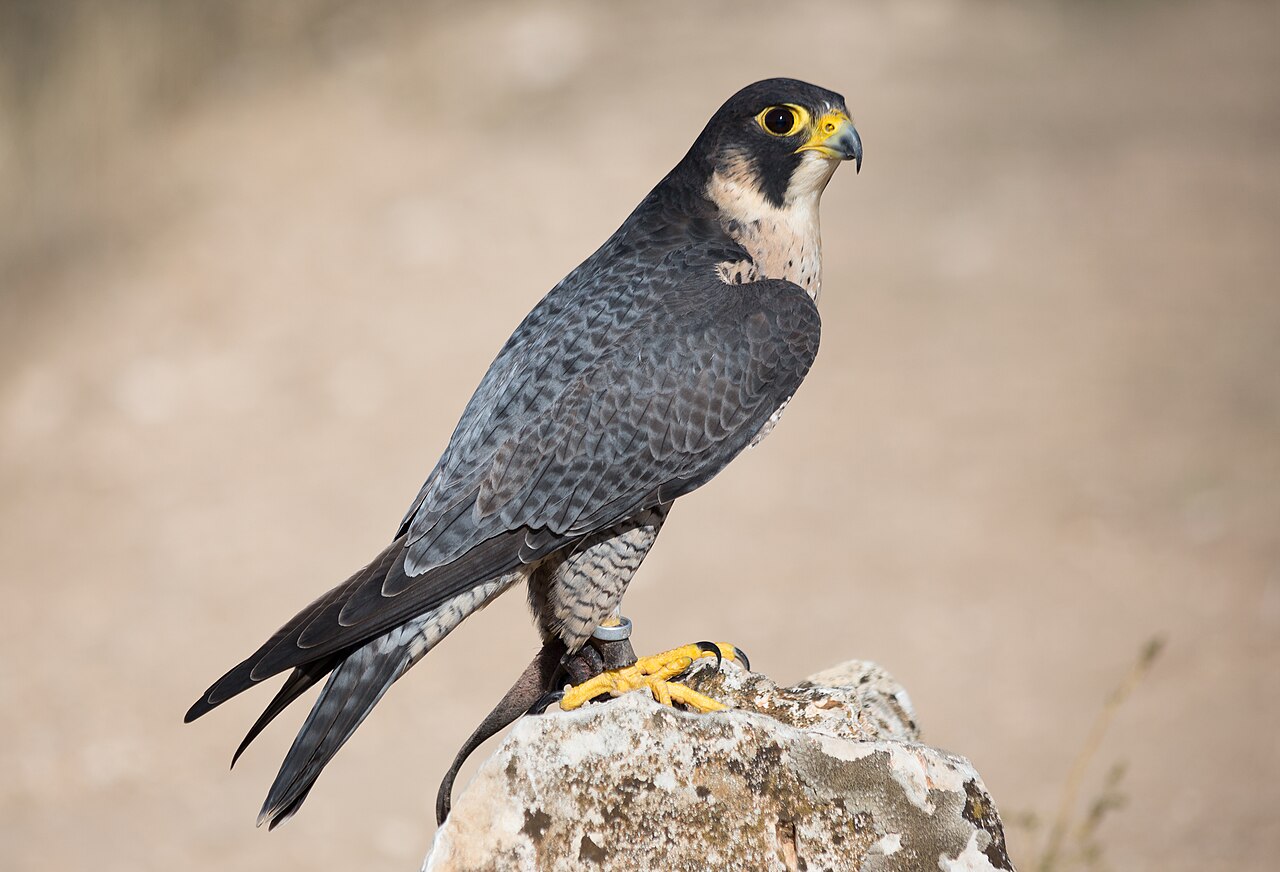
Several types of falcons are especially notable. The American kestrel is the smallest and most common falcon, a colorful bird about the size of a jay, with rusty and blue-gray tones and a habit of hovering over fields while hunting insects and small prey. The peregrine falcon is a powerful, crow-sized falcon with a dark hood and a reputation as the fastest animal on Earth, reaching astonishing speeds in its hunting dives, or stoops. The merlin is a small, fierce, dashing falcon that chases small birds in fast, direct flight. The prairie falcon is a pale, sandy-brown falcon of open western country, and the gyrfalcon is the largest falcon, a bird of the arctic that varies from white to gray to dark. The rare aplomado falcon is slender and boldly patterned, and the crested caracara is a long-legged, boldly marked falcon relative of the southern United States. Each has its own look and hunting style.
How to Tell Falcons Apart
Telling falcons apart is easier when you use size, color, and behavior. Start with size, since the American kestrel is small and jay-sized, the merlin is small but stockier and darker, the peregrine and prairie falcons are medium-large, and the gyrfalcon is the largest. Look at the color and pattern, as the kestrel is colorful with rusty and blue tones and facial markings, the peregrine has a dark hood and helmet, the prairie falcon is pale sandy-brown, and the gyrfalcon is highly variable. Note behavior, since the kestrel hovers while hunting, the merlin flies fast and low after birds, and the peregrine makes spectacular high-speed dives. Habitat and range help too, from the kestrel’s open fields to the gyrfalcon’s arctic tundra. All falcons share pointed wings and a notched bill. By combining size, color, behavior, and range, you can identify most falcons, a rewarding challenge for these speedy raptors, as explored in our guide to types of eagles.
Where Falcons Live
Falcons live in a wide range of habitats across North America, generally favoring open country where they can use their speed. The American kestrel is common in open fields, farmland, grasslands, deserts, and along roadsides, often perching on wires and hovering while hunting, and it is widespread and year-round in much of its range. The peregrine falcon is found in a variety of open habitats, from coastlines and mountains to cities, where it nests on tall buildings and bridges and hunts pigeons, and it occurs worldwide. The merlin favors open and semi-open areas, the prairie falcon lives in arid western landscapes, and the gyrfalcon inhabits the arctic tundra, occasionally moving south in winter. The crested caracara is found in open country of the southern United States. Some falcons are year-round residents, while others migrate. Because falcons hunt in the open and some adapt to cities, they can be seen in many settings, from farmland to downtown, as detailed in our guide to types of owls.
Falcons vs Hawks
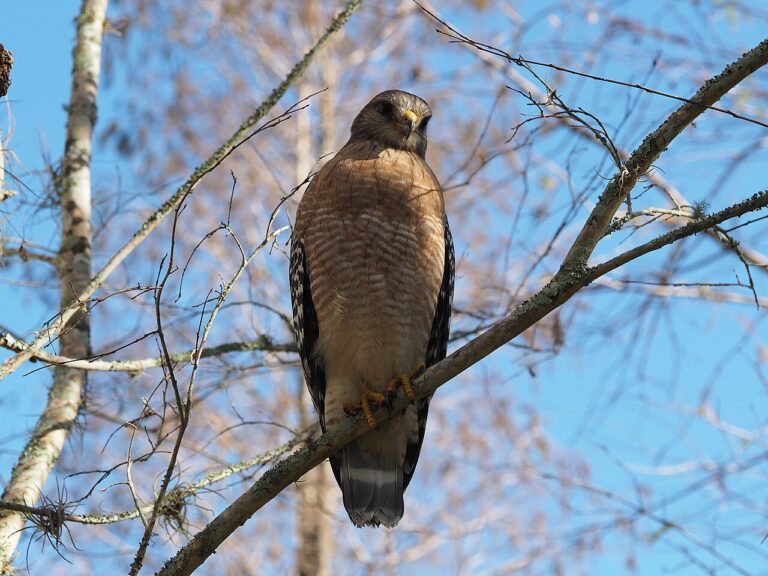
A common question is how falcons differ from hawks, since both are birds of prey. The main differences come down to body shape, flight, and how they hunt. Falcons have long, pointed, swept-back wings built for fast, powerful flight, while many hawks have broader, more rounded wings suited to soaring or maneuvering. Falcons tend to rely on speed and swift pursuit, often catching prey in the air with rapid flight or spectacular dives, whereas hawks often soar and then drop onto prey or ambush it. Falcons also have a distinctive notch or tooth on the bill for dispatching prey, which hawks lack. Additionally, falcons are more closely related to parrots than to hawks, despite their similar predatory lifestyle, so the resemblance is a case of similar adaptations rather than close kinship. Understanding these differences in shape, flight, and hunting helps distinguish falcons from hawks, as explored in our guide to types of hawks.
The Peregrine Falcon, the Fastest Animal on Earth
The peregrine falcon deserves special attention as the most famous falcon of all. According to the Cornell Lab of Ornithology, the peregrine falcon is renowned as the fastest animal on Earth, reaching extraordinary speeds when it dives, and it has adapted to nest on tall buildings in cities. During its hunting dive, called a stoop, the peregrine folds its wings and plummets from great height to strike flying prey, achieving speeds that make it the fastest creature in the world. This incredible speed, combined with keen eyesight and powerful talons, makes the peregrine a supremely effective hunter of birds. Remarkably, peregrine falcons have taken to urban life, nesting on skyscrapers, bridges, and other tall structures that mimic the cliffs they naturally use, and hunting the pigeons that abound in cities. The peregrine’s recovery from severe declines is also a great conservation success. Understanding this iconic falcon highlights what makes the whole group so impressive, alongside the raptors in our guide to attracting birds.
The American Kestrel, North America’s Smallest Falcon
At the other end of the size scale, the American kestrel is the falcon most people are likely to see. This little falcon, only about the size of a jay, is the smallest and most common falcon in North America, and it is also one of the most colorful birds of prey, with the male showing rusty and blue-gray tones and both sexes having bold facial markings. Kestrels are often seen perched on wires and fence posts along roadsides or hovering in place over fields, holding steady in the air as they scan for insects, small rodents, and other prey below before dropping down to catch them. This hovering behavior is a helpful clue to their identity. Kestrels readily nest in cavities and will use nest boxes, which has helped support their populations in some areas. Because they are small, colorful, and widespread in open country, American kestrels are a delightful and accessible introduction to falcons, complementing the birds in our guide to types of hawks.
Frequently Asked Questions
How many types of falcons are there?
North America has several falcon species, including the American kestrel, peregrine falcon, merlin, prairie falcon, gyrfalcon, aplomado falcon, and the crested caracara.
What is the most common falcon?
The American kestrel is the smallest and most common falcon, a colorful bird often seen hovering over fields or perched on wires while hunting insects and small prey.
What is the fastest falcon?
The peregrine falcon is the fastest falcon and the fastest animal on Earth, reaching astonishing speeds in its high-speed hunting dives, known as stoops.
What is the largest falcon?
The gyrfalcon is the largest falcon, a powerful bird of the arctic tundra that varies in color from white to gray to dark, occasionally moving south in winter.
What is the difference between a falcon and a hawk?
Falcons have long, pointed wings and rely on speed, with a notched bill, while many hawks have broader wings and soar. Falcons are actually more closely related to parrots.
Do falcons live in cities?
Yes, peregrine falcons in particular have adapted to cities, nesting on tall buildings and bridges and hunting pigeons, making them one of the more urban birds of prey.
Where do falcons live?
Falcons live in open country such as fields, farmland, grasslands, deserts, coastlines, and arctic tundra across North America, with some adapting to cities.