Types of Blue Birds in Michigan: Identification Guide
The blue birds of Michigan include the eastern bluebird, blue jay, indigo bunting, tree swallow, belted kingfisher, and blue-gray gnatcatcher. These blue and blue-toned birds brighten Michigan’s yards, fields, and wetlands from spring through fall. This guide covers the types of blue birds in Michigan, how to identify them, and where to see them.
| Blue Bird | Key Feature |
|---|---|
| Eastern Bluebird | Blue above, orange breast |
| Blue Jay | Bold blue, crest, noisy |
| Indigo Bunting | All-blue male, small finch |
| Tree Swallow | Blue-green above, white below |
| Belted Kingfisher | Blue-gray, crested, by water |
| Blue-gray Gnatcatcher | Tiny, blue-gray, long tail |
How Many Blue Birds Live in Michigan?
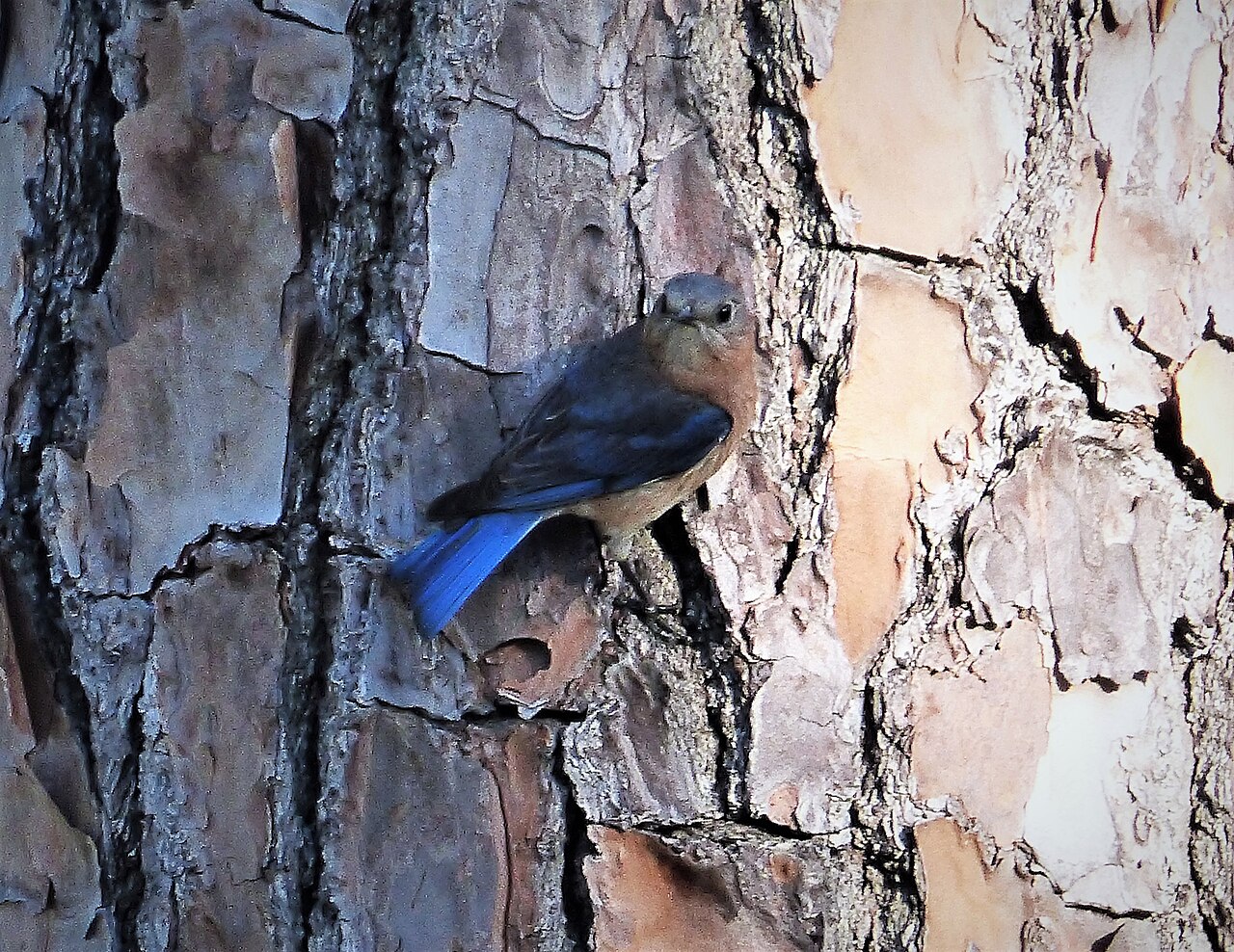
Michigan hosts a lovely variety of blue and blue-toned birds, most present in the warmer months. The eastern bluebird is the classic, a beloved bird with a blue back and orange breast that nests in open areas and readily uses nest boxes. The blue jay is a bold, familiar year-round resident, bright blue with a crest and a loud voice. The indigo bunting is a small finch whose breeding male is entirely brilliant blue, singing from field edges in summer, while the tree swallow is an iridescent blue-green swallow that nests in boxes and hunts insects over fields and water. The belted kingfisher is a blue-gray, crested bird found along rivers and lakes, and the tiny blue-gray gnatcatcher is a delicate, long-tailed bird of woodlands. Some of these are true blues while others are blue-gray, but all add color to the state. Understanding Michigan’s blue birds begins with these species, and the classic is covered in our guide to the eastern bluebird.
Common Michigan Blue Birds and How to Identify Them
Several blue birds are especially worth knowing in Michigan. The eastern bluebird is a small thrush with a blue head and back, a rusty-orange breast, and a white belly, often seen perched on wires and fenceposts in open country. The blue jay is a large, crested songbird in bold blue, white, and black, common in woods and yards and known for its noisy calls. The indigo bunting male is a small, seed-eating bird of an intense, uniform blue, though the female is plain brown, and it sings a cheerful song from summer thickets. The tree swallow is a sleek swallow, iridescent blue-green above and clean white below, that swoops after insects and nests in cavities and boxes. The belted kingfisher is a stocky, blue-gray bird with a shaggy crest, and the blue-gray gnatcatcher is a tiny, active, blue-gray bird with a long tail. Each blue bird is a delight, as explored in our guide to types of blue birds in Virginia.
Where to See Blue Birds in Michigan
Blue birds can be found across Michigan in a range of habitats. Open areas with scattered trees, such as fields, orchards, parks, and roadsides, are ideal for eastern bluebirds, especially where nest boxes are provided, and these same open habitats attract tree swallows, which also nest in boxes. Blue jays are found almost everywhere there are trees, including woodlands, parks, and backyards, and they readily visit feeders. Indigo buntings favor brushy field edges, roadsides, and woodland clearings in summer, where the blue males sing from exposed perches. The belted kingfisher is tied to water, seen along rivers, streams, lakes, and ponds, and the blue-gray gnatcatcher lives in deciduous woodlands, flitting actively through the foliage. Most of these birds are present in Michigan from spring through fall and migrate south for winter, though the blue jay remains year-round. Because habitats vary, different blue birds are found in different places, as detailed in our guide to types of owls in Michigan.
The Bluebird Comeback
The eastern bluebird is a conservation success story, and Michigan has played its part. According to the Cornell Lab of Ornithology, eastern bluebird populations declined in the twentieth century but have rebounded, helped by people putting up nest boxes across the bird’s range. Bluebirds are cavity nesters that once relied on natural tree holes and old woodpecker cavities, but competition from introduced house sparrows and European starlings, along with loss of habitat and nest sites, caused their numbers to fall. Dedicated birders responded by establishing bluebird trails, lines of nest boxes along suitable open habitat, and this effort has helped eastern bluebirds recover strongly, including across Michigan. Today, thanks to these boxes and the work of volunteers, bluebirds are a common and cheerful sight in the state’s open countryside. This recovery shows how individual actions can make a real difference for birds, and it is a rewarding reason to put up a box, as explored in our guide to types of blue birds in Virginia.
Attracting Blue Birds in Michigan
Attracting blue birds to your Michigan yard is rewarding and achievable with a few steps. For eastern bluebirds and tree swallows, the single most effective action is to put up nest boxes in open habitat, mounted on poles with predator guards, ideally facing an open area where the birds can hunt insects. Offering mealworms, either live or dried, is a favorite way to draw bluebirds in, and a birdbath or shallow water source attracts many blue birds for drinking and bathing. Blue jays are easily attracted to feeders with peanuts, sunflower seeds, and suet, and they are entertaining year-round visitors. Planting native trees and shrubs that produce berries and support insects benefits indigo buntings, gnatcatchers, and others, and leaving some brushy edges provides cover and nesting habitat for buntings. Avoiding pesticides ensures plenty of insects for these birds to eat. By providing boxes, water, food, and habitat, you can enjoy a variety of blue birds, as detailed in our guide to types of owls in Michigan.
Enjoying Blue Birds Through the Seasons
Michigan’s blue birds bring color across the seasons, and knowing their rhythms helps you enjoy them. Spring is a wonderful time, as eastern bluebirds return to claim nest boxes, tree swallows arrive to swoop over fields and water, and indigo buntings begin singing their bright songs from field edges, the males in brilliant breeding blue. Summer brings active nesting, with bluebirds often raising more than one brood in a season and blue jays tending their young in the woods. In fall, many blue birds gather and begin migrating south, with indigo buntings and gnatcatchers departing for the tropics, while bluebirds may linger and even overwinter in small numbers where food and shelter allow. Winter is the season of the blue jay, a hardy year-round resident that brightens snowy yards and feeders with its bold color and lively calls. By providing nest boxes, food, and habitat, and by watching through the year, Michigan birders can enjoy the changing procession of blue birds from the first spring arrivals to the hardy jays of winter.
Appreciating Michigan Blue Birds
Michigan blue birds are a rewarding group to appreciate, both for their beauty and for their variety. From the beloved eastern bluebird and the bold blue jay to the brilliant indigo bunting and the iridescent tree swallow, these blue and blue-toned birds bring color to the state’s yards, fields, and wetlands. Learning to recognize the different species, putting up nest boxes, and watching bluebirds and swallows raise their families all deepen the pleasure of birding in Michigan. Because several of these birds readily use nest boxes and visit yards, they offer wonderful opportunities to observe and help them up close. Taking the time to appreciate Michigan’s blue birds, and to support them through boxes and habitat, connects you to one of the most colorful and rewarding parts of the state’s birdlife.
Related reading: types of blue birds in south carolina.
Frequently Asked Questions
What kinds of blue birds live in Michigan?
Michigan’s blue birds include the eastern bluebird, blue jay, indigo bunting, tree swallow, belted kingfisher, and blue-gray gnatcatcher, among other blue-toned species.
Are bluebirds common in Michigan?
Yes, eastern bluebirds are common in Michigan in open habitats, especially where nest boxes are provided. Bluebird trails have helped the species thrive across the state.
What is the small bright blue bird in Michigan?
The indigo bunting is a small, entirely blue bird seen in Michigan in summer. The brilliant blue is the breeding male, while the female is plain brown.
What blue bird is blue-green and nests in boxes?
The tree swallow is iridescent blue-green above and white below, and it nests in cavities and nest boxes, often in the same open habitats as eastern bluebirds.
Do blue jays live in Michigan year-round?
Yes, blue jays are year-round residents in Michigan, found in woods, parks, and backyards, and they readily visit feeders, especially for peanuts and sunflower seed.
How do you attract bluebirds in Michigan?
Put up a nest box in open habitat with a hole about one and a half inches across, mounted on a pole with a predator guard, and offer mealworms to draw them in.
Where can you see blue birds in Michigan?
Look in open fields for bluebirds and tree swallows, woods and yards for blue jays, brushy edges for indigo buntings, and along water for belted kingfishers.