Eastern Screech-Owl Sounds: Trills and Whinnies Explained
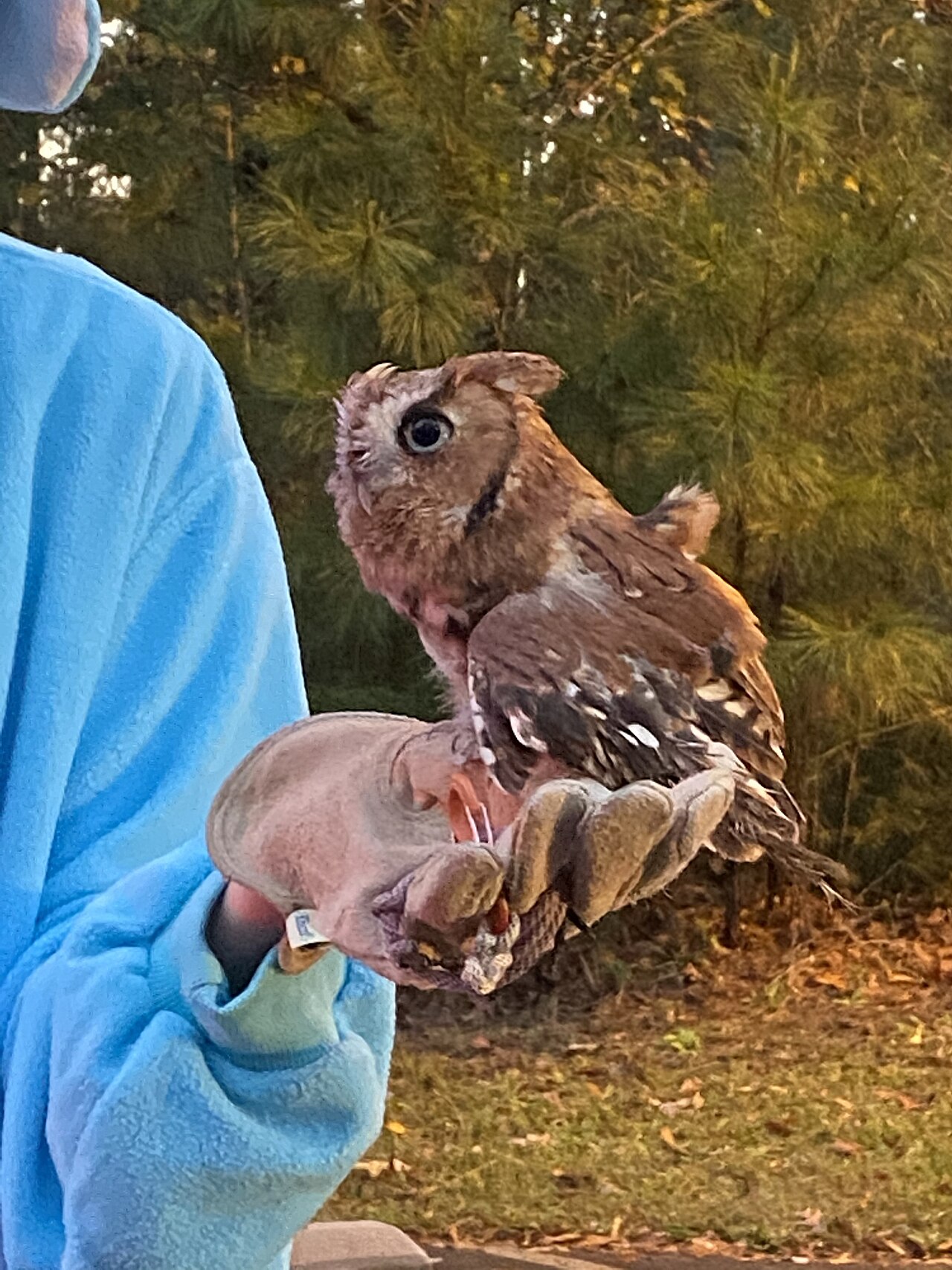
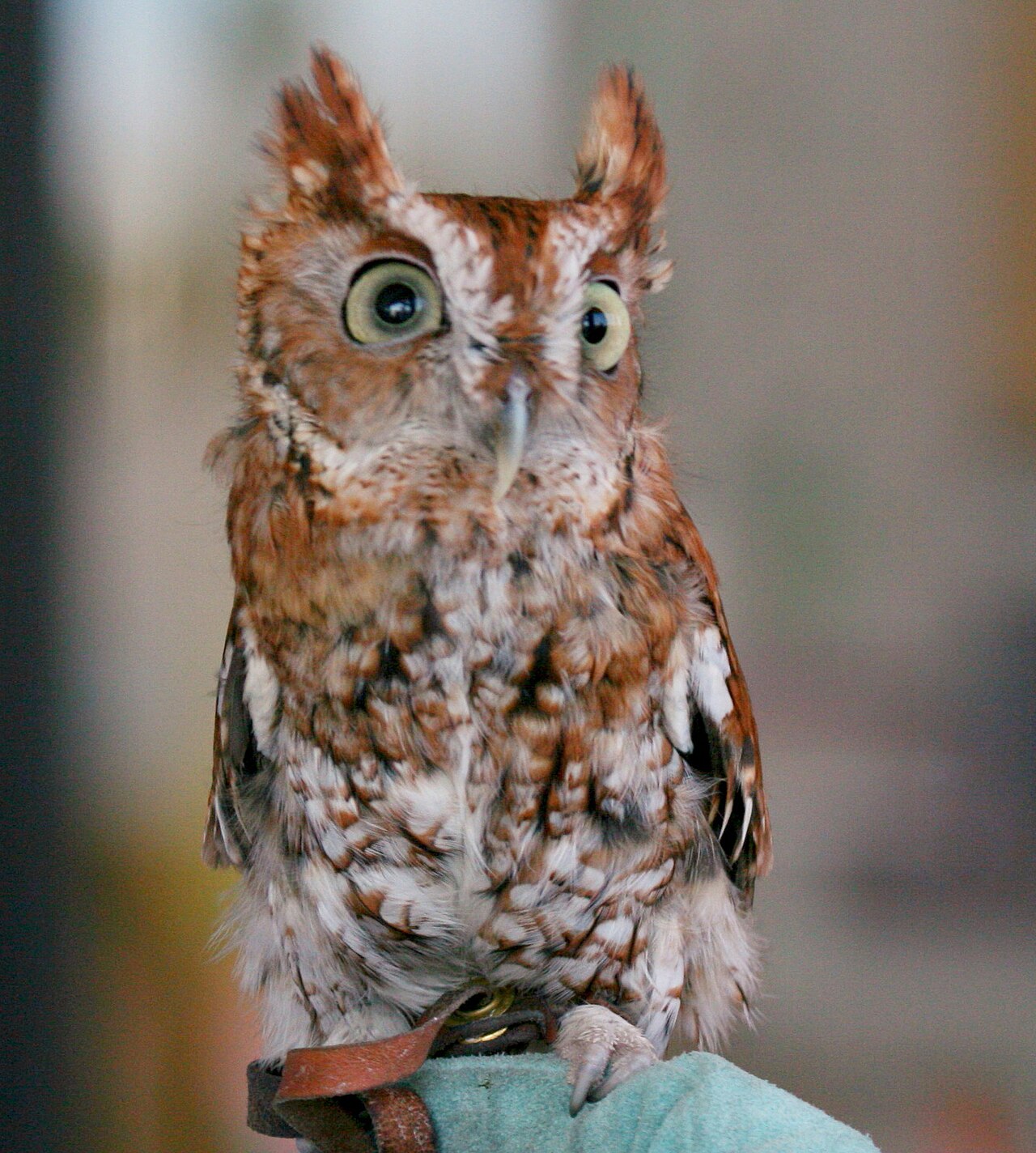
Eastern Screech-Owl sounds surprise almost everyone, because despite its name this little owl does not screech at all. Instead, the Eastern Screech-Owl gives two soft, tremulous calls: a descending, horse-like whinny and an even-pitched, rolling trill, both gentle and haunting rather than harsh. Because these sounds are quiet and easily missed, many people share a neighborhood with a screech-owl for years without realizing it. This guide explains exactly what an Eastern Screech-Owl sounds like, what its whinny and trill mean, the calls of the young, when and where you will hear them, and how to tell this owl apart from other night sounds.
| Call | Sounds like | Meaning |
|---|---|---|
| Descending whinny | A soft, wavering horse-like whinny | Territory defense |
| Monotonic trill | An even, rolling trill on one pitch | Contact between mates and family |
| Combined calls | Whinny followed by trill | Advertising and pairing |
| Begging notes | Soft, raspy calls from young | Owlets asking for food |
What an Eastern Screech-Owl sounds like
The Eastern Screech-Owl has two main calls, neither of which is a screech. The first is a descending whinny, a soft, wavering, tremulous sound that falls in pitch and closely resembles the whinny of a small horse. The second is an even-pitched trill, sometimes called a bounce or tremolo, a steady rolling sound held on a single note for several seconds. Both are gentle and slightly mournful, carrying a haunting quality that many people find lovely once they recognize it.
These sounds are quiet compared with the far-carrying hoots of larger owls, so they are easy to overlook, but they are unmistakable once learned. If you hear a soft, descending, horse-like whinny or a steady, tremulous trill from a wooded suburb or park at night, you are almost certainly listening to an Eastern Screech-Owl, whatever its name might suggest.
What the whinny and trill mean
The two calls serve different purposes. The descending whinny is chiefly a territorial call, used to announce ownership of a patch and to warn off rival screech-owls, so it tends to be given when the owl is defending its ground. The even trill, by contrast, is a contact call used between members of a pair and among family members, a gentle sound that keeps mates and young in touch and features prominently during courtship and nesting.
Often an owl will give both, a whinny followed by a trill, when it is advertising for or communicating with a mate. Because the trill is the sound of pairs and families, an increase in trilling in late winter and spring is a good sign that screech-owls are pairing up and nesting nearby. To learn more about the bird behind these sounds, see our Eastern Screech-Owl profile.
The sounds of young screech-owls
In late spring and early summer, after the eggs hatch, a new set of sounds joins the adults’ whinnies and trills. Young Eastern Screech-Owls give soft, raspy begging notes as they call for food from the nest cavity and, later, from perches nearby as they fledge. These begging calls are quieter and less grating than those of larger owls, but they can be persistent, especially at dusk when the adults are hunting.
Recognizing these juvenile sounds helps you follow a screech-owl family through the breeding season. A cluster of soft, insistent begging calls near a nest box or tree cavity in early summer usually means a brood of owlets is being fed, a delightful sign that a pair has nested successfully in your neighborhood.
When and where you will hear them
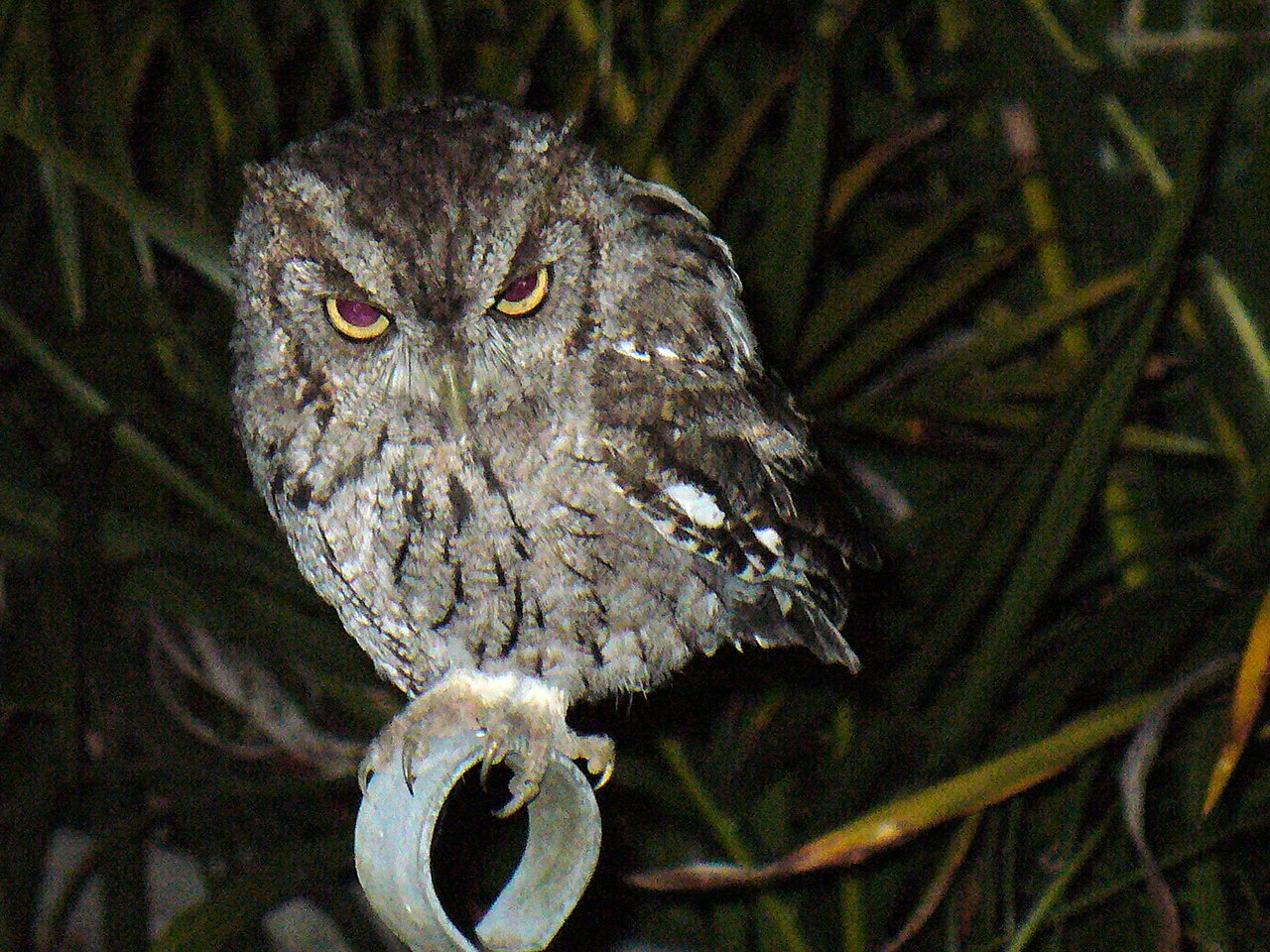
Eastern Screech-Owls call throughout the year but are most vocal from late winter through spring, during courtship and nesting, and again in autumn as young birds disperse and set up territories. They favor woodlands, forest edges, orchards, parks, and leafy suburbs across the eastern United States, so their calls often come from surprisingly close to homes, sometimes from a single mature tree in a backyard.
Because their voices are soft, still, calm nights are best for hearing them, and they call most in the hours after dusk and before dawn. Their tolerance for human company means the Eastern Screech-Owl is one of the owls most likely to be calling near where people live, hidden in a tree cavity or nest box by day and giving its gentle whinny and trill by night.
How to tell it apart from other sounds
The Eastern Screech-Owl’s soft descending whinny and even trill are quite different from the hoots of larger owls. The Great Horned Owl gives deep, muffled hoots, and the Barred Owl gives a rhythmic “who cooks for you,” neither of which resembles a whinny or trill. The very similar Western Screech-Owl gives an accelerating “bouncing ball” series of whistles rather than a descending whinny, and the two barely overlap in range.
Other night sounds sometimes cause confusion: certain frogs and insects trill, and the whinny can briefly suggest a distant horse. But the combination of a descending horse-like whinny and a steady tremulous trill, coming from a wooded area at night in the East, points firmly to the Eastern Screech-Owl. The Cornell Lab of Ornithology and Audubon provide recordings of both calls. For a full comparison, see our guide to owl calls by species.
Eastern versus Western Screech-Owl sounds
The Eastern Screech-Owl has an almost identical western counterpart whose voice is the clearest way to tell them apart. The Eastern Screech-Owl gives a soft, descending, horse-like whinny and a steady, even trill. The Western Screech-Owl, by contrast, gives an accelerating series of short whistles often described as a “bouncing ball,” starting slowly and speeding up at the end, plus a two-part trill sequence.
The two species barely overlap in range, so location usually answers the question on its own, but where their ranges approach each other near the Great Plains, voice is decisive. Neither owl actually screeches, despite the shared name. Learning both patterns, the Eastern’s descending whinny and the Western’s accelerating whistles, lets you identify a calling screech-owl instantly. For every owl’s signature sound side by side, see our guide to owl calls by species.
Attracting and hearing screech-owls in your yard
Few owls are as easy to host as the Eastern Screech-Owl, and a resident pair brings its soft calls right to your windows. The key is a nest box: mount one 10 to 30 feet high in a quiet, shaded spot near some open ground for hunting, ideally before late winter, with a layer of wood shavings inside. Mature trees and cavities left standing also help, and avoiding rodenticides protects the small prey the owls depend on.
Once a screech-owl is in residence, learn its two calls, the descending whinny and the even trill, and listen on still nights from late winter onward, when pairs are most vocal. In early summer you may hear the soft begging notes of owlets, a sign of a successful nesting. A backyard screech-owl is one of the most rewarding and low-effort ways to bring owl sounds into your life.
Related reading: Great Horned Owl Sounds.
Related reading: Coyote Sounds.
Frequently Asked Questions
Do Eastern Screech-Owls actually screech?
No. Despite the name, they do not screech. They give a soft, descending, horse-like whinny and an even-pitched, rolling trill, both gentle and tremulous rather than harsh.
What does an Eastern Screech-Owl sound like?
Two main calls: a descending whinny that resembles a small horse, used to defend territory, and a steady trill on one pitch, used as a contact call between mates and family members.
What does the screech-owl’s trill mean?
The even trill is a contact call used between a pair and among family members. It is common during courtship and nesting, so more trilling in late winter and spring signals owls pairing up nearby.
What do baby screech-owls sound like?
Young Eastern Screech-Owls give soft, raspy begging notes to ask for food, from the nest cavity and later from nearby perches. They are quieter than larger owls’ begging but can be persistent at dusk.
When are Eastern Screech-Owls most vocal?
From late winter through spring during courtship and nesting, and again in autumn as young birds disperse. Still, calm nights after dusk and before dawn are best for hearing their soft calls.
Why do people rarely notice screech-owls calling?
Their whinny and trill are quiet compared with the far-carrying hoots of larger owls, so they are easy to miss. Many people live near a screech-owl for years without realizing it.
How do I tell an Eastern from a Western Screech-Owl by sound?
The Eastern gives a descending whinny and a steady trill, while the Western gives an accelerating ‘bouncing ball’ series of whistles. The two species also barely overlap in range.
Will a screech-owl call near my house?
Very possibly. Eastern Screech-Owls live in leafy suburbs and use nest boxes, so they often call from a single mature tree or box in a yard. Listen for the whinny and trill on still nights.