Bald Eagle Sounds: The Real Call vs the Hollywood Myth
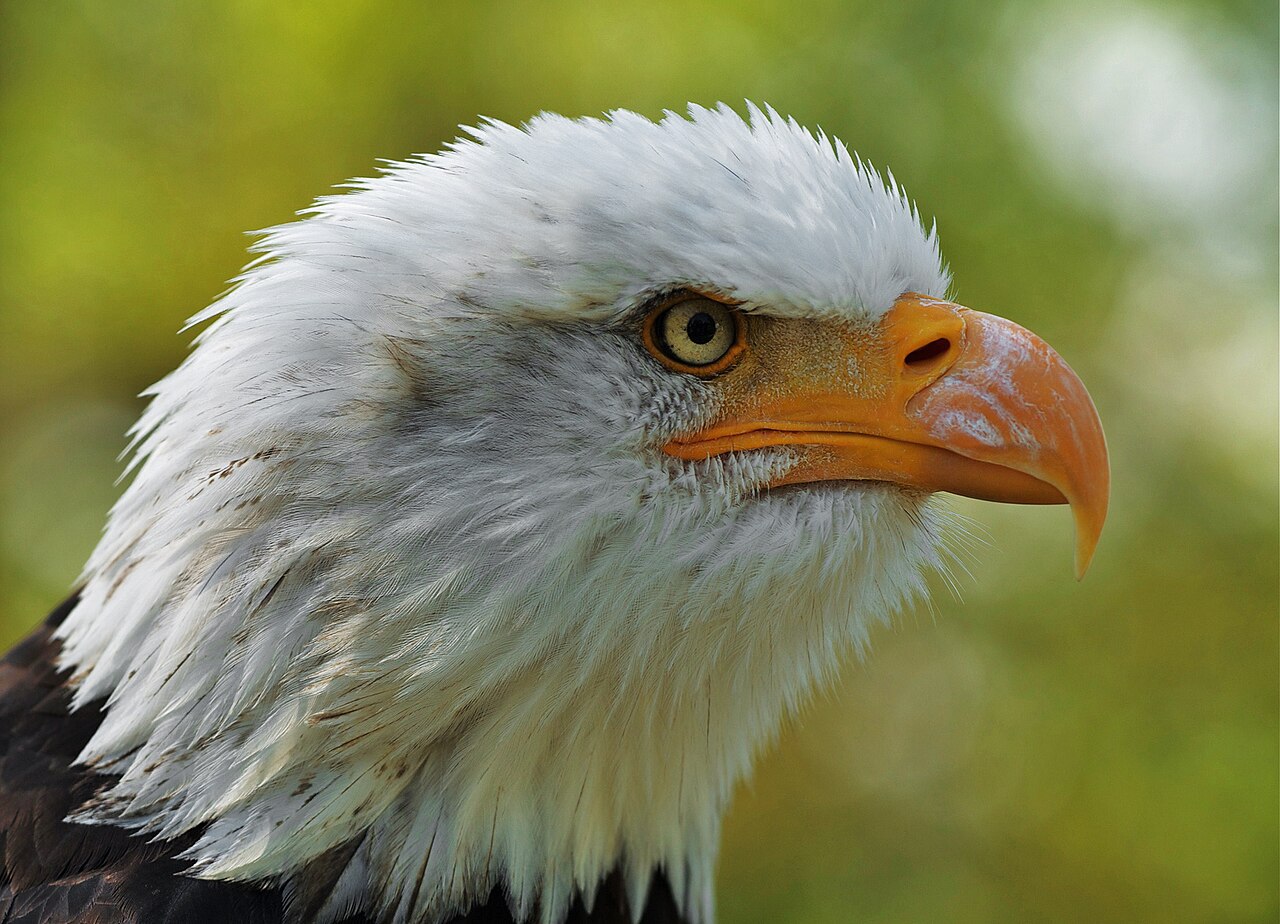
Bald eagle sounds genuinely surprise most people the first time they hear them, since this majestic bird’s actual voice is a notably weak, high-pitched, chattering or piping call quite unlike the powerful, resonant scream Hollywood sound design has trained audiences to expect from America’s national bird, a mismatch so pronounced that the dramatic eagle screech heard in countless films and television shows is actually borrowed from an entirely different bird, the red-tailed hawk, whose considerably more impressive vocalization Hollywood sound editors substituted for the bald eagle’s genuinely underwhelming actual call.
Beyond this famous Hollywood substitution, bald eagles produce a genuinely varied vocal repertoire including distinctive chattering calls, softer contact calls between mates, and specific vocalizations tied to feeding and territorial contexts, all delivered in that same notably high-pitched, somewhat thin quality that contrasts so strikingly with the bird’s imposing physical size and powerful predatory reputation. This guide covers the bald eagle’s actual documented calls, the genuine Hollywood substitution story, when and why eagles vocalize, and how to distinguish real bald eagle sounds from the more dramatic hawk calls commonly mistaken for them.
| Sound | What It Means |
|---|---|
| Chattering call | Primary vocalization, various contexts |
| High-pitched piping | Contact, territorial announcement |
| Softer calls near nest | Mate and family communication |
| Increased calling | Territorial disputes, feeding contexts |
| Movie “eagle screech” | Actually a red-tailed hawk call |
| Peak vocal activity | Breeding and nesting season |
What Bald Eagles Actually Sound Like
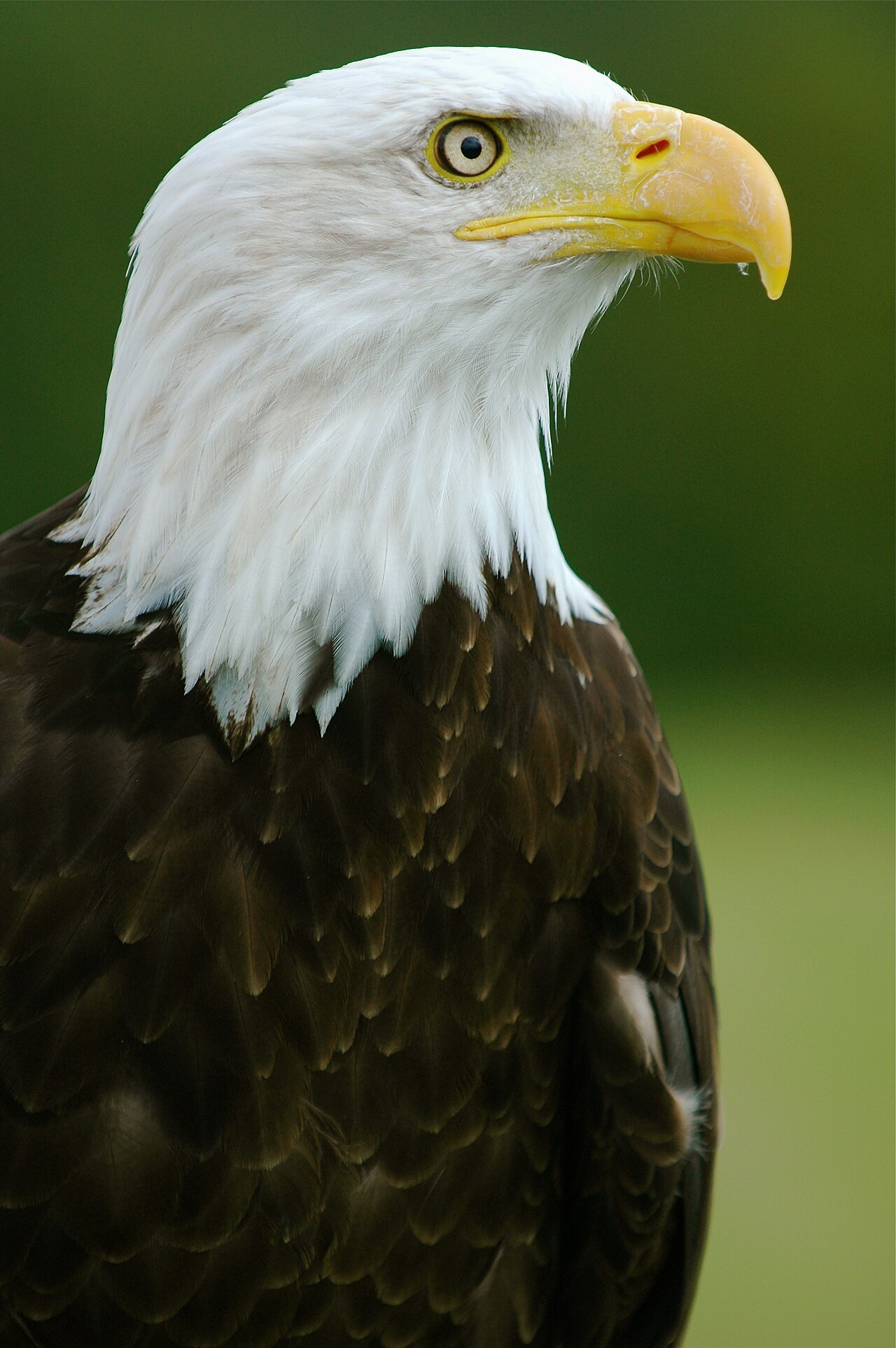
The bald eagle’s genuine vocalization is a notably high-pitched, somewhat weak chattering or piping call, often described as thin, squeaky, or even comically underwhelming compared to what most people expect from such a large, powerful predatory bird, a call quality that consistently surprises people encountering an actual bald eagle vocalization for the first time after a lifetime of exposure to the dramatically different sound Hollywood has trained audiences to associate with this species.
This chattering call typically consists of a series of rapid, high-pitched notes rather than any single sustained scream or screech, giving bald eagle vocalization a genuinely distinctive rhythmic, staccato quality quite different from the more sustained, powerful screams and screeches many other birds of prey, including the red-tailed hawk covered in the next section, characteristically produce instead.
Despite lacking the dramatic power some might expect, bald eagle calls carry reasonably well across the open water and forest habitats this species typically favors, serving genuine communicative functions covered throughout this guide even without matching the more theatrically impressive vocal quality popular media has associated with this species for decades through the substitution story covered next.
The Hollywood Substitution: Borrowing the Red-Tailed Hawk’s Scream
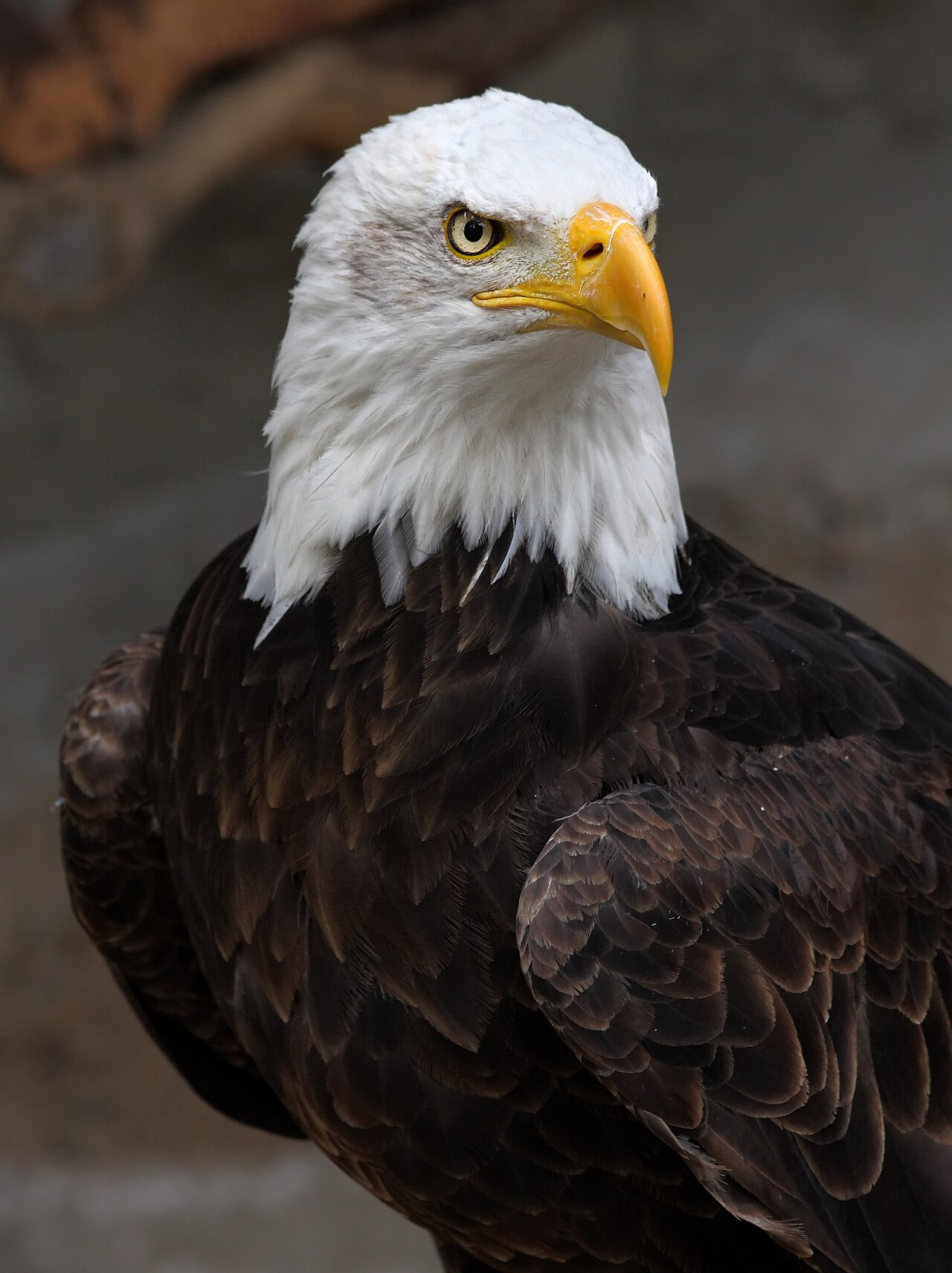
The dramatic, powerful eagle screech featured in countless films, television shows, and other media depicting bald eagles is genuinely not the bald eagle’s actual call at all, but rather the red-tailed hawk’s considerably more impressive and powerful scream, substituted by sound editors specifically because the bald eagle’s genuine high-pitched chattering call was deemed insufficiently dramatic or impressive for the visual grandeur bald eagles represent on screen.
This substitution has become so thoroughly embedded in popular culture that many people, including some who have spent considerable time around actual bald eagles, genuinely believe the borrowed red-tailed hawk scream represents the bald eagle’s authentic call, a documented case of media representation shaping popular perception of a real animal’s biology in a way that differs meaningfully from actual, verifiable natural history.
This widespread misconception makes bald eagle vocalization a genuinely interesting case study in how media portrayal can distort public understanding of even a well-known, culturally significant species, similar to how the actual fox scream gets misattributed to various other animals in popular imagination, and correcting this common misunderstanding, understanding that the powerful scream everyone associates with eagles actually belongs to a different bird entirely, covered in more detail in our hawk vs eagle guide, offers a genuinely enlightening piece of natural history trivia for anyone specifically interested in accurate wildlife sound identification.
Why the Substitution Persists in Modern Media
Despite the widespread availability of accurate bald eagle recordings and growing public awareness of this substitution among dedicated birders and wildlife enthusiasts, the borrowed red-tailed hawk scream continues appearing in new film and television productions depicting bald eagles, suggesting sound editors and directors continue prioritizing dramatic impact over biological accuracy when the genuine bald eagle call simply fails to match the visual grandeur audiences expect from this iconic species on screen.
This persistence reflects a broader pattern in media wildlife representation, where dramatic or aesthetic considerations sometimes override strict accuracy, similar to other well-documented cases of substituted or exaggerated animal sounds in film and television more broadly, making the bald eagle scream substitution one particularly well-known and thoroughly documented example within this larger pattern of creative license in wildlife media representation.
For wildlife education and accurate public understanding specifically, this persistent substitution presents an ongoing minor challenge, since each new film or show continuing the practice reinforces the inaccurate popular association rather than allowing genuine bald eagle vocalization greater opportunity to become the more widely recognized and expected sound, making dedicated wildlife education resources and accurate nature documentaries genuinely valuable counterweights to this persistent media pattern.
When and Why Bald Eagles Call
Bald eagles vocalize across several distinct behavioral contexts, including territorial announcement and defense, particularly during the breeding season when established pairs actively defend their nesting territory against intruding eagles, contact communication between mated pairs maintaining awareness of each other’s location, and vocalizations specifically associated with feeding, including calls given near a food source or carcass.
Calling frequency and intensity typically increases during genuine territorial disputes, when a resident pair encounters or perceives an intruding eagle within their established territory, with more intense, sustained chattering calls signaling this heightened territorial tension compared to the more routine, lower-intensity contact calls exchanged during normal daily activity between an established mated pair.
Bald eagles also call around the nest specifically, with both parents producing softer vocalizations directed at each other and, once hatched, their eaglets, a family communication context that serves coordination purposes similar to the contact-calling behavior documented across many other bird species raising young, though delivered in that same characteristic high-pitched chattering quality that defines bald eagle vocalization generally across all these varied behavioral contexts.
Seasonal Patterns in Eagle Vocalization
Bald eagle vocal activity concentrates most heavily during the breeding and nesting season, when territorial establishment, mate communication, and family coordination all reach their peak importance, with calling frequency generally declining somewhat outside this core breeding period as the specific communicative needs driving more frequent vocalization during nesting season become less pressing.
Eagles remain capable of vocalizing year-round, however, including calls associated with feeding opportunities, territorial maintenance even outside active breeding, and general contact communication among family groups or wintering congregations where multiple eagles may gather at abundant food sources like fish runs, meaning eagle calls can genuinely be heard across all seasons even if breeding season represents the peak vocal activity period specifically.
Regional and seasonal eagle congregations, particularly notable winter gatherings at reliable food sources like salmon runs or open water areas with abundant fish, can produce increased overall calling activity simply due to higher eagle density and the associated territorial and feeding-related vocalizations multiple eagles sharing a concentrated food source characteristically generate during these seasonal congregation periods.
Bald Eagle Sounds vs Golden Eagle and Hawk Calls
The golden eagle, another large North American eagle species, produces its own distinct vocalization, generally described as a series of yelping or chirping notes, somewhat different in specific quality from the bald eagle’s characteristic chattering call, though both species share the general theme of vocalizations considerably less dramatic than popular media portrayal suggests for large eagles generally, covered in additional species-specific detail in our golden eagle guide.
The red-tailed hawk’s genuine scream, the actual sound source behind the famous Hollywood “eagle screech” covered earlier, is considerably more powerful and sustained than any authentic eagle vocalization, making this specific hawk call the actual sound most people have in mind when they picture what an eagle “should” sound like based on decades of media conditioning rather than genuine familiarity with real eagle vocalization.
For readers specifically interested in the broader landscape of raptor identification by sound, our comprehensive types of eagles guide covers additional species-specific detail beyond the bald and golden eagles specifically discussed throughout this guide, while our owl sounds guide addresses another commonly confused category of large bird-of-prey vocalization worth understanding alongside the eagle and hawk calls covered here.
Correcting the Common Misconception
Understanding that the dramatic eagle screech featured throughout popular media actually belongs to the red-tailed hawk rather than any genuine eagle species offers a genuinely valuable piece of accurate wildlife knowledge worth sharing, particularly for anyone specifically interested in correcting widespread misconceptions about American wildlife that popular culture has inadvertently perpetuated through decades of this particular sound substitution practice.
This correction matters beyond simple trivia value, since accurately understanding what bald eagles actually sound like helps genuine wildlife observers correctly identify real eagle presence by ear, rather than expecting the considerably more dramatic borrowed hawk scream that media conditioning has trained most people to anticipate, potentially causing observers to overlook or dismiss actual bald eagle vocalizations as somehow not matching what an eagle “should” sound like.
Sharing this genuinely interesting piece of accurate natural history, that America’s iconic national bird actually sounds considerably less impressive than popular culture suggests, while a different bird entirely provides the borrowed dramatic soundtrack, offers a memorable and engaging way to build broader interest in accurate wildlife sound identification beyond just bald eagles specifically, encouraging more careful, genuine attention to actual animal sounds rather than media-conditioned expectations.
Frequently Asked Questions
What does a bald eagle actually sound like?
A notably high-pitched, somewhat weak chattering or piping call, quite different from the powerful scream most people expect, delivered as a series of rapid notes rather than a single sustained screech.
Is the eagle screech in movies real?
No, the dramatic scream featured in most films and television shows is actually a red-tailed hawk call, substituted by sound editors because the bald eagle’s genuine call was considered insufficiently dramatic for on-screen use.
Why do bald eagles sound weaker than expected?
Their genuine vocalization is simply a high-pitched chattering call rather than a powerful scream; this mismatch between their impressive size and comparatively weak voice surprises many people encountering real eagle calls for the first time.
When are bald eagles most vocal?
Primarily during the breeding and nesting season, when territorial defense, mate communication, and family coordination all increase calling frequency, though eagles can vocalize year-round in various contexts.
Do golden eagles sound different from bald eagles?
Yes, golden eagles produce their own distinct yelping or chirping call pattern, though both species share vocalizations considerably less dramatic than popular media portrayal of eagle sounds generally suggests.
What bird makes the famous “eagle scream” sound in movies?
The red-tailed hawk, whose considerably more powerful and sustained scream has been used as a substitute for the bald eagle’s genuine, much weaker chattering call throughout decades of film and television.
Why do bald eagles chatter near their nest?
This softer vocalization serves communication and coordination between mated pairs and, once hatched, their eaglets, similar in function to contact-calling behavior documented across many other nesting bird species.