Brown Thrasher: Facts, ID, and Georgia’s State Bird
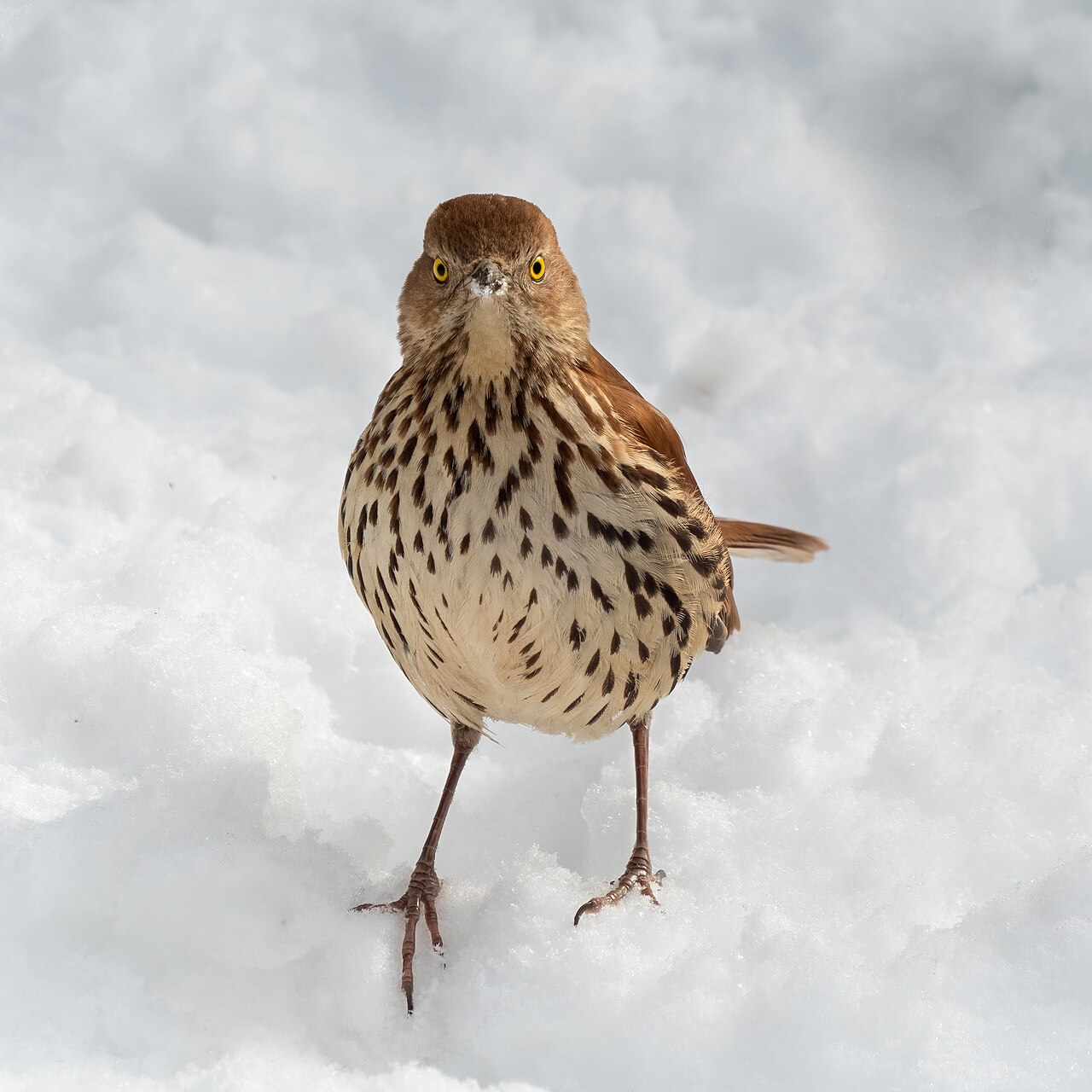
The brown thrasher is a large, striking, reddish brown songbird of thickets and hedgerows across the eastern and central United States, and the official state bird of Georgia. About eleven inches long, it combines bright rusty upperparts, a long tail, boldly streaked underparts, a long curved bill, and piercing yellow eyes into an unmistakable package, if you can catch it in the open. This shy but spectacular mimic owns one of the largest song repertoires of any bird in North America. Here is how to identify it, understand its song, tell it from look alikes, and welcome it to your yard.
| Length | 9.1 to 11.8 inches |
| Key marks | Rusty brown above, heavy streaks below, long tail, yellow eyes, curved bill |
| Song | Mimic, phrases usually repeated in pairs, huge repertoire |
| Range | Eastern and central US, year round in the south |
| State bird | Official state bird of Georgia |
| Diet | Insects, berries, fruit, nuts |
| Nest | Bulky twig nest low in dense shrubs |
How to Identify a Brown Thrasher
The brown thrasher is a big, long bodied songbird, noticeably larger than a robin and built on stretched, elegant lines. The upperparts are a warm foxy reddish brown, and the whitish underparts are covered in heavy dark brown streaks that run in neat rows down the chest and flanks. Two thin white wing bars mark each wing. The tail is very long and often held slightly cocked, the bill is long and gently downcurved, and the eyes are a startling pale yellow that gives the bird an intense stare. There is no other common backyard bird that combines this size, rusty color, and streaked chest. It sometimes gets confused with the brighter members of our brown birds roundup, but its size and yellow eye settle it.
The Brown Thrasher Song: A Thousand Phrases
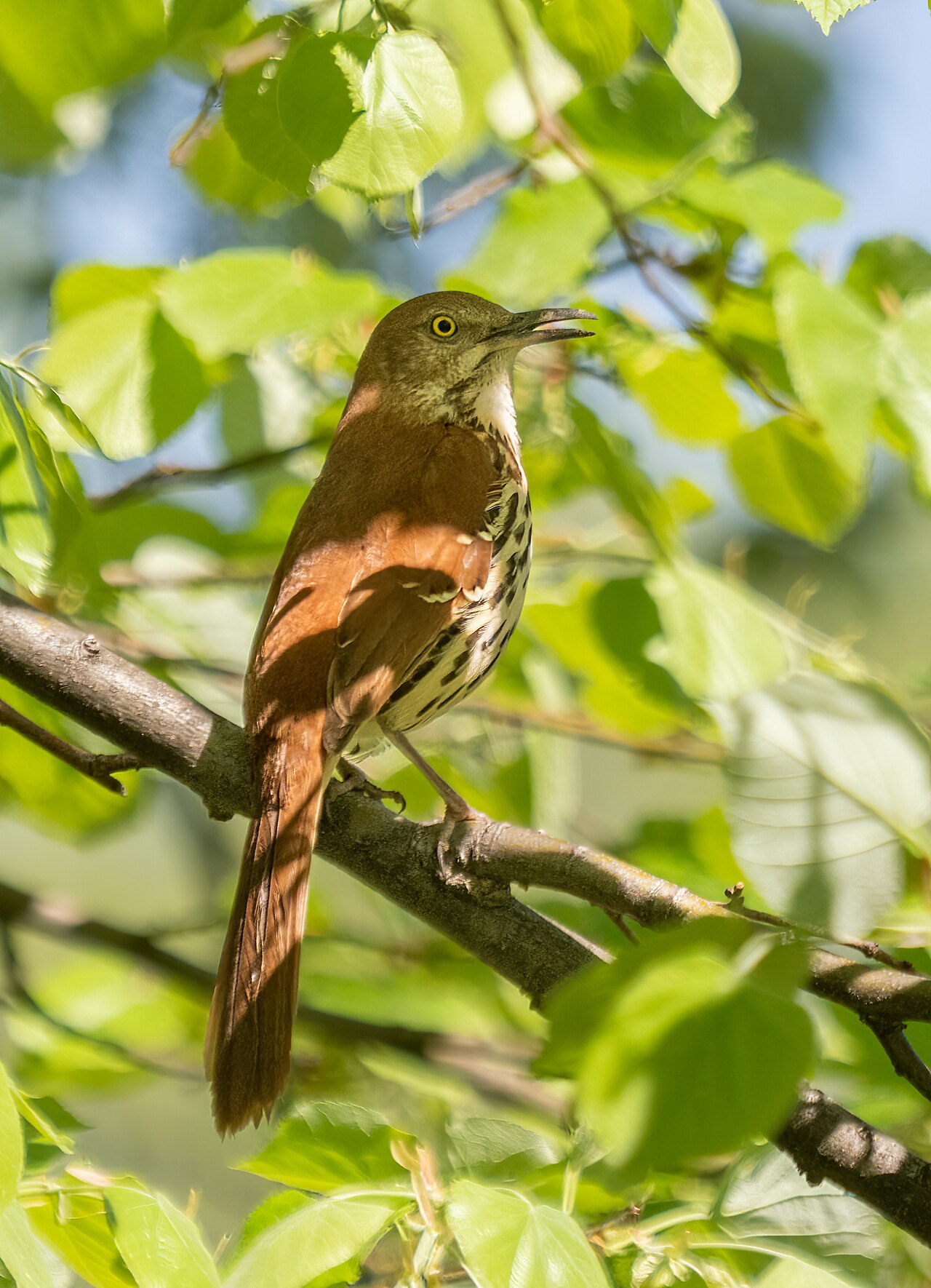
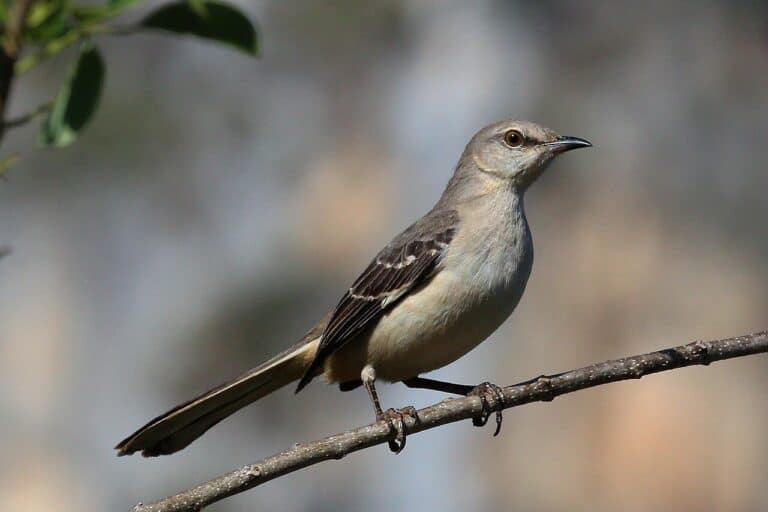
This bird is a vocal powerhouse. The brown thrasher is a mimic in the same family as the mockingbird, and it may have the largest song repertoire of any North American bird, with estimates running past a thousand distinct song types. It stitches together imitations and invented phrases into a long, rich, varied performance from a high perch. The single most useful listening clue is phrase repetition: the brown thrasher typically repeats each phrase in pairs, twice, before moving on. That two by two pattern is the key that separates it by ear from the other backyard singers and, most importantly, from the mockingbird.
Brown Thrasher vs Wood Thrush: Streaks vs Spots
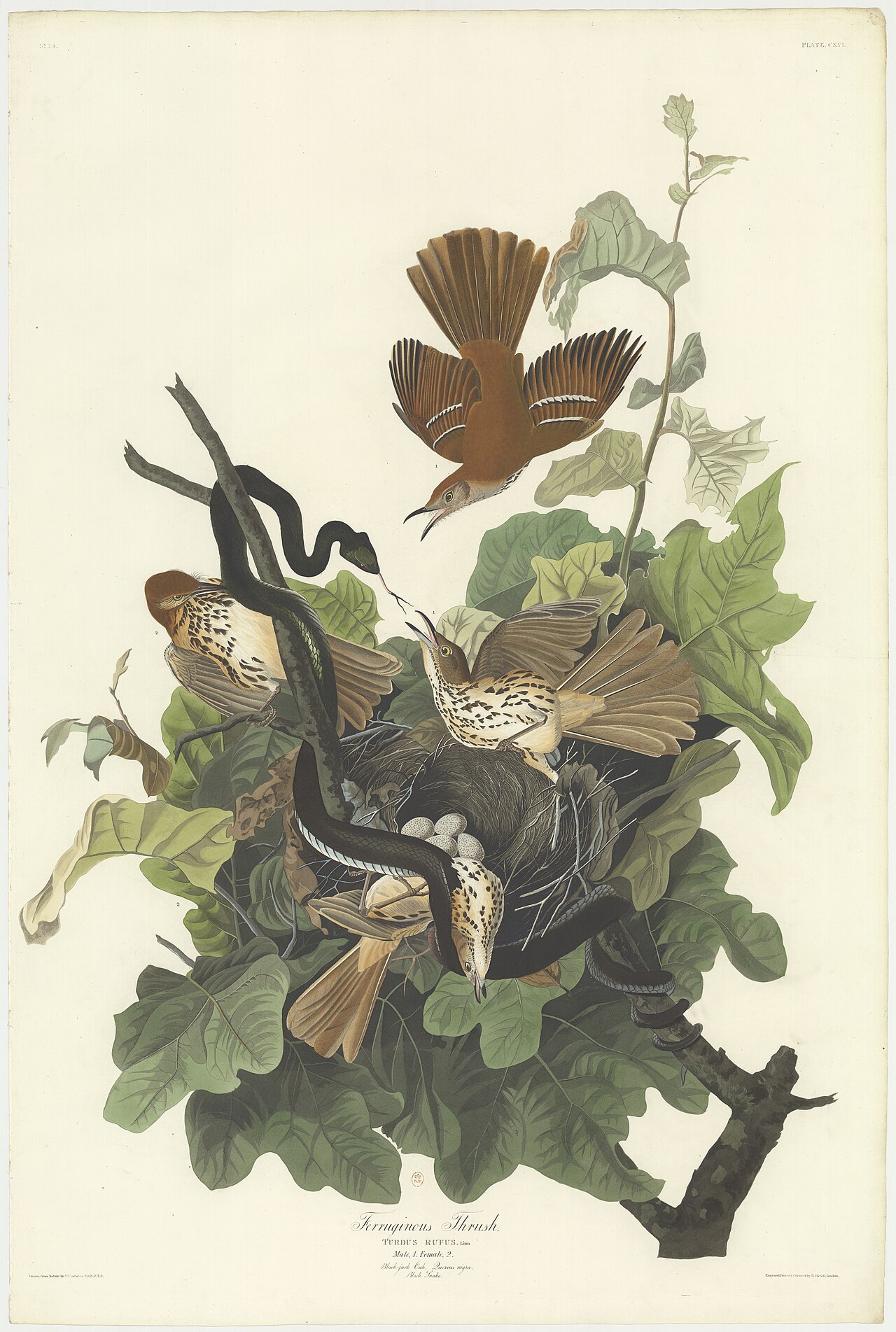
The brown thrasher is often confused with the wood thrush because both are brownish birds with marked underparts. The difference is clear once you know it. The brown thrasher is larger and slimmer with a very long tail, rusty upperparts, yellow eyes, a long curved bill, and streaks running down the chest. The wood thrush is smaller and rounder with a shorter tail, dark eyes, a short straight bill, and round dark spots, not streaks, on a white breast. Streaks versus spots is the fastest tell. For the full family, see our guide to types of thrushes.
Is the Brown Thrasher the State Bird of Georgia?
Yes. The brown thrasher was designated the official state bird of Georgia, and its fame there runs deep enough that Atlanta’s former NHL hockey team took the name Thrashers in its honor. The bird breeds commonly across Georgia and much of the Southeast, favoring the dense shrubby habitat that the region provides in abundance. If you live in the state and want to know what else shares your hedgerows, our backyard birds of Georgia guide is a good next stop, and the broader state birds overview puts Georgia’s choice in national context.
What Do Brown Thrashers Eat?
Brown thrashers are ground foragers that use their long, sturdy bill like a tool. They sweep it side to side through leaf litter and dig into soil to flush out beetles, caterpillars, grubs, spiders, and other invertebrates, which make up the bulk of the summer diet. They also eat large quantities of berries, wild fruit, and nuts, especially in fall and winter. While they are not classic feeder birds, they will visit the ground beneath feeders for spilled seed and take mealworms and fruit offered low or on a platform. Leaving a brushy corner and a layer of leaf litter is the best way to feed them naturally.
Where Do Brown Thrashers Nest and How to Attract Them
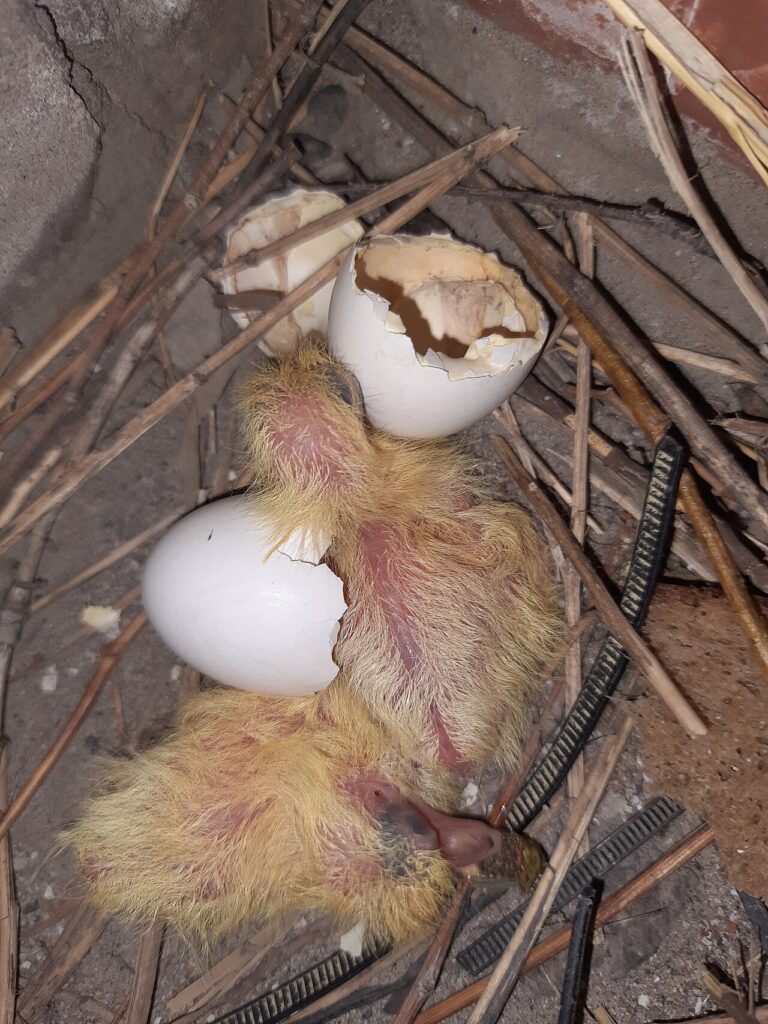
Brown thrashers nest low, usually within a few feet of the ground, in dense shrubs, thorny thickets, brush piles, and hedgerows. Both parents build a bulky cup of twigs lined with finer material, and both defend the nest with real ferocity, diving at cats, dogs, and even people who wander too close. To attract brown thrashers, think habitat rather than feeders: plant dense native shrubs and berry producing bushes, keep a brush pile, and let a hedgerow grow thick. These secretive birds reward a wild, layered yard far more than a manicured one. To round out your shrub loving visitors, compare notes with our Carolina wren guide.
Brown Thrasher Behavior and Personality
Beyond its looks and voice, the brown thrasher has a personality worth knowing. It is a ground loving bird that spends much of its day foraging in leaf litter, and its scientific approach to feeding is distinctive: it sweeps that long, slightly curved bill side to side through the leaves, flinging debris aside to expose hidden insects, a behavior that gives the genus its name. Despite its shy nature, it is a fierce defender of its nest and will attack intruders far larger than itself, striking with its bill and drawing blood from cats, snakes, and even people. According to the Cornell Lab of Ornithology, brown thrashers are among the more aggressive songbirds when defending young. This combination of secretive foraging and bold nest defense makes the thrasher a bird of surprising contrasts, retiring one moment and formidable the next.
Brown Thrasher Range and Conservation
The brown thrasher breeds across the eastern and central United States and into southern Canada, and it is a year round resident across much of the South while northern populations migrate south for winter. Although still widespread and familiar, the species has experienced gradual, long term population declines in some regions, driven largely by the loss of the dense shrubby habitat and hedgerows it depends on. Modern tidy landscaping, with clipped lawns and few thickets, gives the thrasher little to work with. This makes backyard habitat genuinely valuable: by keeping a brushy corner, planting native berry shrubs, and tolerating a wild hedgerow, homeowners can offer real support to a declining bird. The thrasher’s fortunes are a small reminder that neat is not always best for wildlife. For more on the region where it reigns as state bird, see our backyard birds of Georgia guide.
Related reading: House Wren.
Frequently Asked Questions
What does a brown thrasher look like?
A brown thrasher is a large, slender songbird about eleven inches long with bright reddish brown upperparts, a long tail, heavy dark streaking down a whitish chest, a long slightly downcurved bill, and staring yellow eyes. Two pale wing bars show on each wing.
Is the brown thrasher the state bird of Georgia?
Yes. The brown thrasher is the official state bird of Georgia, which is why Atlanta’s professional hockey team was once named the Thrashers. The bird is a common breeder across the state.
What does a brown thrasher sound like?
The brown thrasher is a champion mimic with one of the largest song repertoires of any North American bird, potentially over a thousand song types. It sings phrases usually in pairs, a key clue that separates it from the mockingbird, which repeats phrases in threes or more.
How do you tell a brown thrasher from a wood thrush?
A brown thrasher is larger and slimmer with a very long tail, streaks rather than spots, yellow eyes, and rusty upperparts. A wood thrush is smaller and plumper with round dark spots on the breast, dark eyes, and a shorter tail. The thrasher also has a longer, more curved bill.
What do brown thrashers eat?
Brown thrashers feed heavily on insects and other invertebrates, using that long bill to sweep and dig through leaf litter. They also eat berries, fruit, and nuts, and will occasionally visit feeders and the ground beneath them for seed and mealworms.
Where do brown thrashers nest?
They build bulky twig nests low in dense shrubs, thickets, and hedgerows, usually within a few feet of the ground. Both parents defend the nest aggressively and will dive at intruders, including humans and pets that come too close.
Are brown thrashers shy?
Yes, they tend to be secretive, spending much of their time foraging in dense cover near the ground rather than out in the open. You often hear a brown thrasher rustling in the leaf litter before you see it slip through a thicket.