What Can Chickens Eat? The Complete Safe Foods List
Backyard chickens will eat almost anything you put in front of them, which is exactly why knowing what they shouldn’t eat matters more than knowing what they can. Most fruits and vegetables are safe in moderation, a handful of common kitchen items are outright dangerous, and portion size determines whether a treat helps or hurts overall flock health. Getting this balance right also has a direct payoff at the nest box, since diet quality shows up quickly in shell strength, yolk color, and how consistently a flock lays through the year.
This guide covers the safe foods worth feeding on purpose, links to a detailed breakdown for each one, and rounds out with the practical questions that come up most, from daily treat limits to what changes with the seasons.
Chickens can safely eat most fruits and vegetables, including apples, grapes, strawberries, and cabbage, along with cooked grains and small amounts of bread, but treats should stay under 10 percent of total diet and never include avocado skin, chocolate, or raw dried beans.
| Guide | What It Covers |
|---|---|
| Can Chickens Eat Apples? | Seeds, cores, and safe amounts |
| Can Chickens Eat Grapes? | Safe feeding guide |
| Can Chickens Eat Oranges? | The citrus myths cleared up |
| Can Chickens Eat Pineapple? | Safe amounts, skin, and core |
| Can Chickens Eat Strawberries? | Tops, amounts, and mold |
| Can Chickens Eat Cabbage? | Portion, prep, and enrichment |
| Can Chickens Eat Tomatoes? | Ripe, green, and plant safety |
| Can Chickens Eat Bread? | Safe amounts and the mold rule |
| Can Chickens Eat Mushrooms? | Safe vs toxic varieties |
What Chickens Can Safely Eat: The Basics
Chickens are omnivores with a digestive system built around a crop for storage and a gizzard for grinding, which means they handle a wider range of foods than most pets, but not an unlimited one. The core of a healthy diet should always be a commercial layer feed formulated for the bird’s life stage, with treats and scraps making up a small supplement rather than a replacement. The Penn State Extension poultry program recommends keeping any non-feed item, including all the fruits and vegetables covered here, under about 10 percent of a chicken’s total daily intake to avoid diluting the balanced nutrition layer feed provides.
Age matters just as much as the food itself. Chicks under eight weeks old need a specialized starter feed with tightly controlled protein and calcium levels, and most fruit or vegetable treats should wait until birds are closer to laying age, since a young chick’s small crop fills up fast on low-nutrition scraps that then crowd out the starter feed it actually needs to grow properly.
Safe Fruits for Chickens
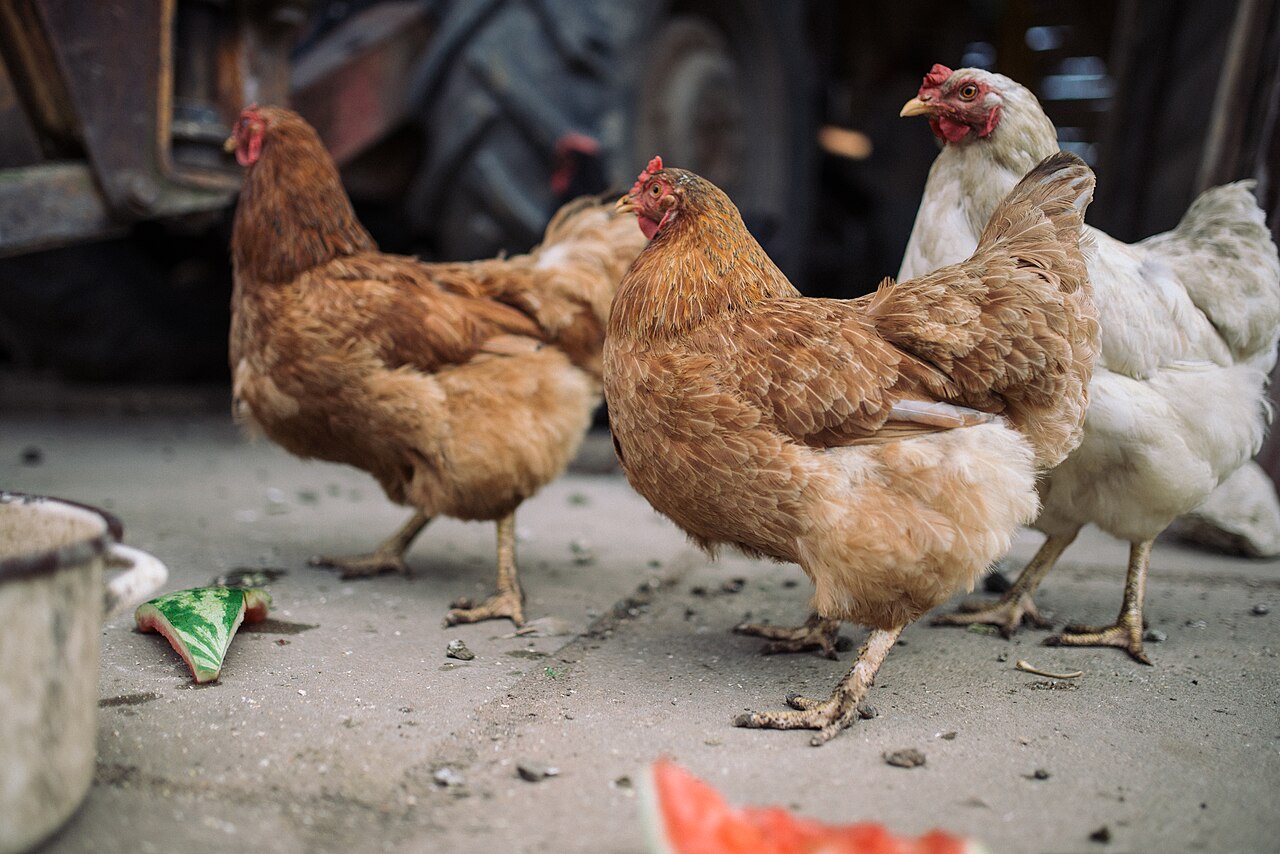
Apples are safe in slices with the core and seeds removed, since apple seeds contain trace amounts of cyanide-producing compounds that add up only in large quantities but are still worth avoiding out of caution. Grapes are safe whole or halved, and most flocks treat them as a high-value favorite, though moderation still applies given their sugar content, and halving larger grapes reduces the small choking risk in younger or smaller-breed birds. Oranges carry an unfounded myth that citrus stops egg-laying, when in reality small amounts are fine and the main caution is simply the acidity affecting taste of feed if overfed. Pineapple is safe with the tough outer skin removed, and the fruit’s natural enzymes are sometimes credited, without strong evidence, with helping digestion. Strawberries are safe including the leafy tops, though any fruit showing mold should be discarded rather than trimmed and fed. Watermelon, while not covered in its own dedicated guide here, deserves a mention as a summer favorite across nearly every flock, valued as much for its high water content on hot days as for the sugar itself.
Safe Vegetables for Chickens
Cabbage works well both as a direct feed item and as an enrichment tool, hung whole in the coop so chickens have to peck at it, which helps prevent boredom-driven behaviors like feather picking. Tomatoes are safe once ripe and red, but the green parts of the plant, including unripe fruit, stems, and leaves, contain solanine and should be kept out of reach entirely. Leafy greens beyond what’s covered here, like kale and lettuce, generally follow the same safe pattern as cabbage, offered in moderation as a supplement rather than a diet staple. Root vegetables such as cooked carrots and squash are similarly safe and popular, and offering vegetables in a hanging or scattered form rather than a single pile encourages more natural foraging behavior across the whole flock rather than letting one dominant bird claim the entire treat.
Everyday Kitchen Scraps: Bread and Mushrooms
Bread is safe only in small amounts and only when free of mold, since moldy bread carries mycotoxins that are genuinely dangerous, and bread in general offers little nutritional value compared to actual feed. Mushrooms split into two very different categories: plain grocery-store varieties like button and portobello are safe in small amounts, while wild mushrooms should never be fed given the difficulty of confidently telling a safe species from a toxic one without expert identification.
Foods Chickens Should Never Eat
A short list of foods cause real harm and should never enter a coop regardless of quantity. Avocado skin and pit contain persin, a compound toxic to poultry that can cause heart damage. Chocolate and caffeine both contain compounds chickens metabolize poorly, with effects ranging from digestive upset to more serious cardiac issues at higher doses. Raw or dried beans contain a toxin destroyed only by proper cooking, making raw beans one of the more dangerous items on this list despite looking harmless. Salty or heavily processed snack foods can cause the poultry equivalent of salt toxicity given how small a chicken’s body size is relative to a typical human snack portion. Onions and garlic in large regular quantities can damage red blood cells over time, though the occasional small amount mixed into scraps is generally considered low risk. Alcohol and anything containing it should never be offered under any circumstance, and the same goes for uncooked or green potato skins, which share the same solanine concern as green tomato plants.
The 90/10 Rule: How Many Treats Is Too Many
The general guideline poultry keepers rely on caps treats, including every fruit and vegetable in this guide, at roughly 10 percent of a chicken’s total daily food intake, with the remaining 90 percent coming from a nutritionally complete layer feed. Going over this ratio regularly is the most common way a backyard flock ends up with nutritional deficiencies, since treats dilute the carefully balanced protein, calcium, and vitamin levels formulated into commercial feed. A simple gut check: if a chicken seems to be filling up on treats before finishing its regular feed, the portion has grown too large. For a typical hen eating roughly a quarter pound of feed a day, that works out to a small handful of treats, not a full cup, which surprises a lot of new keepers used to seeing chickens eat enthusiastically regardless of what’s offered.
Grit, Water, and Other Diet Essentials
Because chickens have no teeth, they rely on small stones stored in the gizzard, called grit, to mechanically grind food before digestion, and any chicken eating whole fruits, vegetables, or scratch grains needs free access to grit to process it properly. Chickens confined to a run without access to natural soil and pebbles need grit supplied separately, since a diet of soft feed and treats without grinding stones can lead to digestive problems over time. Calcium, usually supplied through crushed oyster shell offered separately from feed, supports eggshell strength and should be available free-choice rather than mixed directly into feed, since hens instinctively regulate their own calcium intake and non-laying birds like roosters can develop kidney problems from excess calcium if it’s mixed into everyone’s ration. Clean water matters as much as any solid food, since a laying hen’s egg is roughly two-thirds water by weight, and even short water outages can measurably reduce egg production for days afterward, well beyond the outage itself.
Seasonal Feeding: Summer Foraging vs Winter Needs
In warmer months, chickens with any yard access forage heavily on their own, picking up insects, seeds, and greens that naturally supplement feed intake and reduce how much scratch or fruit is actually needed. Hot weather also shifts priorities toward hydration, cool, high-water treats like watermelon or chilled cucumber can help birds cope with heat stress better than dry scratch grains, which generate more digestive heat as they’re processed. Winter flips this dynamic, since natural foraging drops sharply and chickens burn more calories simply maintaining body heat, which is when a slightly higher-calorie treat like scratch grains offered in the late afternoon can genuinely help rather than just being extra, since the digestion process itself generates a small amount of warmth heading into a cold night.
Signs Your Flock’s Diet Needs Adjusting
Thin or brittle eggshells are usually the first visible sign of a calcium or overall nutrition problem, often tracing back to too many treats crowding out complete feed. Feather picking and other stress behaviors can point to boredom or protein deficiency rather than a behavioral problem alone, and adding enrichment items like a hung cabbage alongside a feed check is a reasonable first response. A noticeable drop in egg production, once broodiness, molting, and daylight hours are ruled out, is often the flock’s clearest signal that something in the daily diet needs a second look. Weight loss or a visibly thinning keel bone (the breastbone chickens use as a rough body-condition gauge) despite normal feed intake can also point to internal parasites competing for the same nutrients, which is a health issue rather than a diet one but often gets misread as a feeding problem first.
Feeding Needs by Chicken Breed
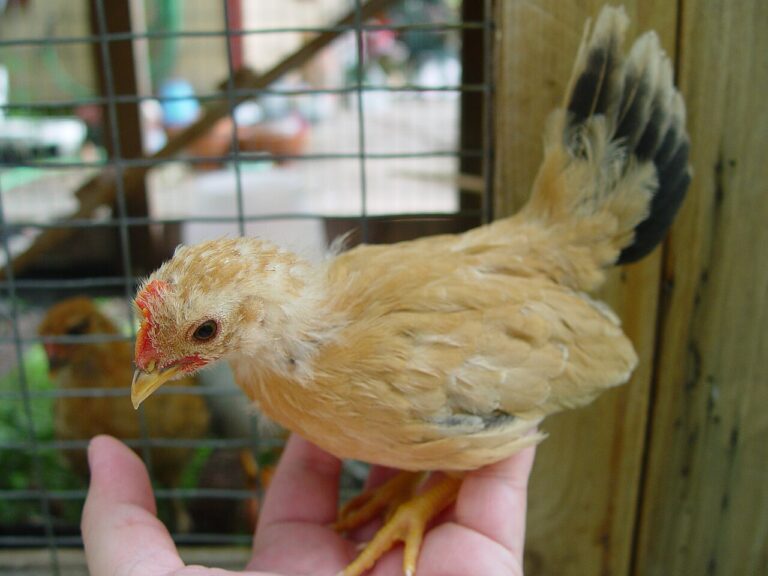
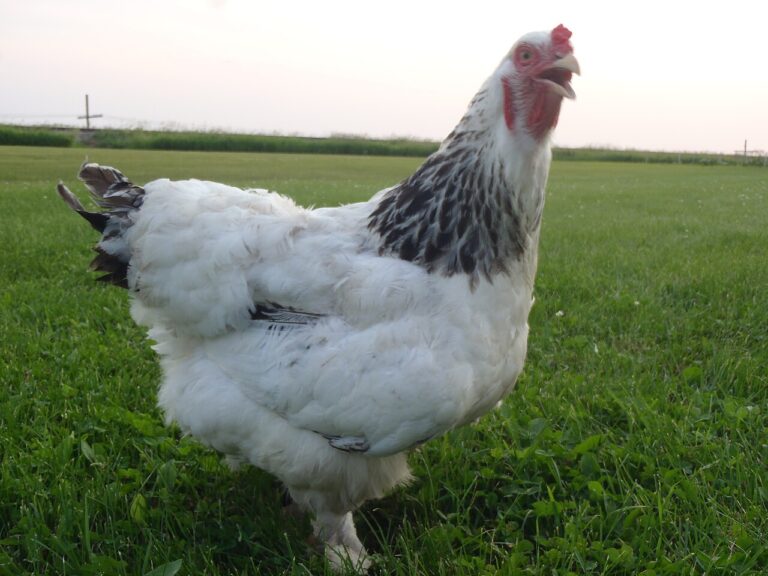
Breed size changes practical feeding in a few small but real ways. Larger breeds like the Brahma eat proportionally more but tolerate a slightly wider range of treat sizes without choking risk, while smaller breeds need treats chopped down further to avoid crop impaction. Bantam-scale birds are the opposite case, needing everything from fruit chunks to scratch grains sized down noticeably compared to a standard breed, and a treat portion that’s perfectly reasonable for a full-size hen can genuinely overload a bantam’s much smaller crop. Feathered or fancy-plumage breeds like the Polish sometimes need feed and water placement adjusted so their crest doesn’t obscure vision at the feeder, which is more a housing detail than a diet one, but it affects how reliably the bird actually eats, and a Polish that can’t see its feed will often lose weight even when plenty is available. Color and pattern, as in black and white breeds, has no bearing on diet at all, despite how often the two get grouped together in casual flock discussions, since feather color is a purely cosmetic genetic trait with no metabolic connection.
Flock Size and Feeding Setup
How many birds share a coop changes feeding logistics more than the food itself. A larger flock needs multiple feed and water stations spaced well apart, since a single dominant bird will otherwise guard one station and prevent lower-ranking birds from eating enough, a common hidden cause of uneven growth or egg production within an otherwise healthy flock that’s easy to overlook without watching feeding time directly. A rough guide many keepers use is one feeder and one waterer per four to six birds, though flocks with a particularly assertive pecking order sometimes need even more stations to make sure every bird gets fair access, especially when treats rather than plain feed are involved, since competition over a favorite food is often more intense than over routine feed.
Frequently Asked Questions
What can’t chickens eat?
Avocado skin and pit, chocolate, raw or dried beans, and anything moldy or heavily salted are the main foods to avoid entirely, regardless of how small the amount, since several of these carry toxins that don’t scale down safely with portion size.
What foods are safe for chickens to eat every day?
Their complete layer feed should make up the daily staple, with small amounts of safe fruits and vegetables like apples, cabbage, and strawberries offered as an occasional supplement rather than a daily habit.
What is a chicken’s favorite food?
Preferences vary by bird and even by individual flock, but grapes, watermelon, and mealworms are consistently popular favorites across most backyard flocks in the US.
What human food is safe for chickens?
Most fruits, vegetables, and plain cooked grains are safe in small amounts, while processed, salty, sugary, or moldy human food should be avoided, along with anything from the never-feed list above.
Can chickens eat kitchen scraps in the winter?
Yes, and slightly more generous portions of energy-dense scraps like grains can help offset the extra calories chickens burn staying warm when natural foraging drops during the colder months.
Why is it recommended not to feed chickens mealworms every day?
Mealworms are high in fat and protein relative to a balanced diet, so while an occasional handful is a fine treat, feeding them daily as a primary snack can unbalance nutrition the same way any single treat food can when it’s overused at the expense of complete feed.