White Moth: Identification, Meaning, and Household Species
White moths with black spots are usually tiger moths, and tiny white moths indoors are pests. Here is how to identify each one and what they mean.
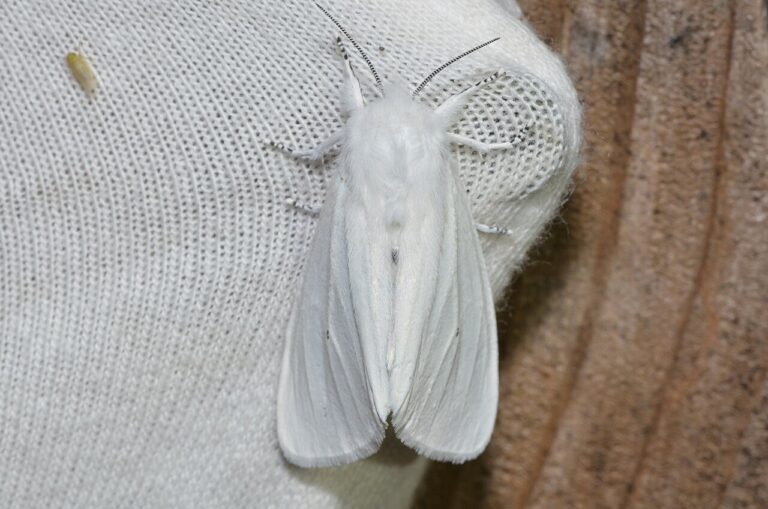
White moths with black spots are usually tiger moths, and tiny white moths indoors are pests. Here is how to identify each one and what they mean.
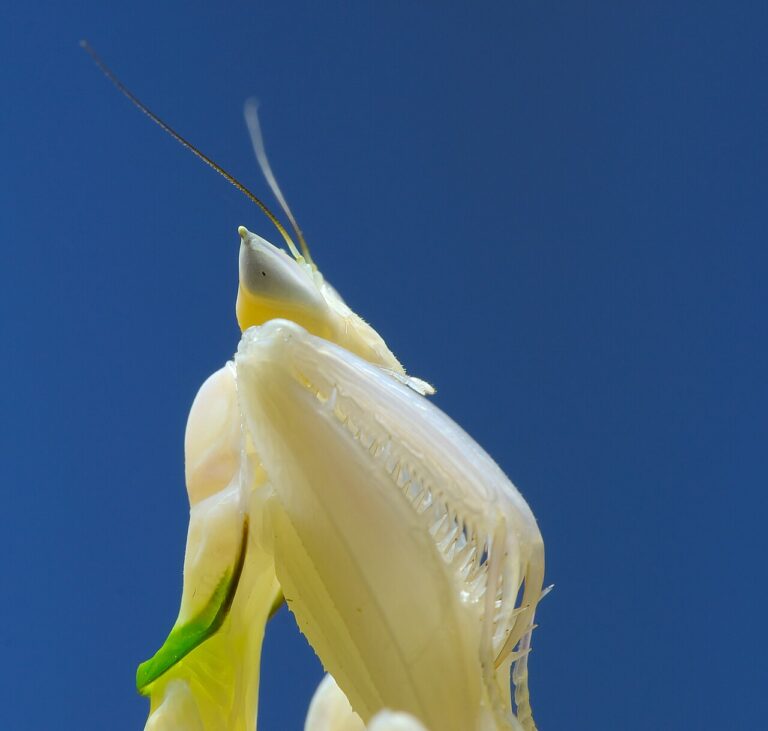
The orchid mantis does not actually hide in orchids. Here is what research found, plus size, life cycle, care, and why blue orchid mantises are fake.
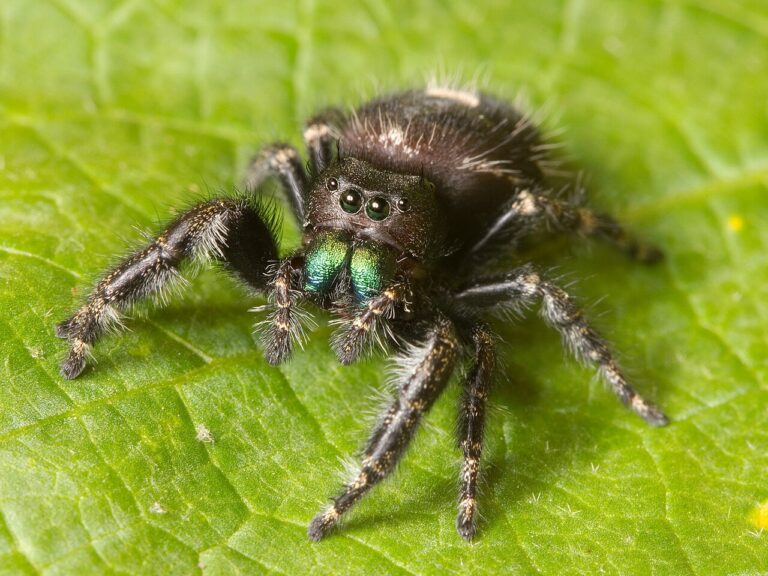
Jumping spiders hunt insects without webs, using the sharpest eyes of any spider. Here is the full diet, plus what to feed a pet jumping spider.
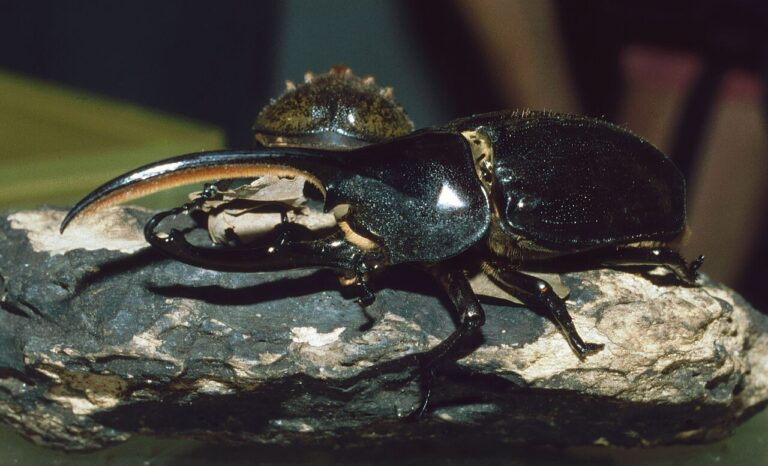
The Hercules beetle is the longest beetle in the world. Here is the truth about its strength, plus the eastern species found across the United States.
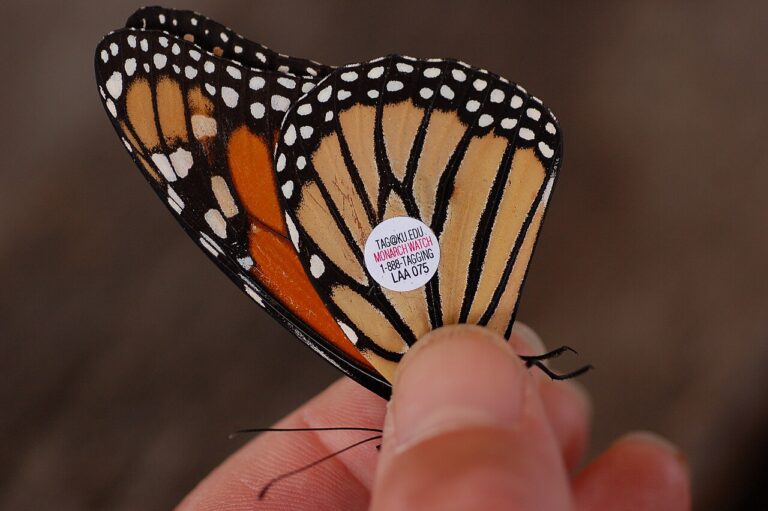
Monarch, viceroy, fritillary or painted lady? Here is how to identify every common orange butterfly, plus what the color symbolizes.
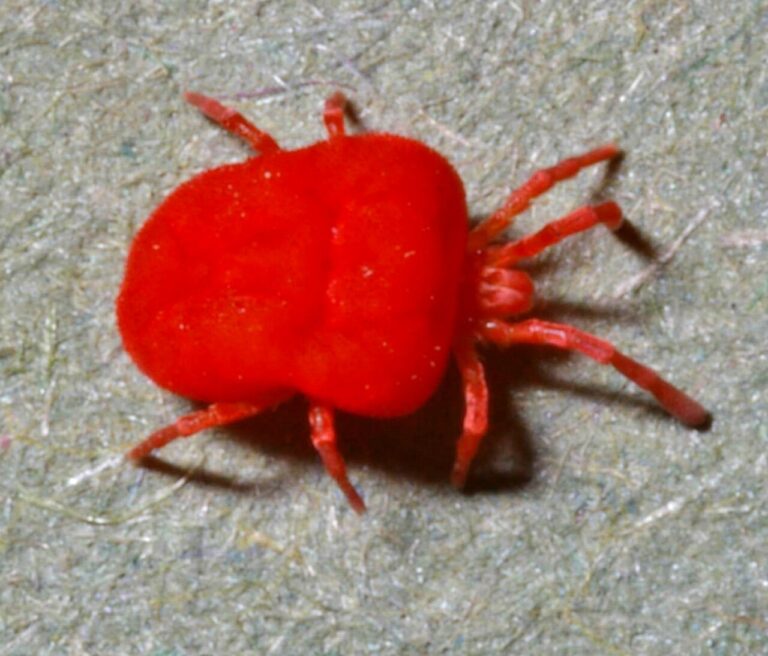
Chigger bites cluster at the sock line and waistband, flea bites hit the ankles. Here is how to identify, treat, and prevent each one.
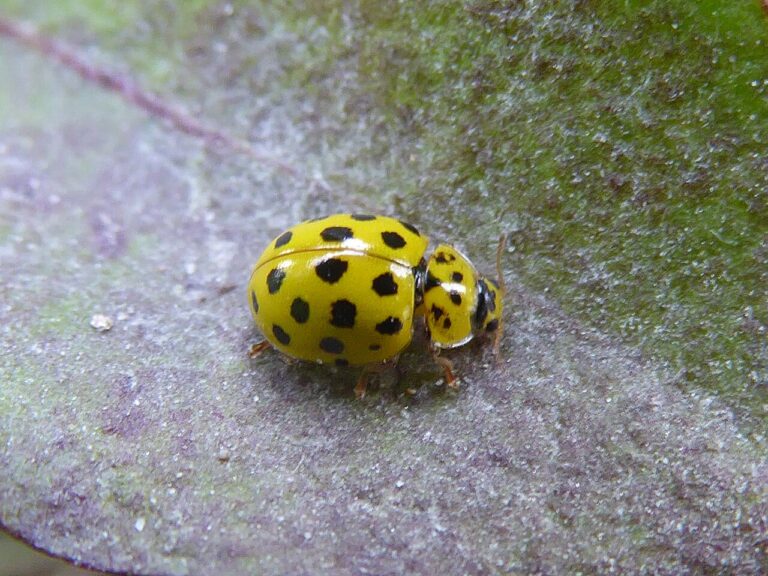
A yellow ladybug can be one of several beetles, from mildew-eating 22-spot ladybirds to pale Asian lady beetles and squash beetle pests. Here is how to tell them apart.
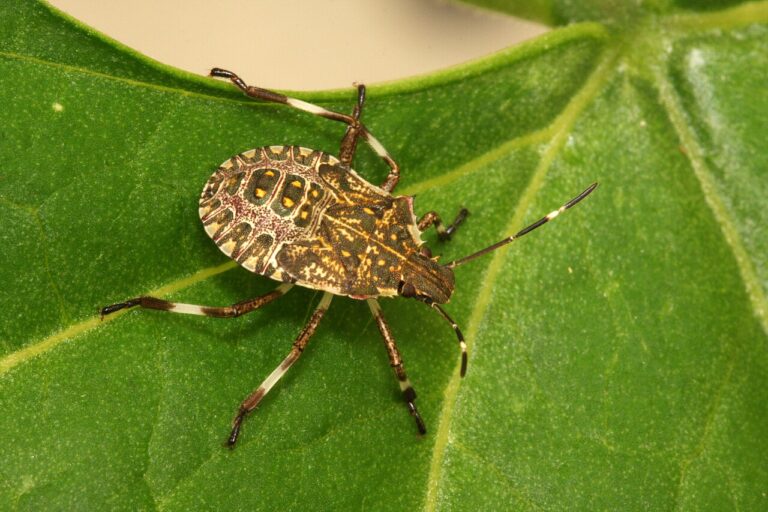
Stink bugs feed on plant sap through piercing mouthparts, favoring fruit, tomatoes, and soybeans. Here is what they eat, what they damage, and why they invade homes.
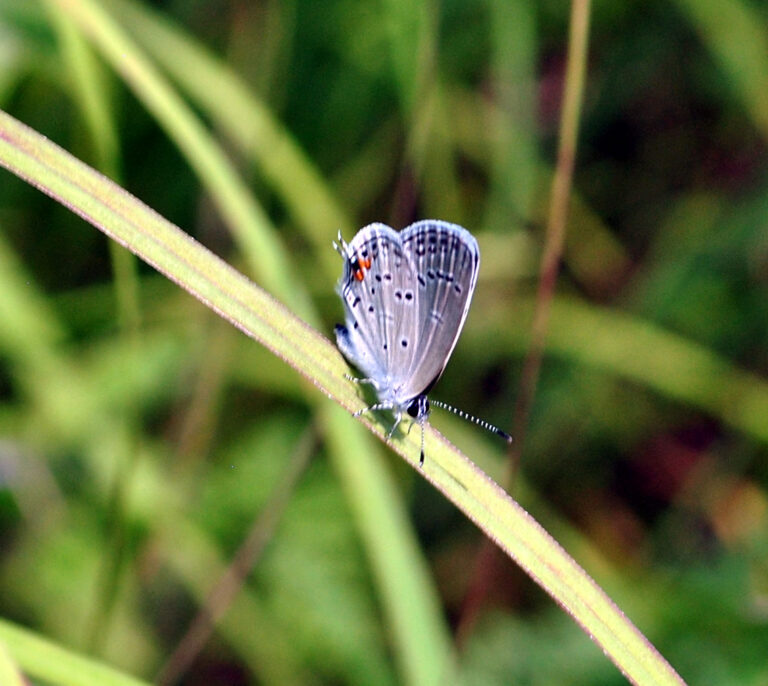
Blue butterflies range from common backyard blues to the endangered Karner blue and the rainforest only blue morpho. Here is how to tell them apart.
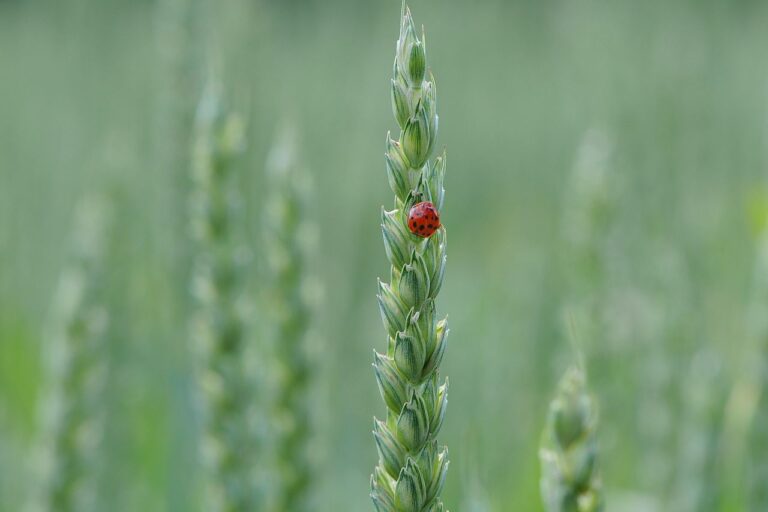
Asian lady beetles and native ladybugs look almost identical at a glance, but the M-shaped marking, color range, and winter behavior give them away every time.