Giant Moth: The World’s Largest Species and How to ID Them
The largest moths span up to 12 inches, and most cannot eat at all as adults. Here are the record holders, the North American giants and what you found.
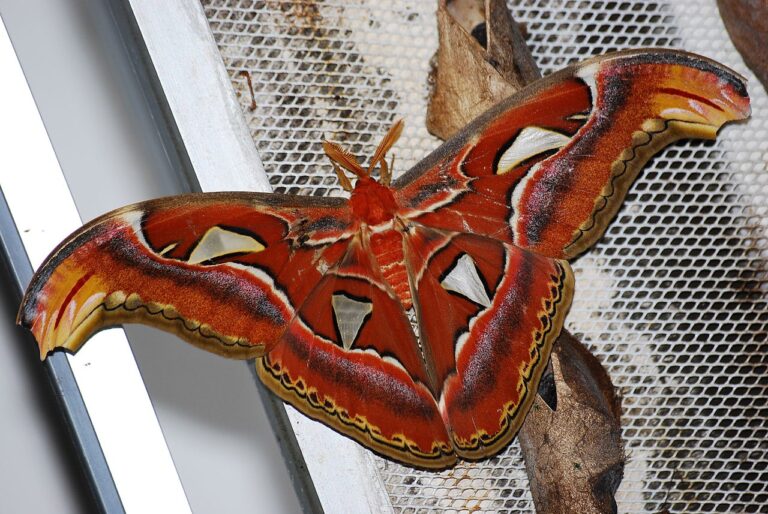
The largest moths span up to 12 inches, and most cannot eat at all as adults. Here are the record holders, the North American giants and what you found.
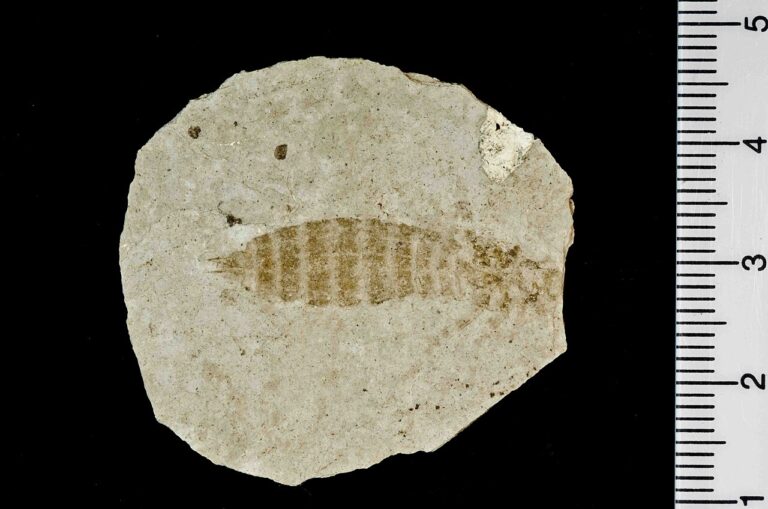
A baby dragonfly is an underwater predator with a harpoon jaw and jet propulsion. Here is what nymphs eat, how long they stay submerged, and how they emerge.
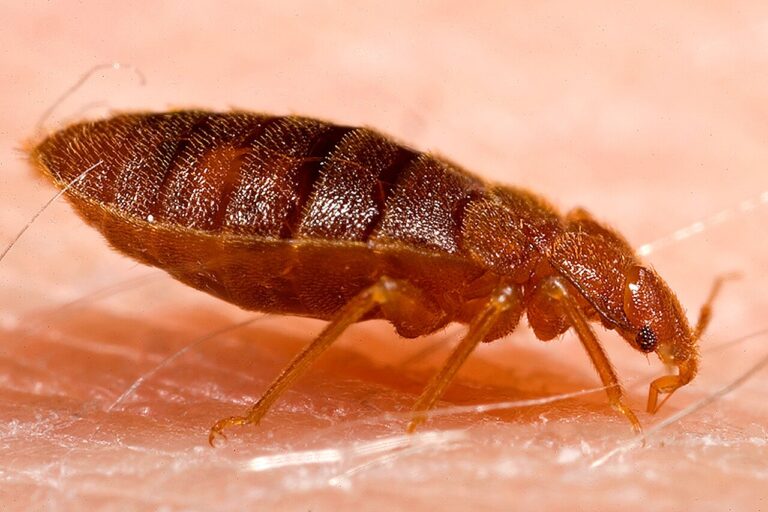
Antennae length and speed separate bed bugs from cockroach nymphs. Here is how to identify each one and why the wrong treatment wastes months.
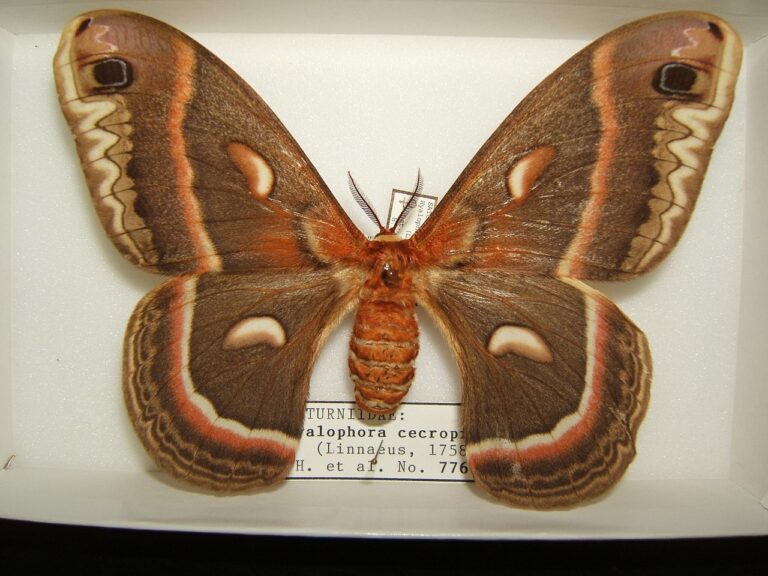
The cecropia moth spans up to 7 inches and cannot eat at all as an adult. Here is the life cycle, the cocoon, and why the species is declining.
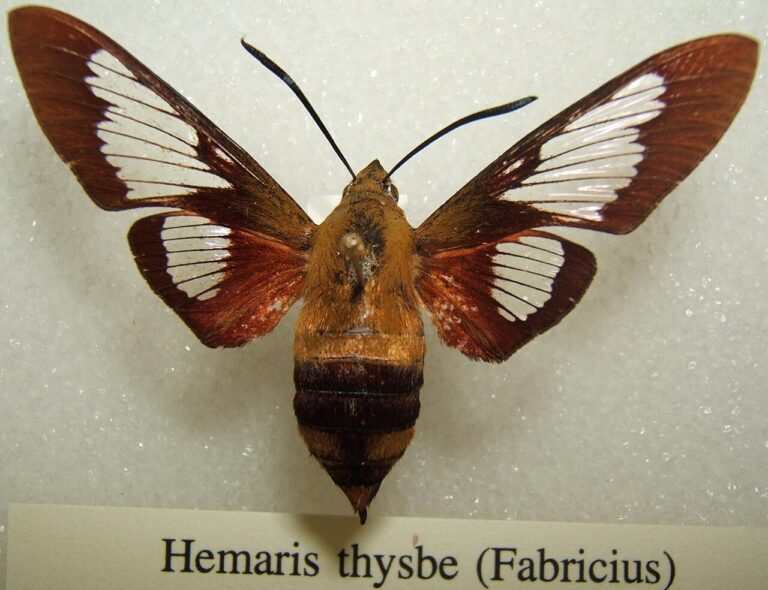
Hummingbird moths hover at flowers in daylight and lose their wing scales on the first flight. Here are the species, the caterpillars and how to attract them.
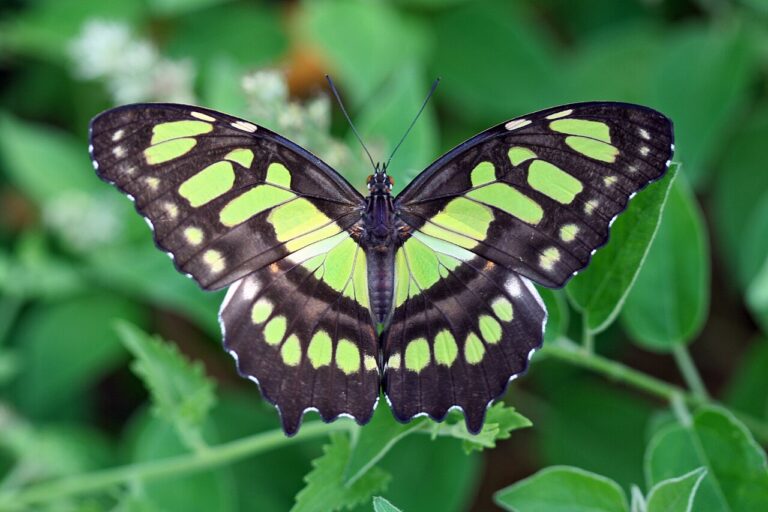
Butterflies have no green pigment, so every green butterfly builds the color another way. Here are the species you can find and what they mean.
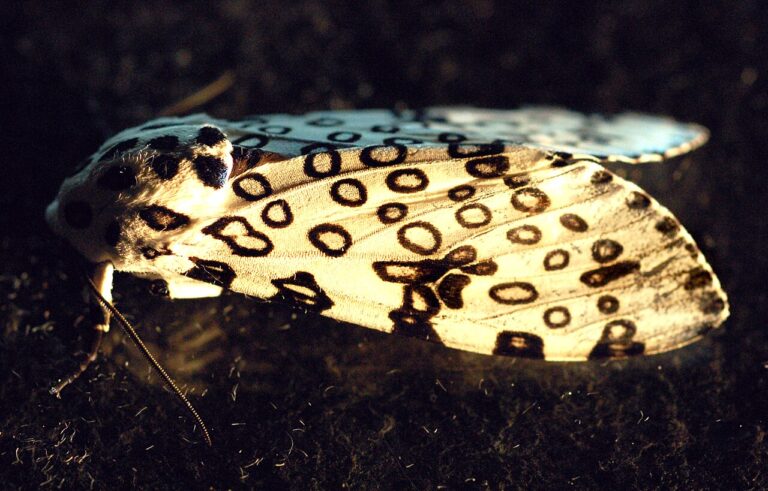
Black caterpillars are identified by what accompanies the black. Here is how to tell leopard moth, swallowtail, spiny elm and tent caterpillars apart.
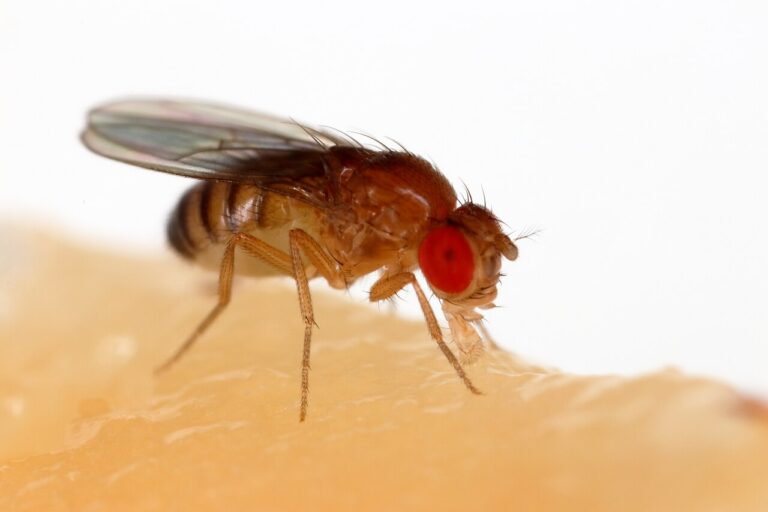
Traps alone never work. Here is the vinegar trap that actually catches them, how to find the breeding site, and why drains are usually the culprit.
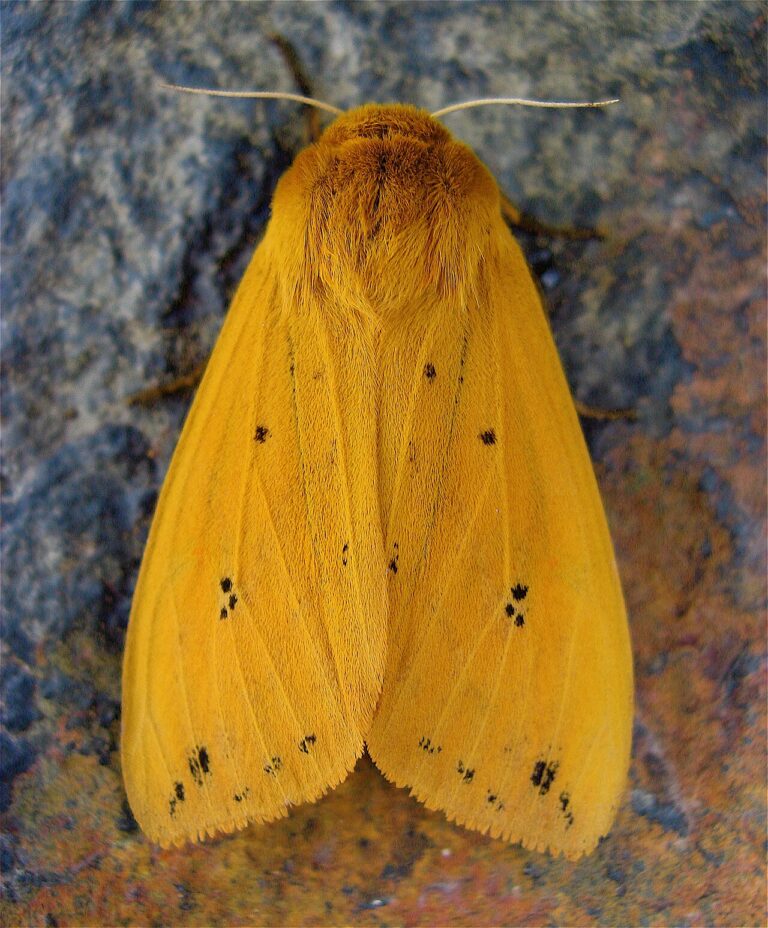
The woolly bear does not predict winter, but it does freeze solid and survive. Here is what the bands really mean and what it turns into.
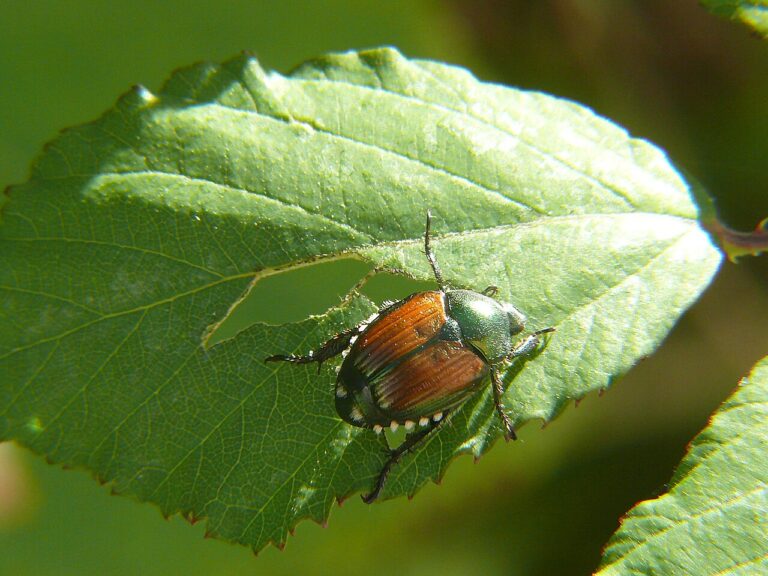
Hand-picking beats every spray, and traps actively make the problem worse. Here is what works on Japanese beetles, plus grub control and plant choice.