Duck Poop: What It Looks Like and How to Identify It
Duck droppings are wet, green to brown, and capped with white urate. Here is how to size them, read the color, and tell them from goose, chicken, and gull droppings.
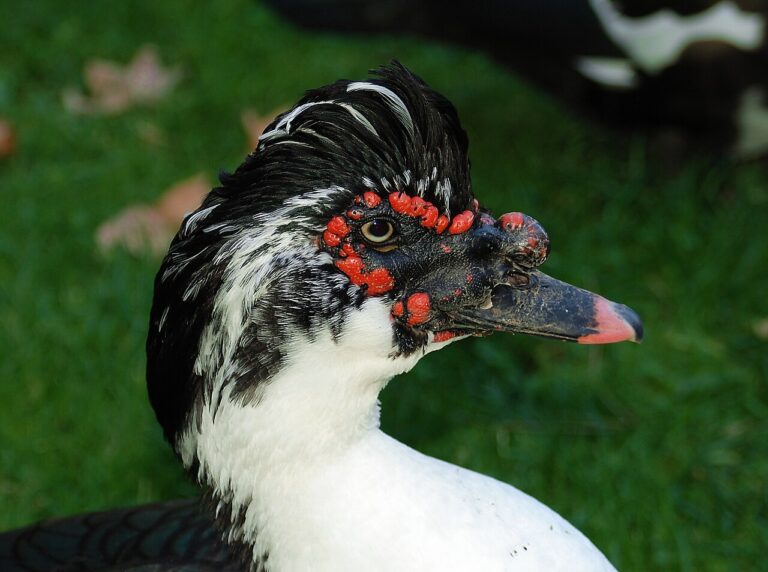
Duck droppings are wet, green to brown, and capped with white urate. Here is how to size them, read the color, and tell them from goose, chicken, and gull droppings.
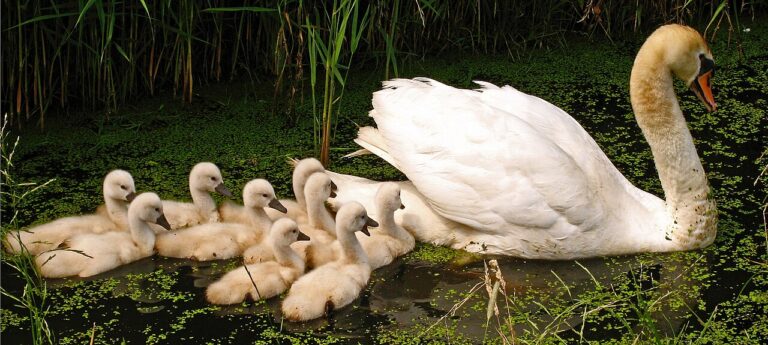
Swans mean faithful love, grace, and transformation, but the traditions disagree on the details. Here is what each one actually says.
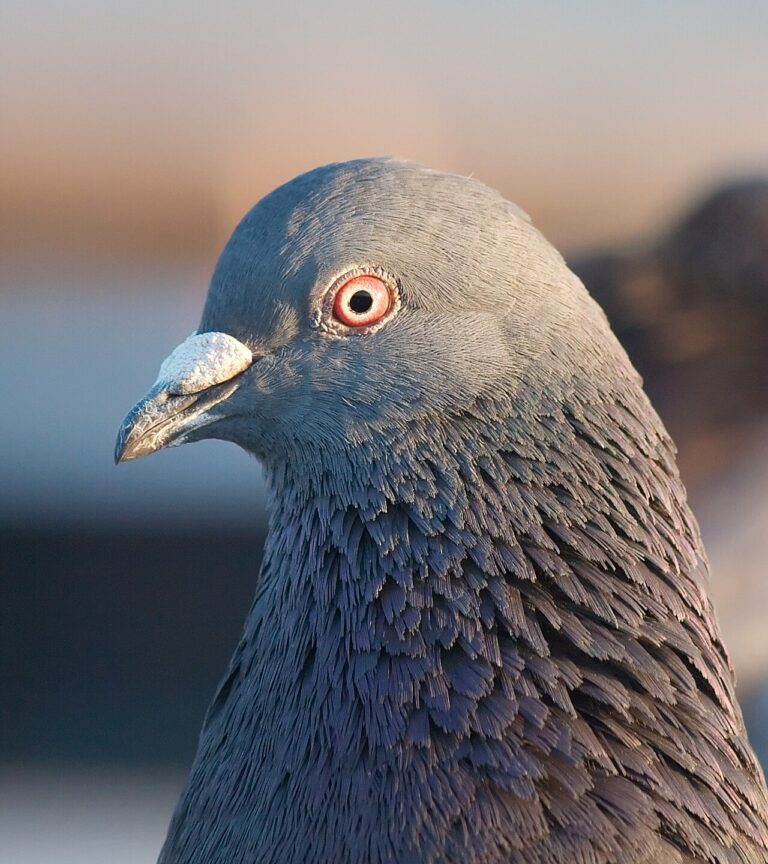
Pigeon droppings are white tipped, green brown and pea sized, found in piles under ledges. How to identify them, what they can carry and how to clean them safely.

Wild turkey tracks are three slender toes with no heel pad. Size charts, snow and mud differences, and the middle toe measurement that separates a tom from a hen.

Healthy chicken poop is a firm brown lump with a white urate cap. Here is what each color means, which droppings signal disease, and how to tell chicken poop from duck, goose and rat droppings.
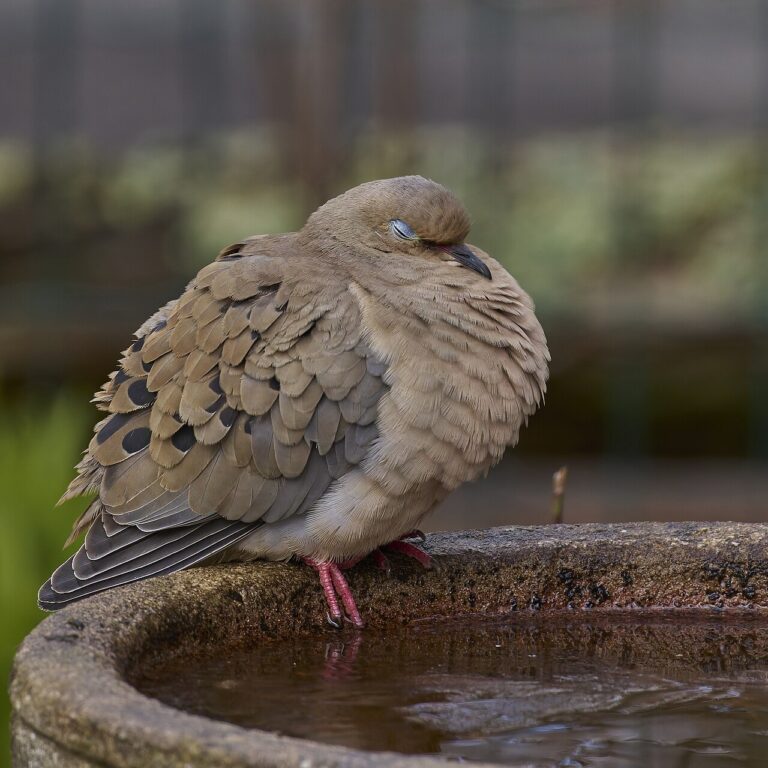
Most hooting reported at night is a mourning dove, a pigeon in a vent, or a nightjar. Here are the seven usual impostors, the sound each makes, and the hour it calls.
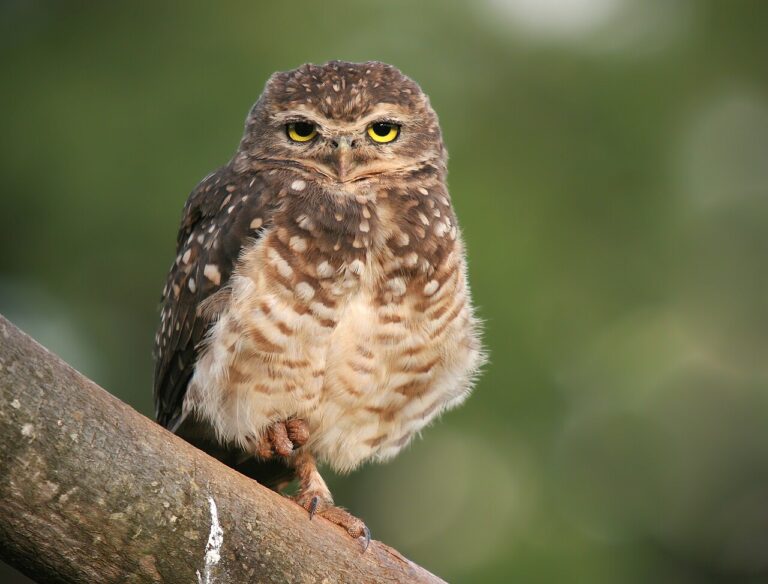
Owls are a charm for wisdom in Japan and Greece and a death warning in parts of India and Mexico. Here is what each tradition says, and what an owl in your yard really means.
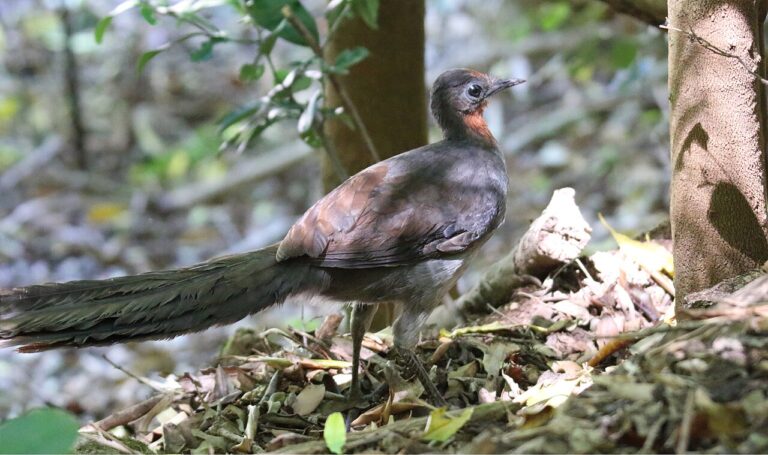
The lyrebird is the most accurate mimic in the animal world. What it really imitates, how rare each species is, and why the chainsaw clip is misleading.
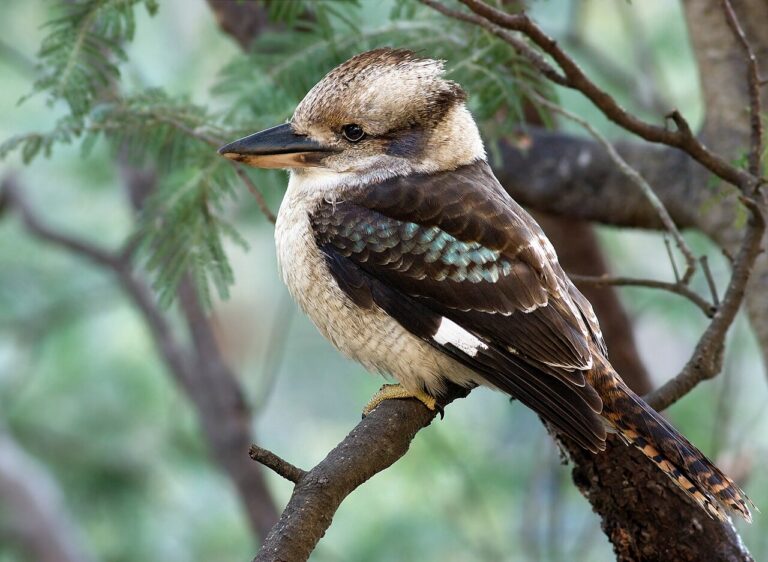
Kookaburras are the largest kingfishers on Earth, and they hunt snakes and lizards instead of fish. The laugh, the four species, and whether they are legal in the US.

The Andean condor is the heaviest flying bird of prey on Earth. Wingspan, weight, diet, how many are left, and why it could never carry off a human.