Birds That Look Like Hawks: Identification Guide
Birds that look like hawks include falcons, owls, vultures, and the osprey. Learn which birds are mistaken for hawks and how to tell true hawks apart.
Every guide on The Faunalist in one archive. Browse identification help, species profiles, feeding advice, and regional birding guides for North American backyards.
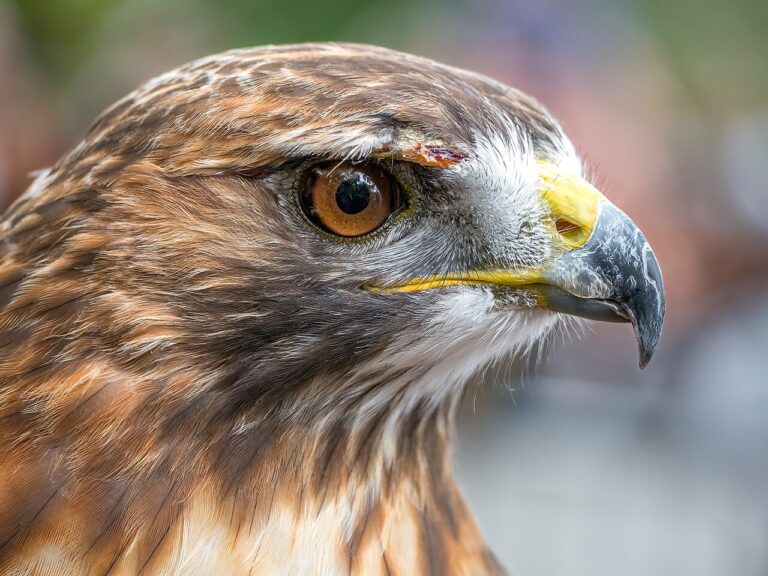
Birds that look like hawks include falcons, owls, vultures, and the osprey. Learn which birds are mistaken for hawks and how to tell true hawks apart.
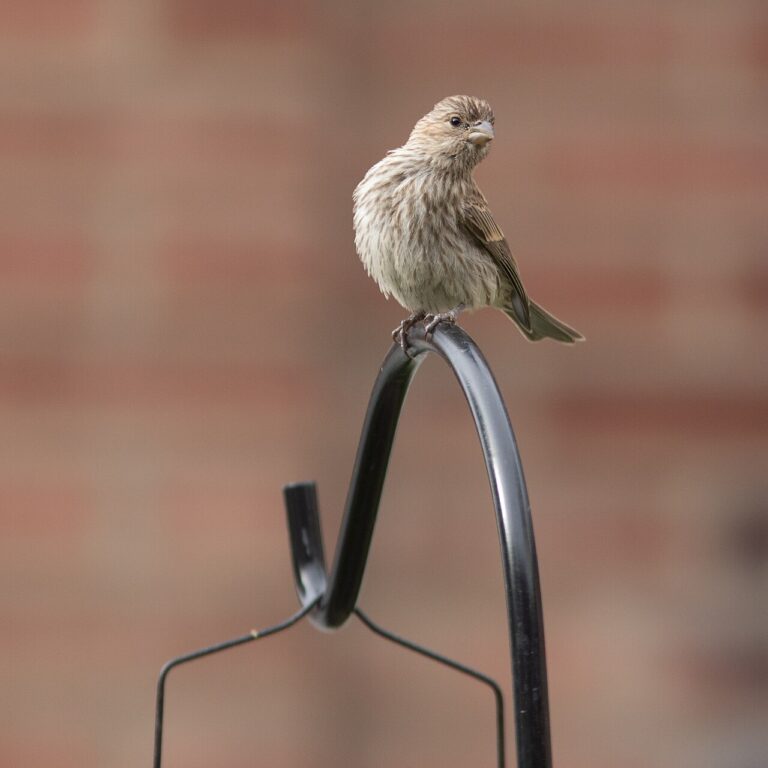
Finches and sparrows both crowd backyard feeders in dull brown plumage, but their beak shape, streaking pattern, and behavior set them apart once you know what to look for.
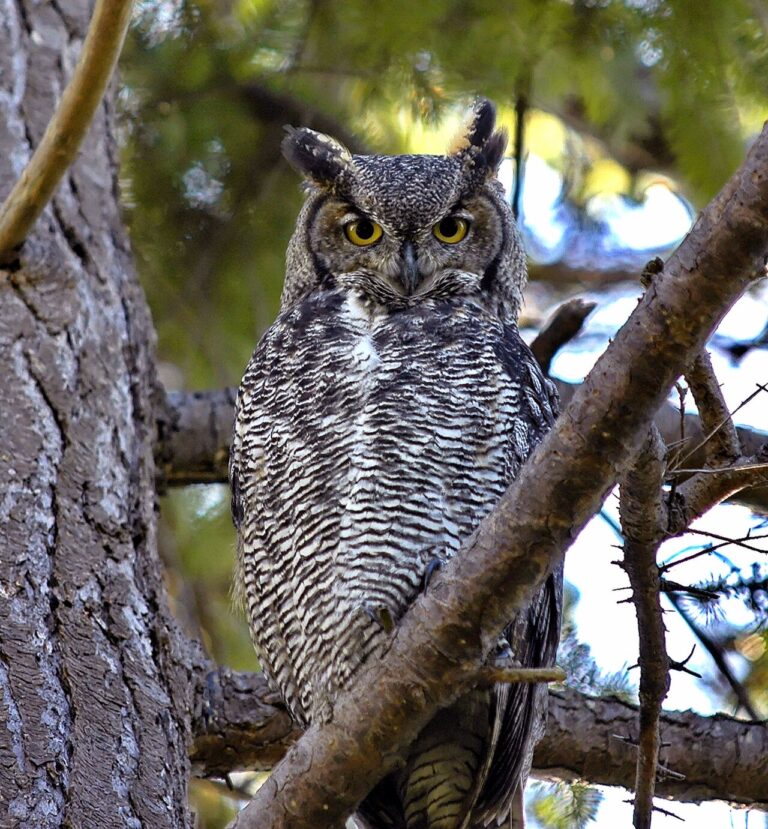
Texas is home to many types of owls, from the great horned owl to the tiny elf owl. Learn the common owl species in Texas, how to ID them, and where to see them.
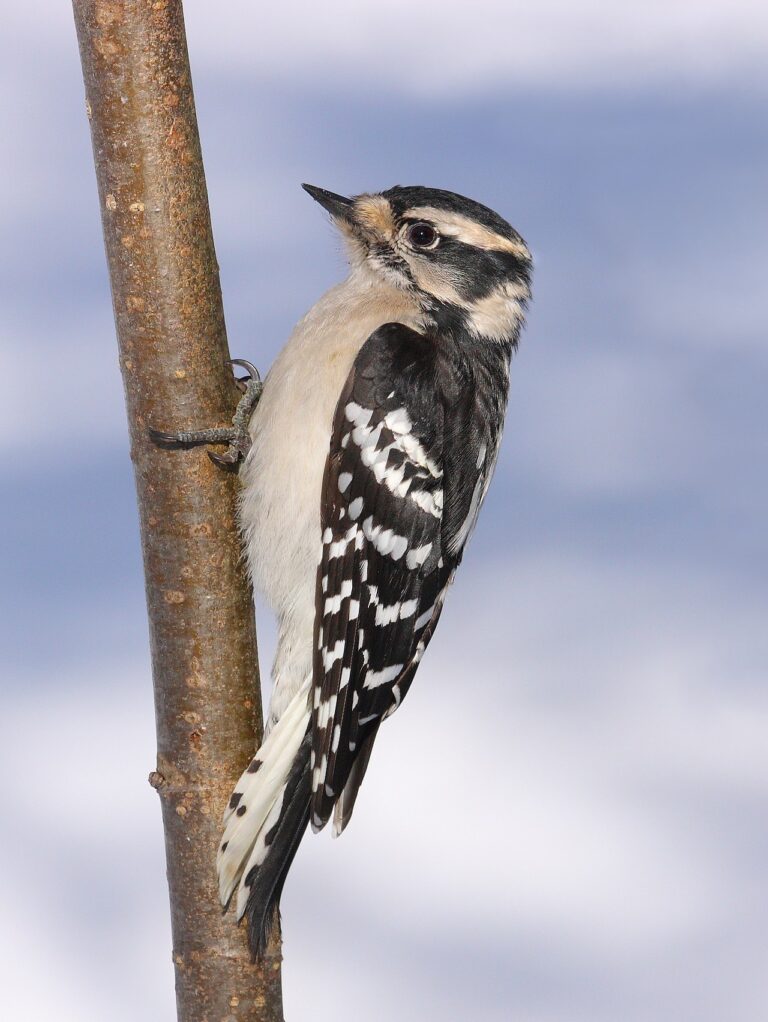
Michigan is home to several types of woodpeckers, from the downy to the pileated. Learn the common woodpecker species in Michigan, how to ID them, and how to attract them.
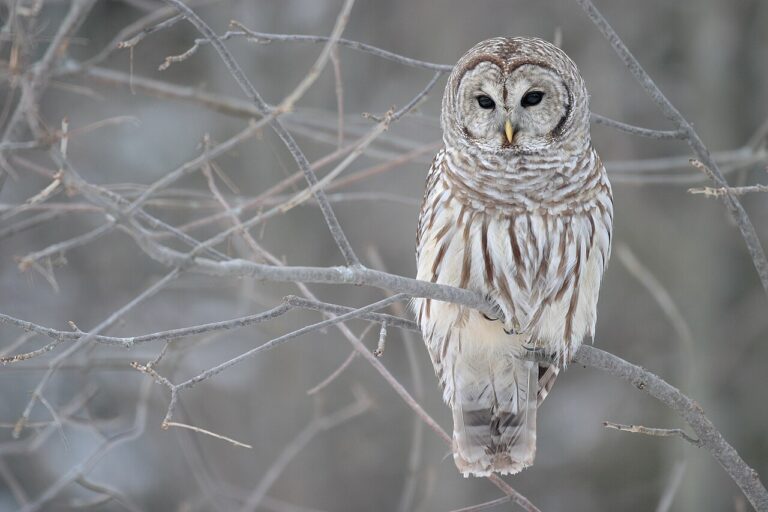
Florida is home to several types of owls, from the great horned owl to the burrowing owl. Learn the common owl species in Florida, how to ID them, and where to see them.
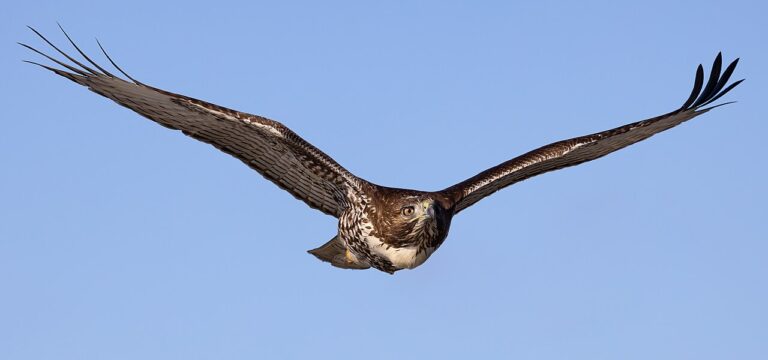
Ohio is home to several types of hawks, from the red-tailed hawk to Cooper’s hawk. Learn the common hawk species in Ohio, how to ID them, and where to see them.
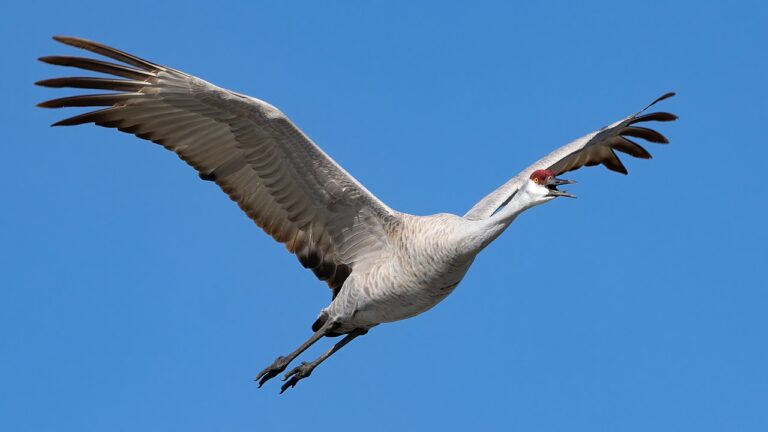
North America has two types of cranes: the sandhill crane and the whooping crane. Learn how to tell them apart, where they live, and how cranes differ from herons.
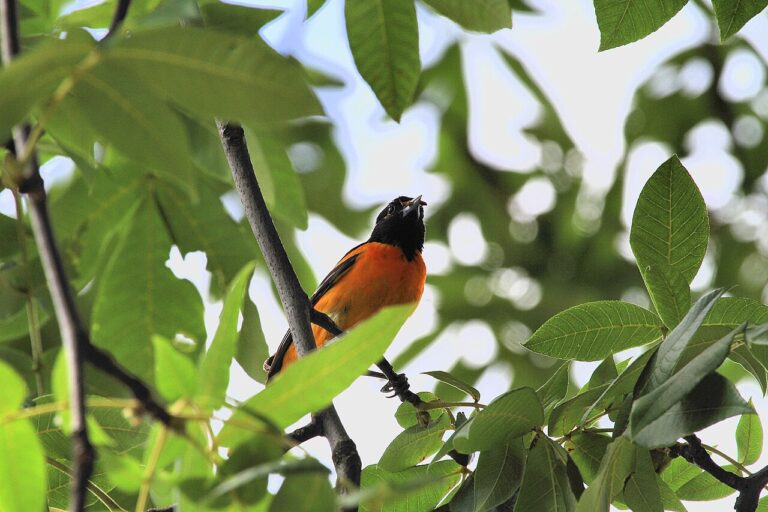
Several types of orange birds live in North America, from orioles to the robin. Learn common orange bird species, how to ID them, and why some birds are orange.
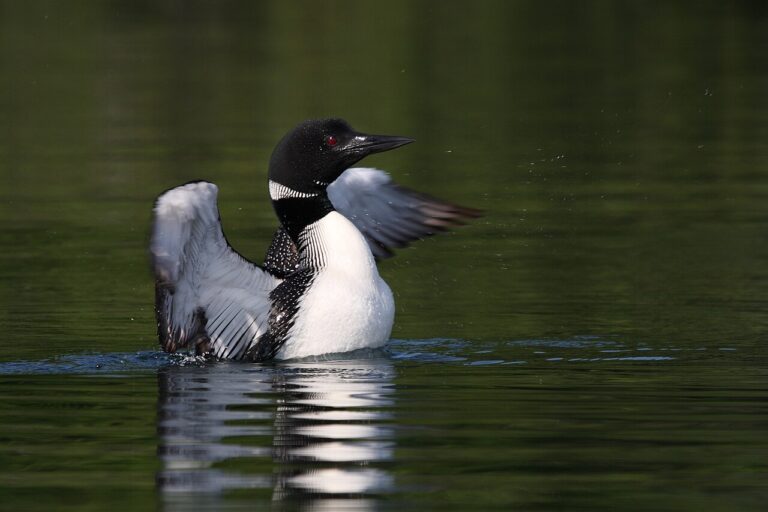
North America has five types of loons, from the common loon to the yellow-billed loon. Learn how to tell them apart, where they live, and facts about loons.
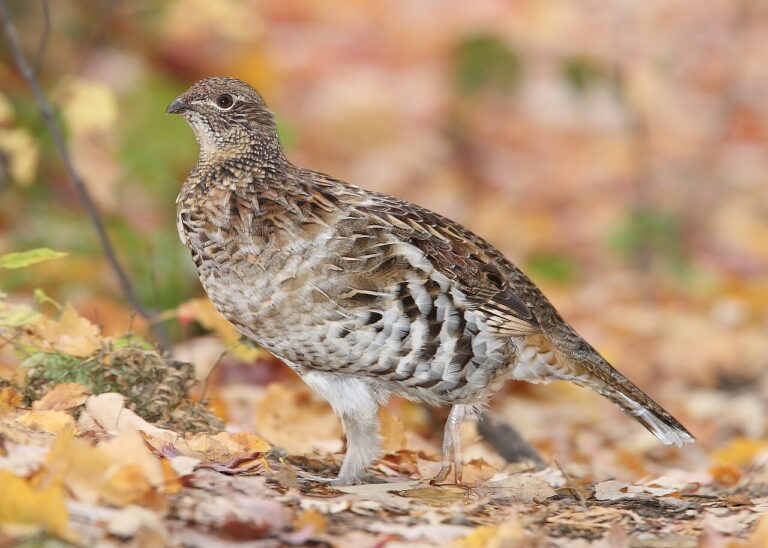
There are several types of grouse in North America, from the ruffed grouse to the ptarmigans. Learn common grouse species, how to ID them, and their amazing displays.