Types of Pheasants: A Complete Guide
The main pheasant in North America is the ring-necked pheasant, plus ornamental species. Learn the types of pheasants, how to tell them apart, and facts about them.
Every guide on The Faunalist in one archive. Browse identification help, species profiles, feeding advice, and regional birding guides for North American backyards.
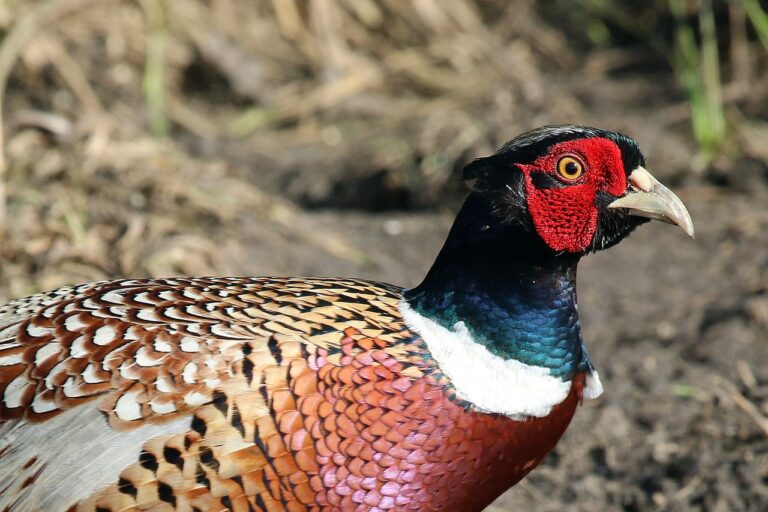
The main pheasant in North America is the ring-necked pheasant, plus ornamental species. Learn the types of pheasants, how to tell them apart, and facts about them.
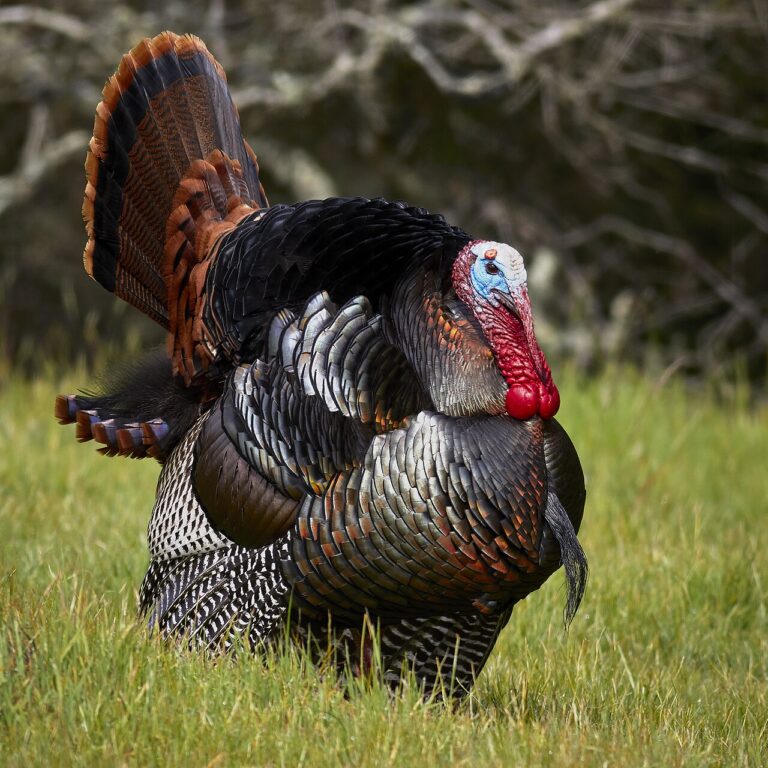
There is one wild turkey species with several subspecies, from the eastern to Merriam’s. Learn the types of turkeys, how to tell them apart, and facts about turkeys.
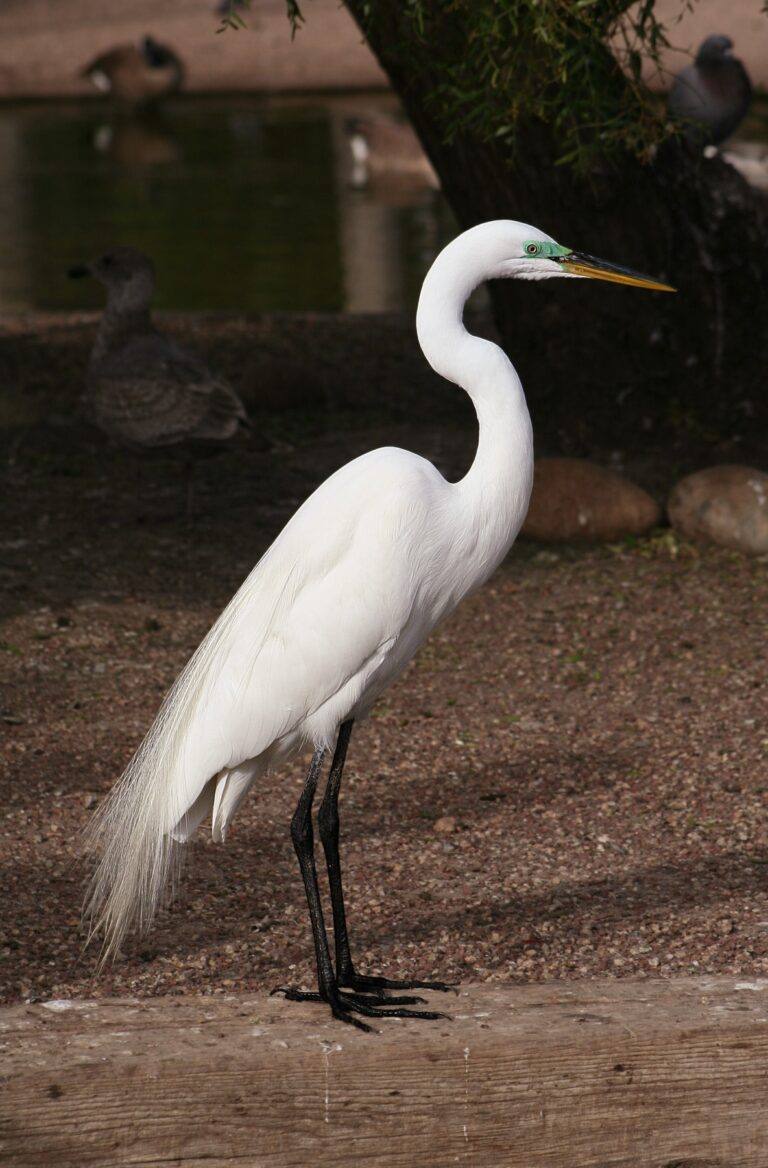
Several types of white birds live in North America, from egrets to swans and pelicans. Learn common white bird species, how to ID them, and why birds are white.
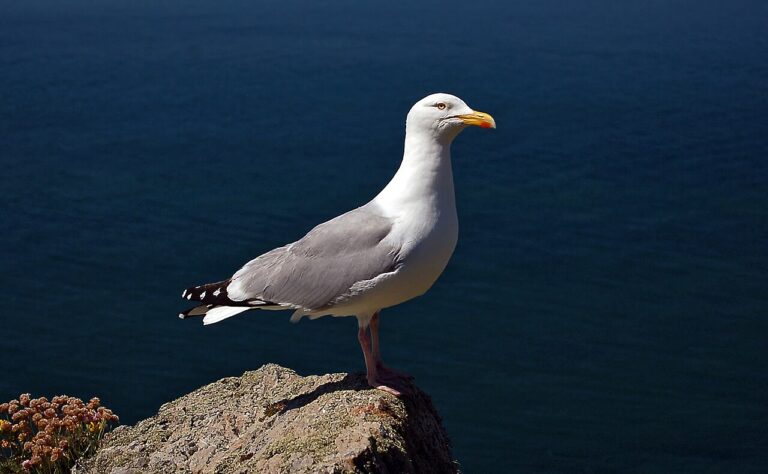
There are many types of gulls in North America, from the herring gull to the ring-billed gull. Learn common gull species, how to ID them, and why gulls are tricky.

North America has three types of swans: the trumpeter, tundra, and mute swan. Learn how to tell them apart, where they live, and fascinating facts about swans.
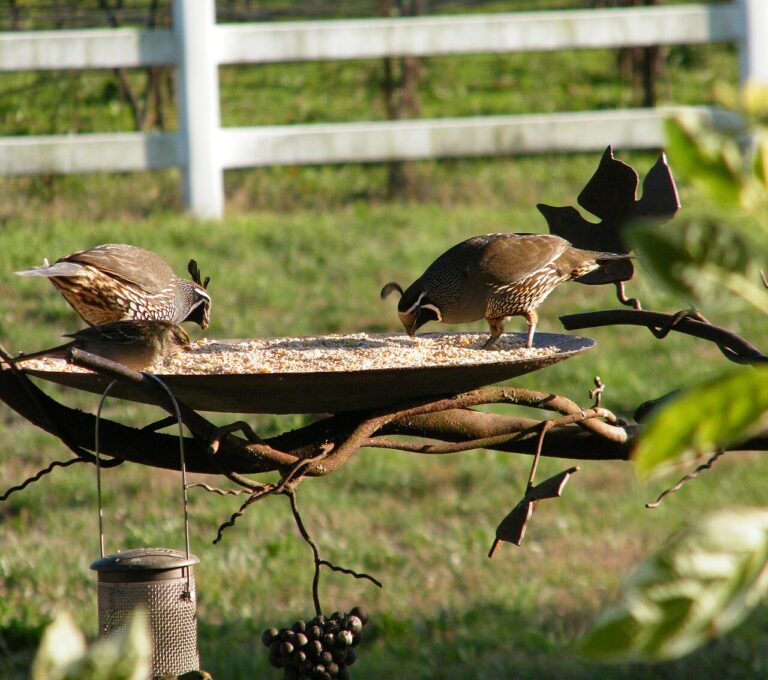
There are several types of quail in North America, from the northern bobwhite to the California quail. Learn common quail species, how to ID them, and how to attract quail.
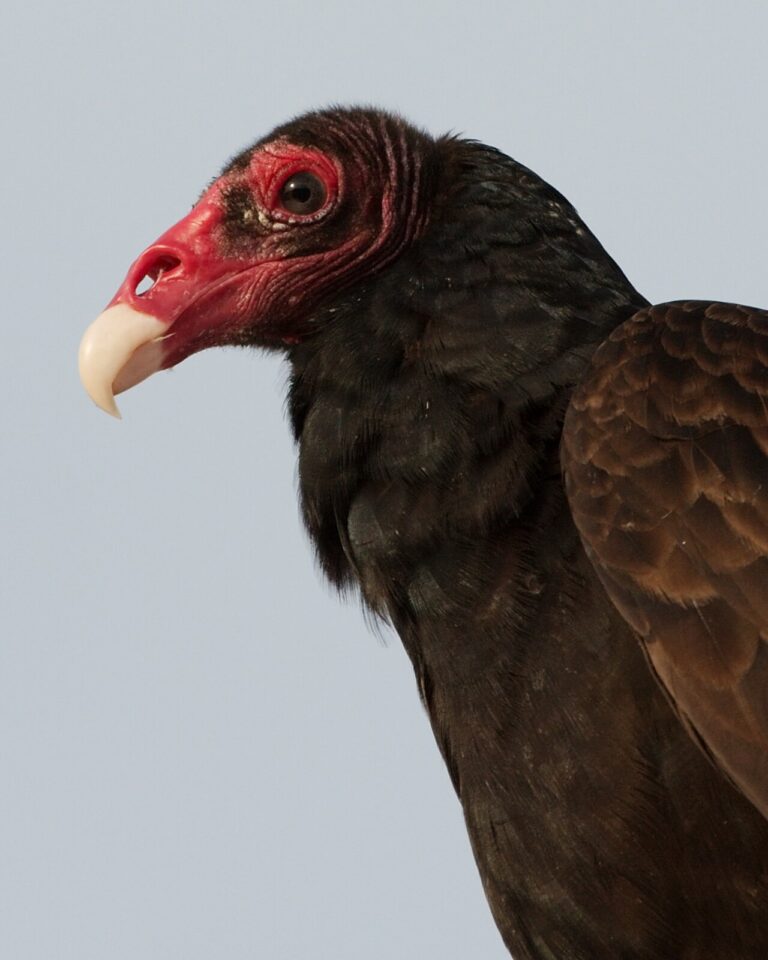
North America has three types of vultures: the turkey vulture, black vulture, and California condor. Learn how to tell them apart and why vultures are important.
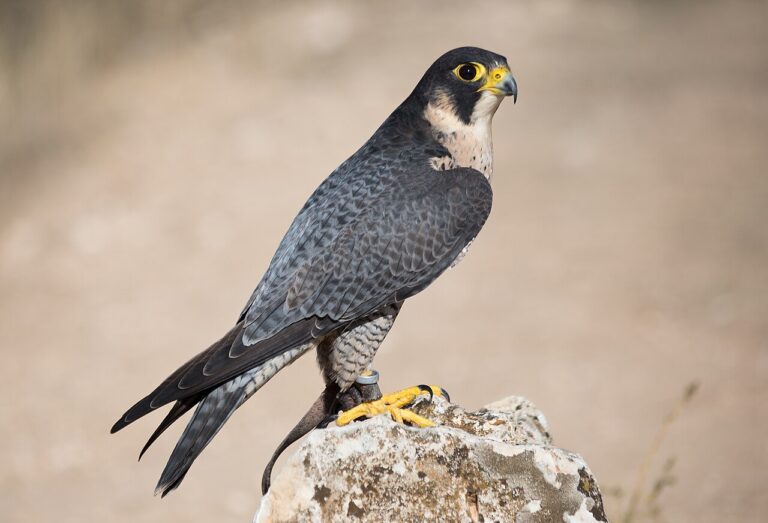
There are several types of falcons in North America, from the American kestrel to the peregrine. Learn common falcon species, how to ID them, and how they differ from hawks.
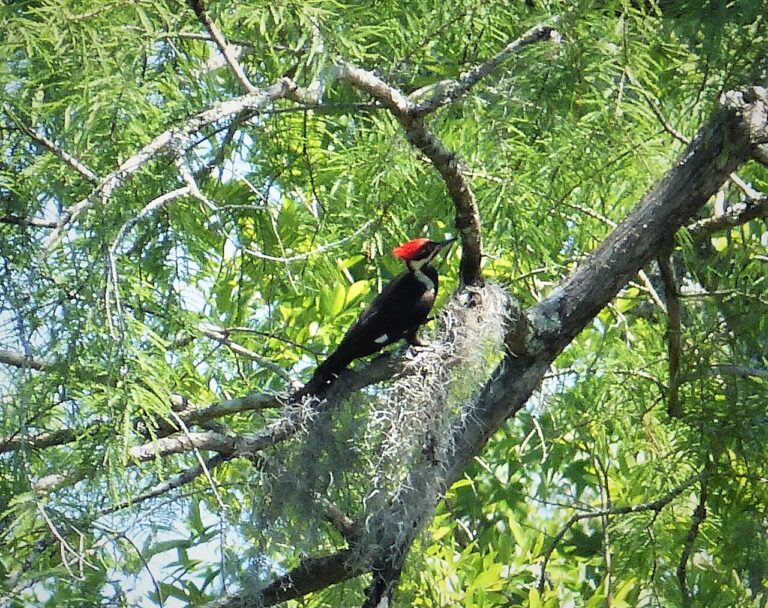
The female pileated woodpecker has a red crest but a black forehead and cheek stripe, unlike the male. Learn how to identify a female pileated woodpecker.
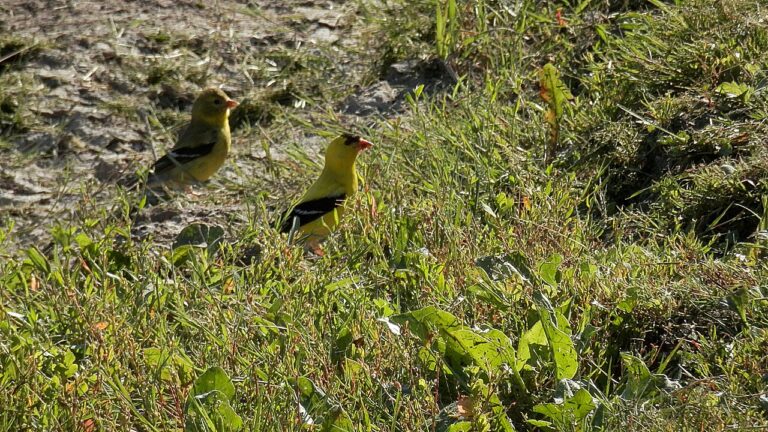
Several types of yellow birds live in North America, from the goldfinch to the yellow warbler. Learn common yellow bird species, how to ID them, and why birds are yellow.