Types of Grosbeaks: A Complete Guide
The main types of grosbeaks in North America are the rose-breasted, black-headed, blue, evening, and pine grosbeaks. These stocky, large-billed birds are named for their heavy, seed-cracking beaks, and they belong to two different bird families. This guide covers the types of grosbeaks, how to tell them apart, where they live, and how to attract them.
| Grosbeak | Key Feature |
|---|---|
| Rose-breasted Grosbeak | Male black and white, rose breast |
| Black-headed Grosbeak | Western, orange and black male |
| Blue Grosbeak | Deep blue male, large bill |
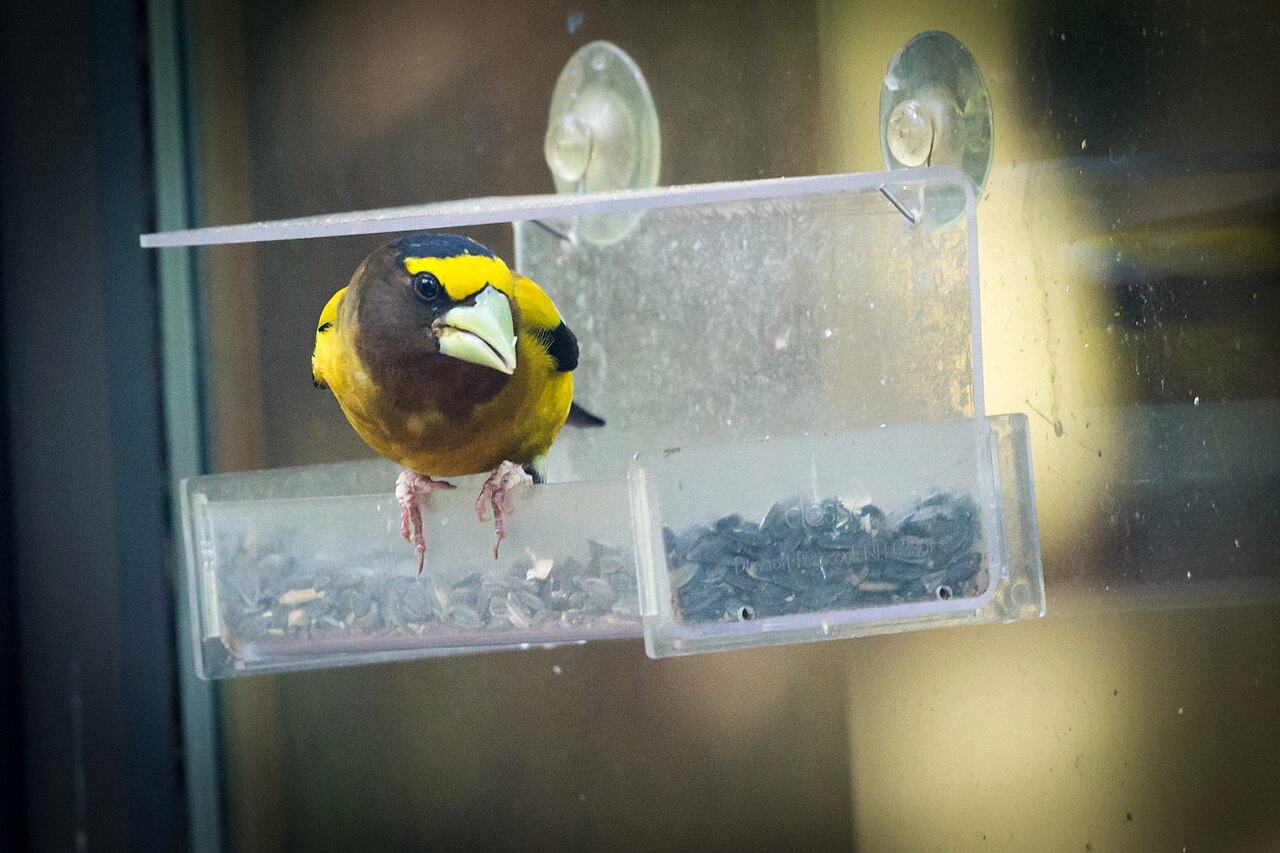
| Evening Grosbeak | Yellow, black, white, huge bill |
| Pine Grosbeak | Large, rosy, northern forests |
How Many Types of Grosbeaks Are There?
There are several types of grosbeaks in North America, all sharing a stocky build and a large, heavy, conical bill used for cracking seeds, though they actually belong to two different families. The rose-breasted grosbeak and the black-headed grosbeak, along with the blue grosbeak, belong to the cardinal family and are closely related to buntings and cardinals. The evening grosbeak and the pine grosbeak, by contrast, belong to the finch family. The rose-breasted grosbeak is a familiar eastern bird, the black-headed grosbeak its western counterpart, and the blue grosbeak a deep blue bird of brushy areas. The evening grosbeak is a chunky yellow, black, and white finch with a massive pale bill, and the pine grosbeak is a large, plump rosy finch of northern and mountain forests. The word grosbeak means large-beaked, describing their most obvious feature. Understanding grosbeaks begins with these species, and one female is covered in our guide to the female rose-breasted grosbeak.
The Main Grosbeaks and How to Tell Them Apart
Each grosbeak has a distinctive look, at least in the males. The rose-breasted grosbeak male is black and white with a brilliant rose-red triangle on the breast, while the female is a large, streaky brown bird. The black-headed grosbeak male, of the West, is rich orange and black, with the female a warm buff and brown. The blue grosbeak male is a deep, dark blue with chestnut wingbars and a large bill, larger than the similar indigo bunting, while the female is warm brown. The evening grosbeak is unmistakable, a stocky finch in yellow, black, and white with a huge pale greenish bill, often visiting feeders in flocks. The pine grosbeak is a large, plump finch, the male rosy-red and the female grayish with touches of yellow, found in northern forests. Size, color, bill shape, and range all help separate them. Each grosbeak is a treat to see, as explored in our guide to types of tanagers.
Where Grosbeaks Live
Grosbeaks live across North America, with different species in different regions and habitats. The rose-breasted grosbeak breeds in deciduous and mixed forests of the eastern and north-central United States and Canada, while the black-headed grosbeak replaces it in the West. The blue grosbeak favors brushy fields, edges, and open areas across the southern and central United States in summer. The evening grosbeak is a bird of northern and mountain coniferous forests, wandering south in some winters in search of food, sometimes appearing at feeders in large flocks. The pine grosbeak is a resident of northern boreal and high mountain forests, occasionally moving south in winter. Many grosbeaks migrate, and the rose-breasted, black-headed, and blue grosbeaks winter in the tropics, while the evening and pine grosbeaks are more likely to move around within North America. Because several grosbeaks visit feeders, they can often be seen in yards at the right season, as detailed in our guide to the northern cardinal.
How to Attract Grosbeaks
Attracting grosbeaks to your yard is rewarding, since several species readily visit feeders. Black oil sunflower seed is a top choice, and rose-breasted, black-headed, blue, and evening grosbeaks will all come to feeders offering sunflower seed, using their heavy bills to crack the shells with ease. Platform feeders and hopper feeders work well for these chunky birds, which appreciate a sturdy perch. Grosbeaks are most likely to appear at feeders during spring and fall migration, in the case of the rose-breasted and black-headed grosbeaks, or during winter irruptions, in the case of the evening grosbeak, so keeping feeders stocked at these times improves your chances. Planting native trees and shrubs that provide seeds, fruit, and insects supports grosbeaks naturally, and a source of water is always welcome. Because their visits can be seasonal and sometimes brief, seeing a grosbeak at the feeder feels like a special event. By offering sunflower seed on sturdy feeders, you can enjoy grosbeaks, as reflected in our guide to the best bird seed.
Grosbeak Bills and Feeding
The defining feature of grosbeaks is their remarkable bill, and understanding it adds to the enjoyment of these birds. According to the Cornell Lab of Ornithology, the evening grosbeak’s large, powerful bill can crush seeds that other birds cannot open, a striking example of the seed-cracking power grosbeaks possess. All grosbeaks share this heavy, conical bill, which acts like a pair of pliers, letting them crack open tough seeds and pits with ease, and the muscles that power the bill give these birds their chunky, big-headed look. This feeding adaptation lets grosbeaks exploit foods that many songbirds cannot, from large seeds to cherry pits, and it explains their fondness for sunflower seed at feeders. Different grosbeaks favor somewhat different foods, with some taking more fruit or insects in season, but the powerful bill is the common thread. Appreciating how grosbeaks use their impressive bills deepens the pleasure of watching them feed, as explored in our guide to types of finches.
Grosbeaks Through the Seasons
Grosbeaks bring different pleasures at different times of year, so knowing their seasonal patterns helps. The rose-breasted and black-headed grosbeaks are migratory, arriving in spring to breed and departing in fall for the tropics, so spring and fall are the prime times to see them, especially at feeders during migration. The blue grosbeak is a summer breeder in brushy areas, present in the warmer months. The evening grosbeak and pine grosbeak, being finch-family birds of northern and mountain forests, are more likely to appear in winter, and the evening grosbeak in particular can irrupt southward in large flocks in some years when food is scarce farther north, delighting feeder watchers. This means a yard might host rose-breasted grosbeaks in spring and, in a good year, evening grosbeaks in winter. Watching for grosbeaks through the seasons adds anticipation to backyard birding, as reflected in our guide to the northern cardinal.
Appreciating Grosbeaks
Grosbeaks are a rewarding group to appreciate, both for their beauty and for their impressive bills. Learning to recognize the different grosbeaks, from the rose-breasted’s red breast to the evening grosbeak’s bold yellow, black, and white, adds a rewarding dimension to backyard and woodland birding. Watching a grosbeak crack open a large seed with its powerful bill is a small marvel, and the seasonal nature of their visits, whether rose-breasted grosbeaks in spring migration or evening grosbeaks in a winter irruption, makes each sighting feel special. Because several grosbeaks visit feeders, they offer excellent chances to observe these striking birds up close. Taking the time to watch grosbeaks, offer them sunflower seed, and appreciate their colors and their remarkable bills makes birding more rewarding throughout the year, and connects you to both the cardinal and finch families they represent.
Grosbeaks and Their Names
The grosbeaks are a good reminder that common bird names do not always follow scientific relationships, which is worth knowing. Because the name grosbeak simply describes a large, heavy beak, it has been applied to several unrelated birds that happen to share this feature, so the grosbeaks are not a single natural group. The rose-breasted, black-headed, and blue grosbeaks are members of the cardinal family, closely related to cardinals and buntings, while the evening and pine grosbeaks are true finches, related to other finches like the house finch and goldfinch. This is why the different grosbeaks can look and behave somewhat differently despite sharing a name and a bill shape. Understanding that grosbeak is a description rather than a family helps make sense of these birds and their varied habits. It is a useful lesson that applies to many bird names, adding depth to your birding, as reflected in our guide to types of finches.
Related reading: Types of Grebes.
Frequently Asked Questions
How many types of grosbeaks are there?
The main types of grosbeaks in North America are the rose-breasted, black-headed, blue, evening, and pine grosbeaks. They belong to two families, the cardinal family and the finch family.
What is the most common grosbeak?
The rose-breasted grosbeak is a familiar grosbeak in the East, and the black-headed grosbeak in the West. The evening grosbeak visits feeders in flocks during some winters.
Why are grosbeaks called grosbeaks?
The word grosbeak means large-beaked, describing their heavy, conical bills, which are ideal for cracking seeds. This big bill is the most obvious feature grosbeaks share.
Are all grosbeaks related?
Not closely. The rose-breasted, black-headed, and blue grosbeaks belong to the cardinal family, while the evening and pine grosbeaks belong to the finch family.
How do you tell grosbeak species apart?
Use color, size, bill shape, and range. Males are distinctive, from the rose-breasted’s red breast to the evening grosbeak’s yellow, black, and white with a huge bill.
How do you attract grosbeaks?
Offer black oil sunflower seed on platform or hopper feeders. Rose-breasted, black-headed, blue, and evening grosbeaks all visit feeders, especially during migration or winter.
Where do grosbeaks live?
Grosbeaks live across North America, with the rose-breasted in the East, black-headed in the West, blue grosbeak in brushy areas, and evening and pine grosbeaks in northern forests.