Types of Hawks in South Carolina: A Complete Guide
South Carolina is home to several types of hawks, most commonly the red-tailed hawk, red-shouldered hawk, Cooper’s hawk, sharp-shinned hawk, and broad-winged hawk. These birds of prey can be seen soaring over the state’s forests, farmland, and coastal areas, perched along highways, or hunting in backyards. This guide covers how many hawks live in South Carolina, the common species, how to tell them apart, where to see them, and when they are most active.
| Hawk | Key Features in South Carolina |
|---|---|
| Red-tailed Hawk | Most common, red tail, soars |
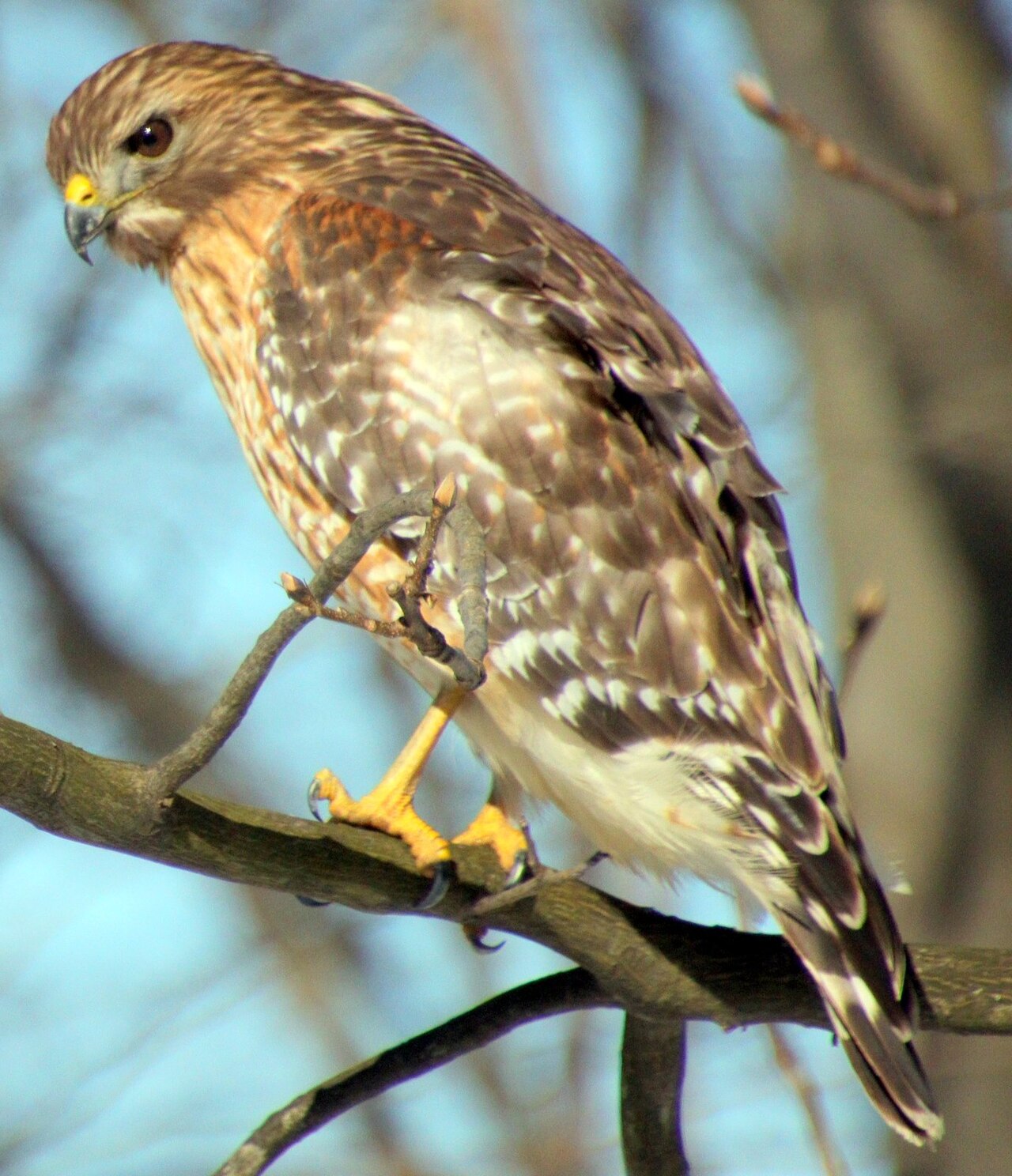
| Red-shouldered Hawk | Woodlands, reddish barring |
| Cooper’s Hawk | Backyards, hunts birds |
| Sharp-shinned Hawk | Small, hunts songbirds |
| Broad-winged Hawk | Summer, migrates in kettles |
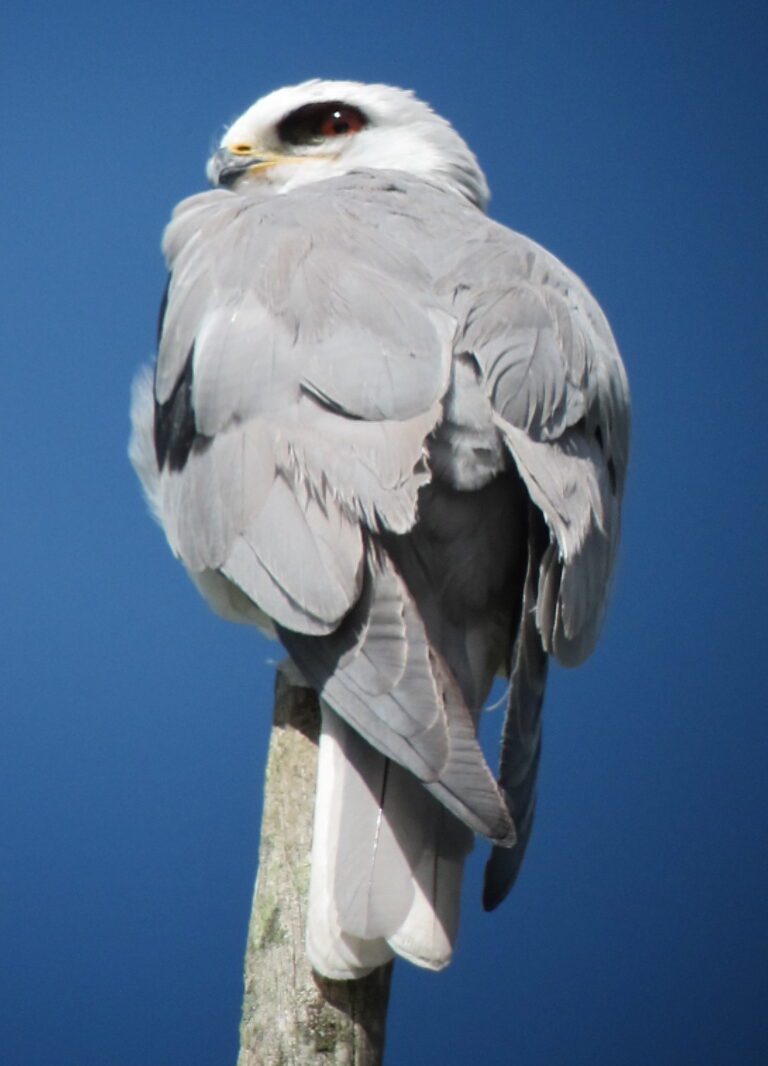
| Mississippi Kite | Slim, gray, summer visitor |
| Northern Harrier | Marshes, low flight, white rump |
How Many Types of Hawks Live in South Carolina?
South Carolina hosts several species of hawks throughout the year, some as year-round residents and others as seasonal migrants or summer breeders. The most common and widespread is the red-tailed hawk, frequently seen perched along highways and soaring over open country. Other regularly occurring hawks include the red-shouldered hawk of the woodlands and swamps, especially common in the lowcountry, the two bird-hunting accipiters, Cooper’s hawk and the sharp-shinned hawk, and the broad-winged hawk that breeds in summer and migrates in spectacular flocks. The graceful Mississippi kite breeds in the state in summer, and the northern harrier courses low over marshes and fields, mainly in winter. Hawks are birds of prey with keen eyesight, hooked bills, and strong talons, and they play an important role in controlling rodents and other small animals. South Carolina’s mix of mountains, forests, farmland, and coastal areas supports this variety. Understanding the hawks of South Carolina begins with these species, part of the wider group covered in our guide to types of hawks.
Common Hawks in South Carolina
Several hawks are especially common in South Carolina and worth knowing. The red-tailed hawk is the most familiar, a large, broad-winged hawk with, in adults, a brick-red tail, often seen perched on poles and trees along roadsides or soaring in wide circles. The red-shouldered hawk is a woodland hawk with reddish barred underparts and boldly banded wings and tail, very common in South Carolina’s forests and swamps, especially the lowcountry, and often heard giving its loud calls. The Cooper’s hawk is a medium-sized, bird-hunting hawk that frequently visits backyards and bird feeders in pursuit of songbirds, while the very similar but smaller sharp-shinned hawk also hunts small birds. The broad-winged hawk is a small, stocky forest hawk that breeds in summer and migrates south in large swirling flocks called kettles. The Mississippi kite is a slender, graceful gray raptor that catches insects in flight, and the northern harrier flies low over marshes. Each of these hawks has its own look and habits, as explored in our guide to types of hawks in Georgia.
How to Tell South Carolina Hawks Apart
Telling South Carolina’s hawks apart is easier when you use size, shape, and behavior. Start with size and shape, since the buteos like the red-tailed and red-shouldered hawks are large and broad-winged, built for soaring, while the accipiters like Cooper’s and sharp-shinned hawks are slimmer with shorter, rounded wings and long tails, built for chasing birds through cover. The Mississippi kite is slim and falcon-like with pointed wings. Look for key field marks, such as the red-tailed hawk’s red tail, the red-shouldered hawk’s reddish barring and banded tail, and the harrier’s white rump and low, tilting flight. Behavior and habitat help, since the red-tailed hawk soars over open country, the red-shouldered hawk favors woods and swamps and calls loudly, the accipiters dash after birds and visit feeders, and the kite catches insects gracefully in the air. Season matters too, since the kite and broad-winged hawk are summer breeders. By combining size, shape, field marks, and behavior, you can identify South Carolina’s hawks, as explored in our guide to types of hawks in Alabama.
Where to See Hawks in South Carolina
Hawks can be seen throughout South Carolina in a variety of habitats, from open farmland to forests, swamps, and coastal areas. The red-tailed hawk is often spotted perched on utility poles, fence posts, and trees along highways and over agricultural fields, making it one of the easiest hawks to observe. The red-shouldered and broad-winged hawks favor wooded areas, river corridors, swamps, and forests, and the red-shouldered hawk is especially common in the lowcountry, while Cooper’s and sharp-shinned hawks are frequently seen in wooded neighborhoods, parks, and around backyard feeders. The Mississippi kite is seen over woodlands and towns in summer, and the northern harrier hunts over marshes, fields, and coastal areas in winter. South Carolina’s coast is an important area for migrating raptors in fall. Parks, wildlife refuges, and nature preserves throughout the state provide excellent hawk habitat. Because hawks are widespread and often perch in the open or soar overhead, they are among the most visible birds of prey in the state, as detailed in our guide to types of falcons.
When Hawks Are Most Active in South Carolina
The best times to see hawks in South Carolina depend on the species and the season. Year-round residents like the red-tailed hawk, red-shouldered hawk, and Cooper’s hawk can be seen in every season, though they are often especially conspicuous in late fall and winter when leaves are off the trees and the birds perch in the open. Summer brings breeding raptors like the Mississippi kite and broad-winged hawk, the kite often seen catching insects in graceful flight. Fall migration, roughly from September into November, is a spectacular time for hawk watching, when many hawks, most notably broad-winged hawks in September, stream south in large numbers, sometimes forming huge kettles of circling birds, and South Carolina’s coast concentrates migrants. Winter brings visitors such as the northern harrier. During the day, hawks are most active when rising warm air, called thermals, helps them soar, so mid-morning through afternoon on clear days is often productive. By timing your outings to the seasons and the daily thermals, you can enjoy South Carolina’s hawks, as reflected in our guide to backyard birds of South Carolina.
The Red-shouldered Hawk, a South Carolina Lowcountry Favorite
The red-shouldered hawk deserves special attention as one of South Carolina’s most characteristic hawks, especially in the lowcountry. According to the Cornell Lab of Ornithology, the red-shouldered hawk is a common hawk of woodlands and wooded suburbs known for its loud, distinctive call. In South Carolina, this handsome buteo is especially abundant in the swamps, bottomland forests, and wooded areas of the coastal plain, or lowcountry, where its reddish barred underparts, boldly banded black-and-white wings and tail, and reddish shoulders make it striking and recognizable. Its loud, repeated call is a familiar sound of southern swamps, and blue jays often imitate it. The red-shouldered hawk hunts a variety of prey, from small mammals and reptiles to amphibians, well suited to South Carolina’s wet forests and swamps. It often perches at the edge of woods or calls loudly overhead. Because it is so common and vocal in the lowcountry, the red-shouldered hawk is a signature South Carolina hawk, as explored in our guide to types of hawks.
Appreciating South Carolina’s Hawks
South Carolina’s hawks are a rewarding group to appreciate, both for their beauty and for their role in nature. As predators, hawks help keep populations of rodents and other small animals in balance, playing an important part in healthy ecosystems across the state’s mountains, forests, swamps, and coastal areas. Learning to recognize the common hawks, from the soaring red-tailed hawk to the vocal red-shouldered hawk of the lowcountry and the graceful Mississippi kite of summer, adds a rewarding dimension to time spent outdoors. South Carolina’s coast offers a chance to see raptors moving through in fall, especially broad-winged hawks. Taking the time to observe hawks, note their shapes and behaviors, and enjoy their mastery of the air deepens the pleasure of birding in South Carolina, connecting observers to the wider world of raptors.
Frequently Asked Questions
What is the most common hawk in South Carolina?
The red-tailed hawk is the most common and widespread hawk in South Carolina, a large bird often seen perched along highways or soaring over open fields and farmland.
What hawk hunts birds at feeders in South Carolina?
Cooper’s hawks and sharp-shinned hawks hunt songbirds at backyard feeders in South Carolina. These bird-hunting hawks are drawn to the concentration of prey at feeders.
How many types of hawks are in South Carolina?
South Carolina hosts several hawk species, including the red-tailed, red-shouldered, Cooper’s, sharp-shinned, and broad-winged hawks, the Mississippi kite, and the northern harrier.
What hawk is common in the South Carolina lowcountry?
The red-shouldered hawk is especially common in the South Carolina lowcountry, a woodland and swamp hawk with reddish barring that is often heard giving its loud calls.
How do you tell South Carolina hawks apart?
Use size, shape, and behavior. Buteos like the red-tailed hawk are broad-winged and soar, while accipiters like Cooper’s hawk are slim with long tails and hunt birds.
When is the best time to see hawks in South Carolina?
Fall migration from September into November is spectacular, especially for broad-winged hawks. Year-round hawks are easy to see in winter, and kites arrive in summer.
Where can you see hawks in South Carolina?
Hawks are seen along highways, over farmland, in forests and swamps, around backyard feeders, over marshes, and along the coast during fall migration.