Desert Iguana: The Lizard That Forages at 108 Degrees
The desert iguana (Dipsosaurus dorsalis) is a pale, round bodied lizard of the Mojave and Sonoran deserts that stays active in heat that drives almost every other reptile underground. It is roughly 10 to 16 inches (25 to 41 cm) long including the tail, and it feeds mainly on the leaves and yellow flowers of the creosote bush.
It is also the most heat tolerant lizard in North America. A desert iguana will forage with a body temperature near 108 F (42 C), which is lethal to most reptiles, and it does so partly to avoid the snakes and predatory lizards that quit for the day. That single adaptation explains most of its behavior, its range, and its pale color.
The desert iguana is a 10 to 16 inch (25 to 41 cm) herbivorous lizard native to the Mojave and Sonoran deserts of the southwestern United States and northwestern Mexico. It tolerates body temperatures up to about 115 F (46 C), eats mostly creosote bush leaves and flowers, and is not aggressive toward people.
| Trait | Desert iguana |
|---|---|
| Scientific name | Dipsosaurus dorsalis |
| Total length | 10 to 16 in (25 to 41 cm), tail is over half |
| Weight | 2 to 3 oz (57 to 85 g) |
| Range | Mojave and Sonoran deserts, plus Baja California and Sonora |
| Diet | Creosote bush leaves and flowers, other desert plants, occasional insects |
| Active body temperature | 100 to 108 F (38 to 42 C) |
| Lifespan | 7 to 10 years in the wild |
Is the desert iguana a true iguana?
Yes, in the sense that matters taxonomically. The desert iguana belongs to the family Iguanidae, the same family as the green iguana, and it is the only living member of its genus Dipsosaurus. It is a true iguana by lineage, just a small and desert adapted one.
What confuses people is scale. A green iguana reaches 5 to 6 ft (1.5 to 1.8 m) and a heavy build, while a desert iguana is a fist sized lizard with a whiplike tail. Both are herbivorous, both have the long toes and loose neck skin of the family, and both lay eggs. Size differences among iguanas are large, as our orange iguana profile shows.
What does a desert iguana look like, and how big does it get?
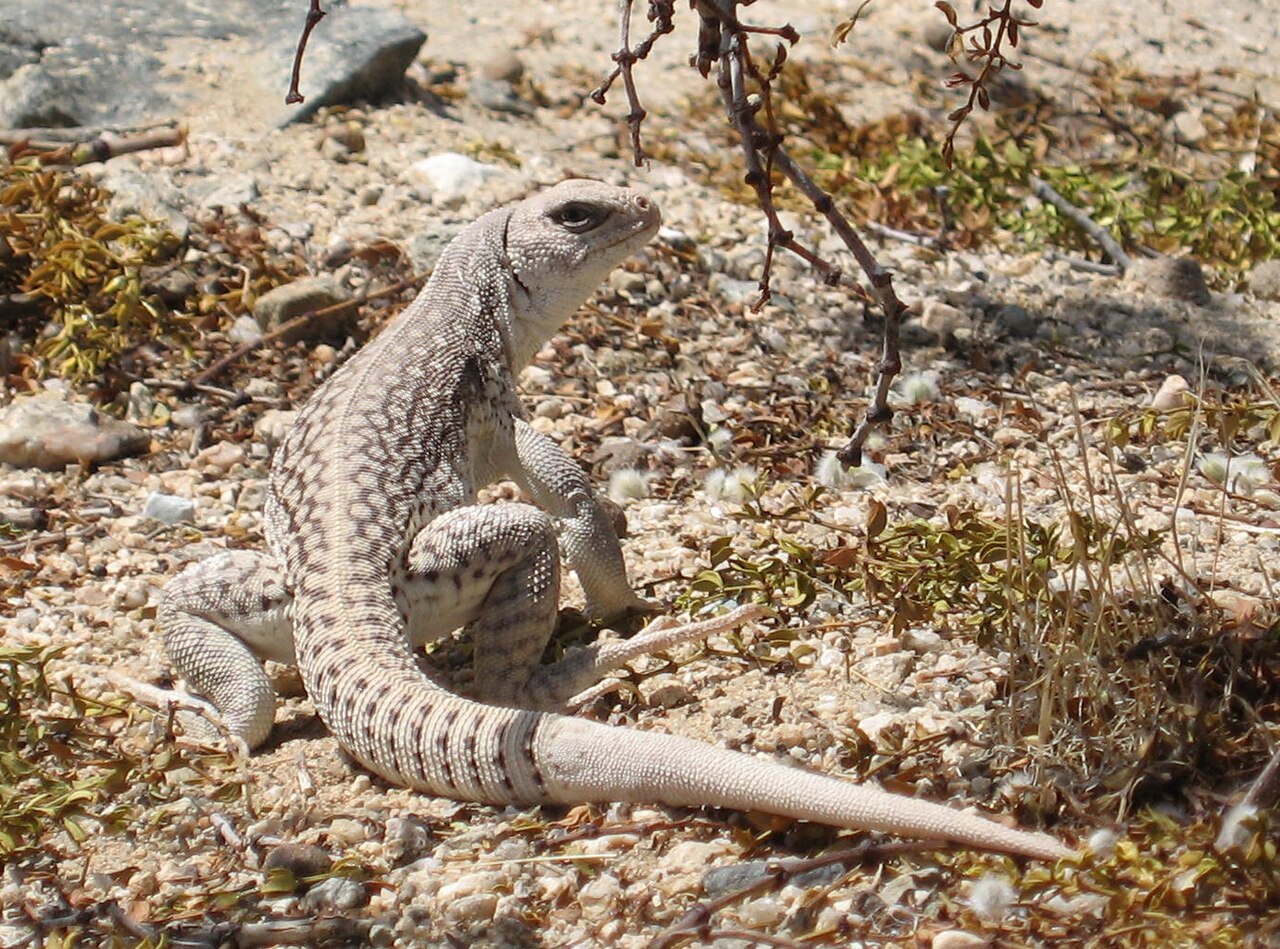
Adults measure 10 to 16 in (25 to 41 cm) from snout to tail tip, with a body of about 4 to 6 in (10 to 15 cm) and a tail that accounts for the rest. The coloring is a pale gray to cream base with a net of reddish brown spots along the back that fade toward the tail, and a low crest of enlarged scales runs down the spine.
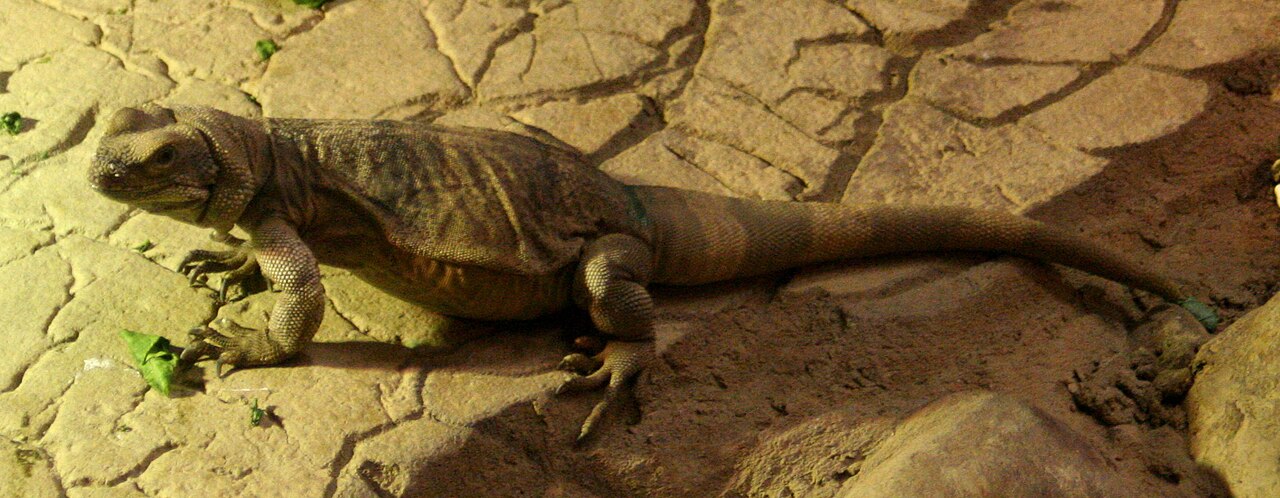
The pale coloring is functional. Light scales reflect solar radiation, and during the breeding season the flanks flush pink in both sexes. Look for the round, blunt head and the distinct row of dorsal scales to separate it from the chuckwalla (Sauromalus ater), a larger, darker, flat bodied lizard that shares the same rock piles. A baby iguana of this species hatches at around 3 in (8 cm).
Where desert iguanas live and what they eat
Desert iguanas occupy creosote flats and sandy washes across southern Nevada, southeastern California, western Arizona, southwestern Utah, Baja California, and Sonora. They dig their own burrows at the base of shrubs or take over rodent tunnels, and the burrow is the reason they survive summer surface temperatures above 150 F (66 C).
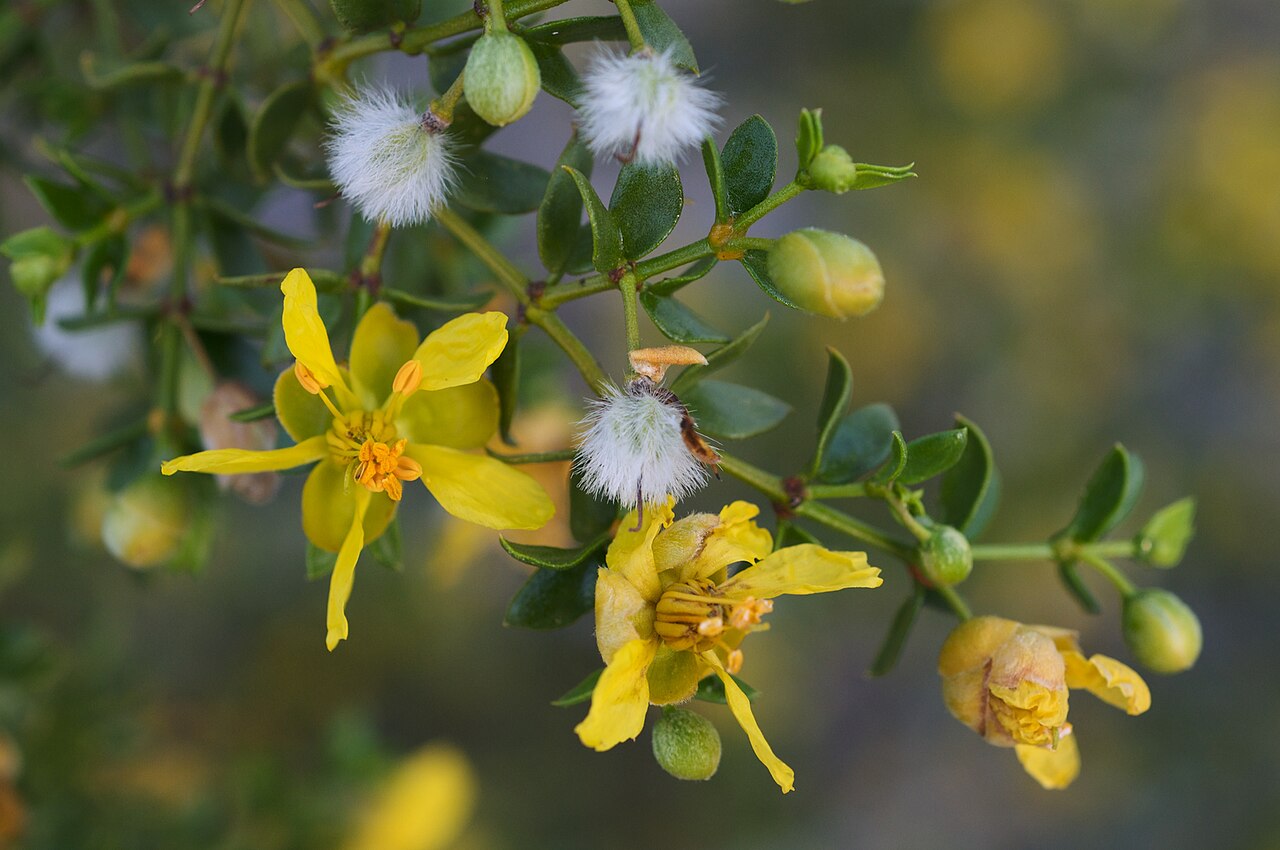
Their diet is heavily herbivorous and closely tied to the creosote bush (Larrea tridentata). They climb into the branches to reach the yellow flowers and young leaves, which few other animals eat because of the plant’s resinous coating. Fruit, buds, and the occasional insect round out the menu, and unlike the mixed feeding covered in our iguana food guide, adults take very little animal matter. You can see the habitat described by the National Park Service at Joshua Tree National Park.
Do desert iguanas freeze, and what do they do when threatened?
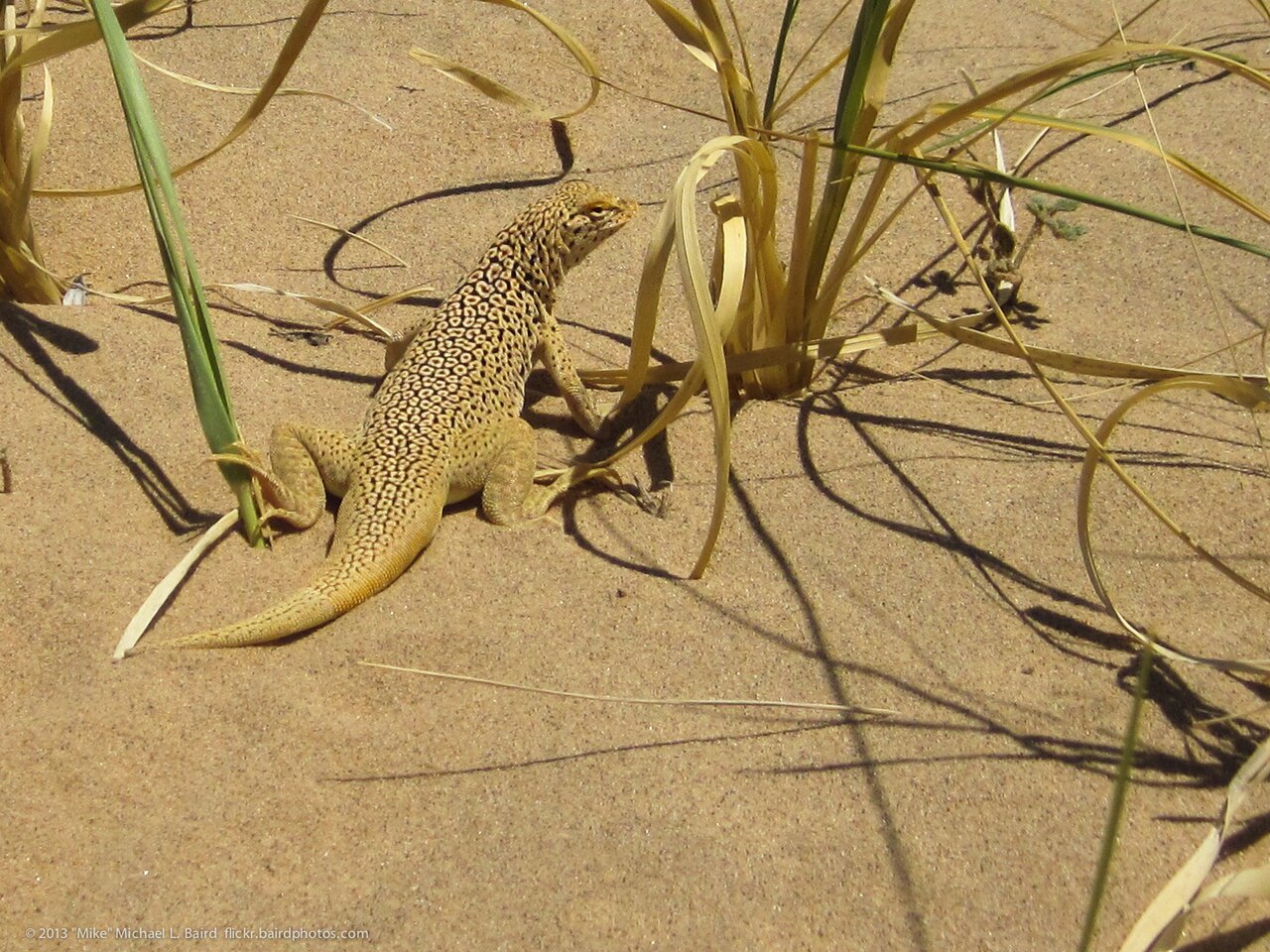
They freeze in the behavioral sense, not the literal one. A startled desert iguana holds absolutely still against the pale sand, relying on camouflage, and it bolts for a burrow only when the threat closes in. During that sprint it often rises onto its hind legs, running bipedally for short distances.
Cold is a different matter. Desert nights drop sharply, and the species retreats underground at dusk and spends the cold months from roughly November to March in brumation, emerging later in spring than most desert lizards. The tail can break away if a predator grabs it, and it regrows imperfectly. Its burrow neighbors include the giant desert centipede, which shelters from the same heat.
Do desert iguanas make good pets, and are they aggressive?
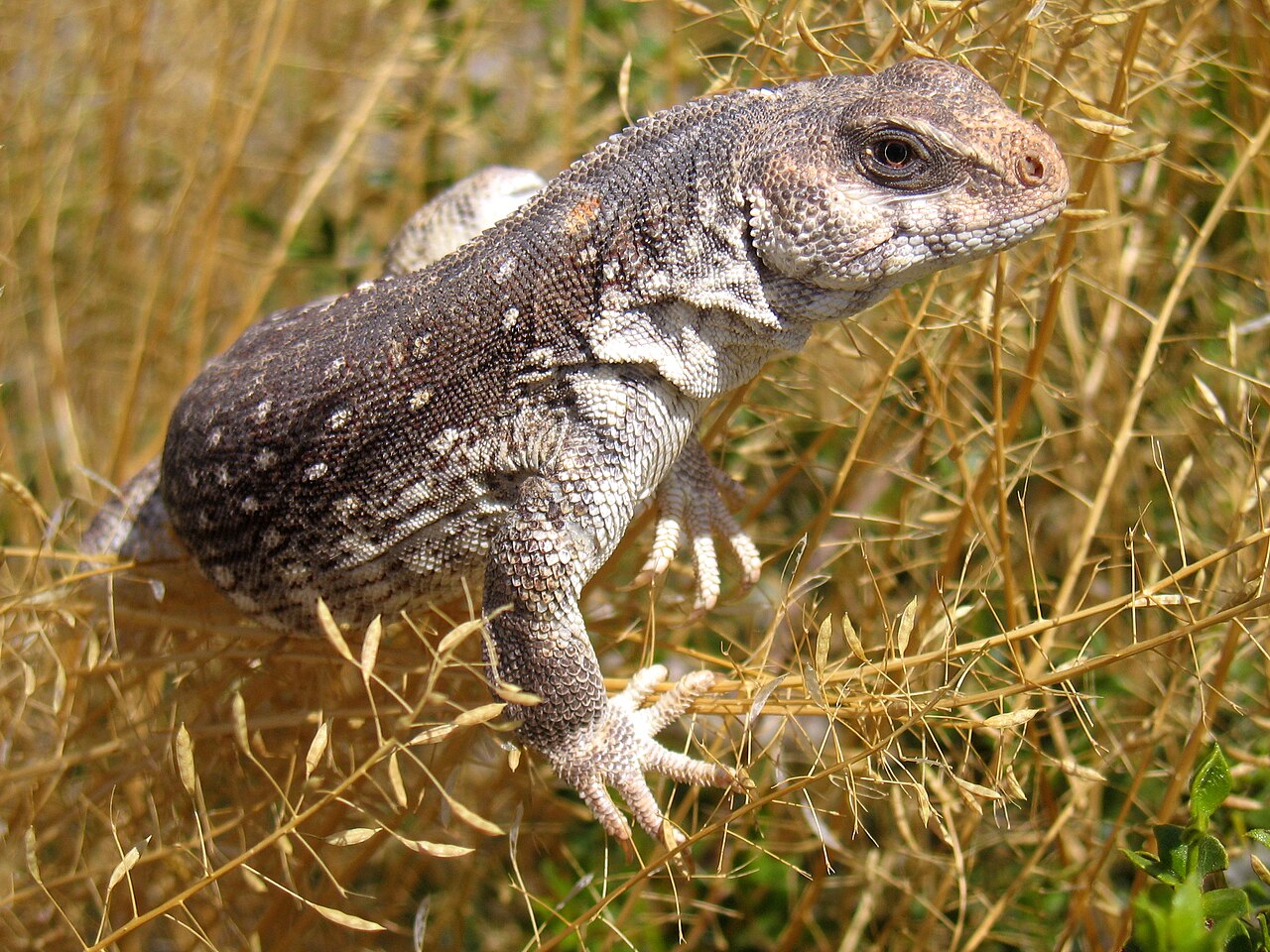
They are not aggressive toward people, but they make poor pets for most keepers. A desert iguana needs a basking surface near 110 F (43 C), very low humidity, deep sand for burrowing, strong UVB, and a plant based diet that few owners can source year round. Animals kept at ordinary reptile room temperatures stop digesting and fail slowly.
They are also skittish rather than defensive. A cornered individual will puff up, hiss, and may nip, though the risk is nothing like the tail whip and bite of a large green iguana described in our iguana bite guide. Collection from the wild is regulated in several states, and wild caught animals rarely settle. Their droppings look much like those covered in our iguana poop identification piece.
Frequently Asked Questions
How hot can a desert iguana get before it dies?
Desert iguanas tolerate body temperatures up to about 115 F (46 C) for short periods, the highest known for any North American lizard. They forage comfortably near 108 F (42 C) and retreat to a burrow above that. Most desert reptiles die within minutes at those temperatures.
What is the desert iguana’s defense mechanism?
Its first defense is stillness and camouflage, its second is speed toward a burrow, sometimes on two legs. If caught by the tail, the tail detaches and continues moving while the lizard escapes. Puffing up, hissing, and biting are last resorts and are rarely used against humans.
Is the desert iguana endangered?
No. The species is listed as Least Concern, with a wide range and stable numbers across most of it. Local declines are tied to solar development, off road vehicle traffic, and the loss of creosote flats to invasive grasses and fire, which the species does not recover from quickly.
How big is the biggest desert iguana?
The largest recorded individuals reach about 16 in (41 cm) in total length with a body length near 6 in (15 cm). Reports of larger desert iguanas usually involve a misidentified chuckwalla, which grows to 18 in (46 cm) and is far heavier bodied.