Baby Jumping Spider: Spiderling Growth, Care, and Egg Sacs
A baby jumping spider is called a spiderling: pinhead-sized, fully independent, and hunting from day one. Growth, egg sacs, ballooning, and pet-keeper basics.
Beyond the feeder. Guides to the mammals, reptiles, and other wildlife that share your backyard, from squirrels and raccoons to deer and foxes.
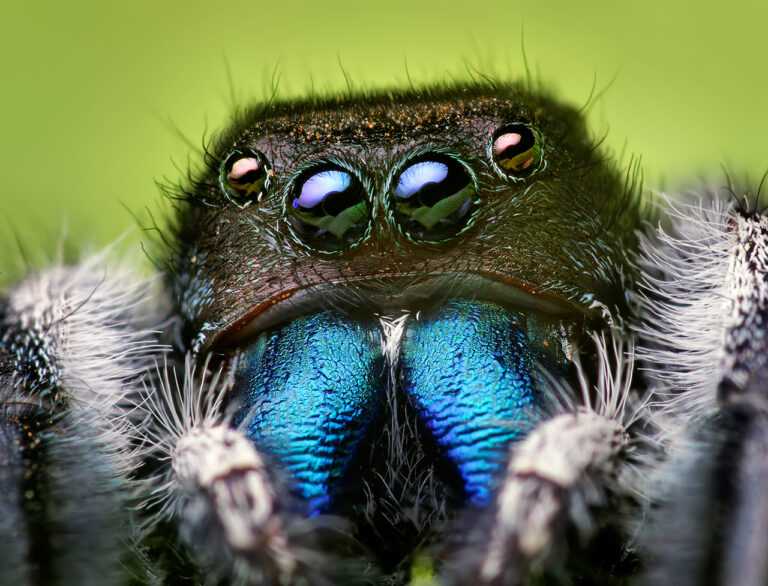
A baby jumping spider is called a spiderling: pinhead-sized, fully independent, and hunting from day one. Growth, egg sacs, ballooning, and pet-keeper basics.
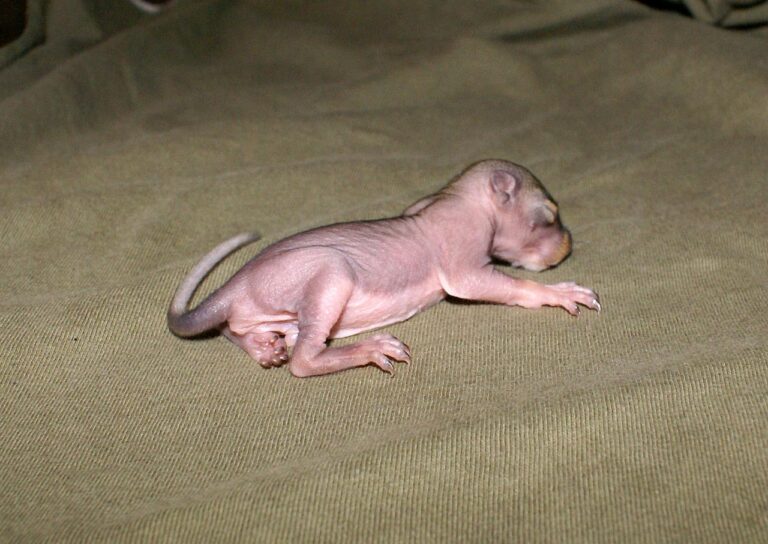
A baby squirrel is called a kit. Week-by-week growth, how to age one at a glance, the reunion method that beats rescue, and the attic rule for baby season.
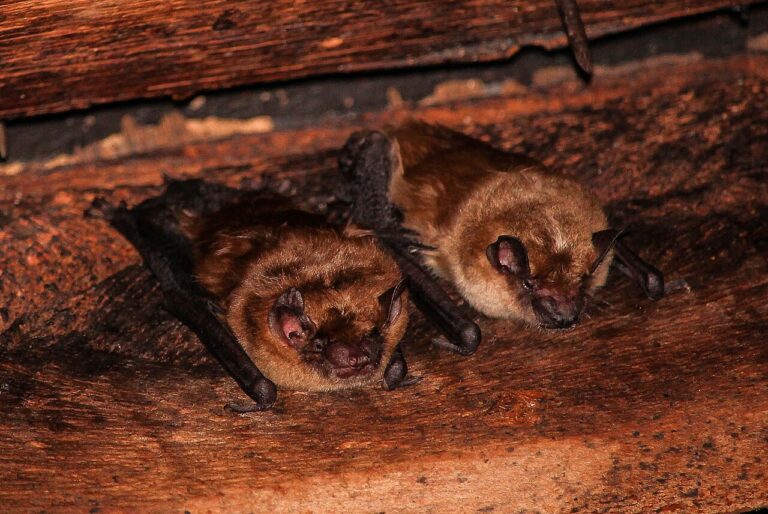
A baby bat is called a pup. How pups grow from pink newborns to flying juveniles in 6 weeks, what to do if you find one, and the rabies rules that are not optional.
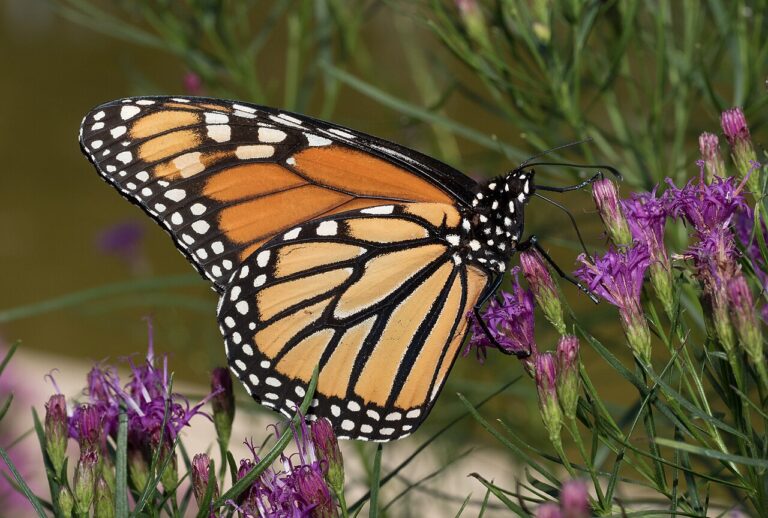
What a butterfly tattoo means: transformation and rebirth at the core, plus what each color, the monarch, the semicolon butterfly, and every placement symbolize.
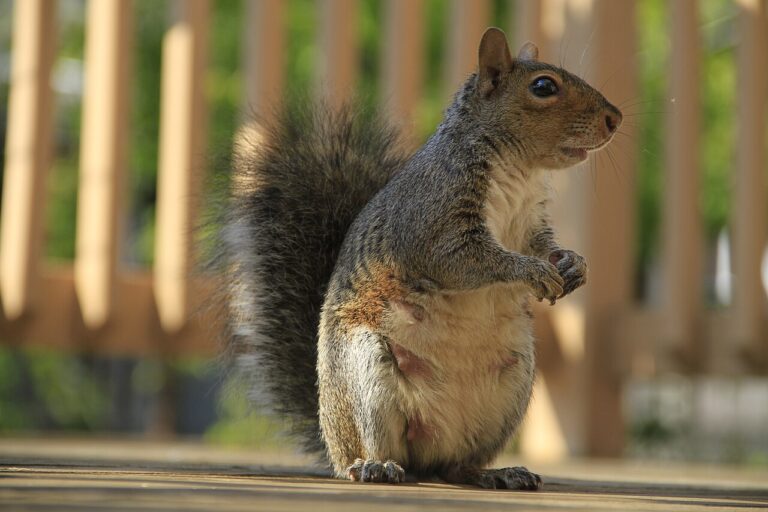
Squirrel poop vs rat poop in three checks: shape, location, and quantity. Rounded scattered pellets mean squirrels; pointed clustered pellets mean rats and action.
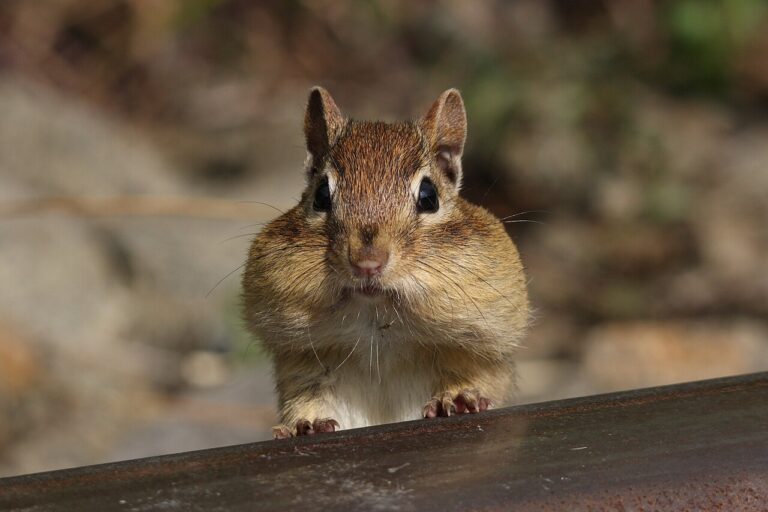
Baby chipmunks are called pups, born blind and bumblebee-sized. Here is the full timeline from birth to independence and what to do if you find one.
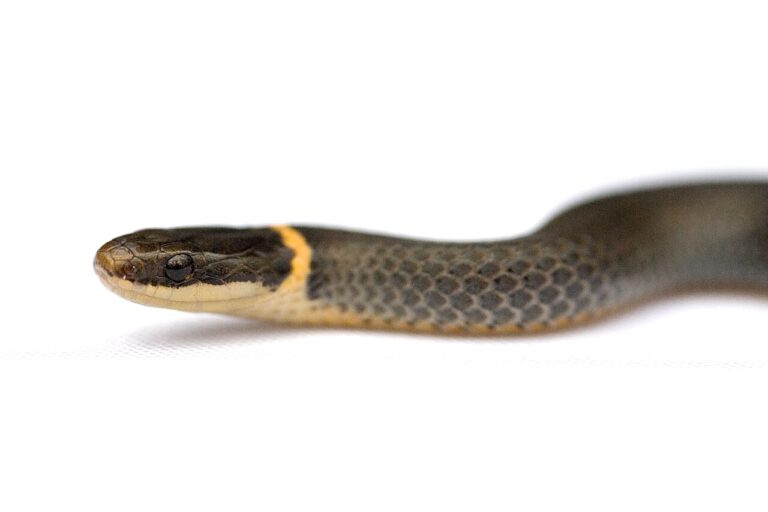
The ring neck snake is a tiny, harmless garden snake with a bright collar and a famous belly-roll bluff. Here is how to identify it and what it eats.
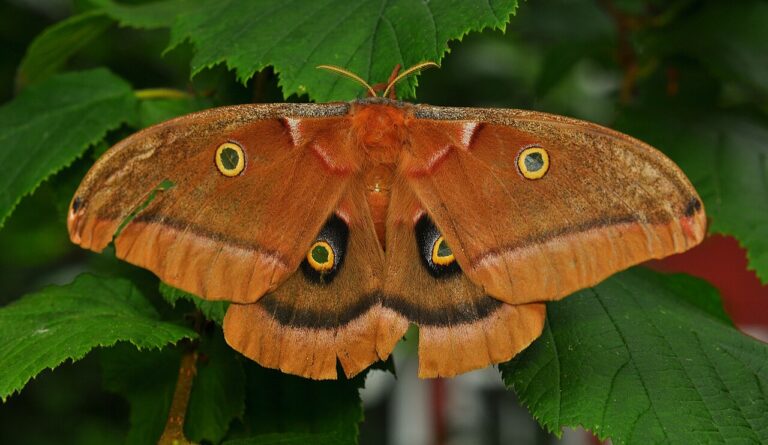
A giant silk moth with clear eyespots and a six inch wingspan. How to identify the adult and caterpillar, what the cocoon looks like, and why adults never eat.
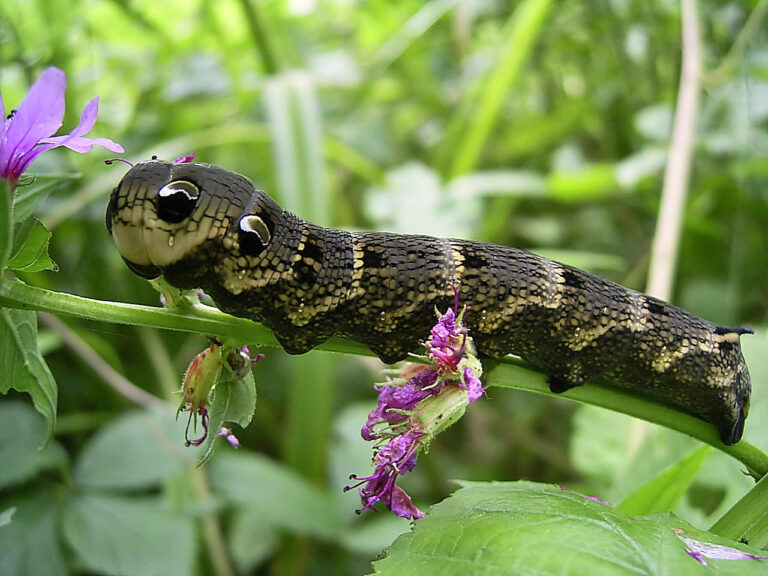
Hawk moths hover at flowers like hummingbirds and begin life as hornworms. Here is how to identify them, what they pollinate, and how to bring them to your yard.
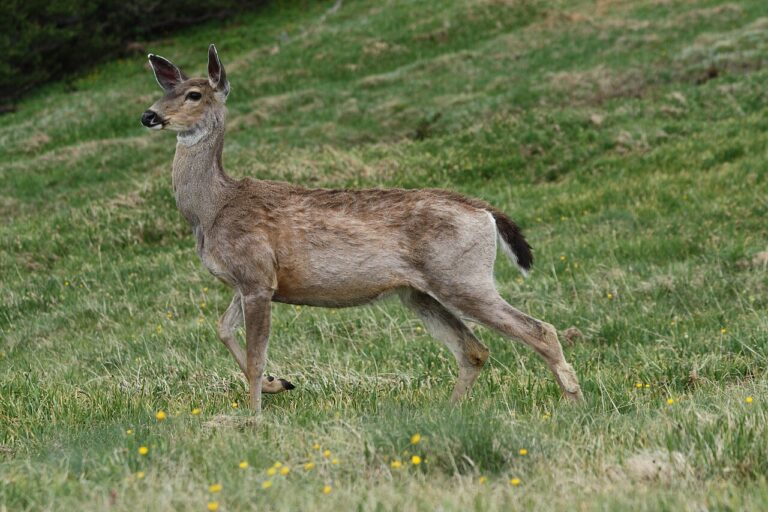
Tail, ears, antlers and escape gait separate mule deer from whitetails in seconds. A full field comparison including range overlap and hybrids.