Crane Fly: Why It Does Not Eat Mosquitoes
Crane flies are called mosquito hawks and eat no mosquitoes at all. Here is what they actually are, plus the larvae that do damage lawns.
Beyond the feeder. Guides to the mammals, reptiles, and other wildlife that share your backyard, from squirrels and raccoons to deer and foxes.
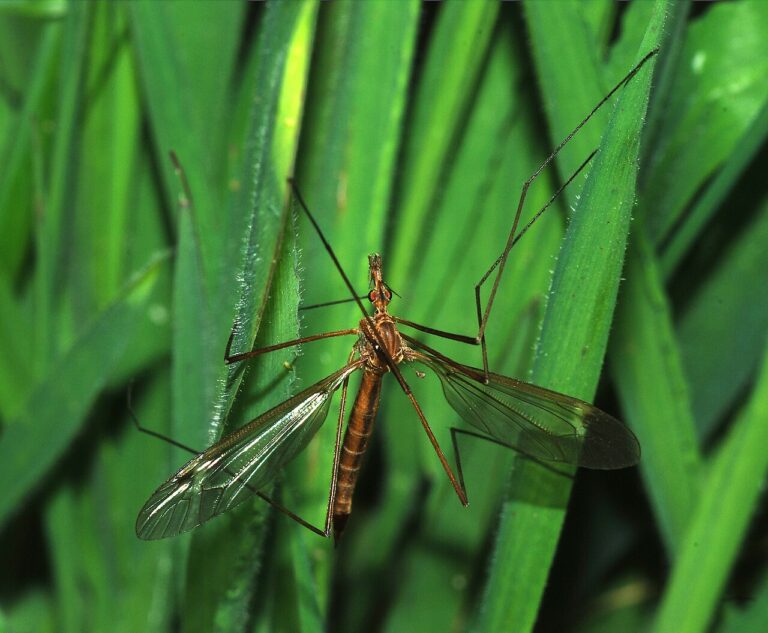
Crane flies are called mosquito hawks and eat no mosquitoes at all. Here is what they actually are, plus the larvae that do damage lawns.
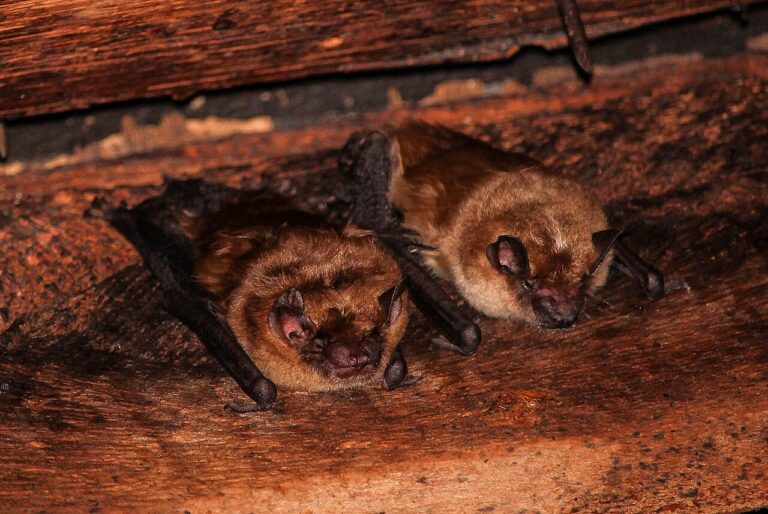
Exclusion is the only legal way to remove bats, and doing it in summer traps flightless pups inside. Here is the method and the timing that matters.
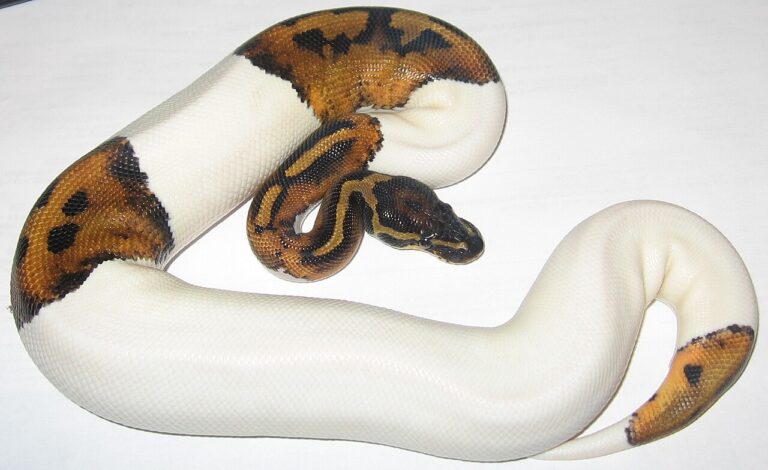
Pied ball pythons carry a recessive gene producing sharp white patches. Here is how the genetics work, what drives price, and full care requirements.
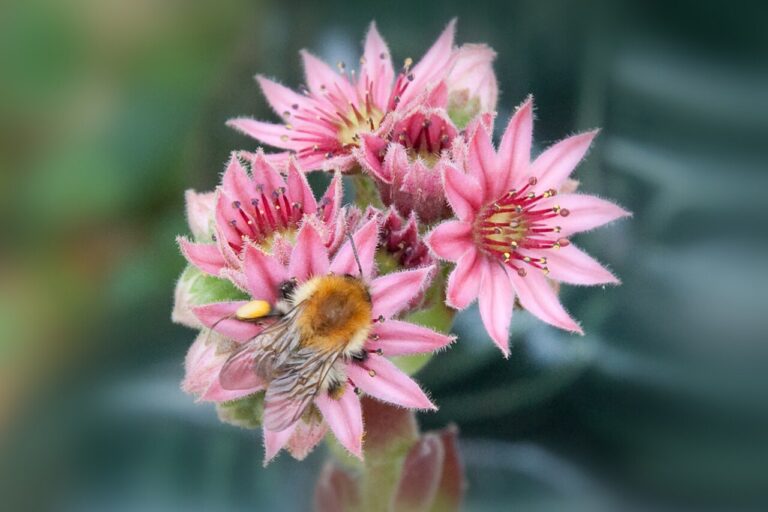
Most ground bees are harmless solitary pollinators that leave within weeks. Here is how to tell them from yellowjackets and what actually works.
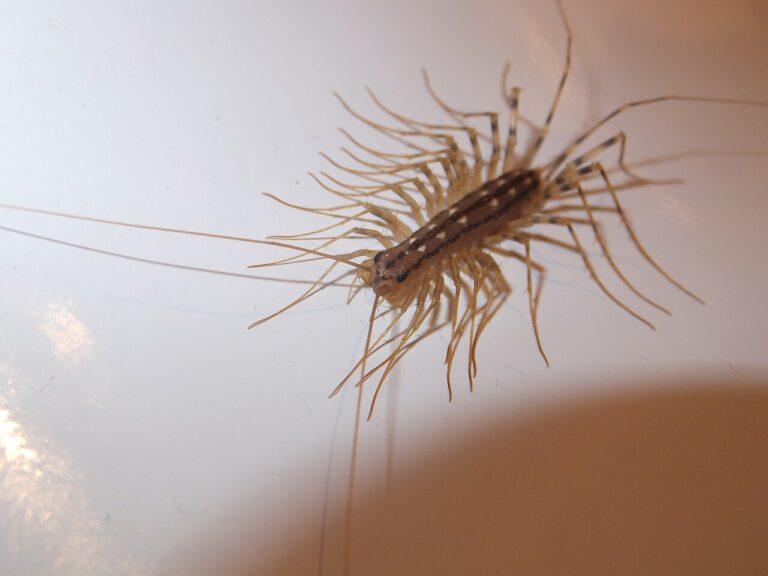
Baby centipedes hatch with four pairs of legs and add more with each molt. Here is what they look like, what they eat, and what finding them means.
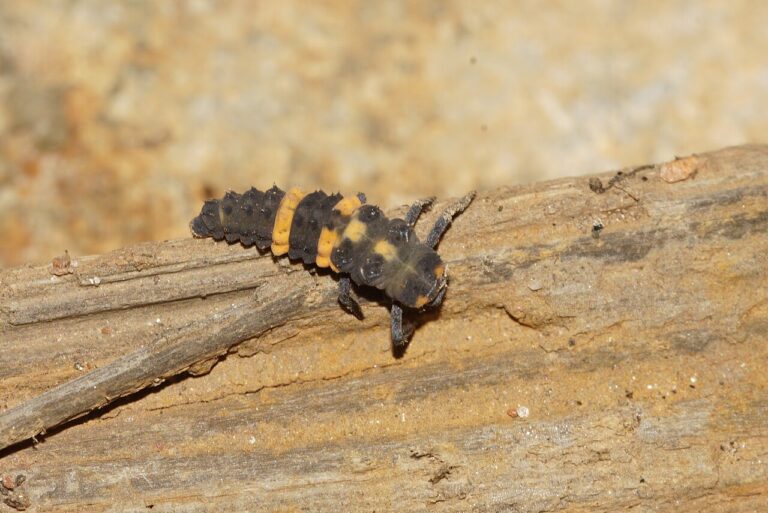
Ladybug larvae look like tiny alligators and eat hundreds of aphids each. Here is how to identify them and tell them from potato beetle larvae.
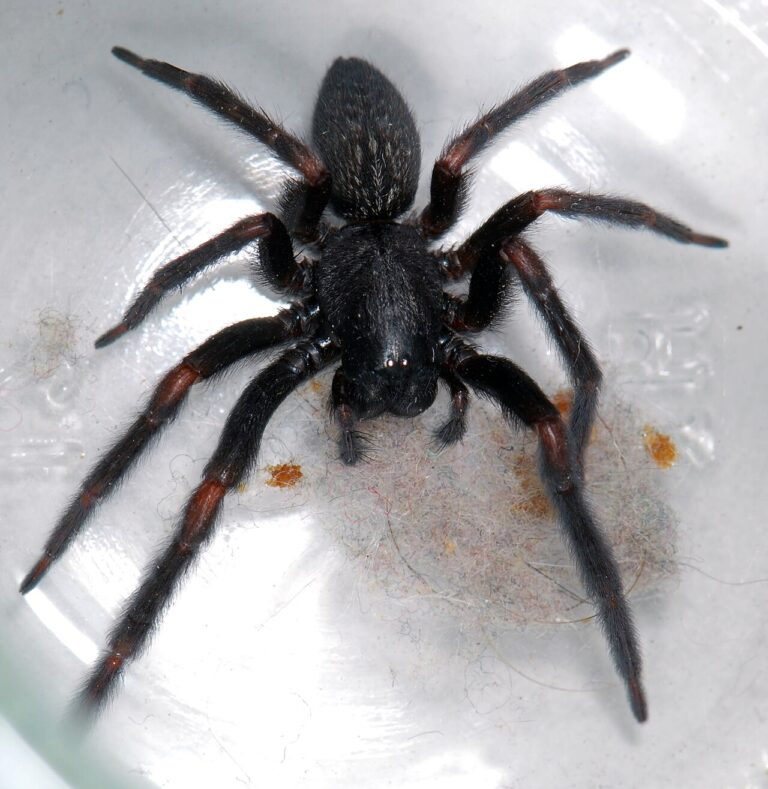
The black house spider is harmless and builds funnel webs in window frames. Here is how to identify it and which dark spiders actually warrant caution.
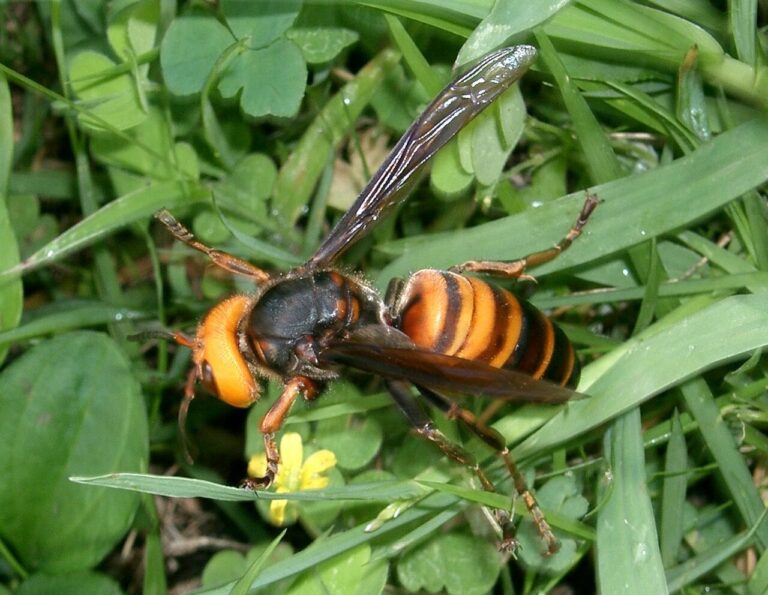
The murder hornet name came from journalists, and the real threat was to honey bees. Here is the biology, the sting, and how the US incursion ended.
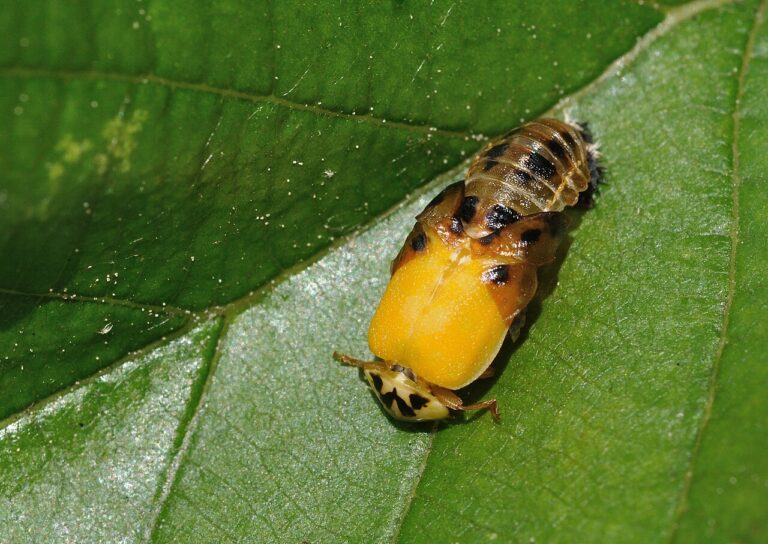
Indoor ladybug swarms are Asian lady beetles seeking winter shelter. Here is what draws them, how to remove them without staining, and when to seal.
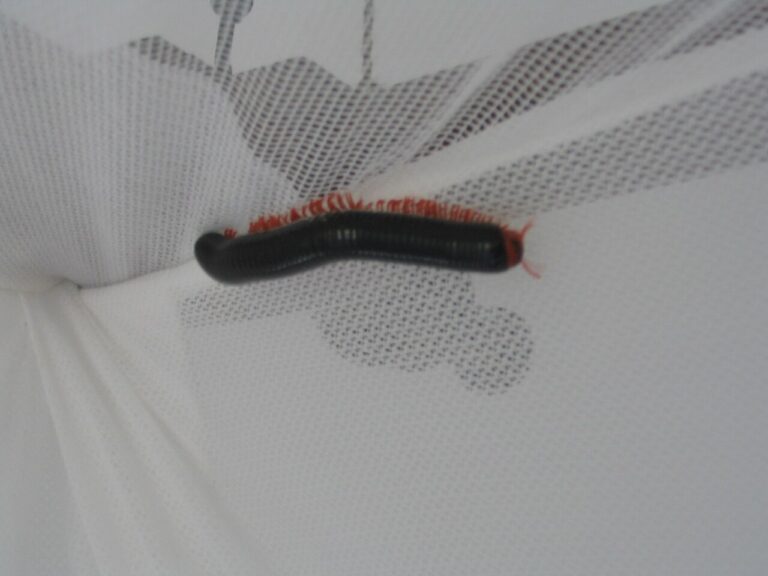
Giant African millipedes reach 15 inches, have no bite, and eat their own substrate. Here is the care guide plus the chemical defense to respect.