Snapping Turtle Bite: Force, First Aid, and the Myths
Snapping turtles bite hard enough to need stitches, not hard enough to sever a broom handle. Here is the measured force, first aid, and safe handling.
Beyond the feeder. Guides to the mammals, reptiles, and other wildlife that share your backyard, from squirrels and raccoons to deer and foxes.
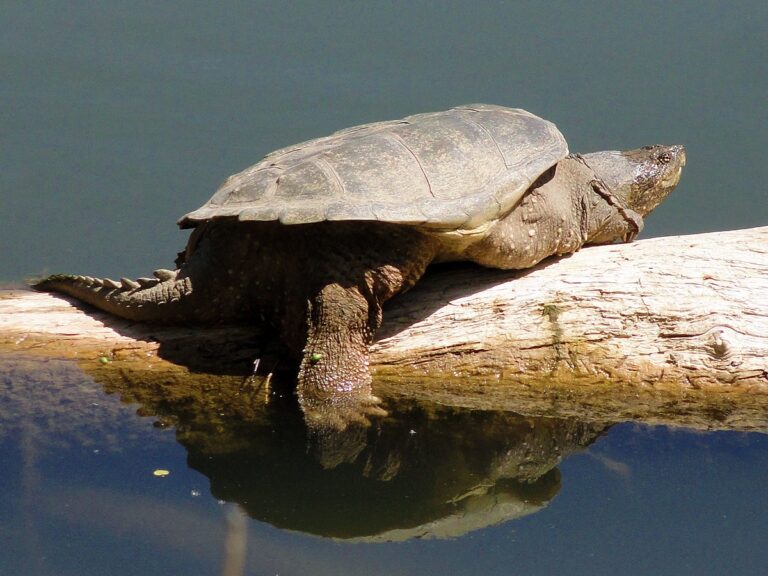
Snapping turtles bite hard enough to need stitches, not hard enough to sever a broom handle. Here is the measured force, first aid, and safe handling.
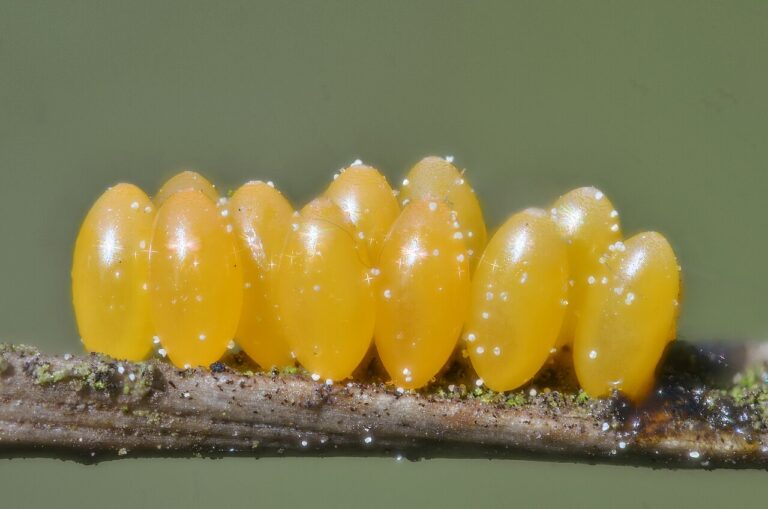
Ladybug eggs are yellow clusters on leaf undersides, and gardeners destroy them by mistaking them for potato beetle eggs. Here is how to tell them apart.
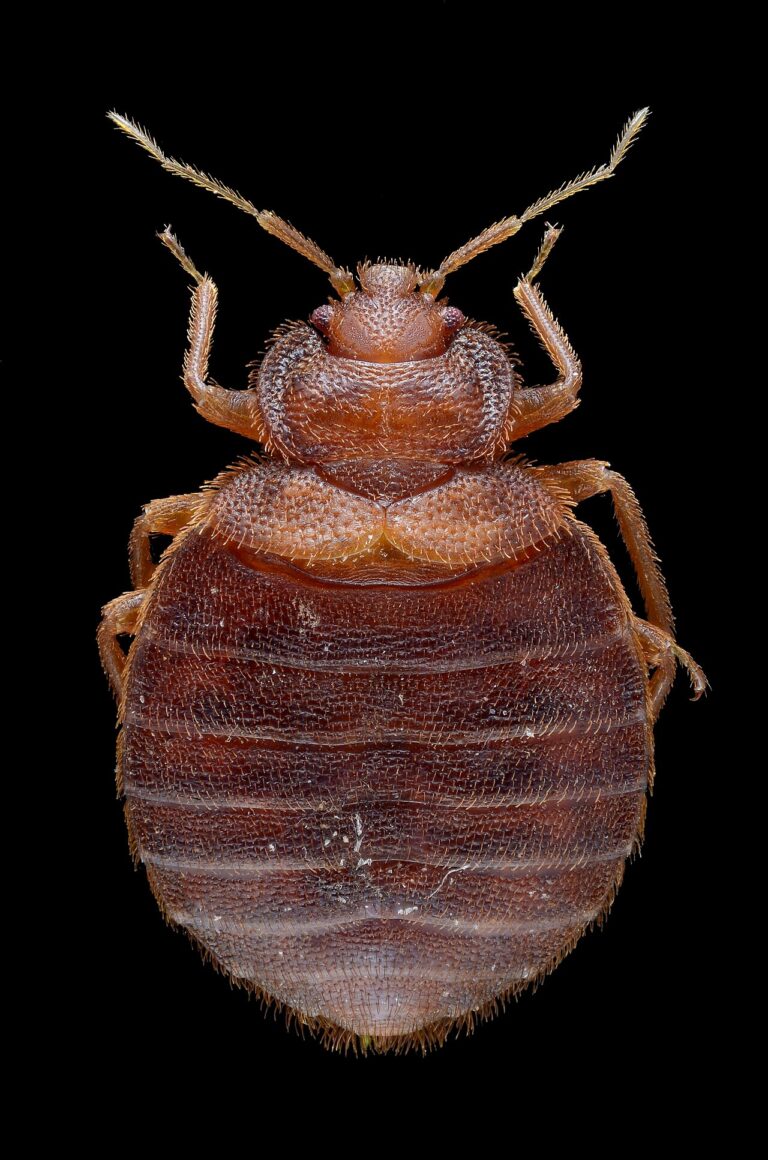
Bed bug droppings are digested blood, so they smear rusty brown when damp. Here is where to look, how to test, and what to do once you confirm it.
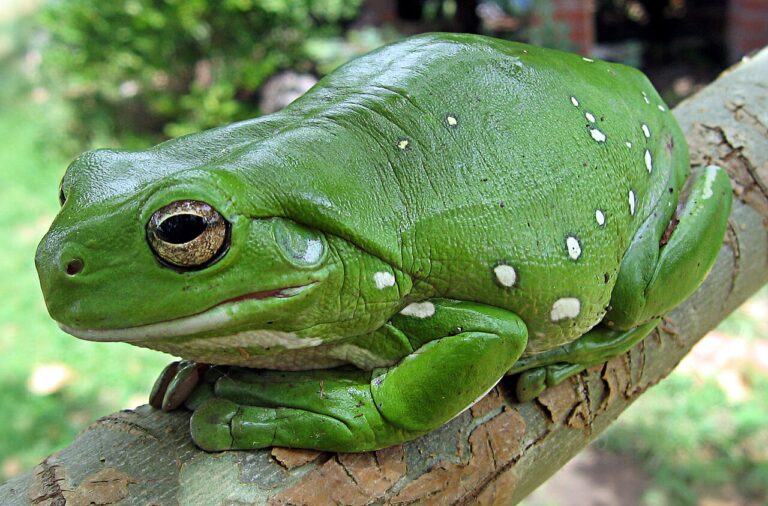
White tree frogs live 15 to 20 years and tolerate handling, but they beg constantly and obesity is the main killer. Here is the full care guide.
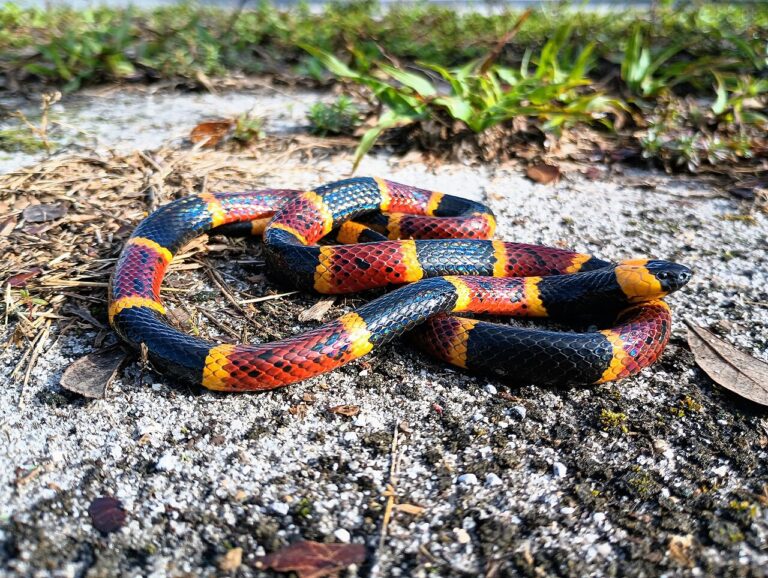
Red touching yellow means a venomous coral snake, but only in the United States. Here is the full identification and what a bite actually does.
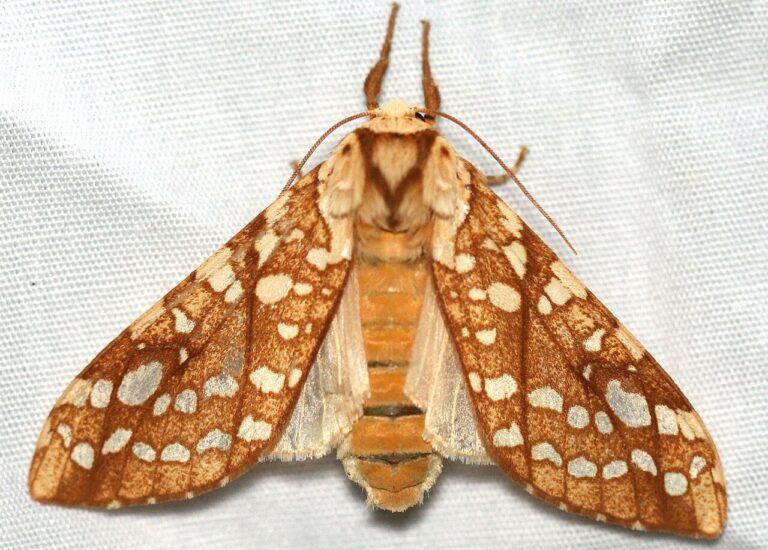
Black fuzzy caterpillars are identified by the second color: brown means woolly bear, red means leopard moth, white tufts mean tussock and irritation.
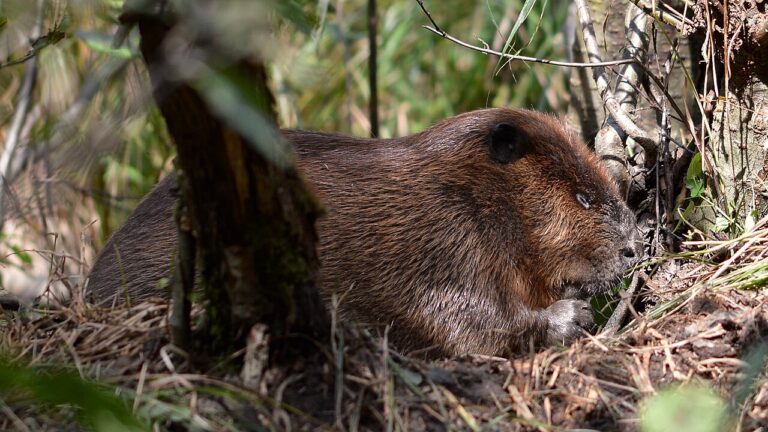
Beavers do not eat wood, they eat the cambium beneath the bark. Here is the seasonal diet, the underwater winter cache, and why they never eat fish.
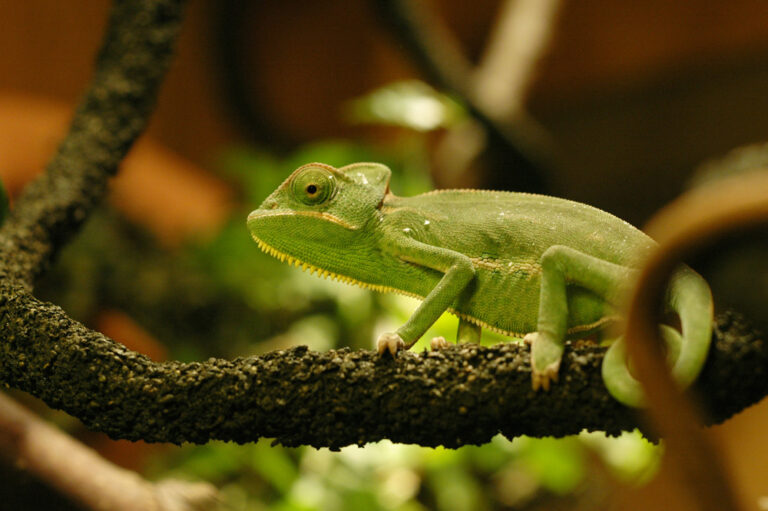
Veiled chameleons are display animals rather than pets you handle, and females die of egg binding without a laying bin. Here is what they really need.
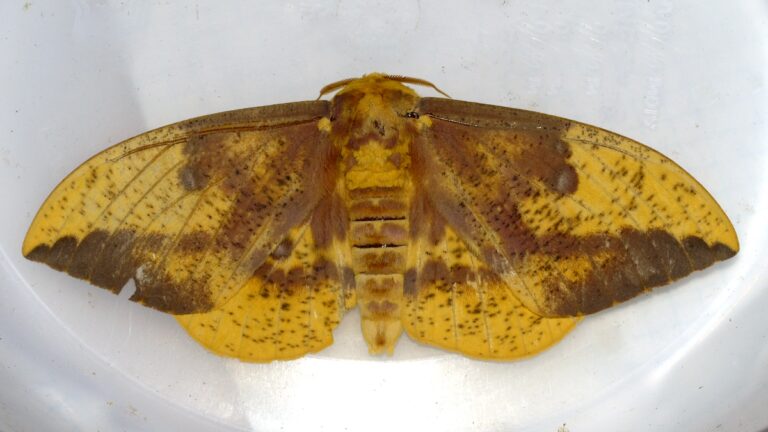
The imperial moth is a yellow giant that pupates underground instead of spinning a cocoon. Here is how to identify it and why it is vanishing up north.
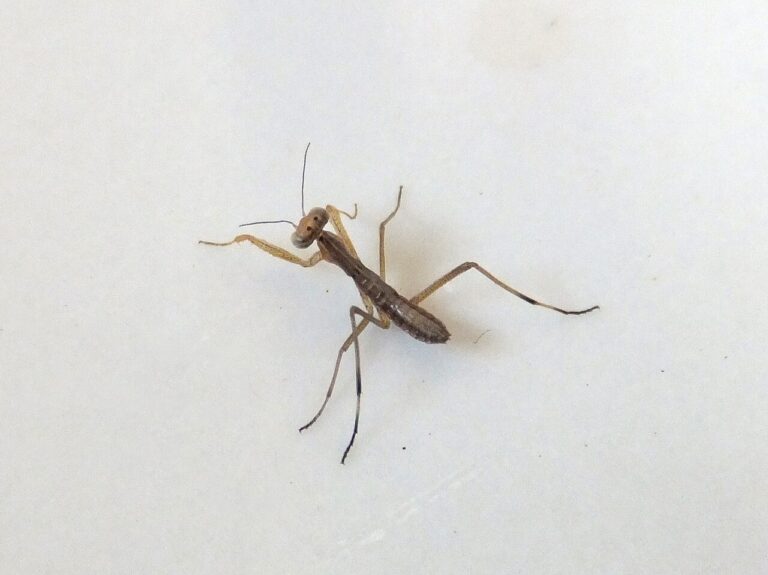
Up to 400 mantis nymphs hatch from one foam egg case and start eating each other within hours. Here is what to know and what to do with an ootheca.