Giant Moth: The World’s Largest Species and How to ID Them
The largest moths span up to 12 inches, and most cannot eat at all as adults. Here are the record holders, the North American giants and what you found.
Beyond the feeder. Guides to the mammals, reptiles, and other wildlife that share your backyard, from squirrels and raccoons to deer and foxes.
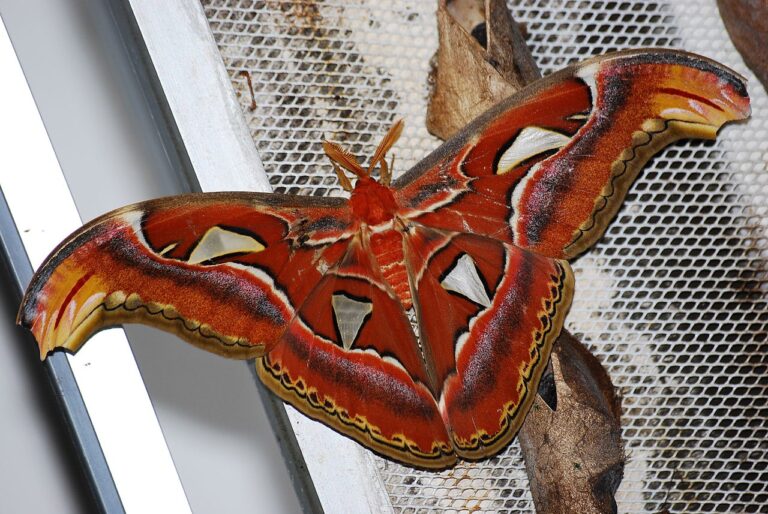
The largest moths span up to 12 inches, and most cannot eat at all as adults. Here are the record holders, the North American giants and what you found.
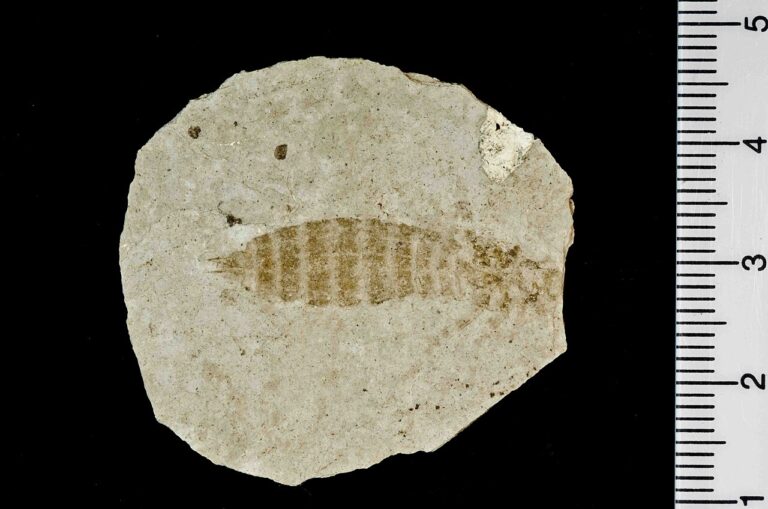
A baby dragonfly is an underwater predator with a harpoon jaw and jet propulsion. Here is what nymphs eat, how long they stay submerged, and how they emerge.
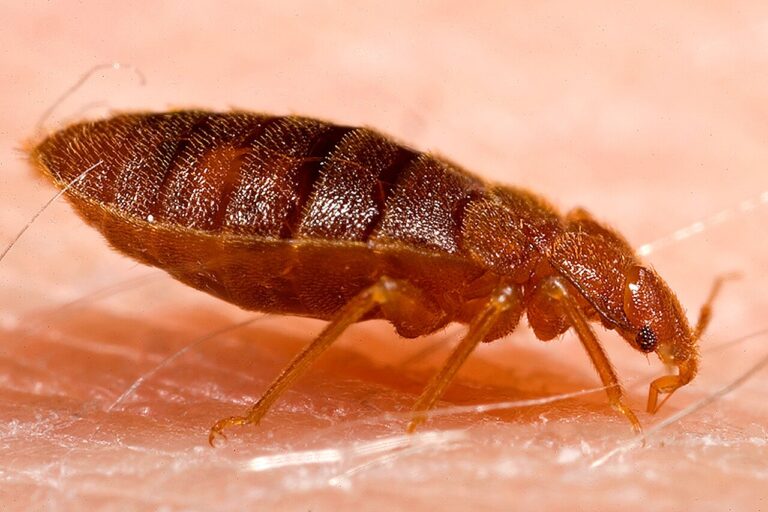
Antennae length and speed separate bed bugs from cockroach nymphs. Here is how to identify each one and why the wrong treatment wastes months.
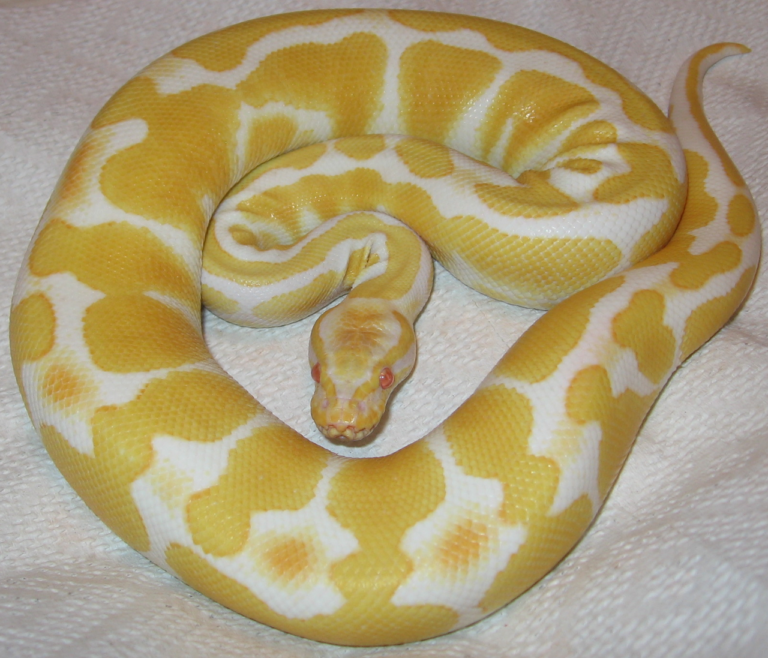
Albino ball pythons are amelanistic, white and yellow with red eyes. Here is what the genetics mean, plus size, morphs, price and full care.
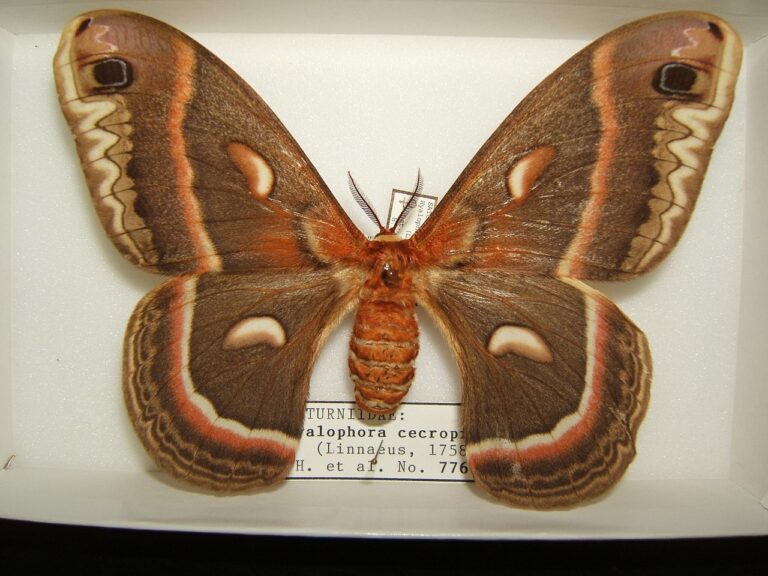
The cecropia moth spans up to 7 inches and cannot eat at all as an adult. Here is the life cycle, the cocoon, and why the species is declining.
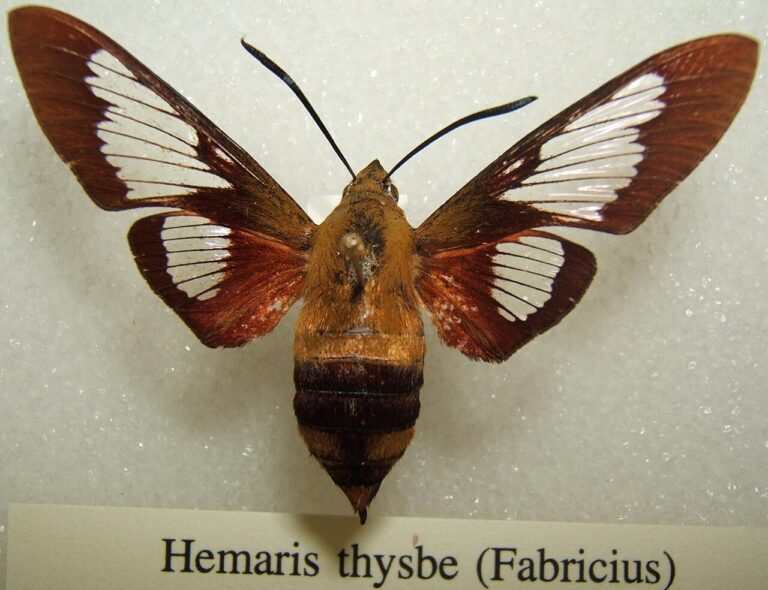
Hummingbird moths hover at flowers in daylight and lose their wing scales on the first flight. Here are the species, the caterpillars and how to attract them.
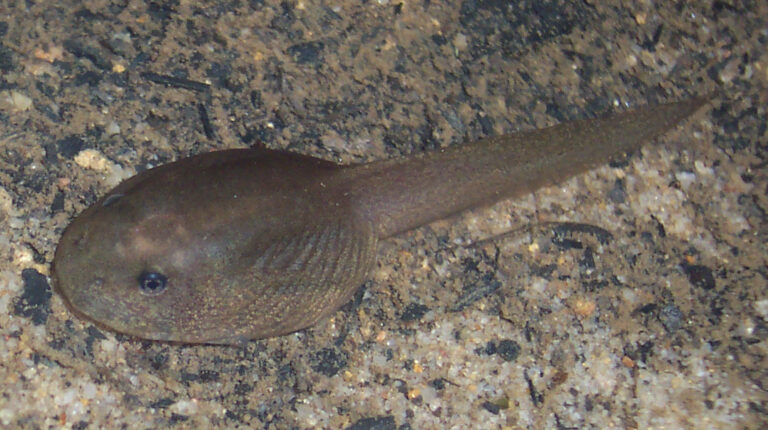
Tadpoles graze algae until their gut rebuilds itself into a carnivore’s. Here is what they eat at each stage and how to raise them without killing them.
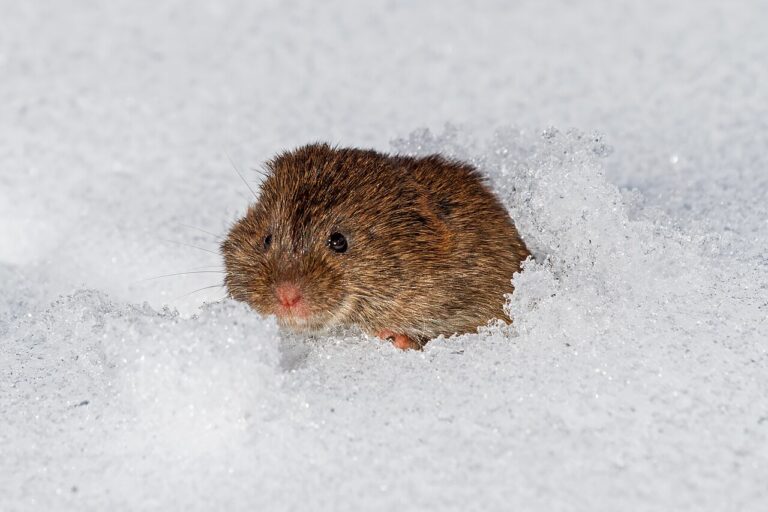
Voles or moles? Identify first, because the fixes differ completely. Here is what works on voles, what to skip, and how to protect your trees.
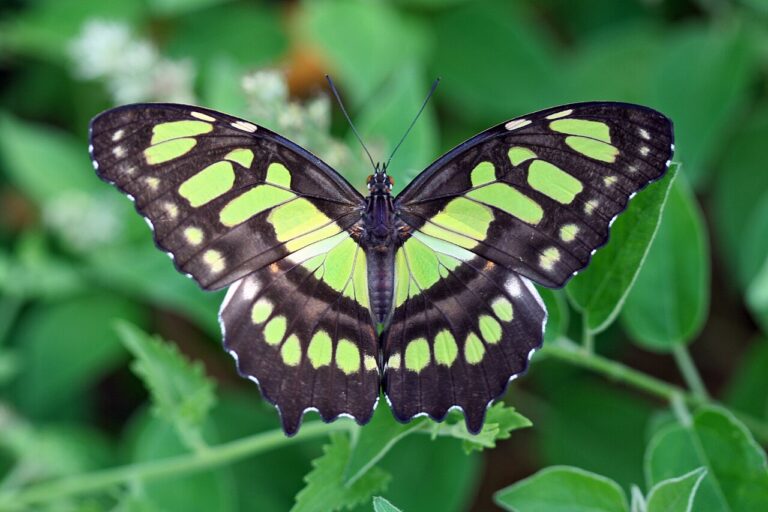
Butterflies have no green pigment, so every green butterfly builds the color another way. Here are the species you can find and what they mean.
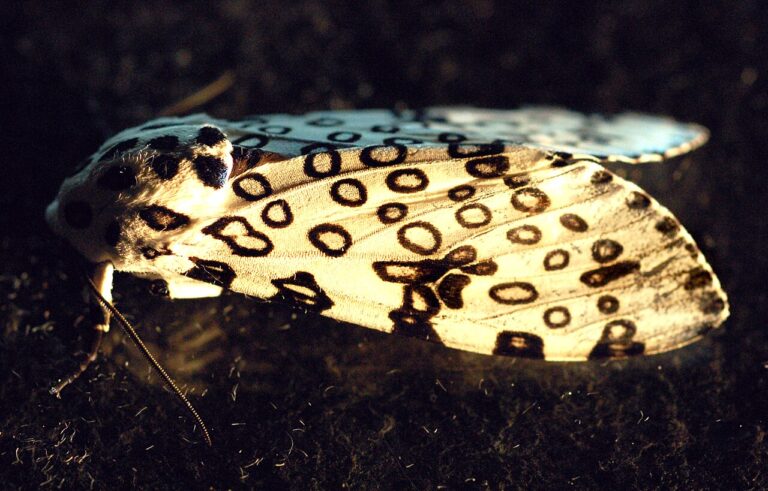
Black caterpillars are identified by what accompanies the black. Here is how to tell leopard moth, swallowtail, spiny elm and tent caterpillars apart.