Winter Bird Feeding: Complete Guide for Birds That Stay Through Cold Weather (2026)
Winter bird feeding is the most rewarding period for backyard birders. Cold weather concentrates birds at reliable food sources, a well-stocked winter feeder can attract 20+ species visible throughout the day, including species that wouldn’t visit during warmer months. Winter bird feeding also provides essential support for birds during the most challenging season of their year, when natural food is scarce and energy demands are highest. This comprehensive guide covers everything you need to know about winter bird feeding: which species stay through winter, what foods are most valuable, how to set up effective feeding stations, providing winter water, and proven strategies to maximize the rewards of cold-weather backyard birding.
Winter Bird Feeding Quick Reference
| Food Type | Top Birds Attracted | Notes |
|---|---|---|
| Black Oil Sunflower Seed | Cardinals, Chickadees, Titmice, Nuthatches, Finches | Universal favorite, use first if choosing one food |
| Suet (Beef Fat Cake) | Woodpeckers, Chickadees, Nuthatches, Wrens | Essential winter calories |
| Shelled Peanuts | Blue Jays, Chickadees, Titmice, Nuthatches | High-protein high-fat winter food |
| Nyjer (Thistle) Seed | Goldfinches, Pine Siskins, Common Redpolls | Specialized small-port feeders |
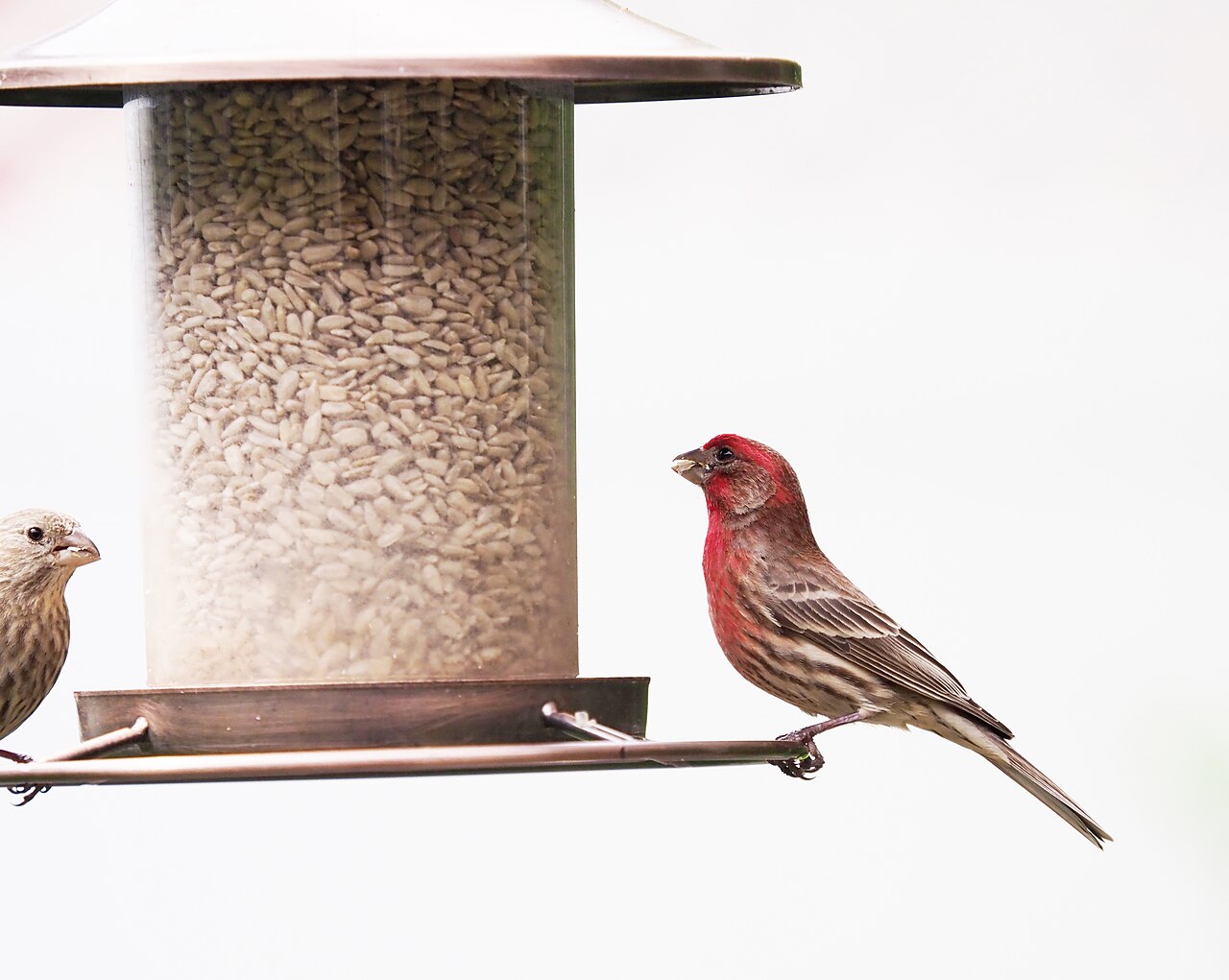
| Safflower Seed | Cardinals, House Finches, Chickadees | Squirrels and grackles avoid it |
| White Millet | Juncos, Sparrows, Mourning Doves | Ground feeding only |
| Peanut Butter | Woodpeckers, Chickadees, Nuthatches | Cool weather only (melts in heat) |
| Cracked Corn | Doves, Sparrows, Jays | Inexpensive ground food |
| Heated Bird Bath | All winter birds (water is critical) | Birds need water in winter as much as food |
| Suet Plug Logs | Woodpeckers | Filled wooden logs hung from branches |
Why Winter Bird Feeding Matters
Winter is the most demanding season for backyard birds. Cold temperatures dramatically increase energy needs (small birds may need to consume 25-50% of their body weight daily in cold weather), while natural food sources are scarce (insects are dormant, seeds are buried under snow, many berries have been consumed). Birds that don’t find adequate food may die from cold and starvation.
Reliable backyard feeders provide critical winter food. Studies have shown that birds with access to consistent backyard feeders have HIGHER OVERWINTER SURVIVAL than birds without feeder access. Feeders aren’t a replacement for natural food, but they’re a critical supplement during the hardest weather.
Winter feeding doesn’t make birds ‘dependent.’ Birds remain capable of foraging naturally even when using feeders. Studies have shown that birds visit feeders for less than half their total feeding time, even in winter. Stopping feeding doesn’t dramatically increase mortality, but starting feeding does increase survival.
Winter birds you’ll attract: Northern Cardinals, Black-Capped Chickadees, Carolina Chickadees, Tufted Titmice, Downy Woodpeckers, Hairy Woodpeckers, Red-Bellied Woodpeckers, Pileated Woodpeckers, White-Breasted Nuthatches, Red-Breasted Nuthatches, Dark-Eyed Juncos (‘snowbirds’), American Goldfinches, House Finches, House Sparrows, Blue Jays, Mourning Doves, Eastern Bluebirds (where present year-round), Carolina Wrens, and many other species depending on region.
Bonus benefits: Winter feeders attract birds you may not see in warmer months. Pine Siskins, Common Redpolls, Evening Grosbeaks, and other species may arrive during ‘irruption’ years when northern birds move south. Reliable winter feeders are the best way to attract these visitors.
Top Winter Bird Foods (Detailed)
1. BLACK OIL SUNFLOWER SEED, The universal winter favorite. Attracts virtually every backyard seed-eater. Black oil sunflower has more meat-per-shell than striped sunflower (cardinals, chickadees, titmice, nuthatches, finches all prefer black oil). Use hopper feeders, tube feeders, platform feeders, or scatter on ground. Single most important winter bird food.
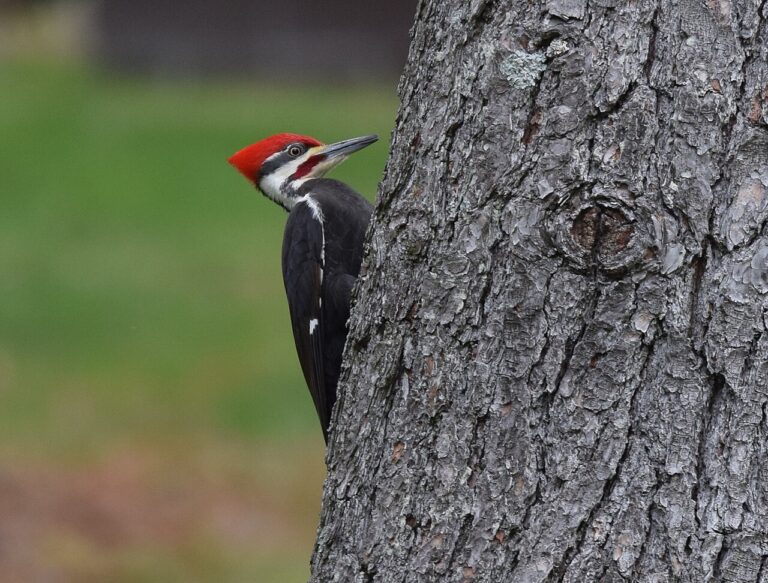
2. SUET, Essential winter calories. Suet is rendered beef fat formed into cakes. Provides maximum energy per gram, critical when winter temperatures drop. Top suet visitors: Downy Woodpeckers (loves suet), Red-Bellied Woodpeckers, Hairy Woodpeckers, Pileated Woodpeckers, Black-Capped Chickadees, Tufted Titmice, White-Breasted Nuthatches, Carolina Wrens. Use cage-style suet feeders accessible from multiple sides. Hang or pole-mount 5-6 feet above ground. Buy quality suet cakes; some commercial suet contains too much filler.
3. SHELLED PEANUTS, High-protein high-fat winter food. Many backyard birds love peanuts. Top visitors: Blue Jays, chickadees, titmice, nuthatches, woodpeckers. Use peanut feeders or scatter on platform feeders. Shelled peanuts (not in-shell) are preferred by smaller species.
4. NYJER (THISTLE) SEED, Specialized for finches. Goldfinches, Pine Siskins, Common Redpolls love nyjer seed. Use specialized ‘finch feeders’ with small ports. Nyjer can also be used in ‘sock feeders’ (mesh fabric tubes). Nyjer is expensive but lasts a long time because finches eat it slowly.
5. SAFFLOWER SEED, Squirrel and grackle deterrent. Cardinals, House Finches, chickadees love safflower; squirrels and grackles generally avoid it (bitter taste). Use hopper feeders or platform feeders.
6. WHITE MILLET, Ground feeders. Dark-Eyed Juncos, sparrows, Mourning Doves, towhees love white millet. Use platform feeders 1-2 feet above ground or scatter directly on ground. Don’t use in tube feeders.
7. PEANUT BUTTER, Cool weather only. Spread on tree bark or in feeder cups. Chickadees, titmice, woodpeckers, nuthatches love peanut butter. CRITICAL: Use only in cool weather (below 50°F), melts and contaminates in warmer temperatures. Some birders mix peanut butter with cornmeal to extend its life in marginal weather.
8. CRACKED CORN, Inexpensive ground food. Doves, sparrows, Blue Jays love it. Scatter on the ground or use platform feeders. Inexpensive winter food option, though attracts less diverse species than higher-quality foods.
9. AVOID: Bread, cereal, sugary foods, anything moldy or rotten. These provide minimal nutrition and may harm birds. Stale bread can swell in bird crops causing crop blockage. Provide real bird foods instead.
Setting Up Effective Winter Feeding Stations
Location matters as much as food choice. Position feeders for maximum visibility AND safety.
1. POSITION FEEDERS WITH COVER NEARBY. Winter birds need cover for escape from predators (especially Cooper’s Hawks). Position feeders within 10 feet of dense cover (shrubs, evergreens, brush piles). Birds can fly to cover quickly when threatened.
2. AVOID WINDOW STRIKES. Position feeders within 3 feet of windows OR more than 30 feet from windows. The 3-foot rule prevents birds from gaining enough speed to die from window collisions. The 30-foot rule keeps birds out of window striking distance entirely.
3. PROVIDE MULTIPLE FEEDER TYPES. Different birds prefer different feeder designs. Provide: hopper or platform feeder for cardinals and ground feeders; tube feeder for finches and chickadees; suet feeder for woodpeckers; nyjer feeder for goldfinches. Variety attracts diverse species.
4. PROTECT FROM SQUIRRELS. Squirrel-proof feeders or pole baffles dramatically reduce squirrel raiding. Weight-activated squirrel-proof feeders (where the perch closes when too much weight is on it) work well for tube and hopper feeders. Pole baffles on smooth metal poles prevent squirrels from climbing.
5. CLEAN FEEDERS REGULARLY. Empty and clean feeders every 2-3 weeks with 10% bleach solution (rinse thoroughly). Wet weather and bird droppings can contaminate feeders. Mycoplasmal conjunctivitis (House Finch eye disease) and other diseases spread at unclean feeders.
6. MULTIPLE FEEDING STATIONS. If your yard has space, use 2-3 separate feeding stations rather than one large station. Multiple stations reduce crowding, support more species, and reduce disease transmission.
7. PROTECT FROM WEATHER. Position feeders in locations sheltered from prevailing wind and heavy precipitation. Hopper feeders with roofs protect seed from wet weather. Suet works best in covered locations (rain can wash away suet quickly).
8. PROVIDE NIGHT ROOSTING. Winter birds need warm overnight roosts. Provide dense evergreens (Eastern Red Cedar, native juniper, native spruce) or nest boxes designed as ‘roost boxes’ (warmer than open natural roosts). Some birds (Bluebirds, chickadees) huddle communally in cavities during severe cold.
Providing Winter Water
Water is critical winter bird food. Many backyard birders focus on food and overlook the importance of water, but water becomes scarce when natural sources freeze. Reliable winter water can attract MORE birds than feeders alone.
Heated bird baths: The gold standard for winter water. Heated baths use small heating elements to prevent freezing. They maintain water at 35-40°F, just above freezing. Top heated bath types: pre-heated bath bowls, heating elements added to existing baths, or partially-heated trough designs. Cost: $30-$100 for quality heated bath; $10-30 for heating element add-on.
Why water matters: 1) Birds drink water to digest dry winter seeds; 2) Birds bathe to maintain feathers (essential for insulation); 3) Open water attracts birds even when food is plentiful elsewhere.
Water without heating: If electricity isn’t available, refresh water multiple times daily before it freezes. Use shallow dishes that empty easily for refilling. Provide water in mid-morning when birds need it most.
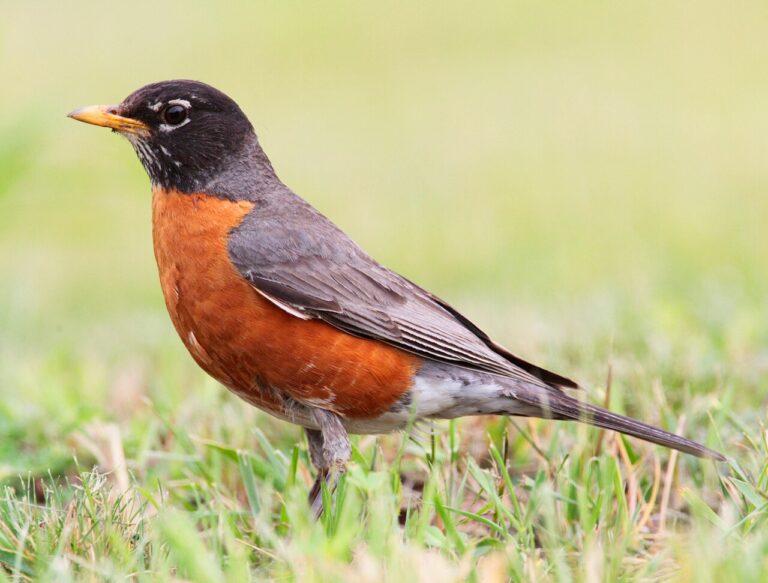
Birds attracted to winter water: All winter birds. Even species that rarely visit seed feeders (Eastern Bluebirds, Cedar Waxwings, robins) reliably visit bird baths. Multiple species often gather at single baths.
Placement: Position the heated bath where you can see it, winter bird-watching from indoors is one of the great rewards of winter bird feeding. Place baths near (but not directly under) feeders. Provide perching branches near the bath for landing.
Maintenance: Clean baths every 1-2 weeks with bleach solution (10% bleach, rinse thoroughly). Dirty baths can transmit diseases.
When to Start and Stop Winter Bird Feeding
When to start: Begin winter feeding in OCTOBER or NOVEMBER as birds arrive for winter. Dark-Eyed Juncos arrive at most northern feeders in mid-to-late October. Black-Capped Chickadees and other year-round species begin relying more on feeders as fall weather turns cold. Starting in October ensures your feeders are established when winter birds need them most.
When to continue: Continue feeding through the entire winter. The ‘hungry weeks’ are typically late February through early April when winter food stores are exhausted and spring food isn’t yet abundant. Maintain feeders through this period.
When to stop: Slow feeding gradually through spring. As insects return and migratory species arrive, reduce feeder offerings. Most backyard feeders can be left up year-round, but suet may need to be removed in hot weather (melts above 70°F).
Year-round feeding option: Many backyard birders maintain feeders year-round. This is fine, birds remain capable of foraging naturally, and year-round feeding supports breeding birds during summer.
Cleaning between seasons: When transitioning between seasons, clean all feeders thoroughly with 10% bleach solution. This prevents disease accumulation from previous seasons.
Don’t suddenly stop in winter. If you’ve been feeding birds through winter, don’t suddenly stop. Local birds have learned to depend on your feeders as part of their food sources. Sudden cessation during severe cold weather could affect survival. Continue through severe weather, then phase out gradually if you plan to stop.
Regional Winter Bird Feeding Considerations
Winter bird feeding requirements vary substantially by region.
NORTHERN US (Maine, Upper Midwest, Pacific Northwest): Most demanding winter conditions. Daily temperatures may stay below freezing for weeks. Heated bird baths become essential. Suet consumption peaks. Birds depend heavily on feeders.
MID-LATITUDES (Central US, Mid-Atlantic): Moderate winter demands. Some feeders may run dry quickly during cold snaps. Provide reliable food and water year-round.
SOUTHERN US (Florida, Texas, southern California): Mild winters. Birds may not depend on feeders for survival but feeders still attract visiting migrants and year-round residents. Suet remains valuable but less critical.
MOUNTAIN REGIONS: Higher elevations have winter conditions similar to northern climates. Mountain backyards (Rockies, Appalachians, Sierra) benefit from comprehensive winter feeding.
DESERT REGIONS (Southwest): Different winter bird community. Water becomes more critical than food. Provide reliable bird baths year-round.
URBAN VS RURAL: Urban feeders may concentrate more birds in smaller spaces. Rural feeders attract greater species diversity but smaller individual flocks. Both reward winter feeding consistently.
Maximizing Winter Feeding Results
1. PROVIDE THE COMPREHENSIVE WINTER STATION. A complete winter feeding station includes: black oil sunflower seed in a hopper or tube feeder; suet in a cage feeder; nyjer in a specialized finch feeder; platform feeder with mixed seed for ground-feeders; heated bird bath. Together, these attract 20+ species during winter.
2. MAINTAIN CONSISTENTLY. Refill feeders BEFORE they run empty. Birds learn to depend on your feeders and may not visit if they discover empty feeders 2-3 times.
3. KEEP FEEDERS FRESH. Don’t use moldy or wet seed. Clean feeders every 2-3 weeks. Replace damaged feeders.
4. PROVIDE WINTER COVER. Plant native evergreens (Eastern Red Cedar, native junipers, native spruce). Build brush piles in protected corners. Native evergreens and brush piles support overnight roosting and shelter from predators.
5. DOCUMENT YOUR VISITORS. Keep a winter bird list. Many backyard birders join annual citizen science projects (Project FeederWatch, Great Backyard Bird Count) that track bird populations.
6. EMBRACE COLD-WEATHER BIRDING. Some of the most rewarding bird watching occurs during heavy snow. Cardinal red against fresh white snow is iconic.
7. PROTECT FROM PREDATORS. Manage outdoor cats (keep indoors). Cooper’s Hawks may target feeder stations, accept this as part of natural ecosystems while ensuring multiple escape routes for prey birds.
8. ADAPT TO WEATHER. During severe weather (heavy snow, ice storms, extreme cold), check feeders more often. Birds depend more heavily on feeders during the most demanding weather.
Frequently Asked Questions
When should I start winter bird feeding?
Begin winter feeding in October or November as birds arrive for winter. Dark-Eyed Juncos arrive at most northern feeders in mid-to-late October. Year-round species begin relying more on feeders as fall weather turns cold. Starting in October ensures your feeders are established when winter birds need them most.
Do birds become dependent on bird feeders?
No, birds remain capable of foraging naturally even when using feeders. Studies have shown that birds visit feeders for less than half their total feeding time, even in winter. Stopping feeding doesn’t dramatically increase mortality. Reliable winter feeders SUPPLEMENT natural food sources but don’t replace them entirely.
What’s the most important winter bird food?
Black oil sunflower seed is the universal winter favorite. If choosing only one food, choose black oil sunflower. It attracts virtually every backyard seed-eater (cardinals, chickadees, titmice, nuthatches, finches). Use hopper feeders, tube feeders, or platform feeders. Suet is a close second, essential calorie source for woodpeckers, chickadees, and nuthatches.
Do I need to provide water to birds in winter?
YES, water becomes critical during winter when natural sources freeze. Heated bird baths are the gold standard. Many backyard birders find that reliable winter water attracts MORE birds than feeders alone. Birds need water to digest dry seeds and to maintain feather condition (essential for insulation against cold).
Why are squirrels eating all my bird seed?
Squirrels are remarkably skilled at finding bird feeders. Solutions: 1) Squirrel-proof weight-activated feeders (perches close when squirrels weight the feeder); 2) Pole baffles on smooth metal poles; 3) Provide squirrel feeders separately to distract them; 4) Use safflower seed (squirrels generally avoid it but cardinals love it); 5) Position feeders 10+ feet from anything squirrels could jump from. Most effective approach: combine multiple deterrents.
Should I keep feeders out in spring/summer?
Most backyard feeders can be left up year-round. Birds remain capable of foraging naturally, and year-round feeding supports breeding birds during summer. Some considerations: suet may need to be removed in hot weather (melts above 70°F); summer feeders attract different species than winter feeders. Many birders maintain reduced summer feeding (just sunflower seeds and hummingbird feeders) and increase to full winter setup in fall.
How often should I clean bird feeders?
Clean feeders every 2-3 weeks during heavy use seasons (winter, summer). Use 10% bleach solution (1 part bleach to 9 parts water), rinse thoroughly with fresh water afterward. Wet weather, bird droppings, and disease (especially House Finch eye disease) can contaminate feeders. Regular cleaning protects the broader bird community.
What winter birds are ‘irruptive’ species?
Irruptive species are northern birds that occasionally move south in unusually large numbers when their northern food sources fail. Examples: Pine Siskins, Common Redpolls, Evening Grosbeaks, Bohemian Waxwings, Red-Breasted Nuthatches (some years). Watch your nyjer (thistle) feeders especially, irruptive Pine Siskins and Common Redpolls often arrive at thistle feeders during irruption years. Some years have spectacular irruptions; other years have minimal movement.