Can Chickens Eat Avocado? No, and Persin Is the Reason
Chickens should not eat avocado, and the reason is a fungicidal toxin called persin that damages heart muscle in birds. The question “can chickens eat avocado” comes up every time a household has leftover guacamole and a flock of hens waiting by the fence, and the honest answer is that the risk is not worth the treat.
Avocado is not equally dangerous in every part of the fruit, which is why backyard keepers hear so many conflicting stories. Some flocks pick at a scrap of ripe flesh and show nothing at all. Others get into a compost pile with skins and pits and lose birds within two days. Below is what persin actually does, which parts carry the most of it, and what to do if your hens already got to the bowl.
No, chickens should not eat avocado. The fruit contains persin, a toxin that causes fluid buildup around the heart in birds. The skin, pit, and leaves hold the highest concentrations, while ripe flesh holds the least. Small amounts of flesh often cause no visible harm, but there is no established safe dose for poultry.
| Part of the avocado | Persin level | Safe for chickens? |
|---|---|---|
| Leaves and bark | Highest | No, the most dangerous part |
| Skin (peel) | High | No, never feed or compost within reach |
| Pit (seed) | High | No, also a choking and crop risk |
| Unripe flesh | Moderate | No |
| Ripe flesh | Low | Not recommended, no safe dose is known |
| Refined avocado oil | Trace to none | Not useful as a treat, skip it |
Can Chickens Eat Avocado Safely?
No. There is no portion size of avocado that veterinary sources call safe for chickens, and that is the practical bottom line for anyone with a backyard flock. Poultry toxicology work on persin has been done mostly in canaries, budgerigars, cockatiels, and ostriches, and the pattern across those species is consistent: birds are far more sensitive to persin than dogs or people.
The confusion comes from the fact that chickens are large compared to a canary and often survive a nibble. A hen weighing 5 to 7 lbs (2.3 to 3.2 kg) that eats a teaspoon of ripe flesh will usually act normal. That is not evidence the fruit is safe, only evidence that the dose was small. The dangerous scenario is a whole avocado, a pile of peels, or repeated access over several days.
Keepers who feed kitchen scraps regularly are the ones most at risk, because avocado arrives mixed into salad, sandwich trimmings, or compost. If your hens get kitchen scraps the way they get apple cores and peels, the avocado has to be pulled out before the bowl leaves the counter.
What Is Persin and Why It Harms Birds
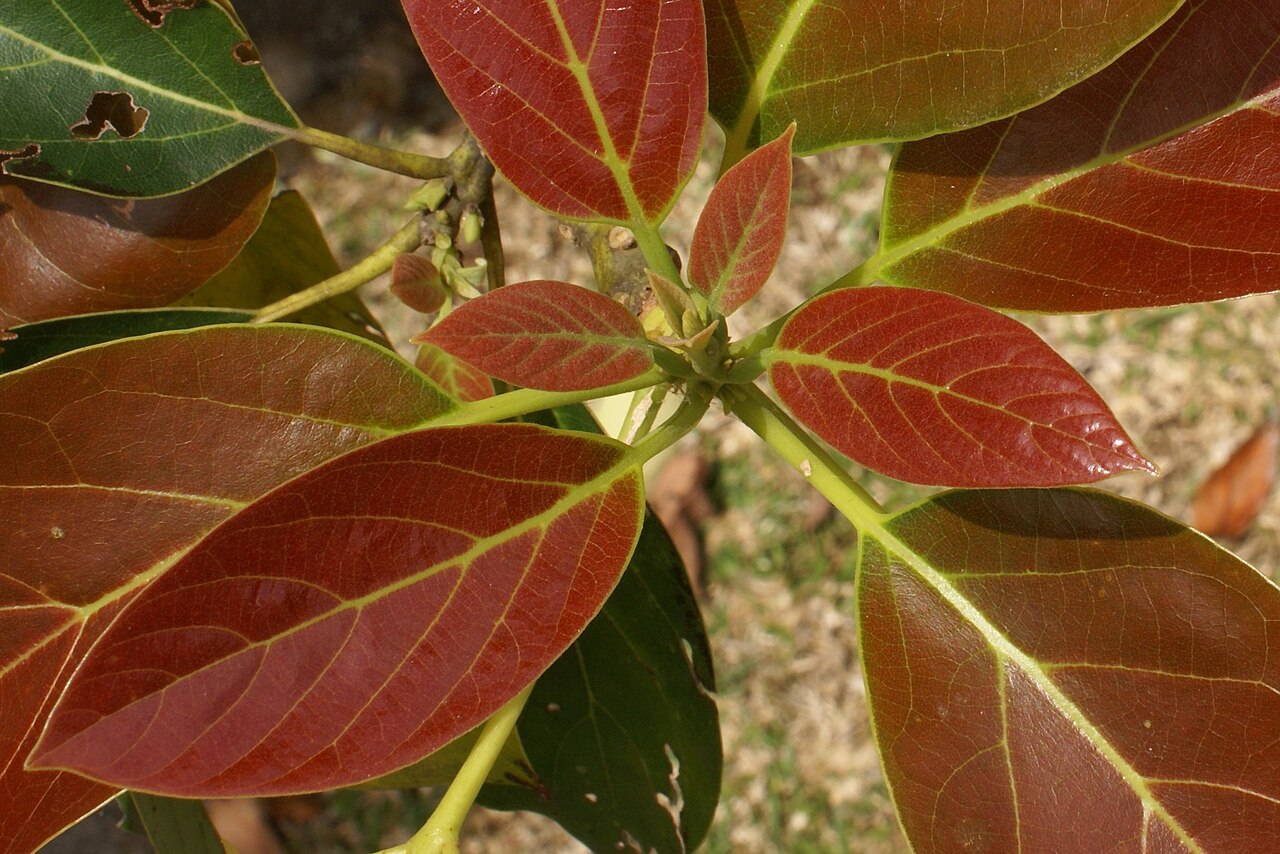
Persin is an oil-soluble compound in Persea americana that the tree produces as a natural fungicide. It is harmless to humans in the amounts found in food, which is exactly why it surprises people who assume a healthy human food must be a healthy chicken food.
In birds, persin damages the heart muscle and the capillaries around it. The result is hydropericardium, a buildup of fluid in the sac around the heart, along with fluid in the lungs and under the skin. The bird is not poisoned in the sense of a fast nerve toxin; it goes into slow cardiac failure over 12 to 48 hours.
Concentration varies with cultivar. Guatemalan-type varieties, which include the Hass avocados on nearly every American supermarket shelf, carry more persin than Mexican-type varieties. Since the label rarely tells you the race, treating all avocado as high risk is the only workable rule. The Merck Veterinary Manual lists avocado among the plant toxicities that affect caged and companion birds.
Can Chickens Eat Avocado Skins and the Seed?
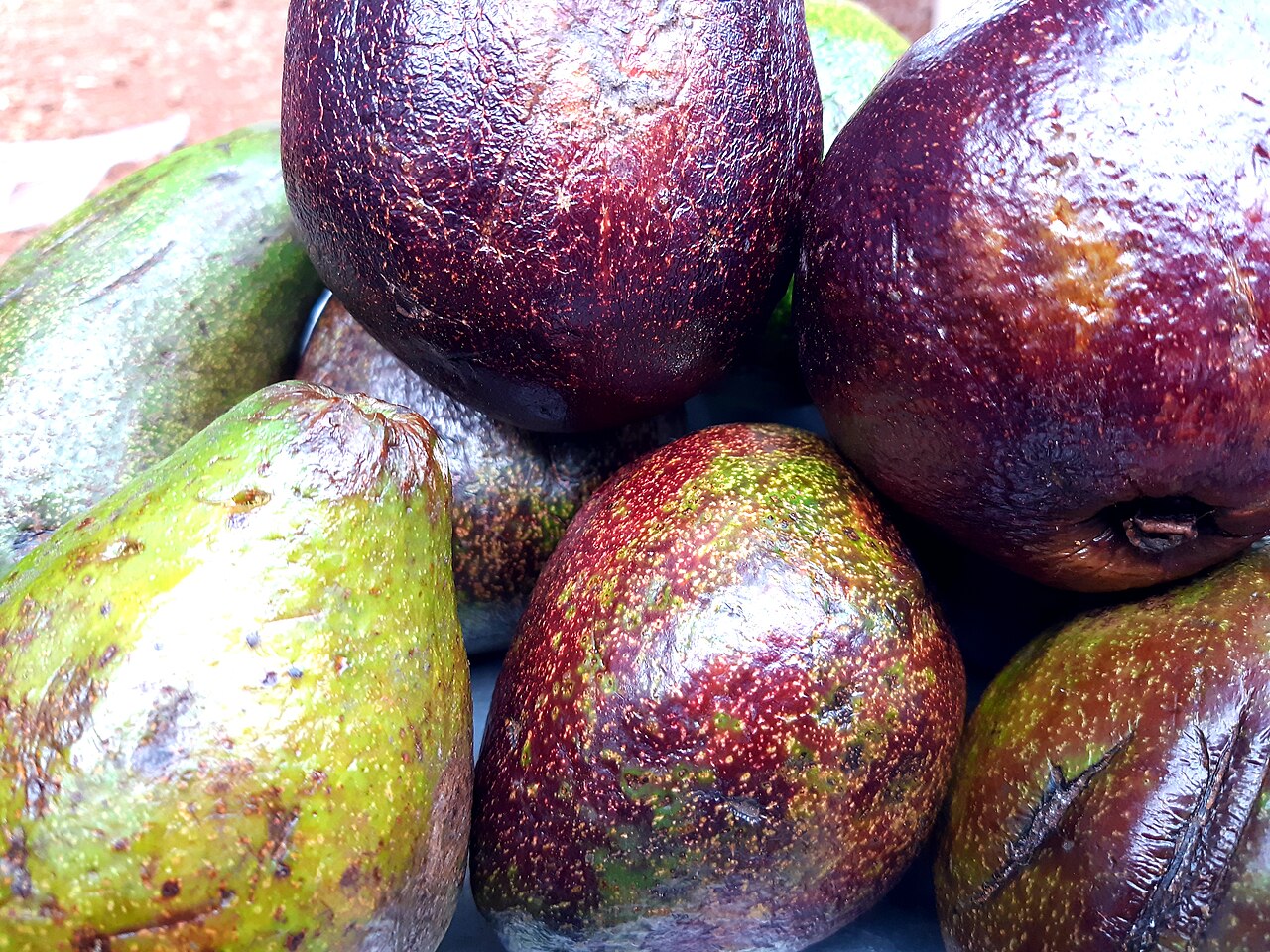
Absolutely not. The skin and the pit are the two parts that account for most reported poultry deaths from avocado, because they hold far more persin per gram than the flesh does. A single discarded peel in the run is a bigger hazard than the spoonful of flesh a hen might steal off a plate.
The pit adds a second problem on top of the toxin. It is hard, slick, and roughly the size of a golf ball, so a determined hen can lodge fragments in the crop or damage the gizzard trying to break it down. Chickens are not equipped to process a seed that size.
Compost piles are the most common failure point. Peels and pits get tossed out, the pile sits inside the fence line, and the flock scratches through it for days. If you compost avocado, the pile has to be closed or fully outside the run. The same caution applies to wild mushrooms growing in the yard, which flocks also find by scratching.
Can Chickens Eat Avocado Meat, Raw or Cooked?
Ripe avocado flesh carries the least persin of any part of the fruit, and cooking does not remove it. Persin is heat stable, so guacamole, avocado toast trimmings, and baked dishes with avocado are no safer than the raw fruit. Raw or cooked is the wrong question; the part of the fruit and the amount matter far more.
Some long-time keepers do feed small amounts of ripe flesh without incident, and they will tell you so loudly in every forum thread on the subject. That experience is real, but it is survivorship reporting: the flocks that had a bad outcome are not posting. Without a published safe threshold for Gallus gallus domesticus, “a little is probably fine” is a guess, not a guideline.
Given how many genuinely safe treats exist, there is no nutritional reason to take the gamble. Avocado offers fat and potassium that a balanced layer feed already supplies, plus treats like halved grapes cover the enrichment value without the toxin question.
Symptoms of Avocado Poisoning in Chickens
Signs usually appear 12 to 24 hours after ingestion and worsen over the following day. The earliest change is behavioral: a hen goes quiet, stops competing at the feeder, and stands fluffed up apart from the flock. Keepers who know their birds notice this before any physical sign.
Physical symptoms follow a recognizable order. Labored breathing and an open beak come from fluid in the chest, and the comb and wattles may turn dusky or bluish as oxygen drops. Some birds develop visible swelling of the neck and breast from subcutaneous edema, and egg production stops abruptly in laying hens.
Severe cases end in sudden death, often with no struggle, which is why avocado poisoning is frequently mistaken for heart failure or heat stress. If several birds in a flock go down within the same 48 hour window and they share access to one food source, poisoning of some kind belongs at the top of the list.
What to Do If Your Flock Ate Avocado
Remove the source first, before you check on individual birds. Clear every peel, pit, and scrap out of the run and the compost, because birds that are still eating are still dosing themselves. Note roughly how much was available and which part it was, since a peel-heavy pile is a different emergency than a smear of flesh.
There is no antidote for persin. Supportive care is all a veterinarian can offer: fluids, warmth, quiet, and in some cases drainage of the pericardial fluid. Call an avian vet if you have one within reach, and be ready to describe the timeline, because a bird that ate 36 hours ago and still looks normal is probably past the worst of it.
For mild exposures, isolate the affected bird in a warm, dim crate with clean water and a familiar feed. Do not try to induce vomiting; chickens cannot vomit productively and the attempt risks aspiration. Watch breathing rate and comb color every few hours for two full days.
What Scraps Are Toxic to Chickens?
Avocado is one item on a short list of genuinely dangerous kitchen scraps. Dried or raw beans, especially kidney beans, contain phytohaemagglutinin and can kill a hen within hours; only fully cooked beans are safe. Green potato peels and sprouts carry solanine, and the same goes for green tomato flesh and the leaves of the plant.
Salty, moldy, and heavily processed foods round out the list. Chickens have no efficient way to shed excess sodium, so chips, cured meat, and seasoned leftovers cause kidney strain. Moldy bread and spoiled feed can carry aflatoxins, which damage the liver at doses too small to smell. Onion in large amounts can cause hemolytic anemia.
Chocolate and caffeine are toxic to chickens for the same reason they are toxic to dogs, through methylxanthines that disrupt heart rhythm. Very small breeds are hit hardest by any of these, which matters if you keep bantam breeds alongside full-size hens at the same feeder.
Is There Any Fruit That Chickens Cannot Eat?
Yes, and avocado is the clearest example, since it is the only common fruit whose flesh itself is under suspicion. For the rest, the fruit is fine and the plant parts are the problem. Apple seeds contain amygdalin, which releases cyanide, so whole apples chopped into the run should have the core removed if you feed them often.
Stone fruit pits work the same way. Cherry, peach, plum, and apricot pits all carry cyanogenic compounds in the kernel, and they present the same physical hazard as an avocado pit. The flesh of all of these is a perfectly good treat. Rhubarb is the other clear no, because the leaves are loaded with oxalic acid.
Citrus sits in a gray zone. It is not toxic, but the acidity can irritate the crop and some keepers report softer shells when hens eat a lot of it. Most flocks simply ignore it. Fruits like ripe tomatoes are safe as long as the green parts stay out of the run.
What Animals Can’t Eat Avocados?
Birds are the most sensitive group by a wide margin, which covers chickens, ducks, turkeys, parrots, canaries, and ostriches. Horses, goats, sheep, cattle, and rabbits also react badly to persin, typically with mastitis and udder damage in lactating animals and with colic or respiratory distress in others.
Dogs and cats sit at the low-risk end. For them, the flesh is mostly a fat and gastrointestinal problem rather than a persin problem, and the pit is a genuine obstruction risk. That difference is the source of endless bad advice, since a dog owner who has fed avocado for years will happily tell a chicken keeper it is harmless.
Humans and, oddly, some primates tolerate persin without issue. Species sensitivity varies so widely that “it did not hurt my other animal” tells you nothing about your flock. The ASPCA toxic plant database lists avocado as toxic to horses and birds specifically.
Avocado Trees in the Yard
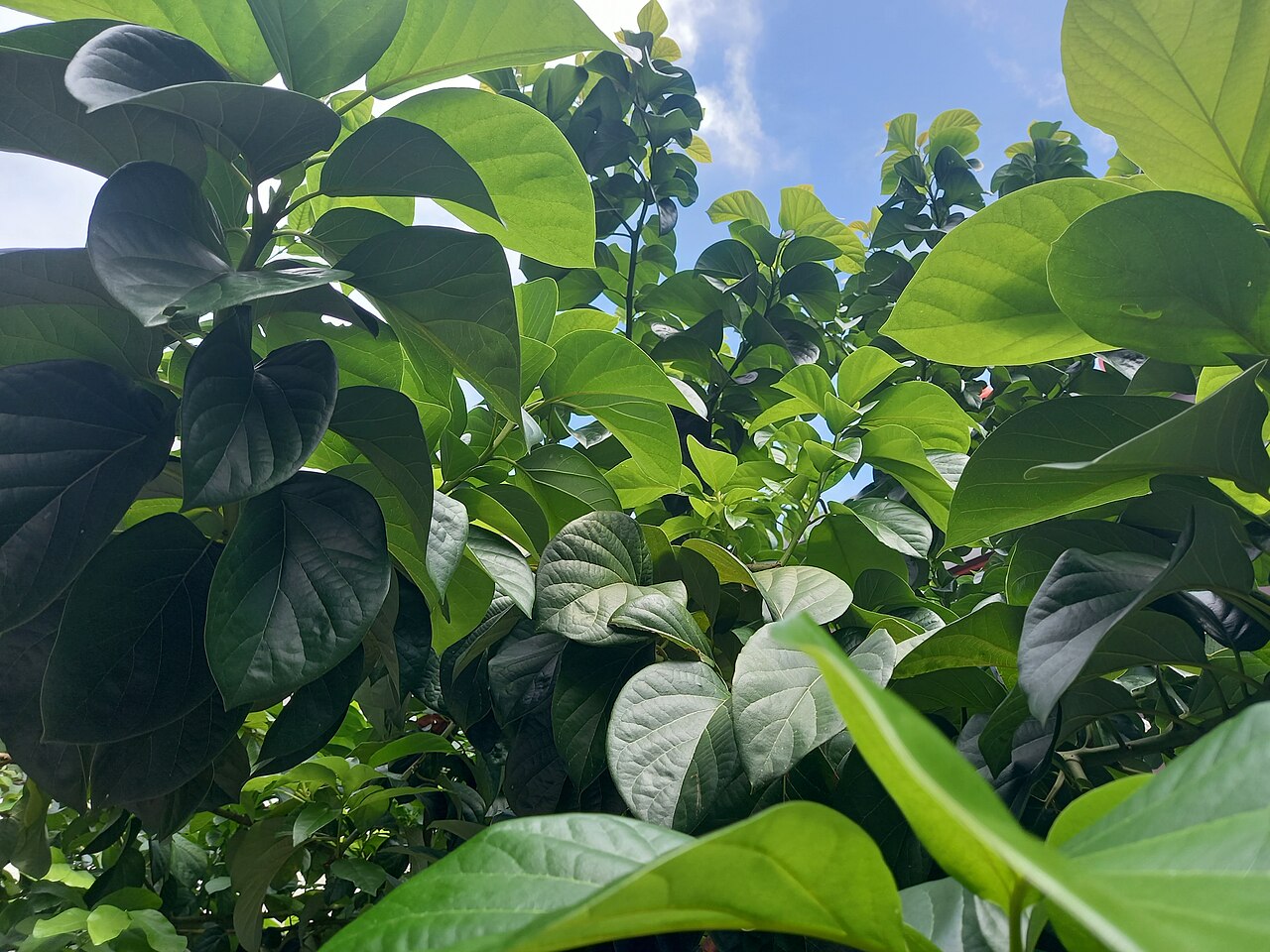
A fruiting avocado tree inside the run is a standing hazard, not a one-time scrap problem. The leaves carry the highest persin concentration of any part of the plant, and fallen leaves stay toxic as they dry, so a tree sheds risk into the yard year round.
Windfall fruit is the second issue. Ripe avocados drop, split, and attract hens within minutes, which means a single tree can dose an entire flock in an afternoon. Fence the drip line, rake fallen leaves weekly during the shedding season, and clear windfall daily while the tree is in fruit.
Why Free Range Flocks Are Most at Risk
Confined hens eat what you give them, so their exposure is entirely under your control. Free range birds forage across the whole property and find things nobody remembered were there, which is why most avocado cases involve flocks with run of the yard.
The usual sources are a neighbor’s compost, a green waste bin left open, and guacamole scraps from an outdoor meal. Birds also learn to follow people carrying food, so an outdoor kitchen or a patio table becomes a regular hunting ground for a confident hen.
Safe Treats to Feed Instead
The goal of any treat is enrichment, not nutrition, since a quality layer feed already covers the requirements. Treats should stay under roughly 10 percent of total daily intake, which for a standard hen is about a tablespoon or two of extras per day. Above that, shell quality and laying rate suffer.
Leafy greens are the best value for the effort. Kale, chard, lettuce, and whole cabbage heads hung at beak height keep a bored flock busy for hours and cut down on feather picking. Pumpkin, cucumber, and melon rinds work the same way in summer heat.
Frequently Asked Questions
What food is fatal to chickens?
Raw or dried beans are the fastest killer, sometimes within a few hours, because of phytohaemagglutinin. Avocado skin and pit, moldy feed carrying aflatoxin, and heavily salted foods follow. Botulism from spoiled meat or stagnant water is also fatal and often mistaken for a mystery illness in the flock.
What is the number one killer of chickens?
Predators, not food. Raccoons, hawks, foxes, dogs, and rats account for more backyard losses than every disease and toxin combined. Among health causes, respiratory infection and reproductive disorders such as egg yolk peritonitis lead. Avocado poisoning is a real but comparatively rare cause of death.
Can chickens eat avocado oil?
Refined avocado oil contains little to no persin and is not considered a poisoning risk, but it offers chickens nothing useful. It is pure fat with no protein, calcium, or fiber. If a dish cooked in avocado oil ends up in the scrap bin, it is not an emergency, though it should not become routine.
Can ducks eat avocado?
No. Ducks are as sensitive to persin as chickens, and the same rules apply to every part of the fruit. Waterfowl bolt food in large mouthfuls rather than picking at it, which makes an accidental dose larger. Keep peels and pits out of the pond area and out of any shared compost.
Can goats eat avocado?
No. Goats are among the livestock species clearly affected by persin, which causes mastitis and udder damage in does in milk and can cause respiratory distress at higher doses. Avocado leaves are the most common route, since goats browse trees. Never plant or prune an avocado inside a goat paddock.
How much avocado is dangerous for a chicken?
No safe threshold has been established for poultry, which is the core of the problem. Reported bird deaths involve doses as low as a few grams of skin per pound of body weight. A hen that ate a smear of ripe flesh is probably fine; a hen that worked through a peel needs watching for 48 hours.