Sea Turtle Symbolism: What Seeing One Means in 6 Traditions
Seeing a sea turtle is read in nearly every coastal tradition as a sign of long life, patience and safe passage, which is why sea turtle symbolism centers on endurance rather than luck. The animal that carries the symbol spends decades at sea, navigates thousands of miles, and returns to the beach where it hatched, and the meanings people attach to it follow that life story closely: go slowly, trust the route, come home.
What follows is belief rather than biology, set out the way each tradition states it. Hawaiian, Native American, Christian, Celtic and East Asian readings of the turtle differ in important ways, and none of them is presented here as fact. The situations most people search for, from a turtle crossing a beach in front of them to a turtle appearing in a dream, each carry their own reading.
Sea turtle symbolism stands for longevity, patience, protection and steady progress toward a goal. Seeing one is widely read as reassurance that you are on the right path and should not rush it. In Hawaiian tradition the honu is a guardian and a guide, while Native American, Christian and East Asian readings add themes of creation, endurance and ancestral wisdom.
| Situation | Common reading |
|---|---|
| Sea turtle swimming past you | Safe passage, you are on course |
| Nesting turtle on the beach | Something you are starting that needs protection |
| Hatchlings heading to the water | A new effort with long odds, worth guarding |
| Turtle crossing your path | Slow down, the timing is not yours to set |
| Sea turtle in a dream | Patience with a decision already made |
| Dead turtle found on shore | Grief, or an ending that asks for respect |
What Is the Spiritual Significance of the Sea Turtle?
The spiritual significance of the sea turtle is almost universally given as longevity joined to patience: a creature that outlives generations of the people who watch it and never hurries. Because sea turtles carry their shelter with them, they are also read as symbols of self sufficiency and of feeling at home wherever you are, a reading that appears independently in Pacific, Caribbean and Atlantic coastal cultures.
The second theme is navigation. Green sea turtles (Chelonia mydas) and loggerheads (Caretta caretta) return across open ocean to the beaches where they hatched, and interpreters lean on that fact to read the turtle as a guide for anyone trying to find a way back to something. Readers who want the biology behind the symbol can start with how sea turtles live and how long they actually live.
What Does the Honu Symbol Represent?
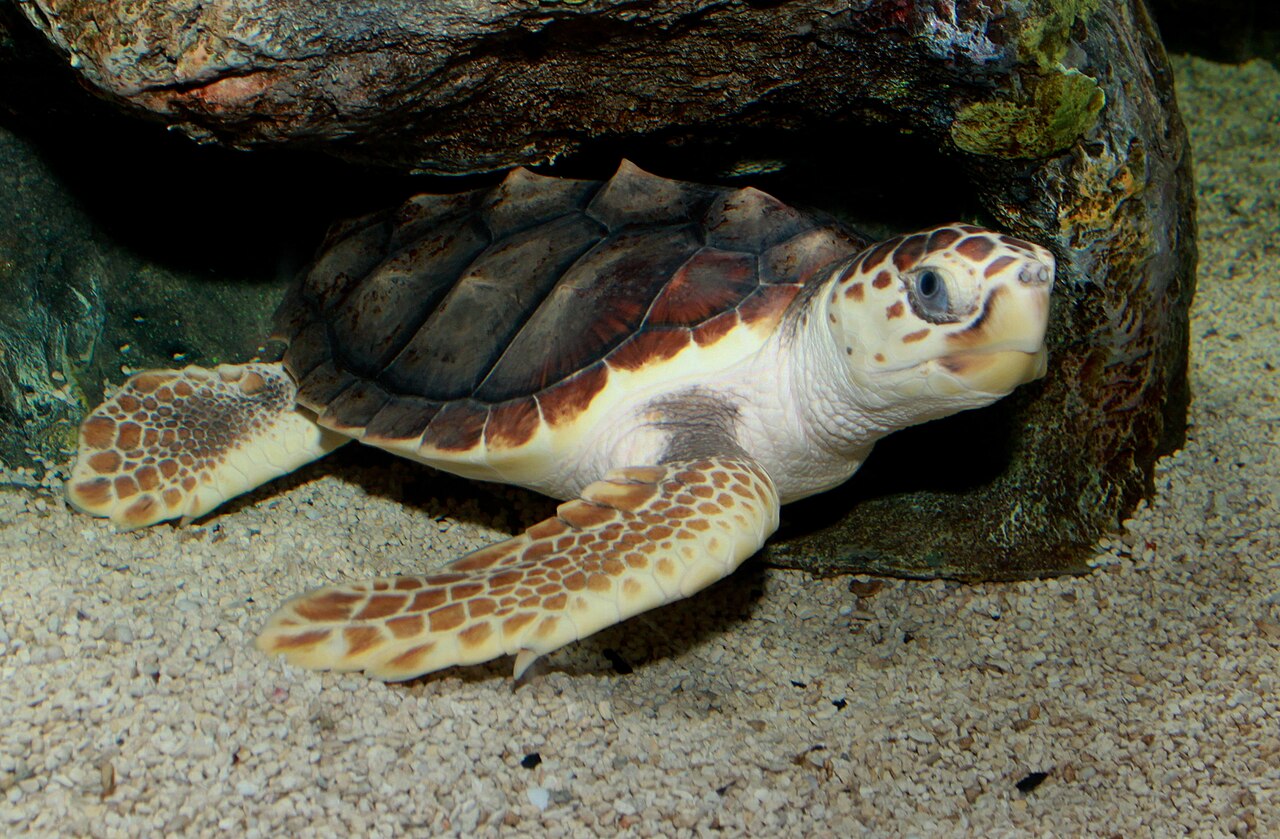
In Hawaiian tradition the honu, the green sea turtle, represents guidance, protection and the long reach of family. The honu is understood by many Hawaiian families as an aumakua, an ancestral guardian spirit that may appear in animal form, and a honu sighting is received as a visit rather than a coincidence. Kauila, in Hawaiian legend, is a turtle who could take human form and watched over children playing at the shore.
The symbol is also carried in design. Honu motifs in Hawaiian art and tattooing are read as markers of safe travel over water and of ties to home island and lineage. That meaning belongs to Hawaiian culture specifically, and visitors who buy honu jewelry are generally encouraged to understand it as a guardian symbol rather than a generic good luck charm.
Sea Turtle Symbolism in Native American, Christian, Celtic and East Asian Traditions
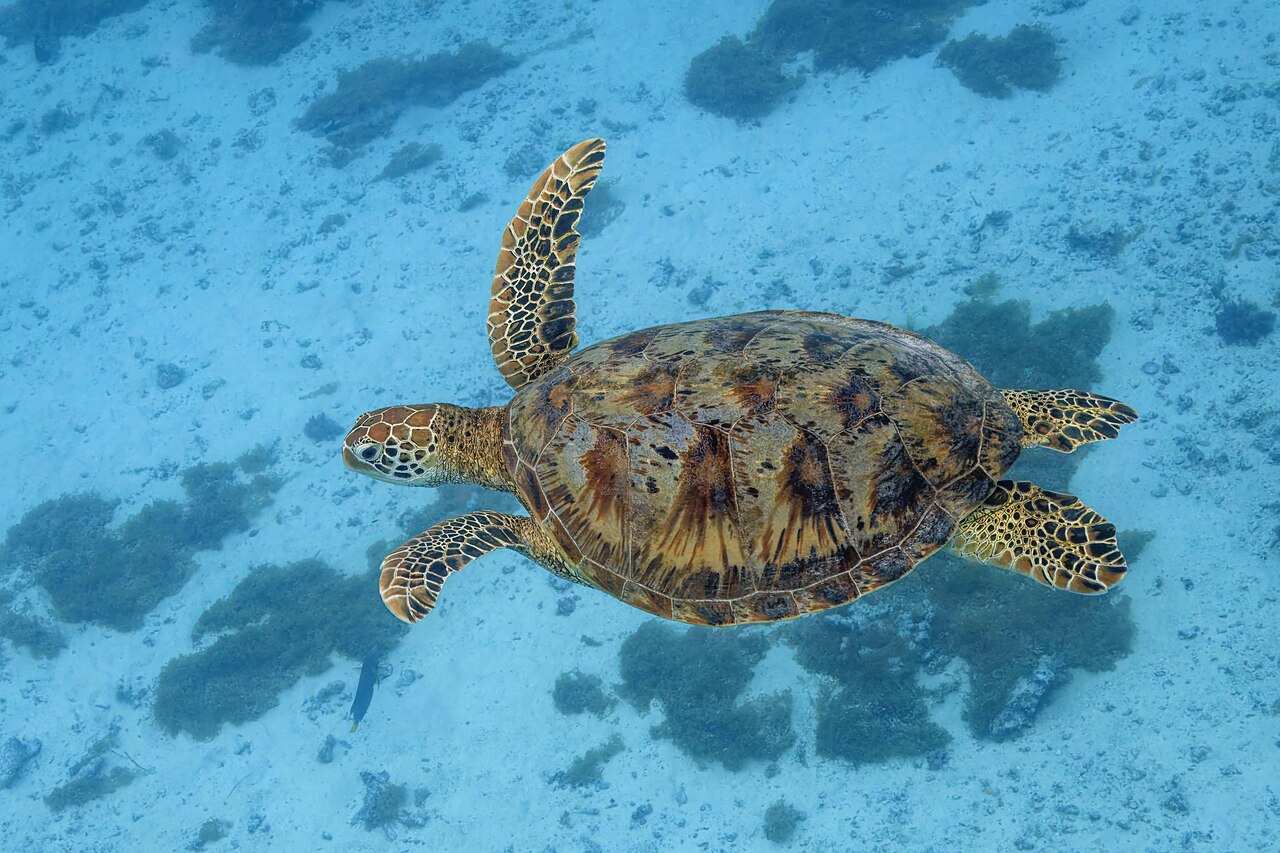
Several Native American traditions place a turtle at the foundation of the world. In Haudenosaunee and Anishinaabe accounts, the land rests on the back of a great turtle, which is why North America is called Turtle Island; the turtle in these teachings carries creation itself, along with patience and truth telling. In some nations the thirteen scutes of the shell are counted as the thirteen moons of the year.
Christian readings are more cautious, since turtles are not symbols in scripture, and commentators who discuss what turtles symbolize in the Bible generally fall back on patience, perseverance and the created order. Celtic lore says little about marine turtles and more about the shell as protection. In East Asian symbolism the turtle is one of the four celestial animals, standing for the north, winter, endurance and great age, and turtle imagery appears on steles and shrines for exactly that reason.
What It Means to See a Sea Turtle
To see a sea turtle in the wild is read first as confirmation. Most interpreters treat the sighting as a sign that a slow effort already underway is sound and simply needs more time, which is the opposite of the urgency people usually want from an omen. A turtle swimming calmly past a snorkeler is read as safe passage, and a turtle surfacing to breathe beside a boat as a reminder to come up for air yourself.
A turtle crossing your path on land shifts the reading toward timing. On a nesting beach the encounter is also a legal and practical matter, since approaching, lighting or handling a nesting female is prohibited under federal protection, as the NOAA Fisheries guidance makes clear. The respectful distance the traditions ask for and the law’s distance happen to agree. For the nesting itself, see what hatchlings face on their first night.
Sea Turtle as Spirit Animal, Totem and Omen
These three terms make different claims. A sea turtle as spirit animal, in common modern usage, describes someone who identifies with patience, long memory and a thick protective shell, often a person who takes decisions slowly and rarely reverses them. A totem, in the traditions that use the word strictly, is an inherited clan relationship rather than a personal choice, which is why many Native writers object to the loose use of the term.
As an omen, a sea turtle is read as neither warning nor windfall but as pacing: the message is that the thing you want is on a schedule longer than yours. Interpreters who work with turtle symbolism tend to pair it with a practical instruction to stop pushing. Compare bat symbolism, which traditions read as transition rather than patience.
Are Turtles Good Luck?
Turtles are considered good luck in a specific sense: they are associated with long life, stability and protection of the household rather than with sudden fortune. Chinese tradition places turtle imagery in homes and gardens as a longevity emblem, and the turtle’s association with the north and with winter makes it a symbol of keeping what you already have. Feng shui practice treats a turtle figure at the back of a house as a support, not a magnet.
Hawaiian and Polynesian readings emphasize guardianship instead of luck, and a honu is thanked rather than relied on. Across traditions the turtle is a poor fit for anyone hoping for a fast result, which is the most consistent thing about it. Those who read birds for the quicker kind of message usually turn to cardinal symbolism.
Frequently Asked Questions
What do turtles symbolize?
Turtles symbolize longevity, patience, protection and groundedness in most traditions that feature them. The shell contributes the protective meaning, the slow gait the patience, and the animal’s long life the association with wisdom and ancestry. In several Native American traditions the turtle also carries creation itself, holding the land on its back.
What does a turtle symbolize spiritually?
Spiritually, a turtle is read as a guide for slow, deliberate progress and as a guardian of home and family. Hawaiian tradition treats the honu as an ancestral protector, East Asian symbolism as an emblem of endurance and the north, and modern spiritual writing as a call to stop forcing outcomes. The common thread is trust in a longer timeline.
What is the symbol of a sea turtle?
The best known is the honu, the stylized Hawaiian green sea turtle used in art, carving and tattooing to signify guidance, safe travel over water and connection to home. Sea turtles also appear as conservation emblems, and in East Asian iconography the turtle shell itself is the symbol, standing for longevity and for the cosmos in miniature.
What is the mythology of turtles?
Turtle mythology is unusually consistent in placing the animal beneath the world. Haudenosaunee and Anishinaabe accounts have the earth resting on a great turtle’s back, Hindu tradition has Kurma supporting a mountain, and Chinese tradition has the turtle Ao bearing the world’s weight. Hawaiian legend adds Kauila, a turtle who guarded children at the shore.
Do turtles have a special meaning?
Yes, and it is remarkably stable across cultures: long life, patience, shelter and protection. The specific readings differ, from Hawaiian guardianship to East Asian longevity to Native American creation, but almost none of them treat the turtle as a symbol of speed, chance or change. That consistency is why turtle imagery holds up in jewelry and tattoo work.