Crocodile Symbolism: What Seeing One Means, Tradition by Tradition
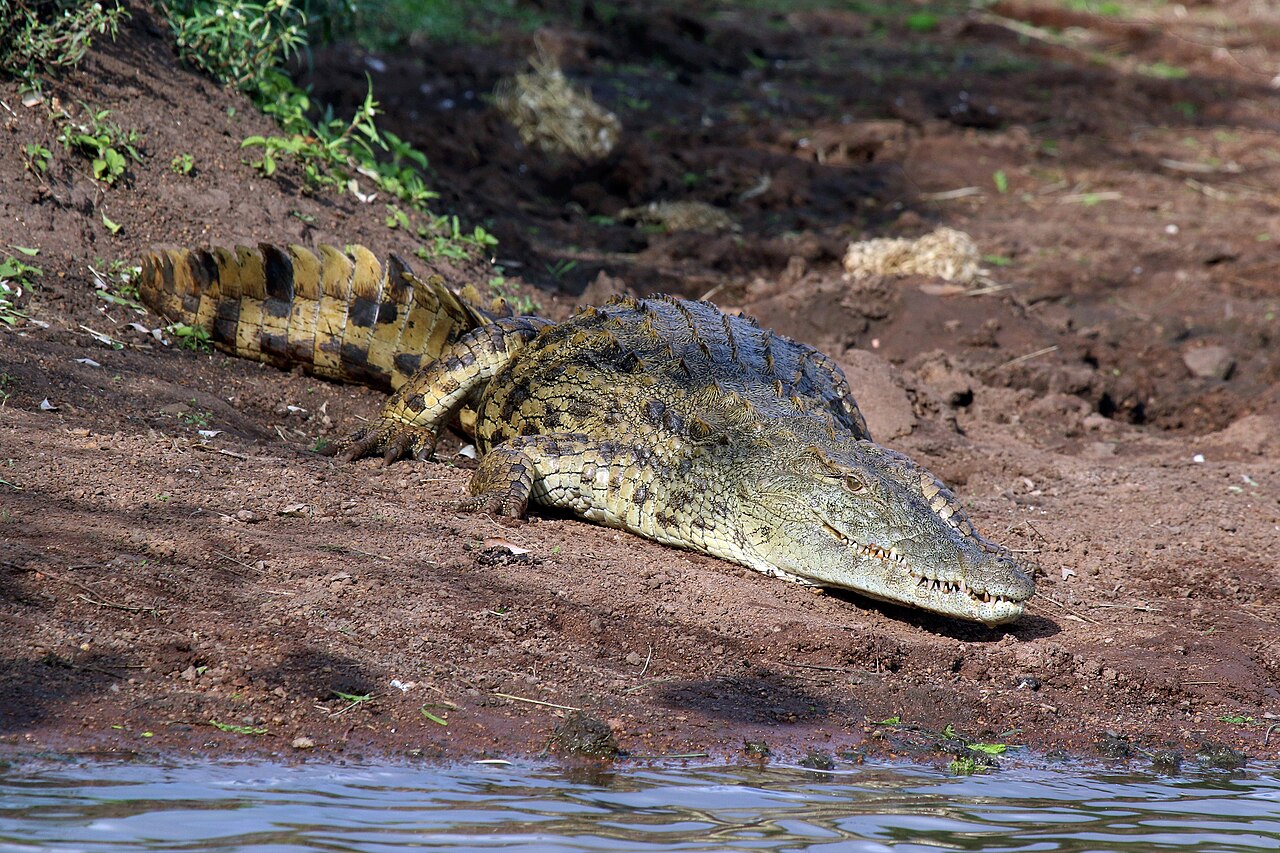
Seeing a crocodile is read almost everywhere as a warning about power held just below the surface: ancient knowledge, raw survival instinct and the advice to watch what you cannot see rather than what is in front of you. Crocodile symbolism is one of the oldest in the record, and across Egyptian, African, Hindu and Native American traditions the animal stands for a force that is neither good nor evil but absolutely unsentimental.
That makes the crocodile a harder omen to read than most. Depending on the tradition and the situation it points to protection, to deceit, to patience before a decisive move, or to something in your own life that has been waiting quietly for a long time. The traditions are separated below, then the common situations one by one.
A crocodile symbolizes primal power, ancient wisdom, patience and hidden danger. Seeing one is commonly read as a sign to trust your instincts, stop ignoring a threat you have sensed but not named, and wait for the right moment instead of striking early. In several African and Egyptian traditions it also signals sovereign protection.
What Does a Crocodile Mean Spiritually?
Spiritually the crocodile is treated as a keeper of primal memory. Because the body plan has barely changed in roughly 80 million years, folk and esoteric readings alike assign it the role of the creature that remembers what came before, and encountering one is read as contact with instinct rather than intellect.
The second consistent thread is submersion. A crocodile lies with only its eyes above water, so the usual interpretation is that something important is mostly hidden: a motive, an emotion, a situation you have assessed only at the surface. The instruction attached to that reading is not to flee but to look deeper before acting.
What Is the Crocodile a Symbol Of Across Traditions
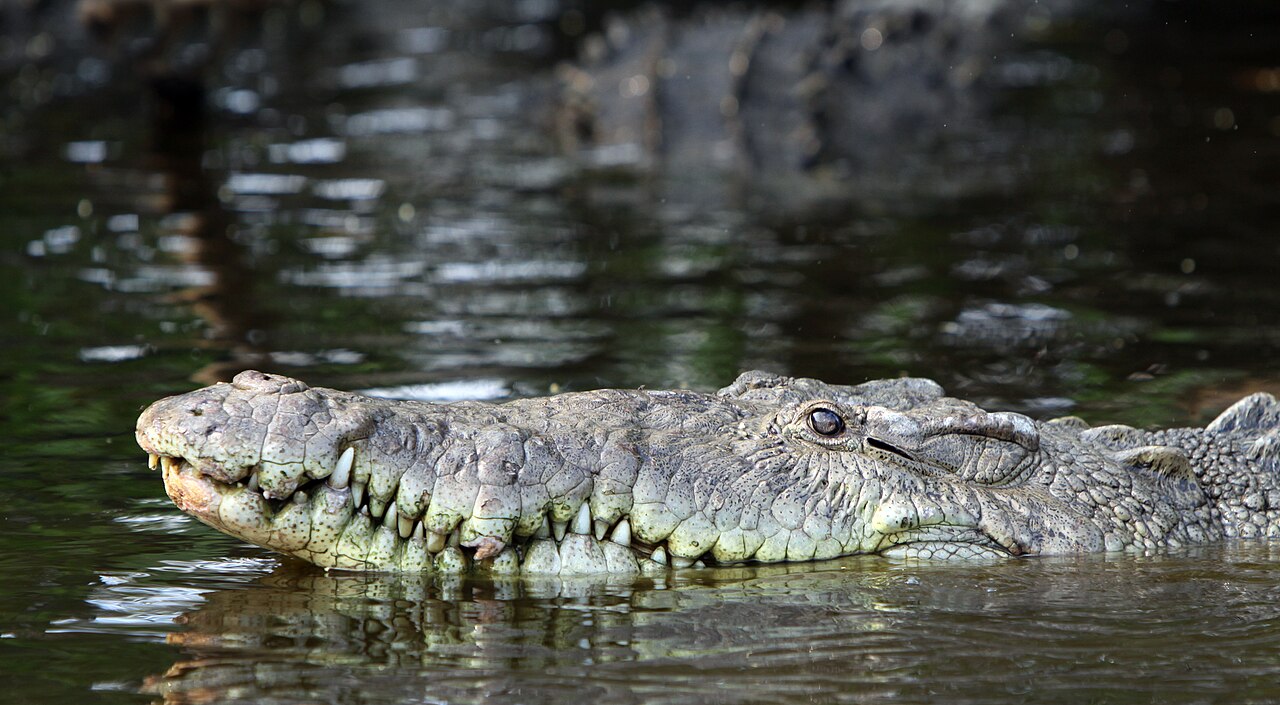
The crocodile carries sharply different meanings depending on who is telling the story. Each belief below belongs to the tradition named, not to crocodiles in general.
Ancient Egypt. In ancient Egyptian religion the crocodile god Sobek embodied the Nile’s fertility and military might, and he was worshipped at Kom Ombo and Faiyum, where crocodiles were kept, fed and mummified. Sobek was protective rather than evil, and pharaohs invoked him for strength, which is why the crocodile reads as sovereign power in material influenced by Egyptian sources.
African traditions. Across West and Southern Africa the crocodile appears as a symbol of adaptability and authority. In Akan adinkra the denkyem crocodile stands for the ability to live in water while breathing air, meaning adaptability, and in several Southern African traditions crocodile fat and teeth featured in chiefly and ritual contexts. Museum collections such as those described by the Smithsonian Institution document both the regalia and the ambivalence: the animal is respected and feared at once.
Hindu and East Asian traditions. In Hindu iconography the makara, a crocodile-like water creature, serves as the mount of the river goddess Ganga and of Varuna, which ties the crocodile to sacred water and abundance. Chinese tradition gives the dragon the symbolic ground a crocodile might otherwise occupy, though the Yangtze alligator sits in the background of some dragon imagery.
Native American traditions. Crocodiles do not occur across most of North America, so the related reading belongs to the American alligator in Southeastern nations. In Choctaw, Seminole and Creek stories the alligator is a figure of patience, keen senses and old authority over water, and that material is the nearer source for anyone in the US; see alligator symbolism for it.
What Do Crocodiles Represent Biblically?
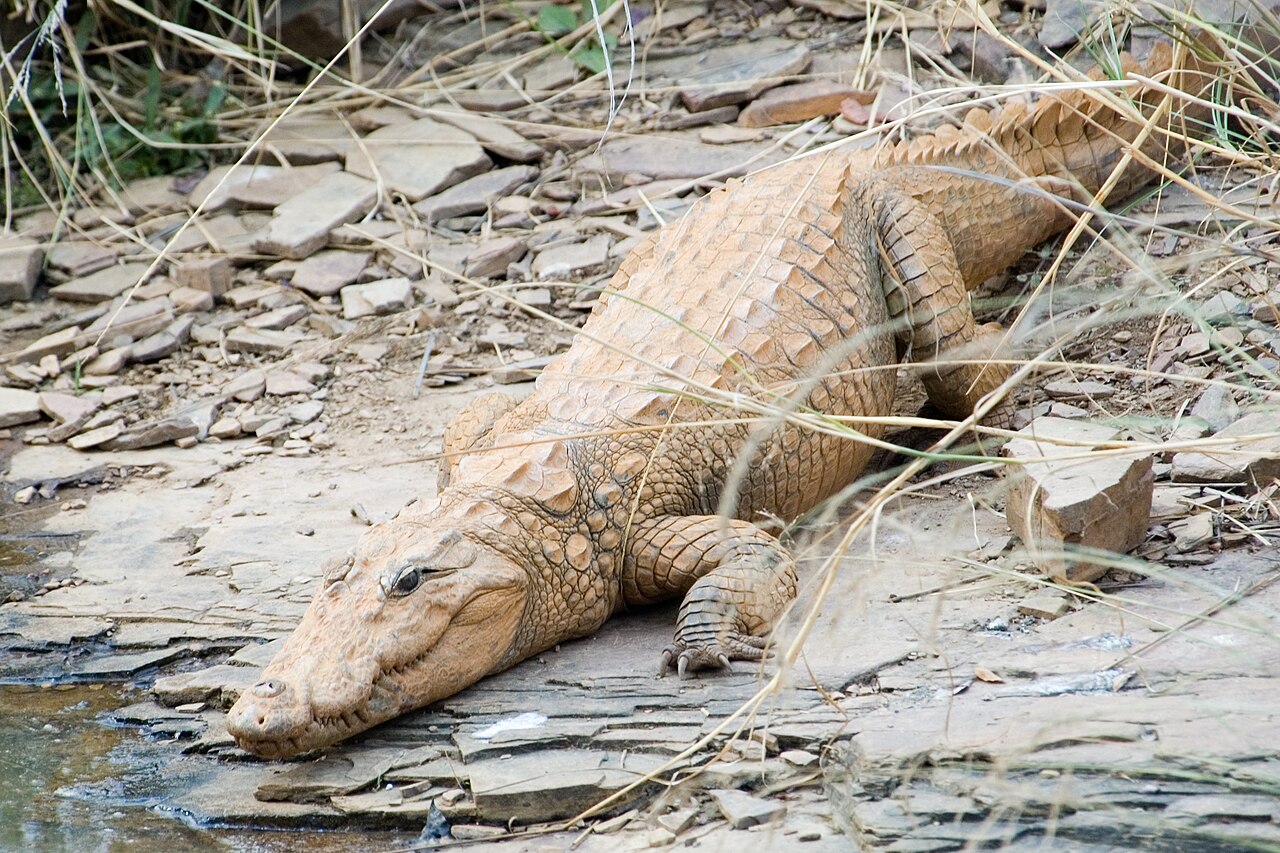
In biblical terms the crocodile is usually identified with Leviathan, the untamable water creature of Job 41, which is described as beyond human mastery and answerable only to God. Many commentators read the long passage about its armored scales and fearless jaws as a description of the Nile crocodile, and on that reading the animal represents the limit of human control rather than evil itself.
Where crocodile imagery turns negative in Christian devotional writing, it does so through the medieval bestiaries, which paired the crocodile with hypocrisy and with false grief, the source of the phrase crocodile tears. Both strands are interpretation, not direct teaching, and the same interpretive distance applies to dead bird symbolism.
Crocodile Spirit Animal, Totem and Omen
In contemporary spirit animal practice the crocodile spirit animal is described as a guide for people who need to stop apologizing for their own strength. The usual message is to defend your territory, act on instinct and stop waiting for permission. People who identify with the crocodile totem are typically described as patient, private and decisive once they move.
As an omen the crocodile is read as a warning rather than a blessing in most modern sources: it points to a person or situation that is not what it seems. The older traditions are less one-sided, since Sobek and the makara are protective figures. For the dream-specific readings, see crocodile dream meaning; for a contrasting animal that carries almost purely favorable weight, see crane symbolism.
What It Means to See a Crocodile in Different Situations
Context carries most of the interpretation. The table collects the readings people look for, each stated as the belief it is.
| Situation | Common interpretation |
|---|---|
| Crocodile in your yard or near the house | A boundary issue at home; something has come closer than you allowed |
| Crocodile seen at a distance in water | A situation you are assessing correctly; keep the distance you have |
| Crocodile seen at night | Instinct working ahead of reason; pay attention to unease you cannot justify |
| Repeated crocodile sightings or images | Confirmation that a threat or a strength is being underestimated |
| Crocodile found dead | End of an old fear; a power you were avoiding has lost its hold |
| Crocodile in a dream | Suppressed anger, a hidden motive, or your own unused force |
Crocodile Dreams and What They Point To
Dream crocodiles are usually read through distance and water. One submerged and still is interpreted as a motive you have sensed but not confronted, often someone else’s. One lunging is read as anger, either directed at you or your own, that has outgrown the space you gave it.
Being chased by a crocodile is the most common version and is read as avoidance rather than danger: the standard interpretation is that the thing pursuing you is a decision. Escaping it is treated as resolve, being bitten as a cost already paid. Dream readings have no evidential basis and work best as prompts, much like the dream material around bat symbolism.
Frequently Asked Questions
What does the crocodile symbolize in the Philippines?
In Philippine tradition the crocodile, or buwaya, is a figure of both ancestral power and greed. Pre-colonial belief treated crocodiles as ancestors or guardians of waterways, and burial jars carry crocodile motifs. In modern Filipino speech calling someone a buwaya means a corrupt official, which is the sense most people meet first.
What does the alligator symbolize spiritually?
The alligator carries almost the same symbolic load as the crocodile: primal instinct, patience and hidden strength, with more emphasis on ancient knowledge and less on deceit. In Southeastern Native traditions it is tied to authority over water and to keen perception. Modern readings use it as a sign to stop rushing and trust timing.
What deity is associated with alligators?
No deity is tied to the American alligator in the way Sobek is tied to the Nile crocodile, since the alligator’s range had no state religion of that kind. Sobek is the usual answer when people ask, along with Varuna and Ganga through the makara in Hindu tradition. Southeastern nations treat the alligator as a story figure rather than a god.
What does the Bible say about dreaming about alligators?
Nothing. Scripture does not mention alligators, and it does not interpret animal dreams as a category; the named dream interpretations in Genesis and Daniel concern grain, livestock and statues. Christian writing about alligator dreams is modern devotional interpretation, usually routed through Leviathan in Job 41 as an image of power beyond human control.