Loon Symbolism: What It Means to See or Hear One
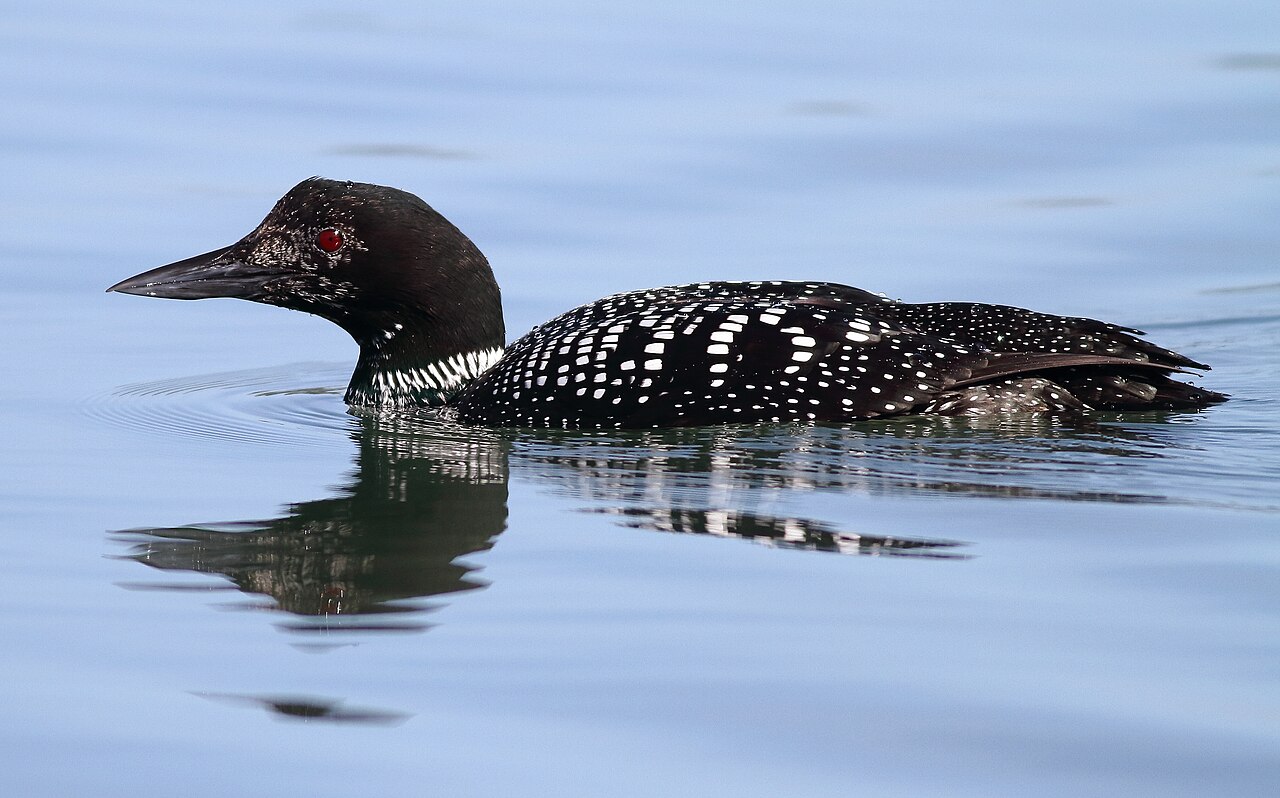
Seeing a loon is widely read as a sign to trust your own instincts and to let a feeling surface instead of burying it. The common loon (Gavia immer) dives deep, stays under for a minute or more, and resurfaces far from where it went down, and almost every tradition that gives the bird meaning builds on that image: going below the surface and coming back changed.
The loon is also a sound before it is a sight. Its wail, yodel, tremolo, and hoot carry across still water at night, which is why loon symbolism leans toward communication and solitude rather than power or luck.
Loon symbolism centers on intuition, solitude, and deep emotional honesty. Because the bird dives far below the surface and calls across open water, it is commonly read as a sign to listen inward and speak plainly. In Ojibwe and other Great Lakes traditions the loon is a clan bird tied to leadership and to clear speech.
| Situation | Common meaning |
|---|---|
| Seeing a single loon on open water | A call to solitude and self trust |
| Hearing a loon wail at night | Longing, or contact being sought |
| A loon diving as you watch | Something below the surface asking for attention |
| A loon pair with chicks | Family loyalty and shared responsibility |
| A loon in a dream | Buried feeling rising into awareness |
| Finding a dead loon | Traditionally a warning about neglected water or home |
What do loons mean spiritually?
Spiritually the loon is read as a bird of inner knowledge. It belongs to two worlds, air and deep water, so interpreters treat it as a guide between the conscious mind and what lies under it. People who claim the loon as a spirit animal or totem usually describe themselves as private, observant, and slow to speak, and the bird is taken as permission for that temperament rather than a flaw to fix.
The loon is also a symbol of faithfulness, since pairs return to the same lake and nesting site year after year. Compare the broader pattern in bird symbolism across traditions.
What is the loon a symbol of in Indigenous and Canadian traditions?

In Ojibwe tradition the loon, maang, is one of the principal clan animals, and the Loon Clan is associated with leadership and with speaking for the community. Haudenosaunee and other northern stories also give the loon a role as a helper that restores sight or guides the lost, so the bird is read as one that leads honestly rather than one that rules.
In Canada the loon became a national emblem through the one dollar coin, nicknamed the loonie, and the bird now carries a plainer meaning there: wilderness, northern lakes, and quiet. Minnesota names it the state bird for the same reason. These are beliefs and civic symbols rather than claims about the bird itself, and the Indigenous teachings belong to the nations that hold them.
The loon call at night and what it is said to mean
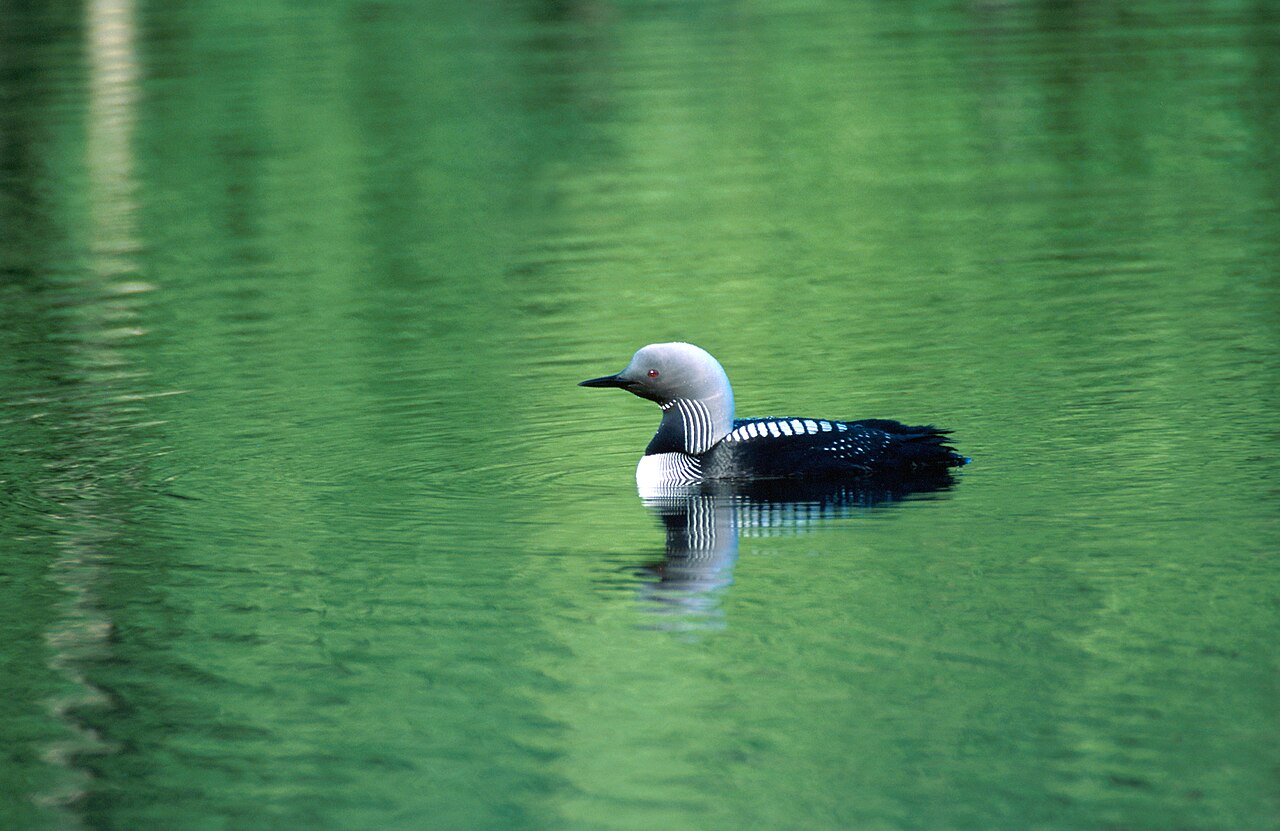
A loon calling at night is the source of most loon omens. The long wail is the bird’s contact call, used to locate a mate across water, and listeners have read it as grief, warning, or a soul calling out. The tremolo, the laughing call that gave the phrase crazy as a loon its footing, actually signals alarm, so a tremolo at night usually means something disturbed the bird. Audubon describes all four calls in its field guide to the Common Loon.
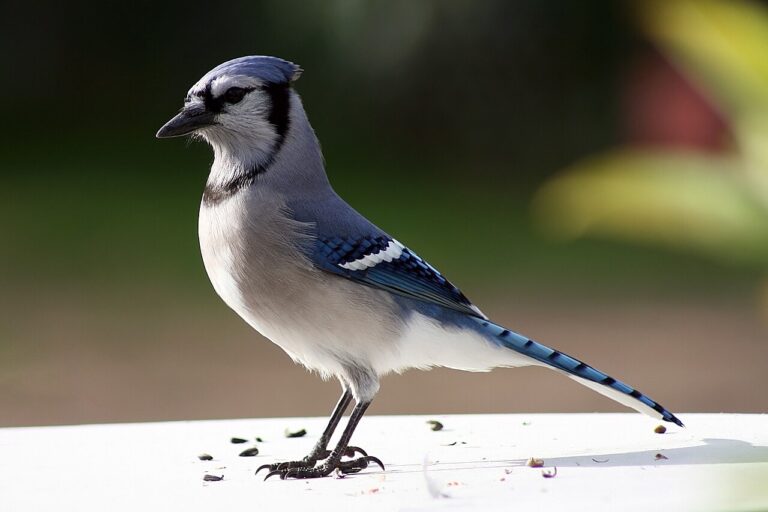
Folk readings treat a repeated night wail as news coming and a sudden tremolo as a caution to watch your surroundings. Birds whose voices carry tend to collect this kind of meaning, as with blue jay symbolism and starling symbolism.
Loon tattoo meaning and the phrase crazy as a loon
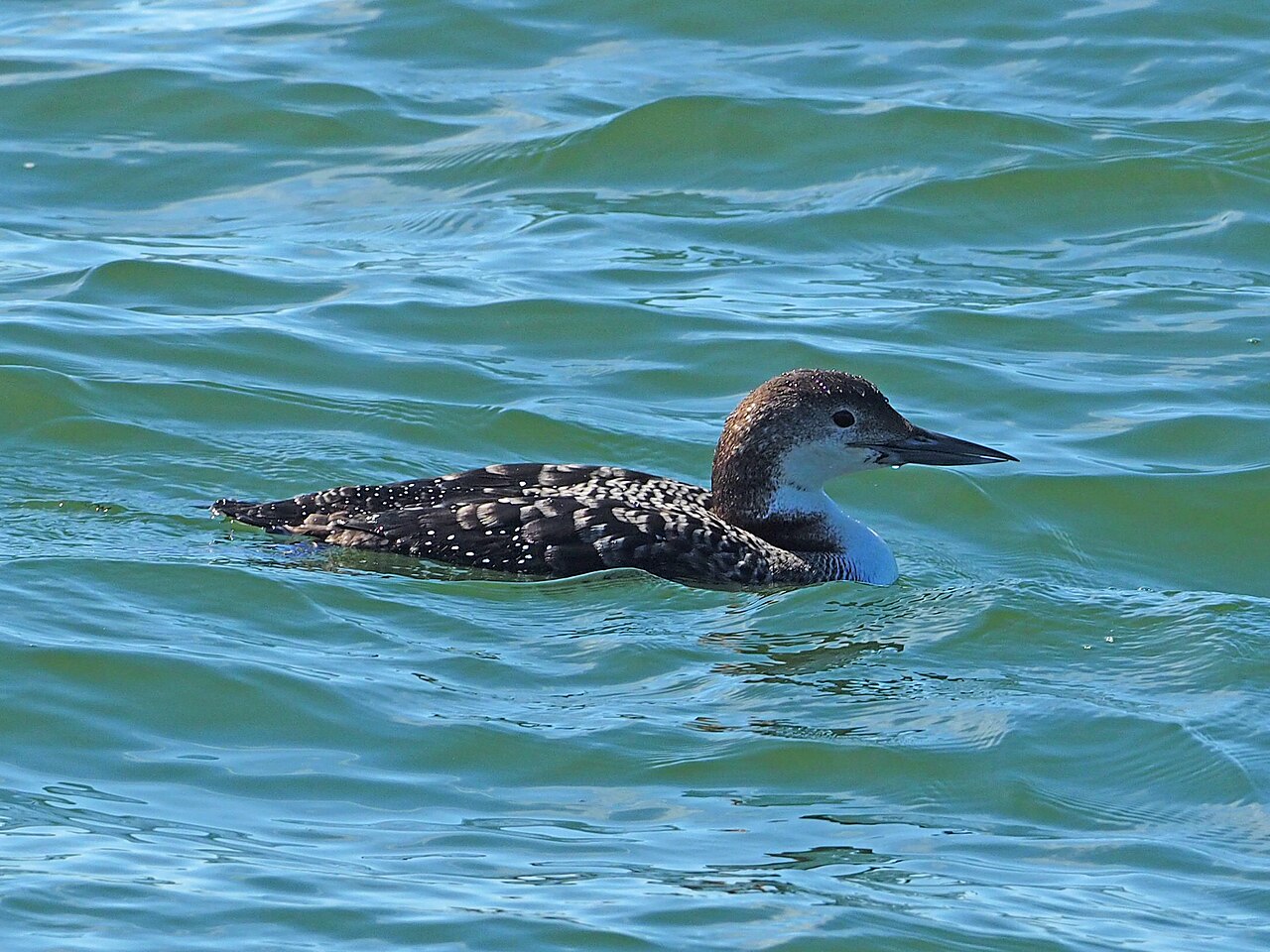
A loon tattoo generally symbolizes solitude, loyalty, and northern roots, and it is a common choice for people tied to Minnesota, Maine, Ontario, or the Boundary Waters. Paired loons stand for a lasting partnership, while a single diving loon is usually chosen for self reliance.
The word itself comes from the Old Norse lomr or the Shetland dialect loom, describing a clumsy or moaning bird, not from lunatic. The saying crazy as a loon comes from the tremolo call, which sounds like wild laughter. Calling someone a loon is mild slang for eccentric rather than a slur, though in recent urban slang the word has also been used for a person who acts recklessly. For other animals whose names became sayings, see beaver symbolism and American goldfinch symbolism.
Frequently Asked Questions
What is the loon a symbol of?
The loon symbolizes intuition, solitude, faithfulness, and clear speech. In Ojibwe tradition it is a clan bird connected to leadership, and in Canada it stands for northern wilderness through the loonie coin. Its deep diving and far carrying call drive nearly all of these readings.
What are the four sounds of a loon?
Loons use a wail, a yodel, a tremolo, and a hoot. The wail is a long contact call between mates, the yodel is a territorial call given only by males, the tremolo signals alarm, and the soft hoot is used for close family contact between a pair and their chicks.
What is a group of loons called?
A group of loons is usually called a raft, and sometimes an asylum or a cry, both novelty terms rather than ornithological ones. Loons are territorial while nesting, so groups mainly form on migration.
Where do loon birds live?
Common loons breed on clear freshwater lakes across Canada, Alaska, and the northern United States, including Minnesota, Wisconsin, Maine, and New Hampshire. In winter they move to coastal waters and large ice free lakes farther south.