Types of Finches: A Complete Guide
North America is home to around twenty species of finches, from the familiar house finch and American goldfinch to colorful grosbeaks, siskins, redpolls, and crossbills. These small, seed-eating birds with conical bills are popular feeder visitors, and some are famous for their wandering, unpredictable movements. This guide covers how many types of finches there are, common species you can see, how to tell them apart, where they live, and how to attract finches to your yard.
| Finch | Key Features |
|---|---|
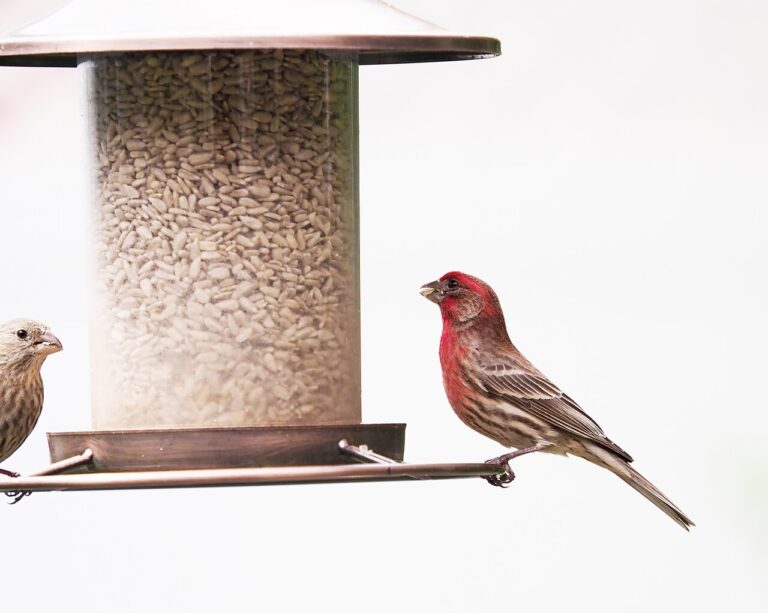
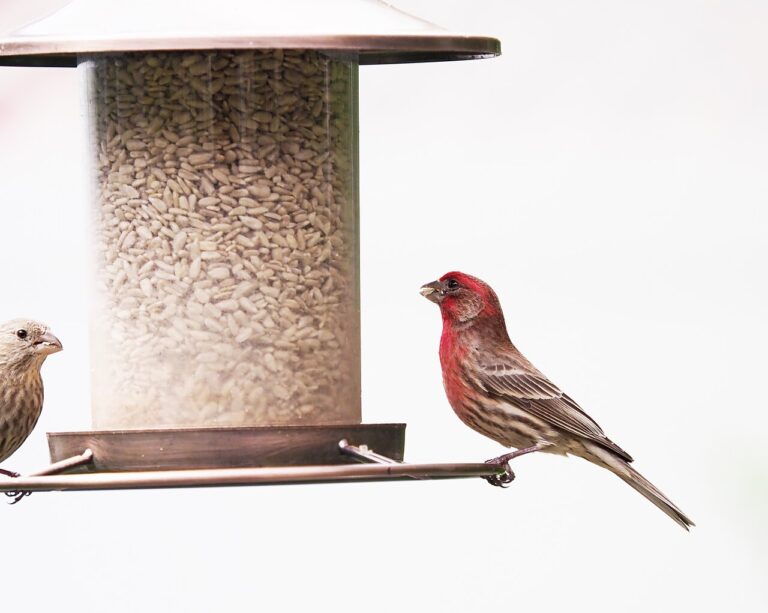
| House Finch | Male rosy red, streaky female |
| Purple Finch | Male raspberry red, bold streaks |
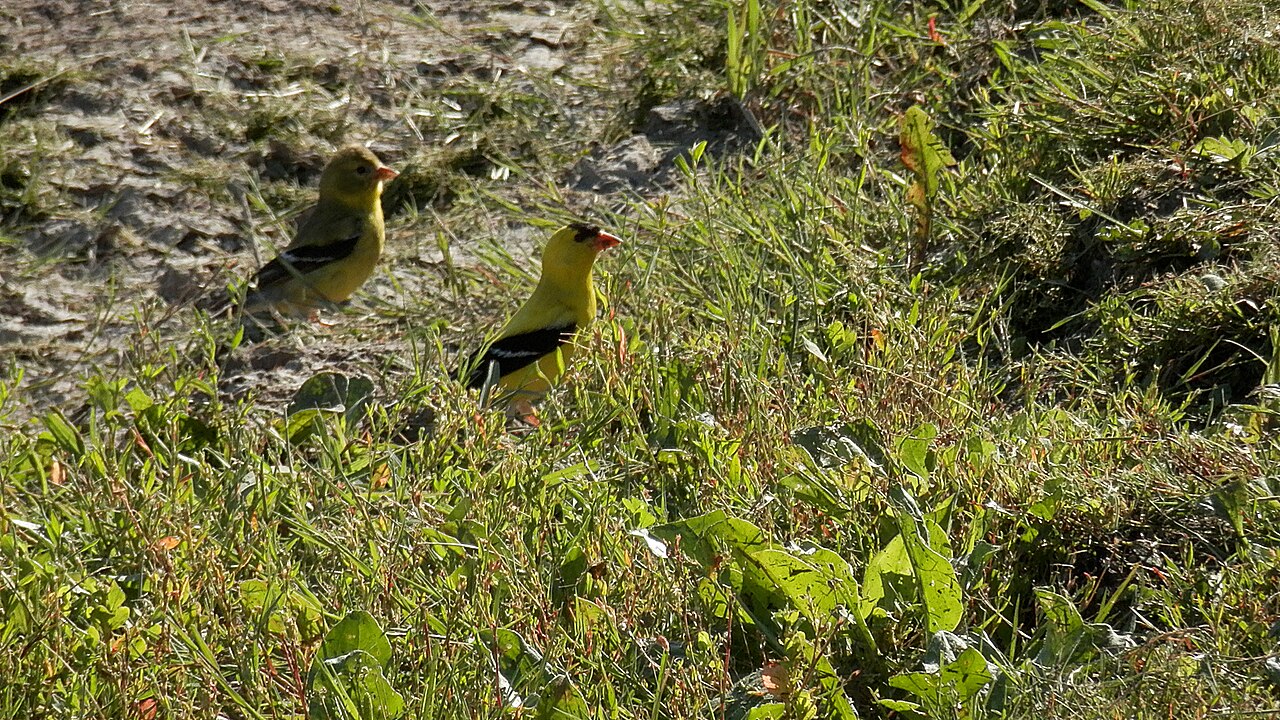
| American Goldfinch | Bright yellow male in summer |
| Lesser Goldfinch | Small, yellow, dark back |
| Pine Siskin | Streaky, yellow wing flashes |
| Common Redpoll | Red cap, small, northern |
| Evening Grosbeak | Large, yellow, huge bill |
| Red Crossbill | Crossed bill, pries open cones |
How Many Types of Finches Are There?
There are around twenty species of true finches in North America, part of a worldwide family of seed-eating birds. This group includes familiar backyard birds like the house finch and American goldfinch, along with less common and more northern species such as siskins, redpolls, crossbills, and grosbeaks. True finches are characterized by their conical, seed-cracking bills, their often musical songs, and, in many species, undulating flight. It is worth noting that some birds with finch in their name, or that look finch-like, are not true finches, and the house sparrow, despite superficial similarities, belongs to a different family. Many finches are highly social and travel in flocks, and several northern species are irruptive, meaning they move south in large numbers in some years when food is scarce, making them exciting but unpredictable visitors. This variety makes finches a rewarding group to learn, especially at feeders, as covered in our guide to the house finch.
Common Types of Finches
Several types of finches are especially common and worth knowing. The house finch is one of the most widespread, with rosy-red males and plain, streaky females, and it is a very common feeder bird. The purple finch is similar but the male is a richer raspberry red washed over more of the body, and both sexes show bolder markings. The American goldfinch is a favorite, the breeding male a brilliant lemon yellow with a black cap, covered in our guide to the American goldfinch. The small lesser goldfinch of the West is yellow with a dark back. The pine siskin is a streaky brown finch with yellow flashes in the wings, often traveling in flocks. The common redpoll is a small northern finch with a red cap, and the large evening grosbeak is a stocky yellow finch with a massive bill. The red crossbill has a uniquely crossed bill for prying seeds from conifer cones. Each has its own look and habits.
How to Tell Finches Apart
Telling finches apart is easier when you focus on color, markings, and bill shape. For the reddish finches, compare the house finch and purple finch: the male house finch is more orange-red mainly on the head and chest with brown streaks on the flanks, while the male purple finch is a deeper raspberry red washed over more of the body. For yellow finches, the American goldfinch’s breeding male is bright yellow with a black cap, while the lesser goldfinch is smaller with a dark back. Streaky finches like the pine siskin show yellow wing flashes, and redpolls have a red cap. Note the bill, since the crossbills have distinctive crossed tips and grosbeaks have oversized bills. Size, wing markings, and whether the bird has streaking or a clean pattern all help. Combining color, markings, and bill shape lets you identify most finches, a satisfying skill for feeder watchers, as explored in our guide to attracting goldfinches.
Where Finches Live
Finches live in a wide range of habitats across North America, with different species favoring different settings. The house finch is strongly tied to towns, suburbs, and farms, thriving around people, while the American goldfinch favors weedy fields, meadows, and gardens with seed-bearing plants. Purple finches prefer woodlands and forest edges, and the northern finches, such as redpolls, siskins, crossbills, and pine and evening grosbeaks, breed in the boreal forests and mountains of the north and west. Crossbills are closely tied to coniferous forests, where they feed on cone seeds. Many of these northern species are irruptive, appearing farther south in some winters when their food crops fail, which is why finch variety at feeders can change from year to year. Because so many finches readily visit feeders, they are among the most accessible birds to observe, and offering the right seed can attract several species, as detailed in our guide to the American goldfinch.
How to Attract Finches
Attracting finches to your yard is very achievable with the right food and plantings. The single best food for many finches is nyjer, also called thistle seed, offered in a special nyjer or finch feeder, which is especially loved by goldfinches, pine siskins, and redpolls. Black oil sunflower seed is another excellent choice that appeals to house finches, purple finches, and grosbeaks. Planting native, seed-bearing flowers such as coneflowers, sunflowers, and thistles provides natural food and can be very attractive to goldfinches in particular. Providing a clean water source for drinking and bathing helps too. Keeping feeders clean is important, since finches can be susceptible to diseases spread at crowded, dirty feeders. With nyjer and sunflower seed, native plantings, and clean feeders and water, you can enjoy a wonderful variety of finches, from everyday house finches to the occasional irruptive northern visitor, adding color and song to your yard.
What Makes a Finch a Finch
Finches share a set of features that define them as a group. According to the Cornell Lab of Ornithology, finches are small seed-eating birds with strong, conical bills adapted for cracking seeds, and several northern finches are irruptive, moving south in large numbers in some winters when their food supplies fail. This means finches are built for a seed-based diet, and their bills vary in size and shape to handle different seeds, from the goldfinch’s small cone to the grosbeak’s massive bill and the crossbill’s uniquely crossed tips for prying open cones. Many finches are also strong, undulating fliers and travel in social flocks. The irruptive habit of species like redpolls, siskins, and crossbills is why finch variety at feeders can differ dramatically from one winter to the next. Understanding these shared traits helps make sense of the finch family and why they are such popular feeder birds, especially plain females like the one in our guide to the female house finch.
Winter Finches and Irruptions
One of the most exciting aspects of finches is the phenomenon of winter finch irruptions. Several finch species that breed in the far north, such as common and hoary redpolls, pine siskins, evening and pine grosbeaks, and crossbills, depend on seed crops from northern trees, and when those crops fail in a given year, the birds move south in large numbers in search of food. This means that in some winters, birders far south of the usual range may be treated to flocks of these normally northern finches at their feeders, while in other years they are absent. These irruptions are somewhat unpredictable and are eagerly anticipated by bird enthusiasts, since they offer a chance to see species that are otherwise hard to find. Keeping feeders stocked with nyjer and sunflower seed during an irruption year can attract these visitors, adding wonderful variety to the finches you might see, alongside more familiar birds in our guide to bird symbolism.
Related reading: types of grosbeaks.
Frequently Asked Questions
How many types of finches are there?
There are around twenty species of true finches in North America, including house finches, goldfinches, siskins, redpolls, crossbills, and grosbeaks.
What is the most common finch?
The house finch is one of the most common and widespread finches, with rosy-red males and plain streaky females, and it is a frequent backyard feeder visitor.
What is the difference between a house finch and a purple finch?
The male house finch is more orange-red mainly on the head and chest with streaky flanks, while the male purple finch is a deeper raspberry red washed over more of the body.
Is a house sparrow a finch?
No, the house sparrow is not a true finch and belongs to a different family, though it can look superficially similar to some streaky finches.
What do finches eat?
Finches are seed-eaters with conical bills. They love nyjer, or thistle seed, and black oil sunflower, and many also eat seeds from native plants and, at times, insects.
How do you attract finches?
Offer nyjer, or thistle seed, and black oil sunflower in feeders, plant native seed-bearing flowers like coneflowers and sunflowers, and provide clean water.
Where do finches live?
Finches live in towns, gardens, fields, woodlands, and northern forests across North America. House finches favor towns, while many northern finches irrupt south in winter.