Orange Wasp: What It Is, Lookalikes and Sting Risk
An orange wasp in a US yard is almost always a red paper wasp, a cicada killer, a great golden digger wasp, or a slender ichneumon drawn to a porch light.
Some orange lookalikes are moths, flies, or wingless female velvet ants, and only some of them sting.
Most orange wasps in US yards are red paper wasps, which sting only near their nest. Big orange ones are cicada killers or great golden digger wasps, solitary hunters that ignore people unless handled. Most “orange hornet” reports are one of these, because the only widespread US hornet is the brown-and-yellow European hornet.
Paper Wasps: The Most Common Orange Wasp
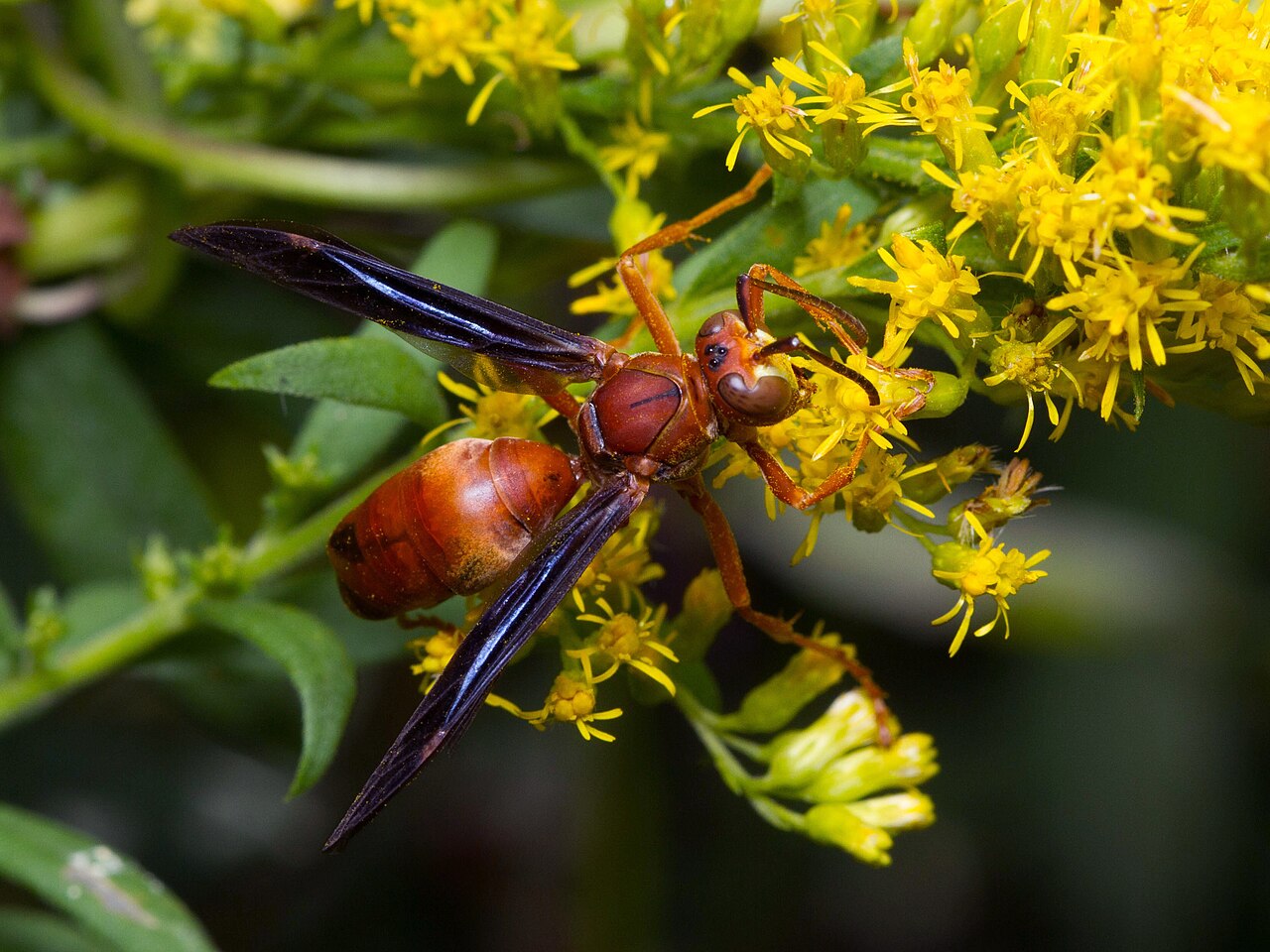
The most common orange wasp around US homes is a paper wasp in the genus Polistes. Red paper wasps (Polistes carolina and Polistes perplexus) have a reddish-orange body and dark, smoky wings. They nest across the South and East, and their open, umbrella-shaped combs hang under porch ceilings, eaves, and shutters.
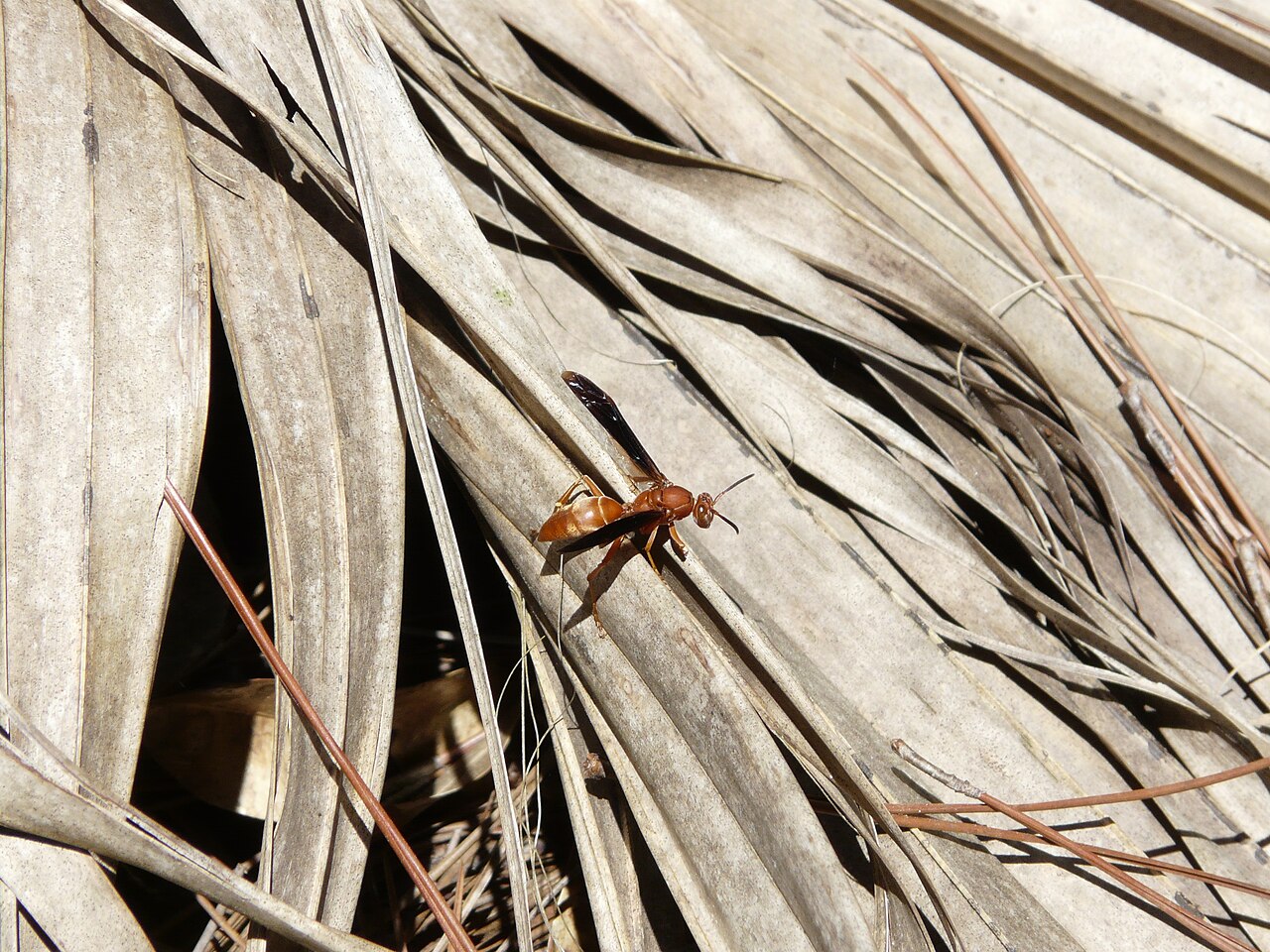
Color shifts by region. Some Polistes in Texas and the Southwest are almost entirely bright orange, and people there call them orange wasps rather than red ones. The ringed paper wasp (Polistes annularis) has a dark body with yellow-orange rings, and it favors branches and structures near water. Red wasps in the darker, maroon form belong to the same genus and share the same habits.
Watch it fly before you get closer. Paper wasps let their long hind legs dangle below the body in flight, a giveaway that yellowjackets and hornets do not share. A slim waist, long antennae, and those trailing legs confirm a paper wasp from several feet away.
Big Orange Wasps: Cicada Killers and Golden Digger Wasps
A big orange wasp digging in your lawn is almost always a cicada killer or a great golden digger wasp. The eastern cicada killer (Sphecius speciosus) has a rusty orange head and thorax and a black abdomen with pale yellow bands. The great golden digger wasp (Sphex ichneumoneus) reverses the pattern, with a dark thorax covered in golden hairs, orange legs, and an abdomen that is orange at the front and black at the rear.
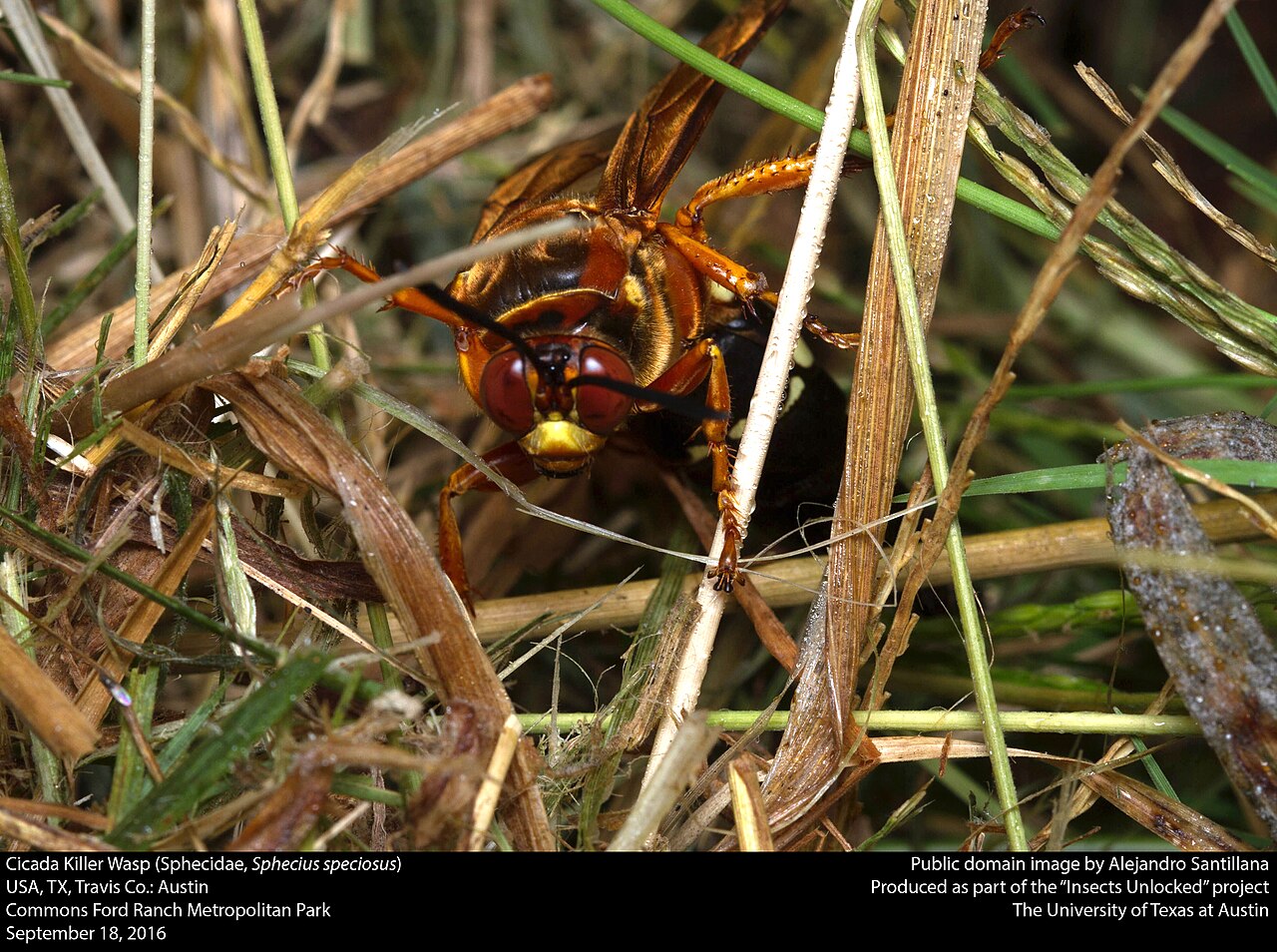
Both are solitary and dig burrows in bare, sandy soil during summer. Cicada killers stock each burrow with a paralyzed cicada, and golden diggers drag in katydids and crickets. Neither builds a paper nest or defends a colony, so a lawn full of holes does not mean a hive is nearby.
Male cicada killers patrol the burrows and dive at anyone who walks past. They look aggressive but cannot sting, because only females carry a stinger, and females sting only when grabbed or stepped on. Black and yellow wasps such as yellowjackets reach only about half an inch, while a female cicada killer grows to about 1.5 inches.
Black Wasps With Orange Wings or Antennae
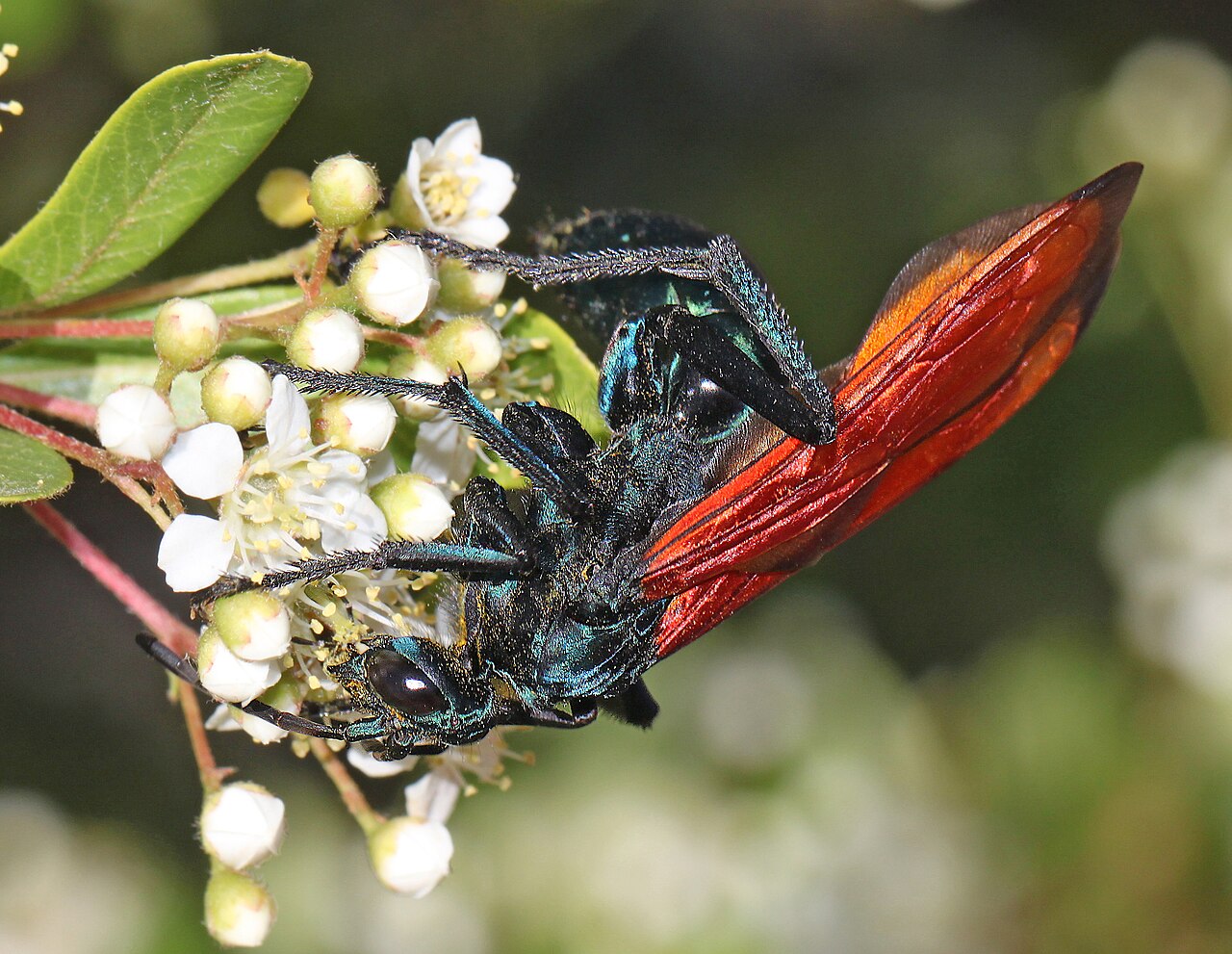
A black wasp with bright orange wings or antennae is a spider wasp from the family Pompilidae. Tarantula hawks (Pepsis and Hemipepsis) have a blue-black body and bright orange wings and live mainly in the Southwest. They feed on flowers such as milkweed by day and hunt tarantulas to feed their larvae.
Smaller spider wasps carry the orange elsewhere on the body. Entypus fulvicornis, common in the East, is black with bright orange antennae that it flicks constantly while it searches for spiders. The rusty spider wasp (Tachypompilus ferrugineus) is rust-orange all over and drags paralyzed spiders backward across the ground toward its nest.
Black wasps of this group hunt spiders, not people, yet a tarantula hawk sting ranks among the most painful of any insect.
Slender Orange Wasps at Your Porch Light
A slender orange insect at your porch light at night is an ichneumon wasp, and Ophion and Enicospilus are the common genera. These wasps are orange from head to tip, with long antennae and a thin, curved abdomen that makes them look fragile. They fly to lights and windows at night through the warmer months, and timing varies by region.
Braconid wasps in the subfamily Rogadinae are tiny relatives, usually under 8 mm, and many are yellow-brown to orange. Their larvae grow inside caterpillars and turn them into stiff, hardened “mummies” that cling to leaves and stems. A mummified caterpillar on a garden plant means one of these wasps has already done pest control for you.
Grab one and a female may jab with her egg-laying tube, which can cause mild discomfort. The risk is low. Open the door and let them out.
Orange Wasp or Hornet? Lookalikes That Fool People
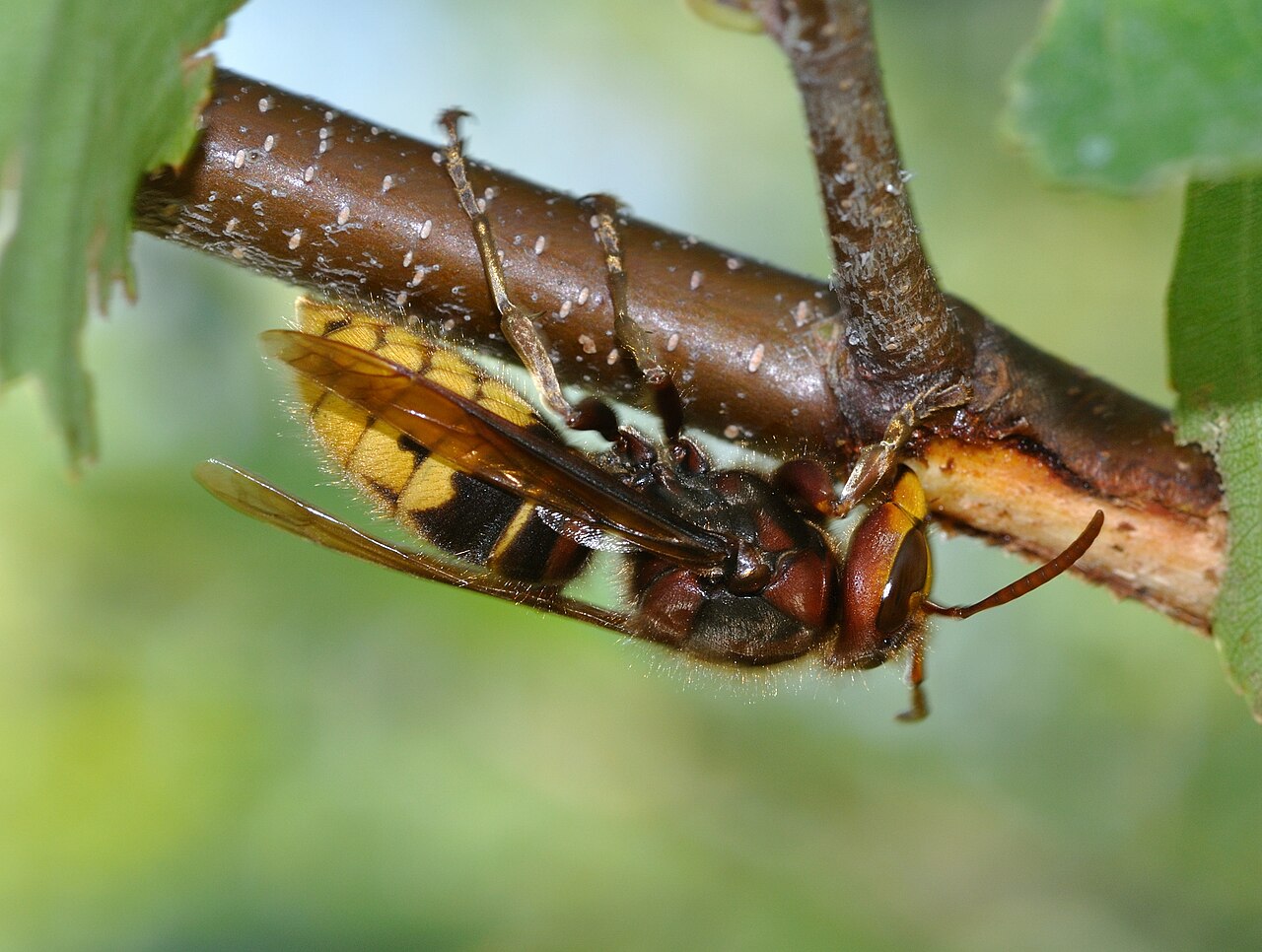
Most “orange hornets” are paper wasps or cicada killers, because the only true hornet widely established in the US is the European hornet (Vespa crabro). It is brown and yellow, with a brown head and thorax and a yellow abdomen with brown bands, and it is larger and stockier than any paper wasp.
The northern giant hornet (Vespa mandarinia) has a bright orange head. Check a suspected sighting against USDA APHIS identification material before you assume the worst, and report real suspects to your state department of agriculture. Hornets and wasps differ in size, head width, and nest style far more than in color.
Several orange insects are not what they seem. Female velvet ants (family Mutillidae) are fuzzy, wingless, and red-orange. They are true wasps with a strong sting. Males have wings. Clearwing moths and hover flies copy wasp colors but have short antennae, no pinched waist, and no stinger. A narrow waist plus long antennae means wasp. Big eyes and two wings mean fly.
| Feature | Red paper wasp | European hornet | Cicada killer | Velvet ant |
|---|---|---|---|---|
| Nest site | Open paper comb under eaves | Hollow trees, wall voids, attics | Burrows in sandy soil | No nest, enters burrows of other insects |
| Colony or solitary | Colony | Colony | Solitary | Solitary |
| Active at night | No | Yes, comes to lights | No | Some species |
| Wings | Yes | Yes | Yes | Females wingless |
| Sting risk for people | Near the nest | Near the nest | Females only, if handled | If handled or stepped on |
Are Orange Wasps Aggressive?
Orange wasps are aggressive only near a nest, and only the social species have a nest to defend. Red paper wasps and European hornets sting when someone bumps, shakes, or lingers close to their comb. Away from the nest, a foraging paper wasp lands, drinks, and leaves.
Solitary hunters behave differently. Cicada killers, golden diggers, spider wasps, and ichneumons sting only when grabbed, trapped in clothing, or stepped on barefoot. A lawn full of digger wasp burrows is safe to walk across in shoes.
Colonies grow over the summer, and late summer brings the most workers and the most defensive behavior. Avoid crushing a wasp near its nest. A crushed social wasp releases an alarm scent that draws more defenders, so step back slowly instead.
Orange Wasp Sting: Symptoms and What Helps
An orange wasp sting causes sharp pain, redness, and swelling at the site, and for most people the reaction fades within a day. Wash the area with soap and water first. Then hold a cold pack on it to slow the swelling.
An oral antihistamine or hydrocortisone cream eases itching and swelling. A sting on the hand swells more than people expect, so remove rings right away.
Call 911 for swelling of the throat or face, wheezing, dizziness, or hives spreading across the body. These are signs of anaphylaxis, and they can appear within minutes. Anyone with a past severe reaction should carry prescribed epinephrine and use it at the first sign of trouble.
How to Keep Orange Wasps Away From Your House
Prevention works best in spring, when a paper wasp nest holds a single queen and a few cells. Check eaves, porch ceilings, grills, and shutters every week or two. A nest the size of a coin is far easier to remove than one the size of a dinner plate in August.
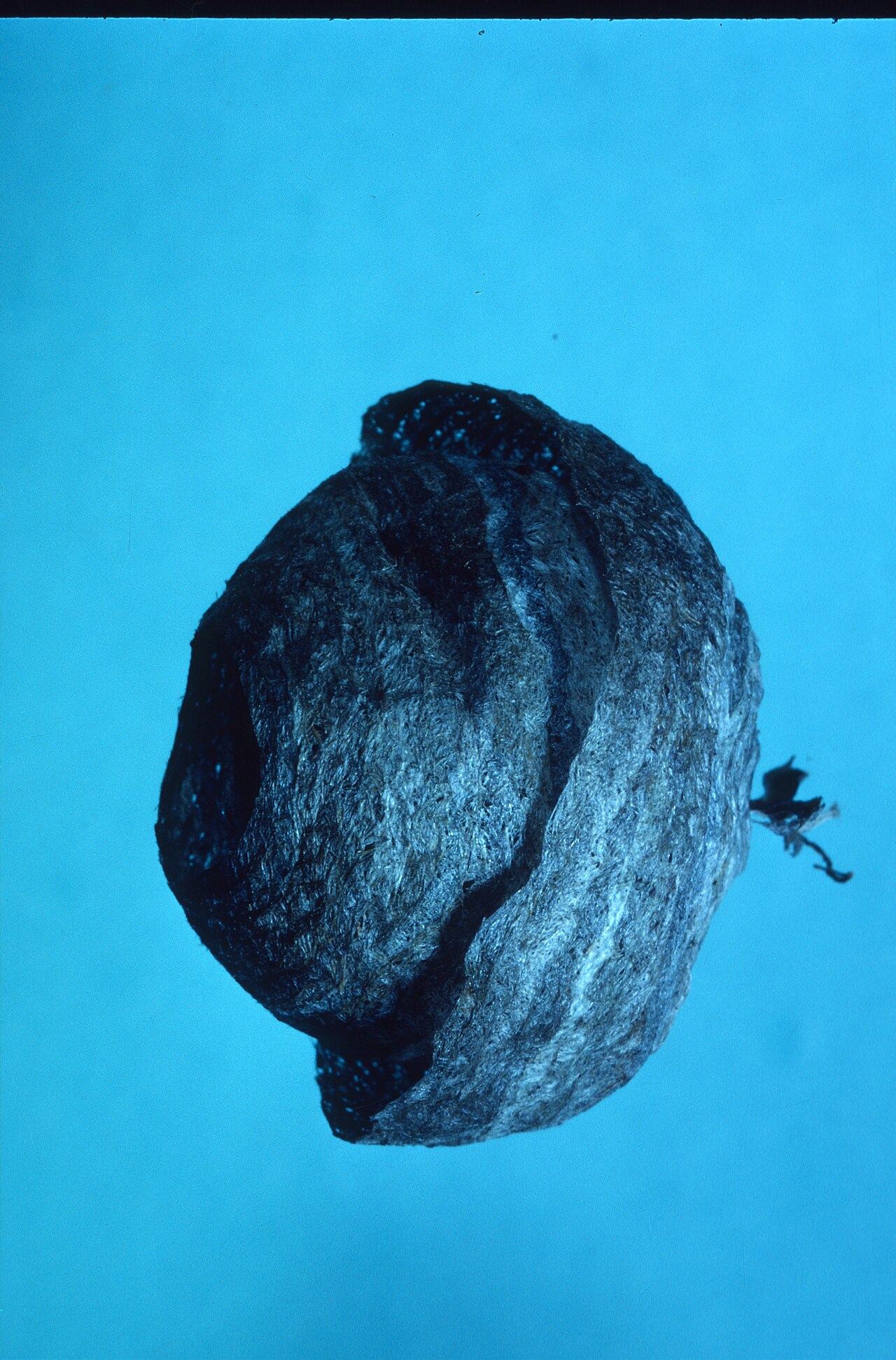
Seal gaps in siding, soffits, and vents in winter or early spring, before nests start. Never plug the entrance of an active wall nest, because trapped hornets and yellowjackets chew through drywall into the house. Cover sugary drinks and keep trash bins closed outdoors. Hornet nests and wasp nests need different handling, so confirm the builder before treating anything.
Leave solitary ground wasps alone. Thick, watered turf discourages new cicada killer burrows, and the adults die off by early fall. Spray a small paper wasp nest at dusk, when the wasps are inside, with a labeled wasp and hornet aerosol that reaches up to 20 ft, then knock the empty comb down with a pole the next day. Utah State University Extension describes the biology and control of social wasps in its guide to yellowjackets, hornets, and paper wasps. Hire a professional for large, high, or hidden nests, or if anyone in the house is allergic.
Frequently Asked Questions
Are there Japanese hornets in America?
No, not as an established species. The northern giant hornet (Vespa mandarinia), formerly called the Asian giant hornet and including the Japanese giant hornet, was recorded only in northwest Washington. USDA and Washington State declared the hornet eradicated from the US in December 2024, after crews destroyed four nests near Blaine.
What are the key differences between paper wasps and mud daubers?
Mud daubers build tube nests from mud and have a thread-thin waist, while paper wasps build open paper combs. Mud daubers are solitary and rarely sting, even when their nests are disturbed. Paper wasps live in colonies and defend the comb, so they are the bigger concern near doors.
Will a wasp chase you if you run?
Yes, if you are close to a disturbed nest. Social wasps such as yellowjackets and hornets can follow an intruder for roughly 50 to 100 ft, sometimes farther, and paper wasps usually break off sooner. Cover your head and face with your arms or shirt while you move away, and get inside a building or car.
What’s the worst wasp to be stung by?
The tarantula hawk. Its sting scores 4, the top level of the Schmidt sting pain index, while the velvet ant scores 3, yet the worst pain from a tarantula hawk fades within about 5 minutes.
What wasp is more aggressive?
Yellowjackets, not orange wasps. Yellowjacket colonies reach thousands of workers by late summer and defend ground and wall nests in numbers, while a red paper wasp comb holds far fewer wasps and is defended only at close range.
Sources