Birds That Look Like Hawks: Identification Guide
Birds that look like hawks include falcons, owls, vultures, the osprey, the northern harrier, kites, and even the loggerhead shrike, a songbird that behaves like a small raptor. Many birds share the general silhouette or hunting behavior of hawks, leading to frequent confusion. This guide covers the birds most often mistaken for hawks, how to tell them apart, and the key features that distinguish true hawks.
| Bird | Why It Looks Like a Hawk |
|---|---|
| Falcons | Bird of prey, pointed wings |
| Owls | Hooked bill, talons, predator |
| Vultures | Large, soaring, broad wings |
| Osprey | Raptor, hovers over water |
| Northern Harrier | Actually a hawk, low flight |
| Mississippi Kite | Graceful raptor, gray |
| Loggerhead Shrike | Songbird that hunts like a raptor |
| Merlin | Small falcon, fast flight |
Birds most often mistaken for hawks are falcons, the osprey, the northern harrier, kites, vultures, large owls and the loggerhead shrike. True hawks have broad rounded wings, a fanned tail and a soaring flight; falcons have pointed wings and fast, flicking wingbeats.
Birds Commonly Mistaken for Hawks
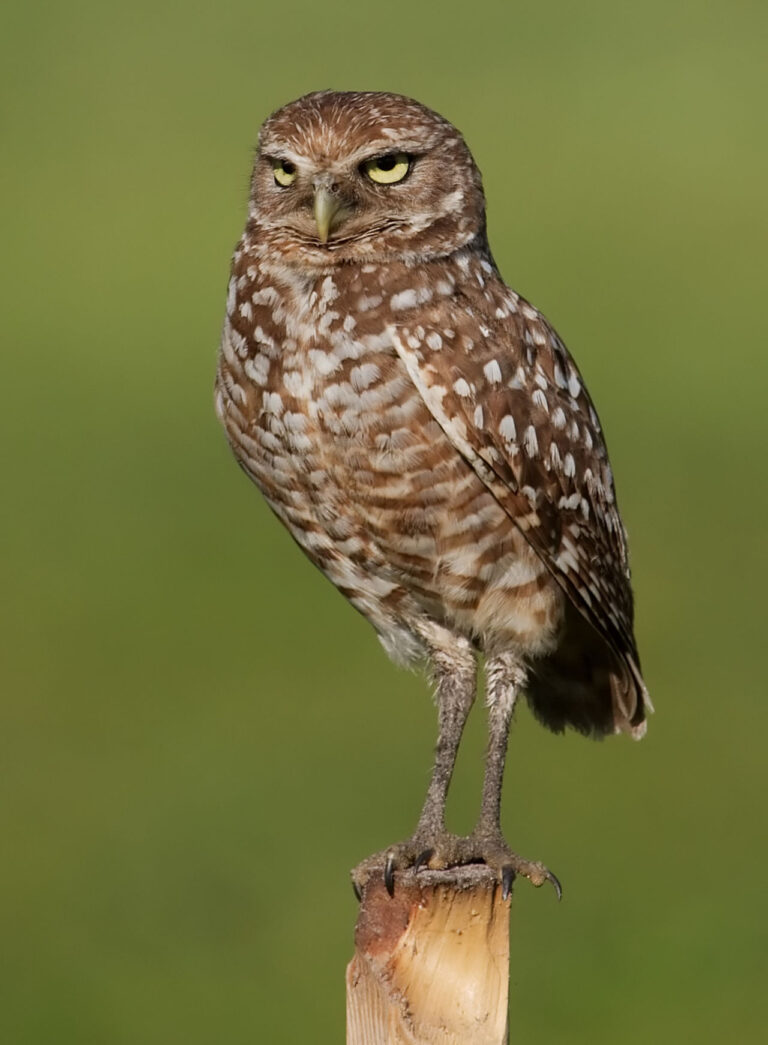
Many birds are mistaken for hawks because they share a predatory look, a soaring flight, or a similar silhouette. The most common sources of confusion are other birds of prey. Falcons, such as the American kestrel, merlin, and peregrine falcon, are raptors with hooked bills and talons that are often called hawks, though they have longer, more pointed wings. Owls share the hooked bill and talons of hawks but are mostly nocturnal. Vultures are large soaring birds that can resemble hawks at a distance, and the osprey is a fish-eating raptor sometimes confused with hawks. The northern harrier is actually a type of hawk but is often not recognized as one because of its low, tilting flight and owl-like face. Kites, like the Mississippi kite, are graceful raptors, and even the loggerhead shrike, a songbird, hunts like a small raptor. This variety of hawk-like birds is worth sorting out, starting with the true hawks in our guide to types of hawks.
Other Birds of Prey That Resemble Hawks
The birds most often confused with hawks are other raptors, and knowing them helps. Falcons are perhaps the most frequent source of confusion, since they are birds of prey often loosely called hawks, but they have long, pointed, swept-back wings and a fast, powerful flight, and they are covered in our guide to types of falcons. Owls have the hooked bills and sharp talons of hawks but are mostly active at night, with large heads and forward-facing eyes. Vultures, covered in our guide to types of vultures, are large soaring scavengers that can look like big hawks overhead, though they hold their wings in a V and rock as they soar. The osprey is a large raptor that hovers and dives for fish, showing a white head and underparts. The Mississippi kite and other kites are slender, graceful raptors, and eagles, covered in our guide to types of eagles, are much larger relatives. Each of these raptors can be told from true hawks with attention to shape, flight, and behavior.
How to Tell Hawks From Look-Alikes
Telling true hawks from look-alikes is easier when you focus on wing shape, flight style, and key features. Wing shape is very useful, since hawks in the buteo group have broad, rounded wings for soaring, and accipiter hawks have short rounded wings and long tails, whereas falcons have long, pointed wings, and vultures have very broad wings held in a V. Flight style helps, since hawks soar or flap steadily, falcons fly fast and powerfully, vultures rock and teeter, and the northern harrier flies low with wings raised. Look at the head and bill, since owls have large heads with forward-facing eyes and are active at night, while the osprey shows a white head and a crook in its wings. Size and behavior matter too, since the loggerhead shrike is small and songbird-like despite hunting, and eagles are very large. By focusing on wing shape, flight, head, and behavior, you can distinguish true hawks from the many birds that resemble them, as explored in our guide to types of owls.
Key Features That Distinguish True Hawks
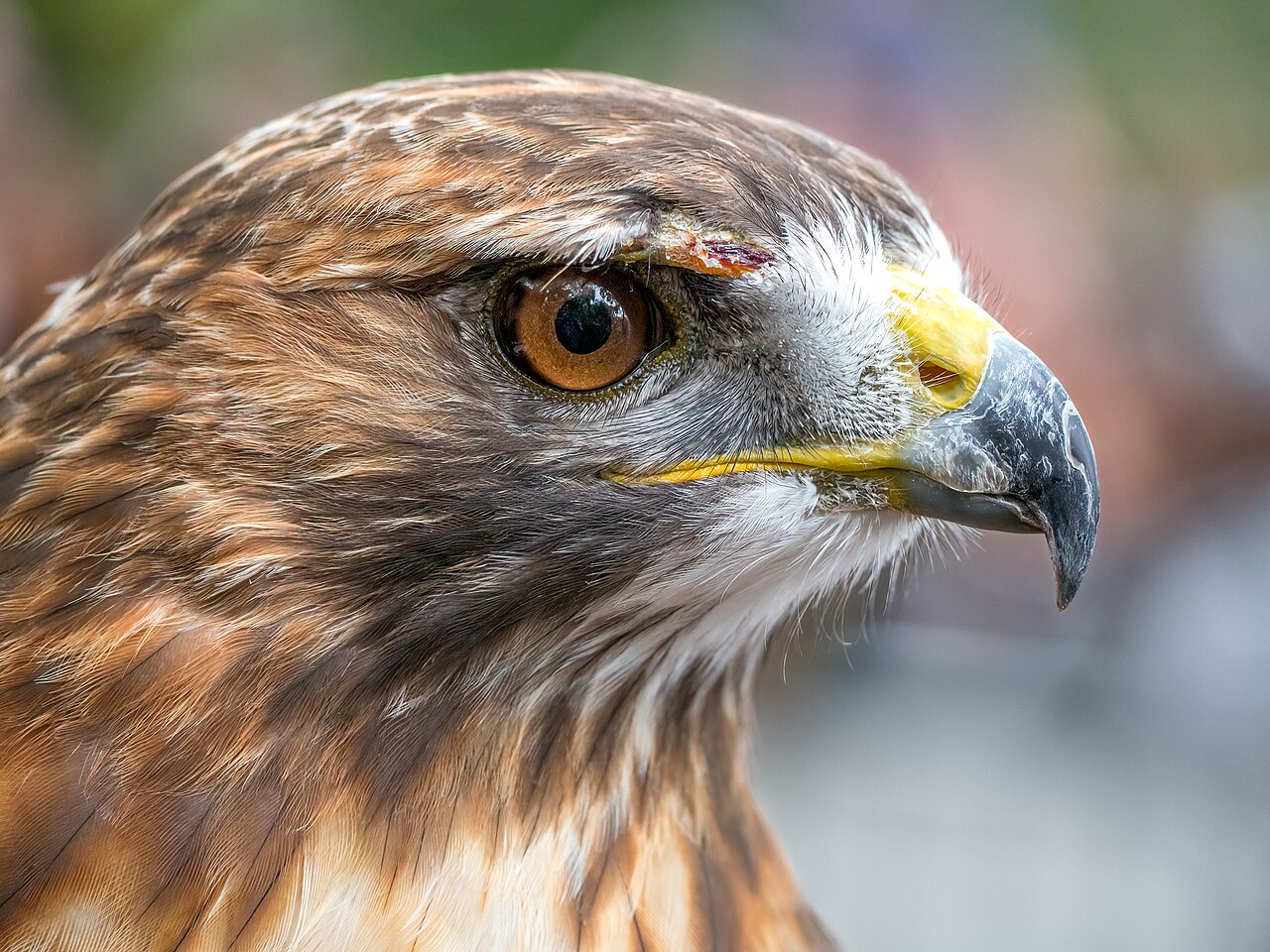
Recognizing the key features of true hawks makes it easier to separate them from look-alikes. True hawks are birds of prey with hooked bills for tearing food, strong feet with sharp talons for catching prey, and keen eyesight. In North America, the birds usually called hawks fall mainly into two groups: the buteos, which are large, broad-winged, broad-tailed hawks like the red-tailed hawk that soar over open country, and the accipiters, which are slimmer hawks with short, rounded wings and long tails, like Cooper’s hawk, built for chasing birds through cover. Hawks are typically active by day, unlike owls, and they lack the long pointed wings of falcons and the V-shaped soaring posture of vultures. They often perch conspicuously on poles, trees, and other high spots while watching for prey. Recognizing these features, the hooked bill, talons, daytime activity, and the broad-winged or long-tailed hawk shapes, helps you confirm a true hawk and separate it from the many hawk-like birds, as reflected in our guide to bird symbolism.
Why So Many Birds Are Mistaken for Hawks
Understanding why so many birds are mistaken for hawks helps clarify the confusion. According to the Cornell Lab of Ornithology, hawks are birds of prey with hooked bills and sharp talons, and they include broad-winged soaring buteos and slimmer, bird-hunting accipiters. Many other birds share one or more hawk-like traits, leading to frequent misidentification. Some, like falcons, owls, and the osprey, are also birds of prey with hooked bills and talons, so they naturally resemble hawks in their predatory build. Others, like vultures, share the large size and soaring flight of hawks when seen at a distance overhead, where details are hard to make out. Still others, like the loggerhead shrike, are not raptors at all but behave in hawk-like ways, hunting and even impaling prey. The general impression of a bird of prey, a soaring silhouette, or hunting behavior can all suggest a hawk, even when the bird is something else. Recognizing these overlapping traits explains the confusion, and careful attention to details resolves it, as explored in our guide to types of hawks. Soaring shape fools people in both directions, and our guide to buzzard vs vulture covers the birds most often mistaken for hawks from above.
Using Silhouette and Flight to Identify Raptors
One of the best ways to sort out hawks and their look-alikes is to study silhouette and flight style, which can identify a bird even at a distance. Broad, rounded wings with a relatively short tail suggest a soaring buteo hawk like the red-tailed hawk, while short rounded wings paired with a long tail indicate an accipiter like Cooper’s hawk, built for chasing birds. Long, pointed, swept-back wings and fast, powerful wingbeats point to a falcon, and very broad wings held in a shallow V, combined with teetering, rocking flight, indicate a vulture rather than a hawk. A crook in the wings and hovering over water suggest an osprey, while low, tilting flight with wings raised over open ground marks the northern harrier. Owls appear large-headed and short-tailed, and are usually seen at night. By learning these silhouettes and flight patterns, you can often identify a distant raptor or look-alike without seeing fine details, a valuable skill for telling hawks from the many birds that resemble them, as reflected in our guide to types of falcons.
Enjoying Raptors and Their Look-Alikes
Learning to tell hawks from their many look-alikes turns raptor watching into a rewarding pursuit. Rather than being frustrated by confusing birds, you can treat each sighting as a chance to notice the details that reveal a bird’s identity, from wing shape and flight style to size, head shape, and behavior. Watching a bird soar overhead and working out whether it is a broad-winged hawk, a pointed-winged falcon, or a V-holding vulture is a satisfying puzzle that improves with practice. Keeping a pair of binoculars handy and taking a moment to observe how a raptor flies and where it perches will steadily build your skill. Over time, many hawk-like birds become easy to recognize at a glance. This growing ability to identify raptors and their look-alikes adds a rich dimension to birdwatching, making every soaring silhouette an opportunity rather than a mystery.
Hawk Identification Chart: Size, Shape and Flight Style
Work a hawk identification in three passes: size against a familiar bird, wing and tail shape in silhouette, then flight style. Those three together will name most raptors before you ever see plumage detail.
For size, use crow-sized as the pivot. Smaller than a crow points to Sharp-shinned Hawk, American Kestrel or Merlin. Crow-sized covers Cooper’s Hawk, Broad-winged Hawk and Peregrine Falcon. Clearly larger than a crow points to Red-tailed Hawk, Red-shouldered Hawk, Northern Harrier, Osprey or a vulture.
For shape, broad rounded wings with a short fanned tail mean a buteo such as the Red-tailed Hawk. Short rounded wings with a long rudder-like tail mean an accipiter such as Cooper’s or Sharp-shinned. Long pointed wings mean a falcon. A shallow V held while rocking means a Turkey Vulture, and a distinct kink in the wing over flat water means Osprey.
Cooper’s Hawk vs Its Look-Alikes
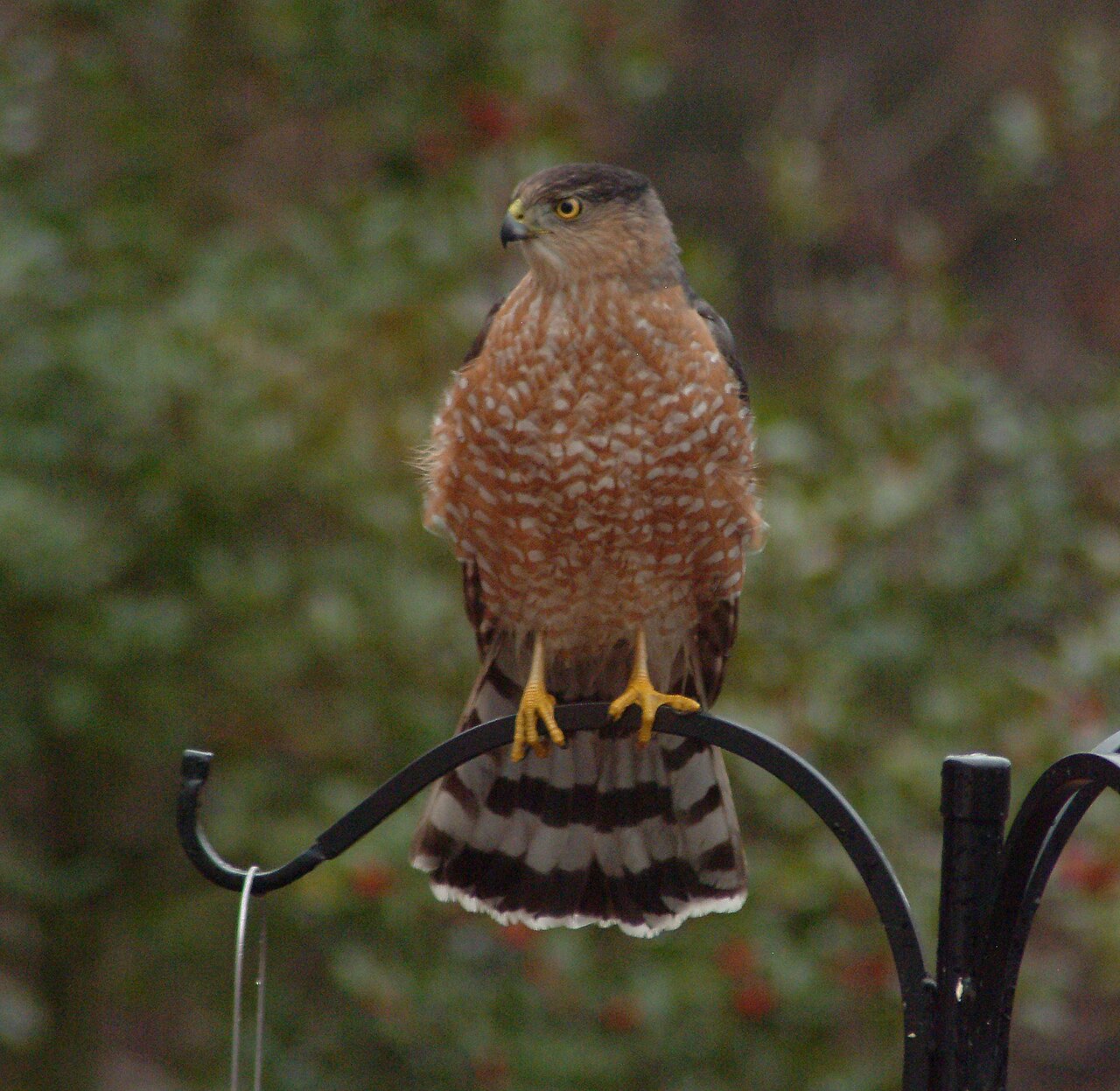
Cooper’s Hawk is the raptor most people actually have in the yard, because it hunts songbirds at feeders. It is crow-sized, with a long tail that is rounded at the tip, a squared-off dark cap that contrasts with a paler nape, and a flight pattern of several stiff flaps followed by a glide.
Its closest confusion is the Sharp-shinned Hawk, which is jay-sized rather than crow-sized, with a shorter squared tail tip, a smaller head that barely projects past the wrists in flight, and no contrasting cap. Juvenile Cooper’s Hawks add a second layer of confusion, since their brown streaked underparts look nothing like the adult’s rusty barring. Audubon’s Cooper’s Hawk account lays out the size overlap between the two species.
Frequently Asked Questions
What birds look like hawks?
Birds often mistaken for hawks include falcons, owls, vultures, the osprey, the northern harrier, kites like the Mississippi kite, and even the loggerhead shrike, a songbird.
What is the difference between a hawk and a falcon?
Falcons have long, pointed wings and fast, powerful flight, while many hawks have broad, rounded wings and soar. Falcons are actually more closely related to parrots.
Is an osprey a hawk?
The osprey is a distinct raptor, not a true hawk, though it is hawk-like. It is a large fish-eating bird of prey that hovers and dives for fish, showing white underparts.
What songbird looks like a small hawk?
The loggerhead shrike is a robin-sized songbird that hunts insects and small animals and impales prey on thorns. Despite its predatory habits, it is not a raptor.
How do you tell a hawk from a vulture?
Vultures are large scavengers that soar with their wings held in a V and rock side to side, while hawks soar on flatter wings and have feathered heads and hunting behavior.
Is a northern harrier a hawk?
Yes, the northern harrier is a type of hawk, though it is often not recognized as one because of its low, tilting flight, owl-like face, and white rump patch.
How do you identify a true hawk?
True hawks have hooked bills, taloned feet, and keen eyesight, are active by day, and show either broad soaring wings like buteos or long tails like accipiters.