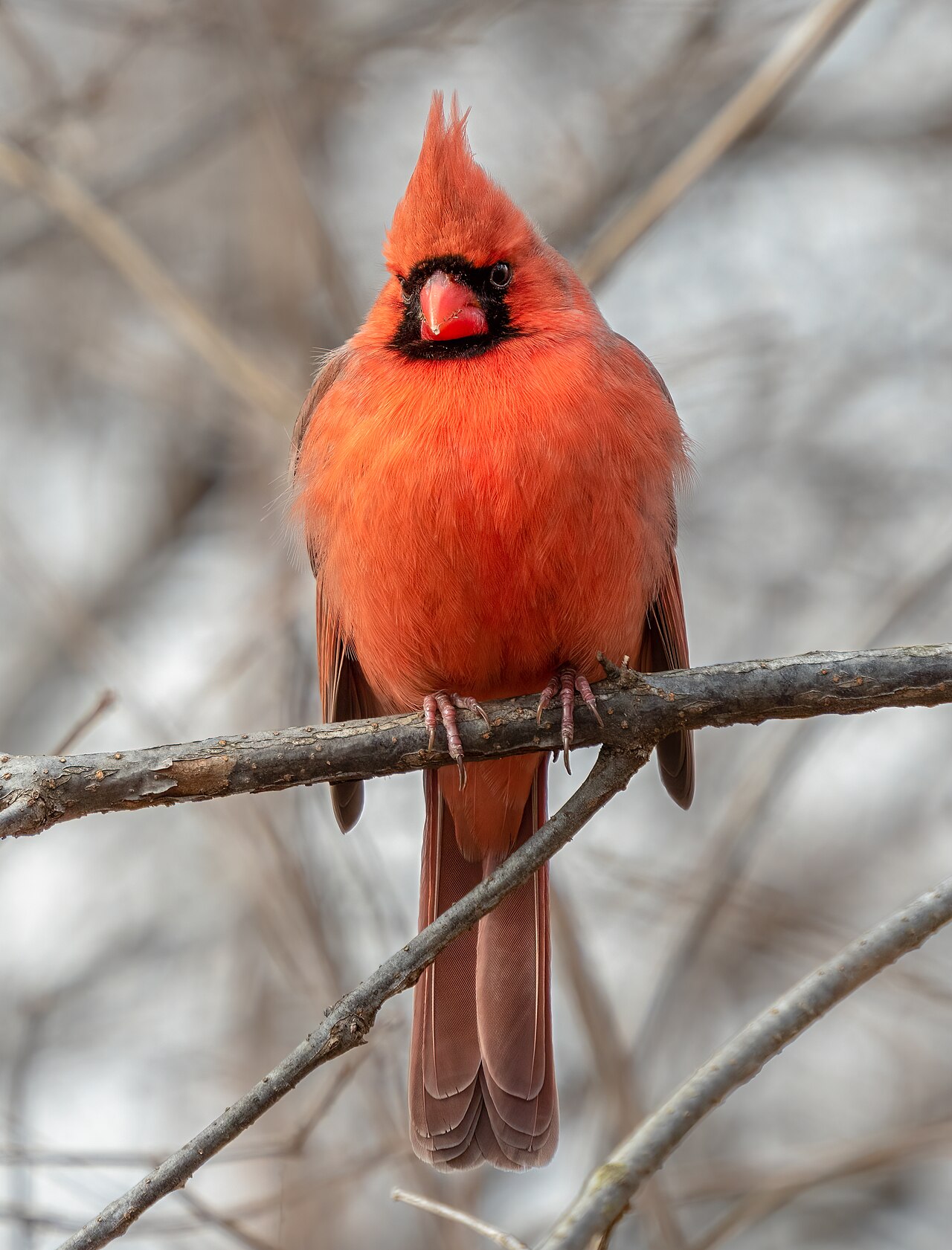
Best Bird Seed for Cardinals
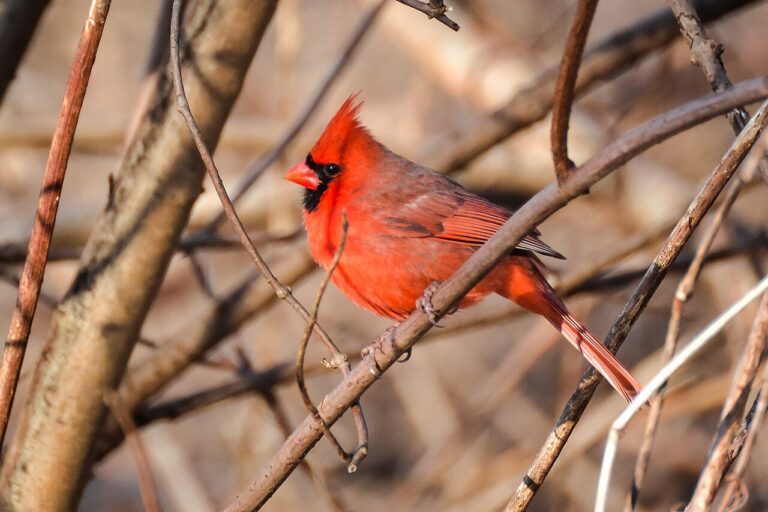
The best bird seed for cardinals is black oil sunflower seed and safflower seed, both of which suit their thick, conical beak and high-fat dietary needs. Safflower has the added benefit of being disliked by squirrels and most grackles, so it tends to stay in the feeder for the cardinals it was bought for. Cracked corn and white proso millet work well as supporting seeds scattered on a platform feeder, since cardinals often feed at ground level or from a wide, flat surface rather than a hanging tube.
| Seed Type | Cardinal Preference | Squirrel Resistance |
|---|---|---|
| Black oil sunflower | Excellent | Low |
| Safflower | Excellent | High |
| Striped sunflower | Good | Low |
| White proso millet | Fair (ground feeding) | Medium |
| Cracked corn | Fair (ground feeding) | Low |
| Nyjer (thistle) | Poor, beak too large for ports | High |
Why Black Oil Sunflower Is the Top Choice
Black oil sunflower seed consistently ranks as the top pick for cardinals because its thin shell is easy to crack with their powerful conical beak, and its high fat and oil content delivers more energy per seed than thicker-shelled striped sunflower. Cardinals are non-migratory in most of the US, which means they need reliable, energy-dense food through winter much like the birds covered in our guide to what cardinals eat, and black oil sunflower supplies exactly that. It also happens to be one of the least expensive seed types by volume, making it practical for feeding cardinals year-round rather than as an occasional treat. A platform feeder or a hopper feeder with a wide perch works best, since cardinals are heavier than finches and often feel unstable clinging to a small tube-feeder perch.
Why Safflower Deserves a Second Feeder
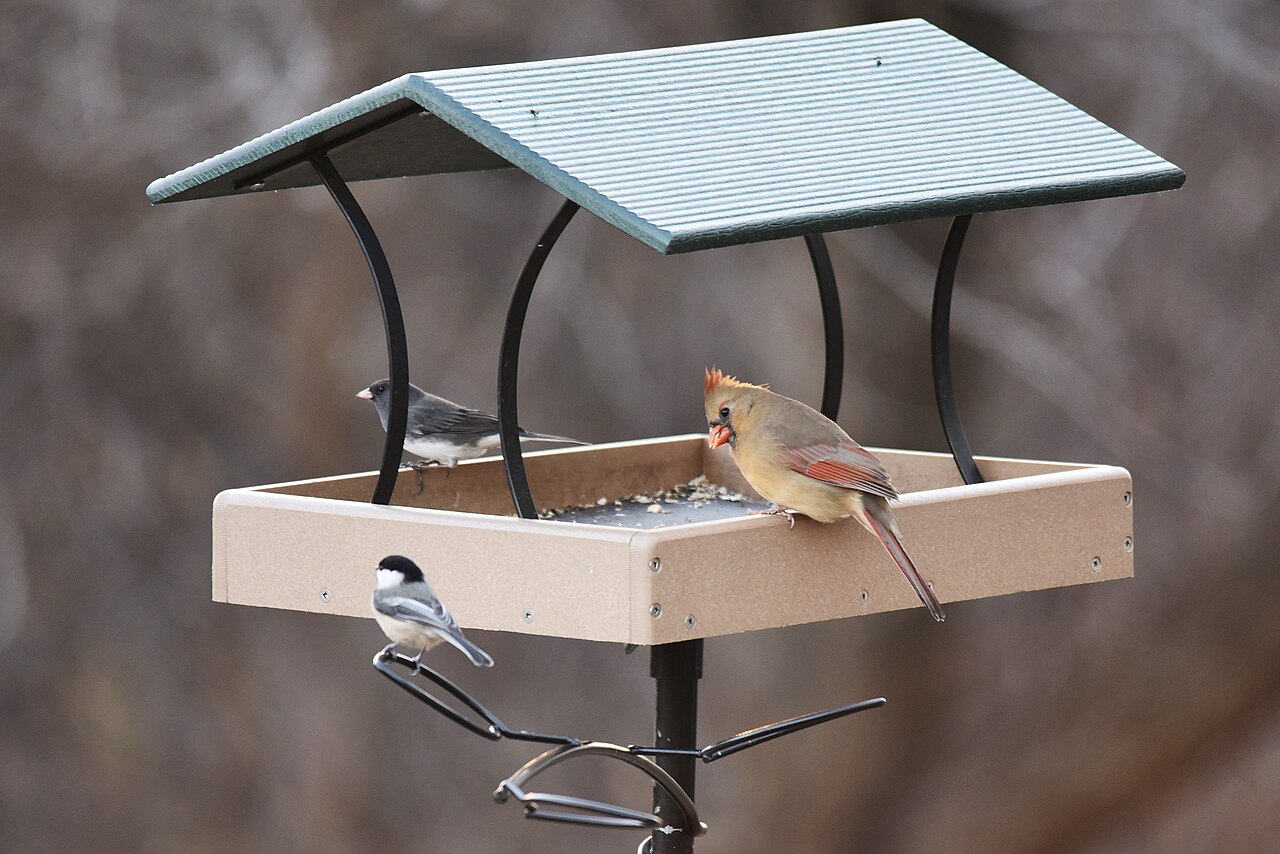
Safflower seed has a bitter taste that squirrels, starlings, and grackles tend to avoid, while cardinals eat it readily, which makes it one of the most effective ways to feed cardinals without also feeding every other visitor in the yard. Running one feeder with black oil sunflower and a second with safflower lets a yard offer variety while cutting down on squirrel raids and blackbird flocks crowding out the cardinals. Safflower is slightly more expensive per pound than sunflower, but many backyard birders find the reduction in competition from unwanted visitors, including starlings and house sparrows, well worth the added cost over a full feeding season. According to Audubon, cardinals are one of the most reliable safflower feeders among common backyard species, alongside chickadees and native sparrows.
Feeding Cardinals and Blue Jays Together
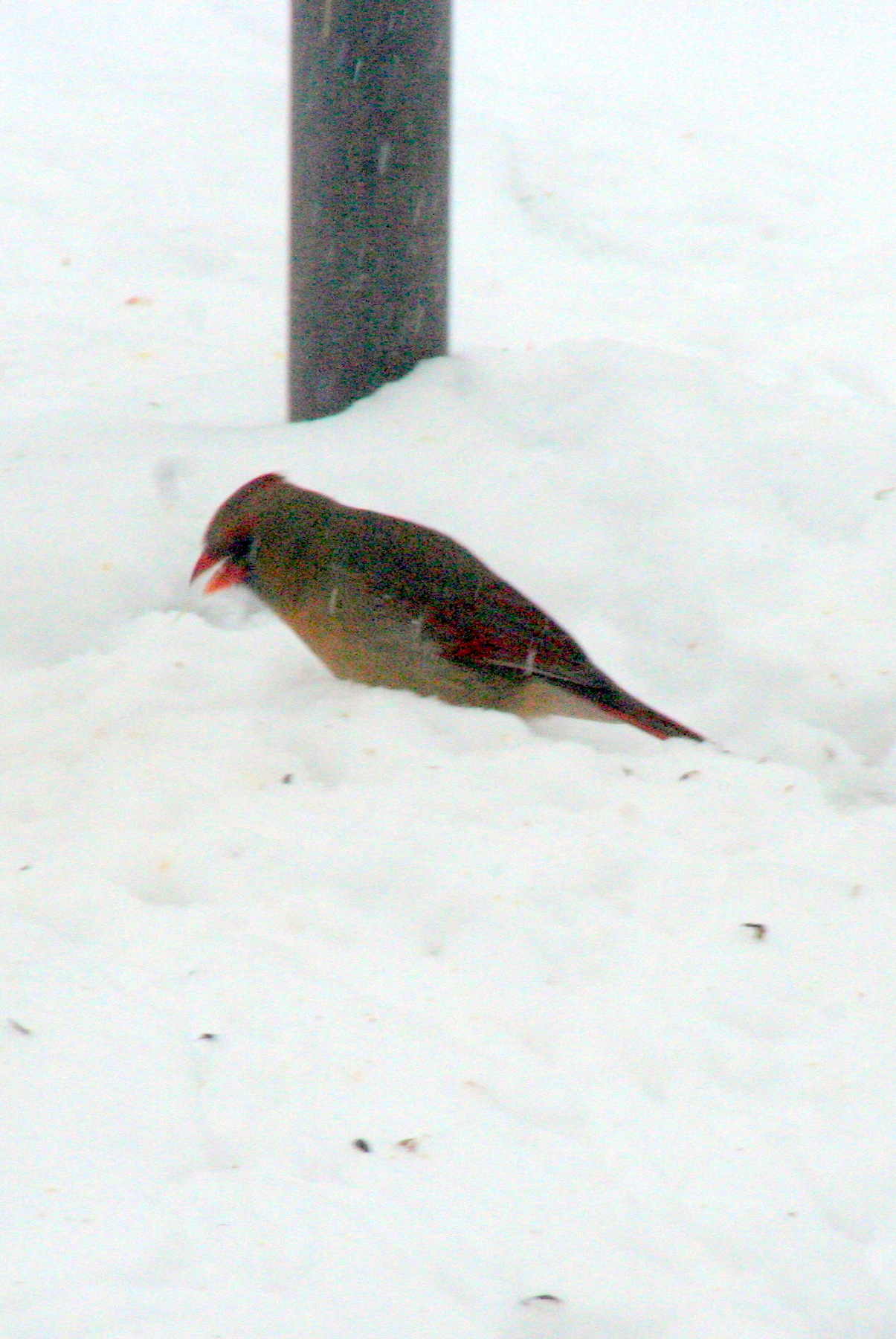
Black oil sunflower and cracked corn on a sturdy platform feeder satisfy both cardinals and blue jays at once, since both species are large-bodied seed eaters that prefer a wide feeding surface over a small tube-feeder perch. Peanuts in the shell are a strong secondary draw for jays specifically, and cardinals will occasionally take them too, though sunflower remains their primary preference. A single well-stocked platform feeder positioned a few feet from shrub cover, which gives both species a quick escape route from hawks, tends to outperform several smaller feeders scattered around a yard; see our best bird seed guide for the full lineup beyond cardinals and jays. Both species are also loud, vocal feeders that tend to announce a food source to each other, so a platform that draws one often draws the other within a day or two once word, in the form of calls and visible activity, spreads through the local flock.
Seed Types to Avoid or Limit
Nyjer, often sold as thistle seed, is a poor match for cardinals because their thick beak is not built for the tiny mesh ports that nyjer feeders require, so that seed and feeder combination mainly benefits finches instead. Cheap mixed birdseed loaded with milo, wheat, and red millet fillers is generally picked over and left to rot on the ground, since most desirable species, cardinals included, sort through it for the sunflower and toss the rest. Bread, table scraps, and salted nuts should never substitute for real seed, since they provide little nutrition and can cause digestive problems. Spending slightly more on straight black oil sunflower or safflower, rather than a discount mix, both feeds cardinals better and produces less wasted, moldering seed underneath the feeder, a lesson that applies just as much to the other species covered in our cardinal species guide.
How Feeder Placement Affects Seed Choice
Cardinals feel most secure feeding within a few seconds’ flight of dense shrubs or a hedge, so a platform or hopper feeder loaded with sunflower or safflower works best when placed near that kind of cover rather than out in the open. A feeder set too far from cover often sees cardinals feed briefly at dawn and dusk only, when they feel safest, rather than throughout the day. Keeping the feeding area within about ten feet of shrubs or a brush pile, combined with sunflower or safflower seed, is one of the most reliable ways to turn occasional cardinal visits into a daily habit. For the full setup beyond seed choice, see our cardinal nesting guide and our broader bird seed guide.
Buying and Storing Seed for Regular Cardinal Visits
Since cardinals are non-migratory and often visit the same feeder daily once they find it, buying black oil sunflower or safflower in larger 20 to 40 pound bags is usually more economical than repeatedly restocking from small bags, provided the seed is stored properly. Seed kept in a sealed metal or thick plastic bin stays fresh far longer than seed left in its paper bag, and it also keeps out rodents and pantry moths that thrive on exposed grain. According to the Cornell Lab of Ornithology, seed that smells musty, looks discolored, or shows visible mold should be discarded rather than offered, since spoiled seed can make birds sick and often goes untouched anyway, drawing rodents instead of cardinals. A cool, dry storage spot, out of direct sun and away from ground moisture, keeps a large bag of sunflower or safflower usable for months rather than weeks.
Common Mistakes When Feeding Cardinals
The most frequent mistake is choosing a feeder style that ignores how cardinals actually feed. A narrow tube feeder with small perches, built with finches in mind, forces a cardinal to feed awkwardly or skip the feeder entirely in favor of ground-scattered seed below it. A second common mistake is filling a feeder with a cheap mixed seed heavy in milo, wheat, and red millet, ingredients cardinals largely ignore, which means the bag empties from waste and rot rather than from cardinals actually eating it. Placing a feeder in a wide-open lawn, far from any shrub or hedge, is a third mistake, since cardinals feel exposed to hawks in open ground and will often abandon an otherwise well-stocked feeder in favor of a less convenient but safer spot nearby. Finally, letting seed sit wet after rain without a roof or baffle invites mold, which cardinals, like most birds, will avoid entirely once they detect it. Correcting any one of these four issues, feeder style, seed quality, placement, and moisture protection, is usually enough to turn a quiet feeder into a reliable cardinal stop.
Related reading: Suet for Birds.
Frequently Asked Questions
What is the single best seed for cardinals?
Black oil sunflower seed is the single best all-around choice, since its thin shell and high fat content match a cardinal’s beak strength and energy needs better than any other common feeder seed.
Do cardinals prefer safflower or sunflower?
Cardinals eat both readily, but safflower has the practical advantage of being avoided by squirrels and many blackbirds, so more of it reaches the cardinals it was bought for.
What seed keeps squirrels away from cardinal feeders?
Safflower seed is the most effective seed-based deterrent, since its bitter taste discourages squirrels while cardinals continue to eat it without issue.
Will cardinals eat from a tube feeder?
Rarely by choice. Cardinals are heavier, ground and low-perch feeders that generally prefer a platform or hopper feeder with a wide perch over a narrow tube feeder built for finches.
Is cracked corn good for cardinals?
Cracked corn is a reasonable supplementary ground-feeding option for cardinals but should not replace sunflower or safflower as their primary seed, since it offers less fat and overall nutrition.
How much seed do cardinals eat per day?
A single cardinal eats roughly a quarter to a third of an ounce of seed per day, though a resident pair or family group visiting a reliable feeder will consume noticeably more, especially in winter when energy demands rise and natural food is scarce.
Should I feed cardinals year-round?
Yes. Cardinals do not migrate across most of the US, so a consistent, year-round supply of black oil sunflower or safflower helps resident pairs through winter scarcity and the demanding spring breeding season alike.