Can Chickens Eat Apples? Seeds, Cores, and Safe Amounts
Chickens can eat apples, and most flocks are enthusiastic about them. The flesh and skin are safe and nutritious, and a whole apple hung in the run makes one of the better enrichment items available. The only part worth thinking about is the seeds, which contain a compound that releases cyanide when crushed.
That risk is real but far smaller than the internet suggests. A chicken would need to eat a large quantity of thoroughly crushed seeds to be affected, and birds normally swallow apple pips whole so they pass through intact. This guide covers what is actually safe, the seed question in proper proportion, green and crab apples, how much to feed, and why windfall apples under a tree deserve more caution than the seeds ever will.
| Part or Form | Safe for Chickens? |
|---|---|
| Apple flesh and skin | Yes, in moderation |
| Apple core | Yes, seeds are a minor concern in normal amounts |
| Apple seeds in quantity | Avoid deliberately feeding large amounts |
| Green and crab apples | Yes, though more acidic and less appealing |
| Rotten or fermenting windfalls | No, mold and alcohol risk |
| Serving guide | Half an apple per 4 birds, 2 to 3 times weekly |
Yes, chickens can eat apples, including the peel and core, as an occasional treat. Apple seeds contain amygdalin, but a hen would need to eat dozens of crushed seeds at once for the cyanide to matter. Crab apples are safe in small amounts; skip large quantities of juicing pomace and any fermented or moldy windfalls.
Can Chickens Eat Apples Safely?
Yes. Apple flesh and skin contain nothing harmful to poultry, and chickens will work at an apple with obvious enjoyment, pecking it apart over an extended period. Apples are roughly 86 percent water, which makes them a useful hot-weather treat, and they supply vitamin C, potassium, and a meaningful amount of pectin.
Pectin is the interesting component nutritionally. It is a soluble fiber that ferments in the hindgut and supports beneficial gut bacteria, and it is the same compound that makes apples a traditional remedy for mild digestive upset in other species. The quantities involved in a treat are modest, but the effect is real.
The framework that governs every treat applies here too. Complete layer feed should make up about 90 percent of daily intake, supplying the 16 to 18 percent protein and the calcium a hen needs to build a shell every day, with all treats combined limited to the remaining tenth. Extension poultry programs including Penn State Extension are consistent on that ratio, because a formulated ration only works if the birds actually eat enough of it. Apples fit comfortably inside that allowance, and the same reasoning appears in our guide to whether chickens can eat grapes.
Apple Seeds and Cyanide: The Real Risk
Apple seeds contain amygdalin, a cyanogenic glycoside that releases hydrogen cyanide when the seed coat is broken and the compound is metabolized. This is a genuine chemical fact, and it is the source of most anxiety about feeding apples to chickens.
The dose is what changes the picture. An apple contains roughly 5 to 8 seeds, each holding a very small amount of amygdalin, and the seed coat is hard enough that intact seeds pass through the digestive tract without releasing anything at all. A chicken swallowing pips whole absorbs essentially nothing, and even crushed seeds would need to be consumed in quantities far beyond what a bird encounters incidentally.
The sensible position sits between the two extremes online. Do not deliberately collect and feed large quantities of apple seeds or the seed-rich cores of many apples at once, and do not process seeds in a blender or food processor along with the flesh, since that releases the compound. An occasional whole apple with its core intact is not a hazard, and no keeper needs to core apples before offering them.
Can Chickens Eat Apple Cores and Peels?
Cores are fine. The core is mostly the same tissue as the rest of the apple with a tougher fibrous center, and chickens pick it apart without difficulty. Given the seed discussion above, an occasional core presents no meaningful risk, though there is no reason to save up cores and offer a dozen at once.
Peels are fine as well and carry a good share of the fruit’s fiber and antioxidants. The one consideration is pesticide residue, since apples are among the crops most commonly treated, and peels retain more residue than flesh. Washing the fruit before offering it addresses this, and organic apples remove the question.
Size matters more than the part. Cut apples into pieces small enough to swallow comfortably, roughly 0.5 in, or offer them whole and let the flock work at them. What causes problems is a piece large enough to bolt but too large to pass, and bantams and young birds need proportionally smaller pieces than standard hens. Make sure grit is always available, since the gizzard needs it to grind fibrous material.
Green Apples, Crab Apples, and Other Varieties
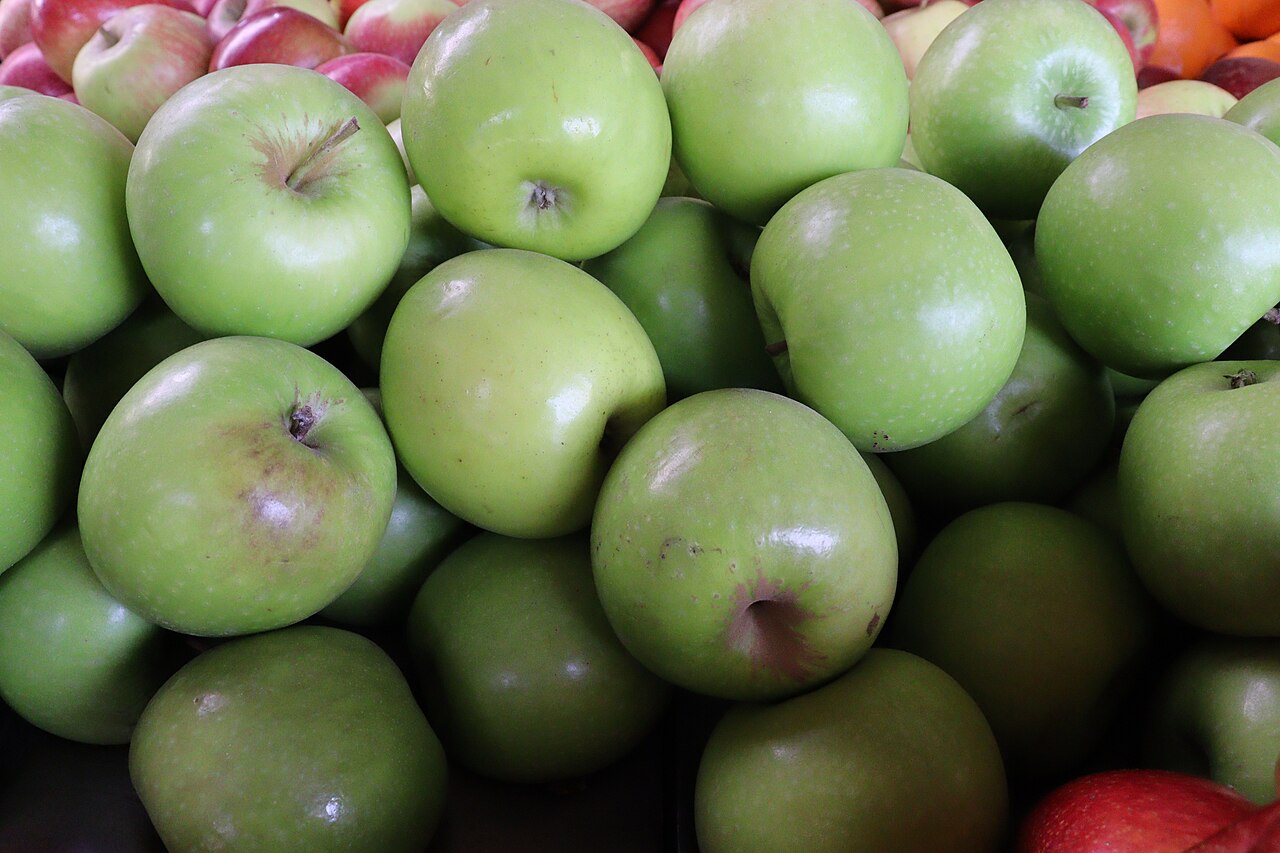
Variety makes little practical difference. Green apples such as Granny Smith are more acidic and less sweet than red varieties, and some flocks show less interest in them, but they are entirely safe. The lower sugar content is arguably a small advantage.
Crab apples are safe too, with the same caveats. They are small, tart, and seedy relative to their size, which means a bird eating several consumes proportionally more seed material than it would from a single large apple. Feed them in moderation rather than letting a flock gorge under a heavily fruiting crab apple tree.
Unripe apples of any variety are more acidic and can cause loose droppings in quantity, without being toxic in the way that unripe tomatoes are. That distinction is worth drawing clearly, since the two questions get conflated: green tomatoes contain genuinely toxic glycoalkaloids, while green apples are simply sour. Our guide to whether chickens can eat tomatoes covers the nightshade side of that comparison.
Cooked, Dried, and Processed Apples
Plain cooked apple is fine in small amounts, and baked or stewed apple with no added sugar, butter, or spice can go to the flock. Cooking softens the flesh, which suits older birds, though it removes some vitamin C.
Dried apple concentrates the sugar substantially and should be treated as a very occasional item, comparable to candy. Applesauce is usually sweetened and contributes little beyond sugar and water. Apple cider and juice are worse still, delivering concentrated sugar in liquid form with none of the fiber that makes whole fruit worthwhile.
Skip anything with additives. Apple pie filling, caramel apples, and sweetened sauces carry sugar loads and sometimes spices that have no place in a chicken’s diet, and salted or preserved products are worse, since chickens have low salt tolerance relative to their body size. Whole fresh fruit is better than every processed form.
Rotten and Fermented Windfalls
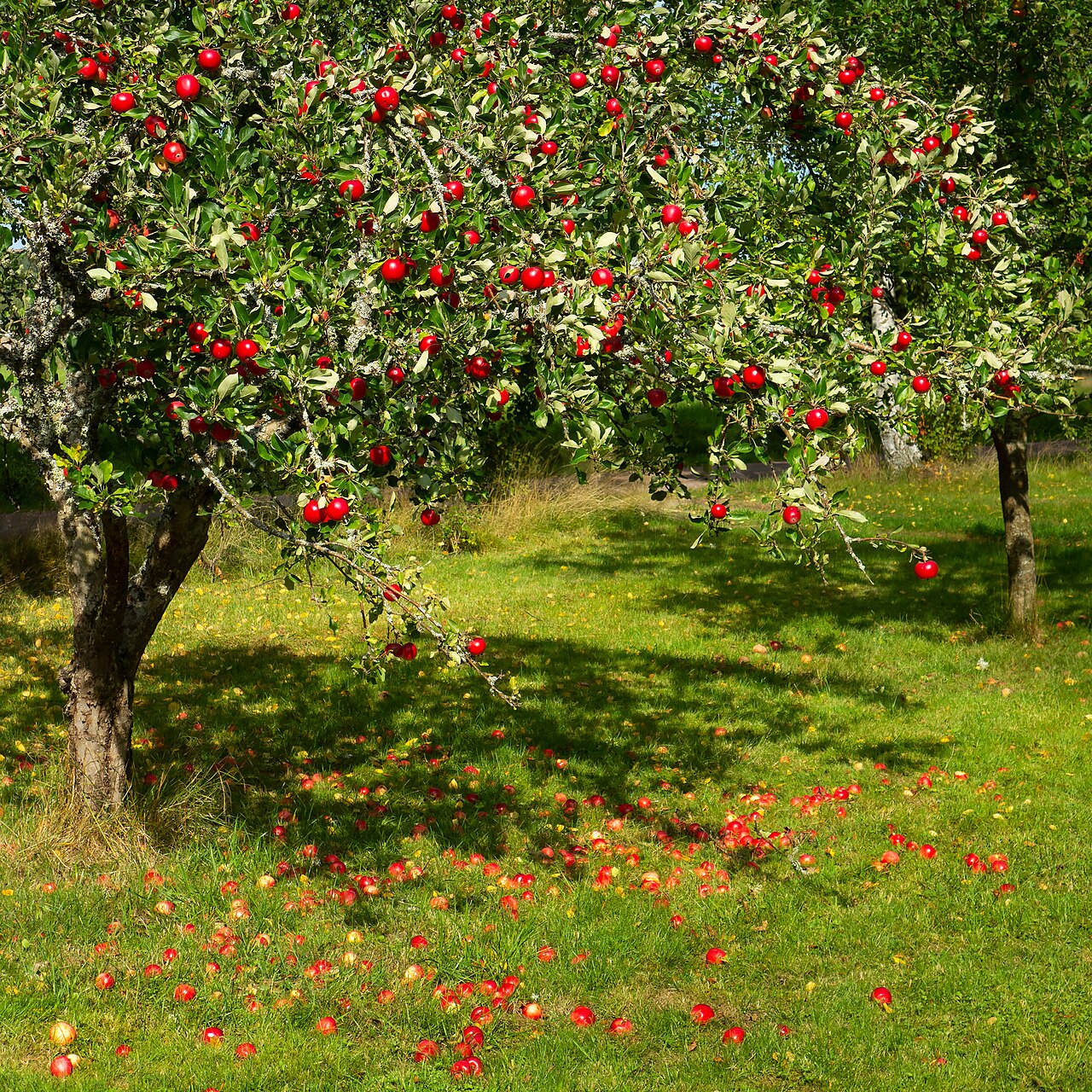
This is the real hazard in the apple question, and it gets far less attention than the seeds. Windfall apples under a tree ferment as they break down, producing alcohol, and birds that eat quantities of fermenting fruit become genuinely intoxicated, showing incoordination, lethargy, and disorientation. Wild birds are documented doing this on fallen fruit every autumn.
Mold is the more serious problem. Rotting apples support fungal growth that can produce mycotoxins, including patulin, and moldy feed and fruit are a well-documented cause of illness in poultry. Mycotoxin exposure damages the liver and immune system and suppresses laying long before a bird looks visibly sick, which is why extension guidance treats moldy feed as a disposal question rather than a judgment call. A bruised apple is fine, a soft one is fine, but anything fuzzy, slimy, or smelling of fermentation belongs in the compost.
Manage the ground rather than the birds. If you have an apple tree in or near the run, pick up drops every day or two during the fruiting season, and fence the tree if the volume is more than you can keep ahead of. Fallen fruit also draws wasps, rodents, and the wildlife described in our guide to what possums eat, so clearing it solves several problems at once.
How Much Apple and How Often
About half an apple shared among four birds, two or three times a week, is a reasonable serving. A whole apple distributed across a flock of six to eight is a full treat allowance for the day, and there is no need to be more precise than that.
The 90/10 rule remains the governing constraint, and it covers all treats together rather than apples alone. Scratch grain, mealworms, kitchen scraps, garden produce, and every fruit count toward the same tenth, which is easy to exceed when you hand out something different each day without tracking the total.
Judge by outputs rather than by measurement. Steady consumption of layer feed and firm normal droppings mean the balance is right. Untouched crumble, persistently loose droppings, or thinning eggshells mean treats are displacing the ration and should be cut back. Keep crushed oyster shell available free choice so hens can regulate calcium independently.
Apples as Flock Enrichment
Whole apples are one of the best enrichment tools available to a keeper, and this is where they earn their place beyond nutrition. Suspend an apple from a string at head height and the flock works at it for an extended period, which occupies birds that would otherwise be idle.
Boredom is a practical welfare problem rather than a sentimental one. Confined flocks with nothing to do develop feather picking, vent picking, and bullying, and these behaviors are difficult to reverse once established. Anything that extends foraging time reduces the risk, and a hanging apple does that better than scattered treats that disappear in seconds.
Frozen apple pieces serve double duty in hot weather, providing both cooling and something to work at during the hours when heat stress is worst. Rotating enrichment items keeps them effective, since a flock habituates to any single item, and the same approach applies across the poultry species covered in our guides to coturnix quail and button quail.
Related reading: can guinea pigs eat apples.
Frequently Asked Questions
Can chickens eat apples?
Yes. Apple flesh and skin are safe and nutritious, supplying water, vitamin C, potassium, and pectin. Serve about half an apple per four birds, two or three times a week, keeping all treats combined under about 10 percent of daily intake.
Are apple seeds poisonous to chickens?
Apple seeds contain amygdalin, which releases cyanide when crushed, but the risk in practice is very small. Chickens swallow pips whole and they pass through intact. Avoid deliberately feeding large quantities of seeds or processed pomace from juicing, which crushes them.
Can chickens eat apple cores?
Yes. The core is largely the same tissue as the rest of the fruit, and an occasional core with its seeds presents no meaningful risk. There is no need to core apples before offering them, though saving up many cores and feeding them at once is best avoided.
Can chickens eat green apples or crab apples?
Yes, both are safe. Green apples are more acidic and less sweet, and some flocks are less interested in them. Crab apples are seedy relative to their size, so feed them in moderation rather than letting birds gorge under a fruiting tree.
Can chickens eat rotten apples that fell from the tree?
No. Fermenting windfalls produce alcohol that intoxicates birds, and rotting fruit supports mold that can generate mycotoxins. Bruised or soft apples are fine, but anything fuzzy, slimy, or smelling of fermentation should go in the compost. Pick up drops every day or two during fruiting season.
How do I serve apples to my chickens?
Cut into pieces about 0.5 in, or hang a whole apple from a string at head height so the flock works at it. The hanging method doubles as enrichment and reduces boredom behaviors like feather picking. Frozen apple pieces help during hot weather.
Can chickens eat applesauce or dried apple?
Only sparingly. Applesauce is usually sweetened and adds little beyond sugar, and dried apple concentrates the sugar substantially. Plain cooked apple with no additives is fine in small amounts. Avoid pie filling, caramel apples, and anything salted or spiced.