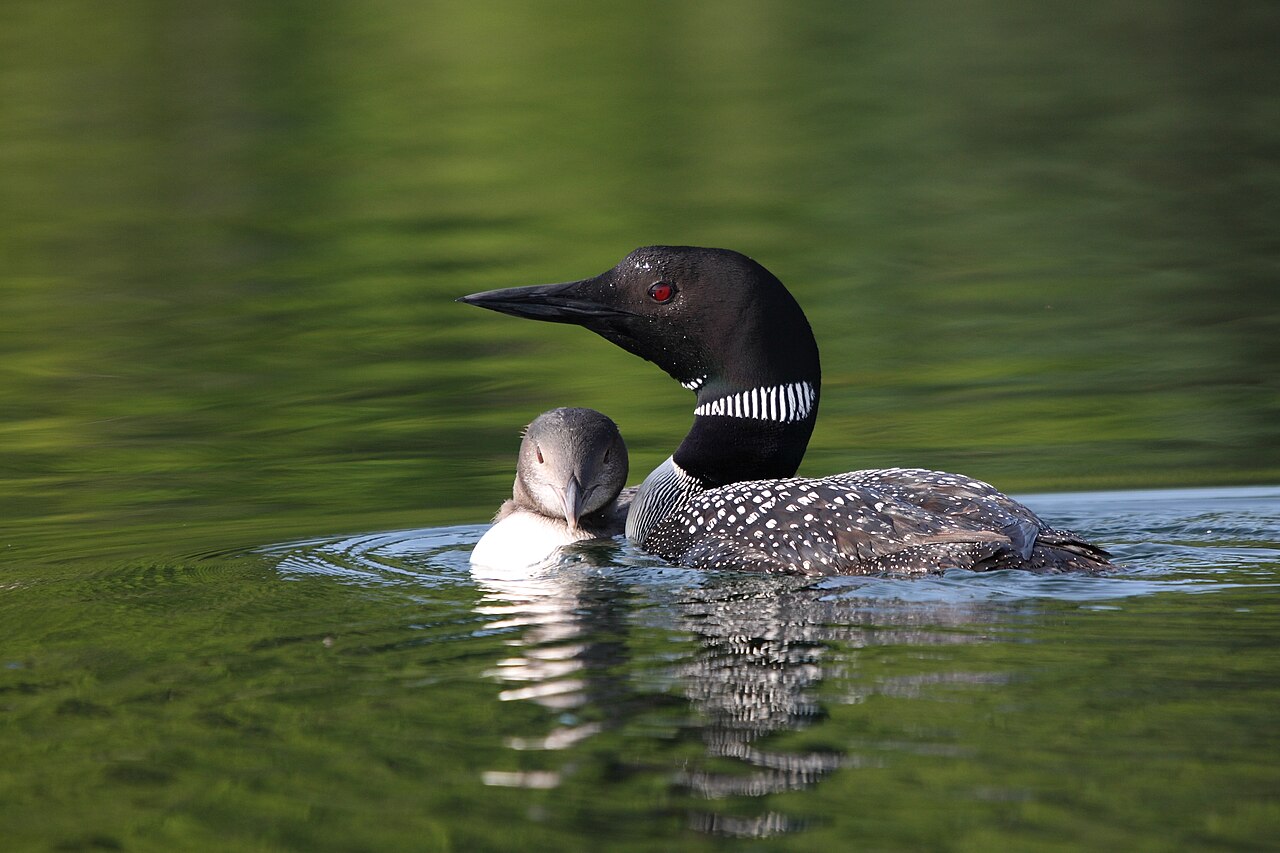
Loon Sounds: The Wail, Tremolo, and Yodel Explained
Loon sounds rank among the most hauntingly beautiful and instantly evocative wildlife calls in North America, with the common loon’s repertoire including a long, mournful wail that carries remarkably far across still lake water, a distinctive tremolo often described as sounding like laughter and typically signaling alarm or agitation, a yodel given exclusively by males during territorial defense, and soft hooting calls used for close-range contact between mates and family members, together creating a vocal range so genuinely distinctive that loon calls have become an iconic auditory symbol of wilderness lakes throughout the northern United States and Canada.
Beyond their sheer beauty and evocative power, each specific loon call serves distinct communicative functions worth understanding, from establishing territory to coordinating with mates to signaling genuine danger, making a working knowledge of this vocal repertoire genuinely useful for anyone spending time on lakes within loon territory who wants to understand what these remarkable birds are actually communicating rather than simply enjoying the sounds without context. This guide covers all four major loon calls in detail, what specifically triggers each one, seasonal calling patterns, and how to distinguish loon sounds from other wildlife calls sometimes confused with them.
| Call | What It Means |
|---|---|
| Wail | Long-distance contact, location, mate communication |
| Tremolo | Alarm, agitation, disturbance (“laughing” call) |
| Yodel | Male territorial defense, only given by males |
| Hoot | Close-range contact between mates/family |
| Peak calling time | Dusk, dawn, and calm nights |
| Peak calling season | Spring through summer breeding season |
The Wail: A Sound That Defines Northern Lakes
The loon’s wail is perhaps the single most recognizable and evocative of all loon calls, a long, mournful, rising-and-falling cry that carries remarkably far across calm lake water, often described using words like haunting, eerie, or beautifully sad by listeners encountering it for the first time, and this particular call has become so strongly associated with wilderness lake settings that it appears constantly in film and television specifically to establish a remote, natural northern setting.
Functionally, the wail serves primarily as a long-distance contact call, used by loons to locate and communicate with their mate or other loons across the considerable distances common on the larger lakes this species typically inhabits, meaning a wailing loon is generally attempting to establish or maintain contact with another loon somewhere else on the same body of water rather than expressing any particular distress or alarm despite the call’s genuinely mournful acoustic quality to human ears.
Wails often occur in exchanges between mated pairs, with one loon’s wail answered by its partner’s own wail from elsewhere on the lake, a back-and-forth contact pattern that helps pairs maintain awareness of each other’s location even when visual contact is not possible across a large lake surface, particularly valuable during the low-light conditions of dusk and dawn when loons are often most vocally active.
The Tremolo: The “Laughing” Alarm Call
The tremolo is a distinctive, quavering call often described as sounding like laughter, a quality that has led to loon calls sometimes being colloquially referred to as “loon laughter,” though functionally this call typically signals alarm, agitation, or disturbance rather than anything resembling actual mirth, making the tremolo the loon’s primary response to a perceived threat or disruptive presence within its territory.
This alarm-associated tremolo is commonly triggered by boat traffic approaching too closely, human activity near a nest site, the presence of eagles or other potential predators, or territorial intrusion by other loons, meaning hearing this particular call while out on a lake often indicates that your own presence or activity, even if entirely unintentional, may be causing some genuine disturbance to a nearby loon defending its territory or nest.
The tremolo is also notably the only loon call regularly given in flight, distinguishing it functionally from the more water-surface-based wail and yodel calls covered elsewhere in this guide, and a tremolo heard specifically from an airborne loon typically signals the bird’s response to territorial intrusion by another loon rather than the ground-level disturbance triggers, boats or nearby human activity, that more commonly prompt tremolo calls from loons resting on the water surface.
The Yodel: A Male-Only Territorial Announcement
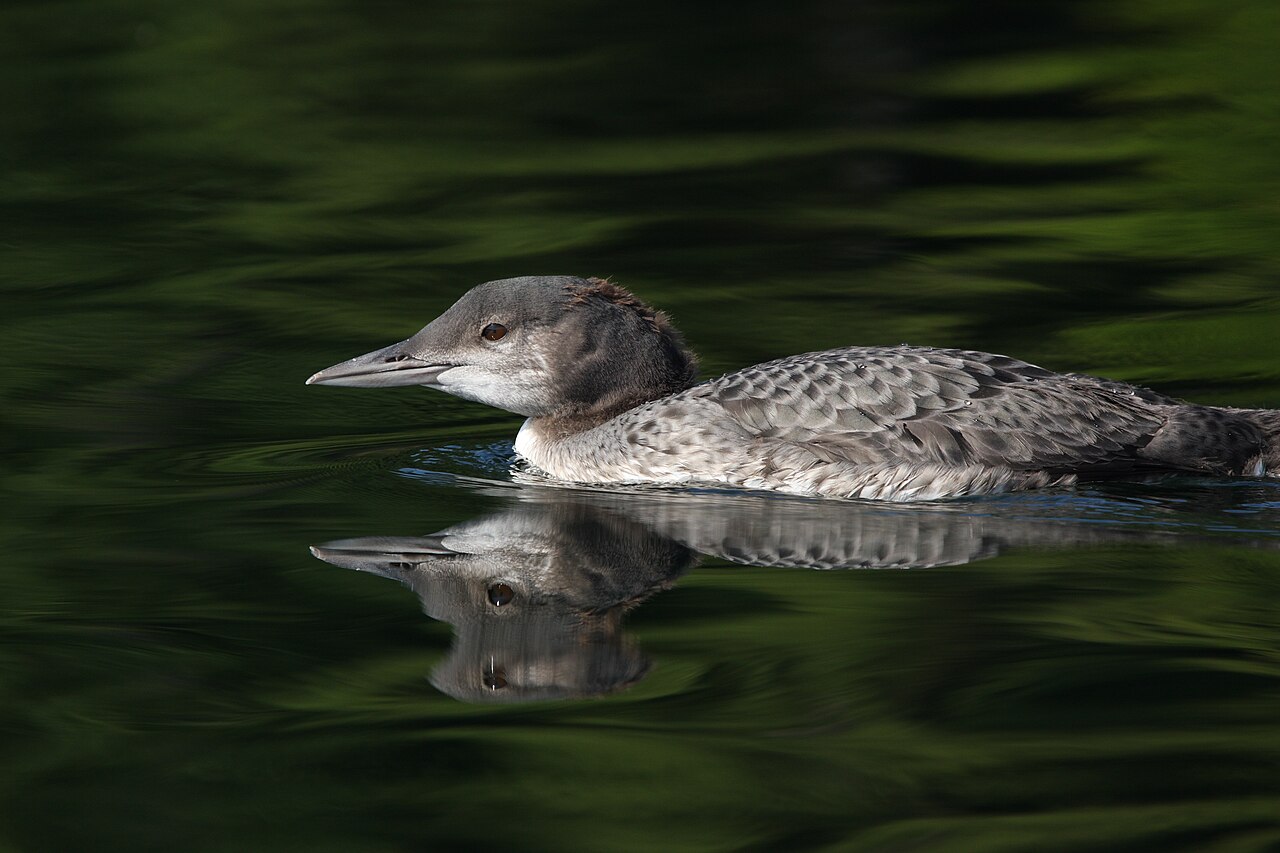
The yodel stands out among loon calls for being given exclusively by male loons, a distinctive, complex call used specifically for territorial defense and announcement, with each individual male loon reportedly possessing his own unique yodel pattern, similar in concept to an individual acoustic signature that other loons, and potentially researchers studying specific individual birds, can use to distinguish one male from another.
Yodeling intensifies notably during direct territorial confrontations, when a resident male loon encounters or perceives a rival male intruding on his established territory, with the yodel serving as both a warning to the intruder and a signal of the resident male’s fitness and resolve to defend his territory, mate, and nest against the perceived competitive threat.
Because yodeling is specifically tied to active territorial defense, hearing this particular call, especially an intensifying or repeated yodel, often indicates genuine territorial tension is currently unfolding on a given lake, potentially between an established resident male and a challenging rival, making the yodel one of the more behaviorally informative loon calls for anyone specifically interested in understanding the social and territorial dynamics playing out among the loons on a particular body of water.
The Hoot: Quiet Family Contact
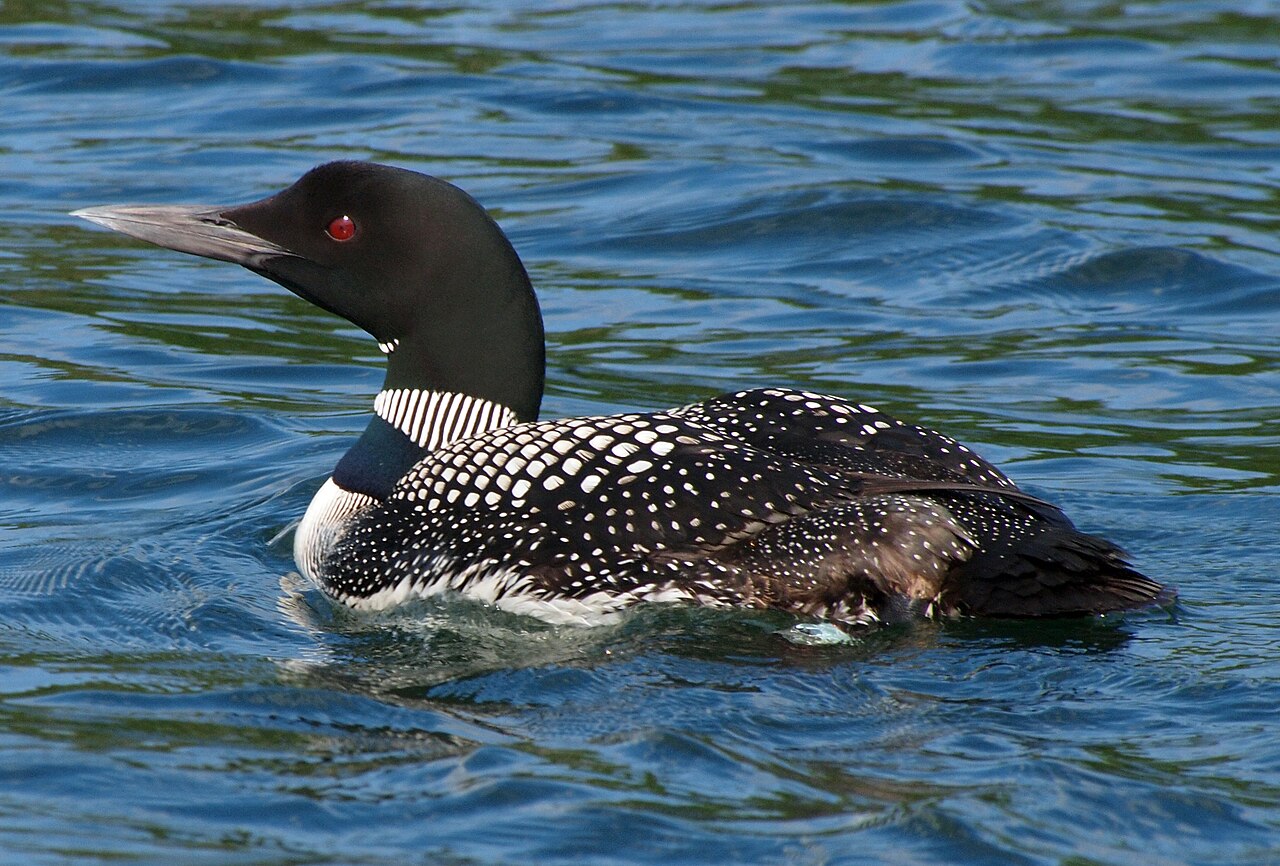
In contrast to the far-carrying wail, alarm-signaling tremolo, and territorial yodel covered above, the hoot is a considerably softer, shorter call used primarily for close-range contact between mated pairs and family members, including between parents and their chicks, serving a more intimate, low-key communicative function compared to the louder, more dramatic calls that typically draw the most human attention and recognition.
This softer contact call helps loon families and pairs maintain coordination and awareness of each other’s immediate location when already in reasonably close proximity, a different communicative need than the long-distance wail serves, and because of its considerably lower volume and less dramatic acoustic quality, the hoot is genuinely less commonly noticed or recognized by casual human observers compared to the more attention-grabbing calls covered in earlier sections of this guide.
Listening specifically for this quieter hoot requires closer proximity to loons than typically needed to hear the far-carrying wail or yodel, making it a genuinely rewarding sound for patient, close observers specifically watching a loon family group rather than something most people passing by at a greater distance are likely to notice or specifically identify without deliberately listening for this particular quieter vocalization.
Seasonal and Daily Calling Patterns
Loon vocal activity concentrates heavily during the spring and summer breeding season, when territorial establishment, mate communication, and family coordination all reach their peak importance, with calling frequency generally declining as the season progresses toward fall migration, when loons shift focus toward preparing for their considerable seasonal movement toward wintering grounds along coastal waters.
Within a given day, loons tend to call most actively during dawn and dusk, along with calm, still nights specifically, since sound carries considerably farther across water under these quieter, more acoustically favorable conditions compared to the greater ambient noise and often choppier water typical of busier daytime hours, particularly on lakes experiencing significant recreational boat traffic during peak daylight periods.
This dawn, dusk, and calm-night calling pattern means visitors specifically hoping to experience loon calls at their most frequent and evocative should plan lake time around these particular periods rather than the middle of a busy summer afternoon, when boat traffic and general daytime activity likely suppress loon vocalization considerably compared to the quieter, more acoustically favorable conditions of early morning, evening, or a calm, undisturbed night.
Loon Species and Regional Variation
The common loon, covered throughout this guide, represents the species most Americans associate with the classic loon call repertoire, though our broader types of loons guide covers several additional loon species found across different regions of North America, each carrying somewhat different specific vocal characteristics and geographic distribution beyond the common loon’s well-documented range and calling behavior.
Regional lake ecosystems supporting loon populations often overlap with other notable wildlife species whose own vocalizations occasionally enter the broader nighttime and dusk soundscape alongside loon calls, including in some regions the more distant possibility of predators like mountain lions or bobcats whose own vocalizations, while genuinely rare to encounter directly, occasionally factor into the broader wilderness lake acoustic environment loon enthusiasts experience during extended time at remote northern lakes.
Understanding loon calls within this broader context of northern wilderness lake soundscapes, including the occasional overlap with more terrestrial wildlife calls like fox vocalizations carrying across water from nearby shoreline areas, helps build a more complete appreciation for the genuinely rich acoustic environment many loon-inhabited lakes provide beyond the loon calls themselves alone.
Loon Sounds vs Other Lake and Wilderness Calls
The loon’s wail and tremolo occasionally get confused with certain owl calls given their similarly haunting, carrying quality across quiet natural settings, though the full range of owl vocalizations generally shows a distinctly different acoustic texture and typically originates from forest edges rather than directly from open lake water, a habitat-based distinction that usually resolves any potential confusion between these two evocative nighttime callers.
Other waterbirds sharing loon habitat produce their own distinct calls that occasionally cause less experienced listeners some initial uncertainty, though the loon’s specific combination of the wailing, tremolo, yodeling, and hooting repertoire covered throughout this guide remains genuinely unique enough, once familiar, to reliably distinguish loon calls from the vocalizations of other common lake and wetland bird species sharing similar northern habitat.
For visitors genuinely uncertain whether a distant call belongs to a loon or another species, the specific acoustic qualities covered throughout this guide, the wail’s long, mournful rise and fall, the tremolo’s laughing quaver, and the yodel’s complex, territorial intensity, generally provide sufficient distinguishing detail to confirm loon identification confidently, particularly once a listener has had the opportunity to hear a genuine loon call for direct comparison against whatever uncertain sound prompted the identification question.
What Loon Sounds Reveal About a Lake
Frequent, varied loon calling across a body of water generally indicates an actively established breeding territory, with the specific mix of calls heard, wails suggesting mate communication, yodels suggesting active male territorial defense, and tremolos suggesting some form of disturbance or agitation, together providing a genuinely informative window into the current social and territorial dynamics unfolding among the loon population present on a given lake.
Increased tremolo calling specifically, particularly if noticeably triggered by your own boat or activity approaching a loon too closely, should generally prompt giving the bird additional space, both as a matter of respectful wildlife viewing practice and because loons, particularly those actively nesting, can be genuinely sensitive to disturbance during the breeding season, with excessive stress potentially affecting nesting success in ways responsible lake visitors generally want to avoid contributing to.
For anyone specifically drawn to the genuine wilderness character loon calls contribute to northern lake environments, learning to distinguish and understand the specific meaning behind each of the four major calls covered throughout this guide transforms simple appreciation of a beautiful sound into a considerably richer understanding of the actual social and territorial lives unfolding among the loons sharing that particular body of water with human visitors.
Related reading: Bald Eagle Sounds.
Related reading: Whip-poor-will Sounds.
Related reading: Carolina Wren Sounds.
Related reading: Killdeer Sounds.
Frequently Asked Questions
What does a loon’s call sound like?
Common loons produce four main calls: a long, mournful wail for long-distance contact, a quavering tremolo often described as laughter and used as an alarm, a complex male-only yodel for territorial defense, and soft hoots for close-range family contact.
Why do loons make a laughing sound?
This call, called a tremolo, typically signals alarm or agitation rather than actual amusement, commonly triggered by boat traffic, human activity near a nest, potential predators, or territorial intrusion by other loons.
Do both male and female loons yodel?
No, the yodel is given exclusively by male loons specifically for territorial defense, with each individual male reportedly possessing his own unique yodel pattern distinguishing him from other males.
When are loons most vocal?
Primarily during the spring and summer breeding season, with daily calling peaking at dawn, dusk, and on calm, still nights when sound carries farthest across quiet water.
Why do loons call at night?
Calm nighttime conditions allow sound to carry exceptionally far across still lake water, making nighttime one of the most acoustically favorable times for loons to communicate with mates and defend territory across considerable distances.
What does it mean if a loon is tremoloing near my boat?
It likely indicates your boat’s presence is causing the loon some disturbance or alarm, and giving the bird additional space is generally the appropriate and respectful response, particularly during the nesting season.
How can I tell loon calls apart from owl calls at night?
Loon calls specifically originate from open water rather than forest edges, and their distinctive wail, tremolo, and yodel qualities differ enough acoustically from typical owl hoots and screeches that habitat context and call texture together usually resolve any confusion.