Baby Cockatiel: Hand-Feeding vs Parent-Raised Chicks
A baby cockatiel is called a chick, hatching blind, featherless, and entirely dependent on both parents, who typically share incubation and feeding duties in a genuinely cooperative arrangement, with chicks fed through regurgitated crop contents delivered by both the male and female parent alternately, a shared parental investment that continues intensively until chicks fledge at around 4 to 5 weeks of age, a notably compressed timeline compared to some larger parrot species that require considerably longer nest-dependent periods.
As one of the most popular pet bird species worldwide, cockatiels raised for the pet trade specifically often undergo hand-feeding by human keepers rather than exclusively parent-rearing, a common practice specifically intended to produce well-socialized, human-comfortable birds suited to life as companion animals, making understanding both natural parent-rearing and the hand-feeding alternative genuinely relevant for anyone interested in cockatiel breeding or considering acquiring a hand-raised chick specifically. This guide covers cockatiel chick hatching and development, the crop-feeding process specifically, hand-feeding versus parent-rearing considerations, and practical care guidance for anyone raising or acquiring a baby cockatiel.
| Fact | Baby Cockatiel (Chick) |
|---|---|
| Name | Chick |
| Clutch size | Typically 4 to 7 eggs |
| Incubation period | About 18 to 21 days |
| Feeding method | Regurgitated crop contents, both parents |
| Fledging age | About 4 to 5 weeks |
| Full independence | Around 8 weeks |
What Is a Baby Cockatiel Called?
Baby cockatiels are called chicks, and breeding pairs typically produce clutches of 4 to 7 eggs, incubated for approximately 18 to 21 days with both parents genuinely sharing incubation duties in alternating shifts, a cooperative arrangement that continues throughout the chick-rearing period rather than falling primarily to one parent, reflecting cockatiels’ broader reputation as attentive, cooperative parents within the parrot family generally.
This shared parental investment extends through the entire nesting cycle, with both male and female cockatiels contributing to feeding once chicks hatch, a genuinely notable example of substantial paternal involvement that some other bird species do not display to the same degree, making cockatiel breeding pairs a particularly cooperative parenting example within the broader parrot family that includes this popular pet species.
Cockatiels nest in cavities, whether natural tree hollows in wild populations or provided nest boxes in captive breeding situations, with the enclosed cavity environment providing protection for the vulnerable, initially featherless chicks during their earliest and most dependent developmental weeks before feathers and greater mobility develop sufficiently for chicks to begin the transition toward eventual fledging.
Hatching and Early Development
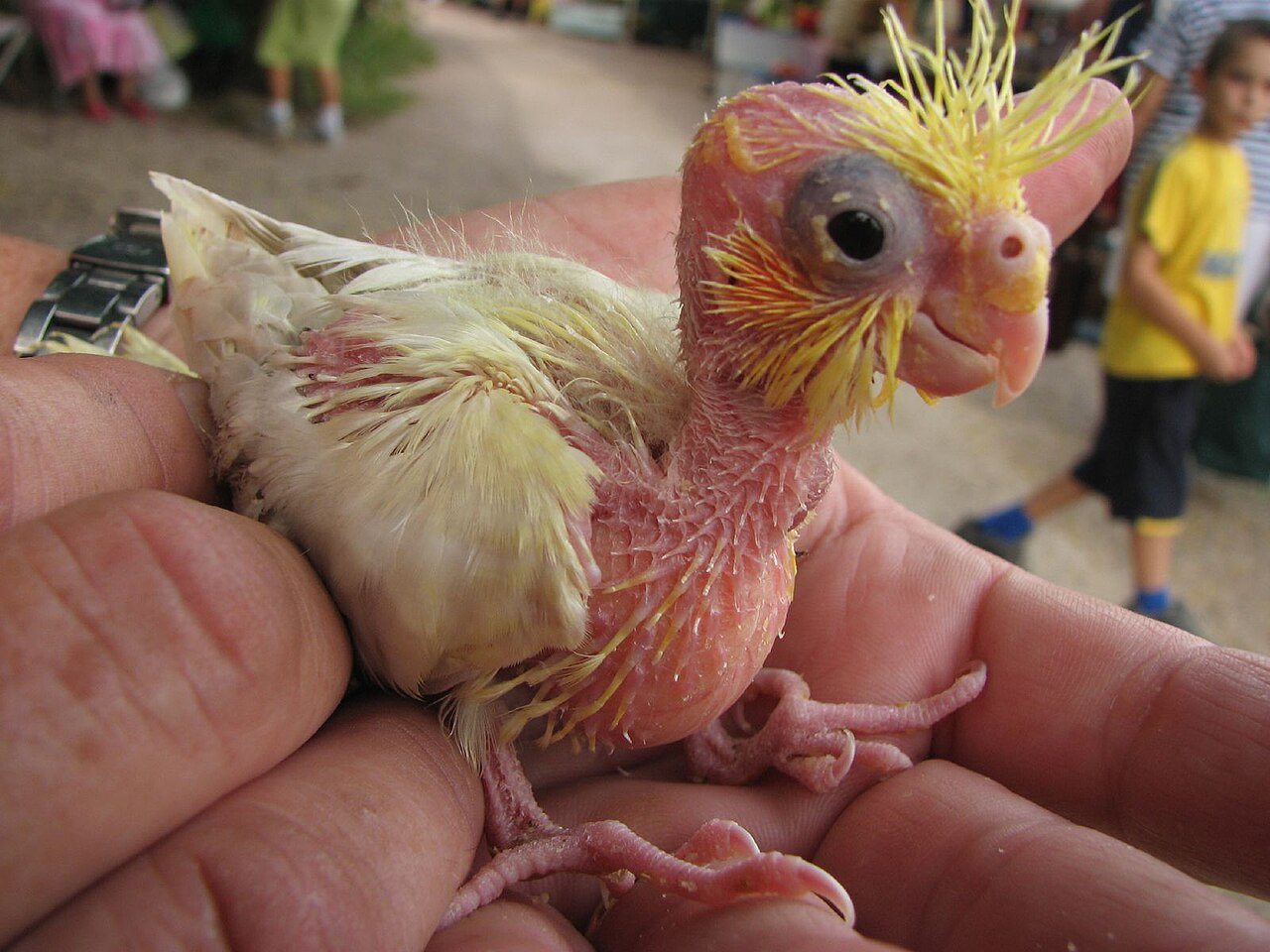
Newly hatched cockatiel chicks emerge blind, featherless, and entirely helpless, requiring constant parental warmth and feeding attention during their earliest days, a genuinely vulnerable start typical of altricial bird species that hatch in this underdeveloped state compared to precocial species that emerge considerably more capable of independent movement and thermoregulation immediately after hatching.
Eyes typically open within the first week to ten days, with downy feather covering beginning to develop shortly after, and chicks gradually become more active and responsive within their nest cavity as these initial developmental milestones progress, though full flight feather development and the coordination needed for actual flight capability take considerably longer to fully develop.
By around 4 to 5 weeks of age, chicks typically fledge, leaving the nest cavity for the first time, though this initial fledging does not represent complete independence, since young cockatiels generally continue receiving some parental feeding support and guidance for a period after this initial nest-leaving milestone before achieving full independent feeding capability around 8 weeks of age.
Crop Feeding: How Cockatiel Parents Feed Their Chicks
Cockatiel parents feed their chicks through regurgitated food from their crop, a specialized storage organ in the digestive tract where consumed food is temporarily held and partially processed before being regurgitated directly to chicks, a feeding method shared broadly across many parrot species and pigeons rather than representing something unique to cockatiels specifically.
This crop-feeding process delivers a genuinely nutrient-dense food source to rapidly growing chicks, with both parents contributing feeding visits throughout the day, and the frequency and volume of feeding gradually adjusting as chicks grow and their nutritional needs shift across the developmental timeline from initial hatching through the eventual fledging and weaning process covered throughout this guide.
Chicks signal hunger through begging behavior, including specific vocalizations and body movements that prompt parental feeding response, a communication system that helps coordinate the considerable feeding effort required to successfully raise a full clutch of rapidly growing chicks through their demanding early developmental weeks before achieving greater independence.
Hand-Feeding: The Pet Trade Alternative
Cockatiels intended specifically for the pet trade are frequently hand-fed by human keepers rather than exclusively parent-raised, a deliberate breeding practice intended to produce chicks that imprint comfortably on human interaction from an early age, generally resulting in tamer, more consistently human-comfortable adult birds better suited to life as companion pets compared to parent-raised chicks that may show less natural comfort with human handling.
Hand-feeding typically begins once chicks reach a certain developmental stage, often removing them from the nest partway through the natural parent-feeding period specifically to begin this human-directed feeding and socialization process, using specialized hand-feeding formula delivered through a syringe or feeding tube at carefully controlled temperatures and intervals matching the chick’s specific developmental needs.
This practice requires genuine expertise and careful technique, since improper hand-feeding, including incorrect formula temperature, feeding technique, or timing, can cause serious harm to a chick, including aspiration injuries or nutritional deficiencies, making hand-feeding something generally best left to experienced breeders rather than attempted by inexperienced keepers without proper training and guidance specifically for this delicate process.
Hand-Raised vs Parent-Raised: What the Difference Means
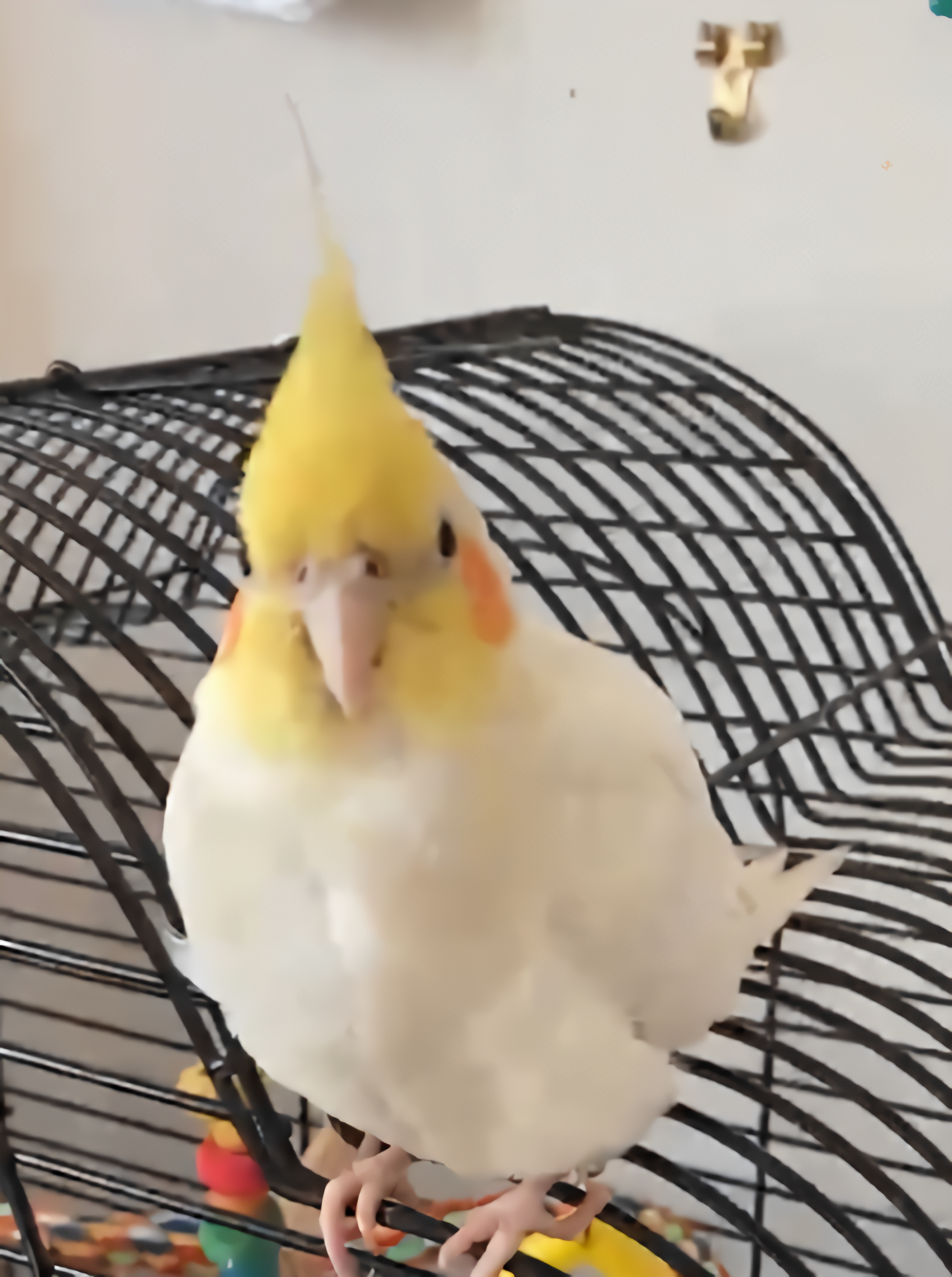
Hand-raised cockatiel chicks generally show greater comfort with human handling and interaction from an early age, making them typically easier for new or less experienced bird keepers to work with directly, since these chicks have been specifically socialized toward human comfort throughout their crucial early developmental period rather than developing primarily around their natural avian parents and any sibling chicks.
Parent-raised chicks, by contrast, may require more patient, gradual socialization once acquired by a human keeper, since these birds have not received the same intensive human-interaction conditioning during their most impressionable early weeks, though parent-raised cockatiels can absolutely still become well-socialized, affectionate companion birds with appropriate patient training and interaction once in a human home environment.
Prospective cockatiel owners specifically prioritizing easier initial handling and socialization often specifically seek hand-raised chicks from reputable breeders, while those interested in supporting more naturalistic breeding practices or willing to invest additional patient socialization effort might genuinely consider parent-raised chicks as an equally valid alternative, with either approach capable of producing genuinely wonderful companion birds given appropriate ongoing care and interaction.
What Baby Cockatiels Eat as They Mature
As chicks approach weaning around 8 weeks of age, they gradually transition from crop-fed or hand-fed formula toward solid foods, typically beginning with softened pellets or seeds before progressing to the fuller adult diet of quality pelleted food supplemented with appropriate fresh vegetables and limited seeds that experienced cockatiel keepers generally recommend for long-term companion bird health.
This weaning transition requires patience and careful monitoring, since chicks must develop the coordination and interest needed to reliably self-feed before formula or crop feeding can be safely discontinued entirely, with premature weaning risking inadequate nutrition during this genuinely critical developmental transition period from dependent feeding toward full independent eating capability.
Establishing healthy adult dietary habits during this weaning period matters considerably for long-term cockatiel health, since poor early dietary habits, including excessive reliance on seeds alone rather than a more balanced pelleted diet, can contribute to nutritional deficiencies later in life, making this transitional feeding period a genuinely important foundation-setting time for the bird’s entire subsequent dietary health throughout its potentially lengthy companion-bird lifespan.
Cockatiels Among Other Popular Companion Species
Cockatiels occupy a genuinely distinctive niche among popular companion animals specifically because of this hand-feeding versus parent-rearing choice, a consideration quite different from the developmental questions covered for other popular pets like the fennec fox, where legal and specialized care considerations dominate rather than any comparable rearing-method choice affecting temperament outcomes.
Compared to reptile pets like the Komodo dragon, leopard gecko, or simpler aquarium species like goldfish, cockatiels require considerably more ongoing social interaction and mental engagement, reflecting their genuine intelligence and social nature as parrots, a care commitment level worth weighing honestly against other popular pet options before specifically committing to cockatiel ownership, similar to the specialized considerations covered for exotic mammals like the llama as well.
This comparison across different popular companion species categories helps prospective owners make genuinely informed choices based on realistic time, social interaction, and specialized care commitments each specific animal actually requires, rather than choosing based on surface-level appeal alone without fully considering the meaningfully different ongoing care demands each species presents throughout its own particular lifespan and developmental needs.
Basic Care Considerations for Baby Cockatiels
Young cockatiels, whether hand-raised or parent-raised, require appropriately sized enclosures with adequate space for developing flight capability, appropriate temperature and humidity conditions supporting healthy growth, and gradual introduction to the toys, perches, and environmental enrichment that support both physical development and the psychological wellbeing this genuinely social, intelligent species requires throughout its life.
Socialization specifically matters considerably during a young cockatiel’s early weeks and months, with consistent, gentle, positive interaction helping establish the trusting, comfortable relationship with human keepers that makes cockatiels such popular and rewarding companion birds, a socialization process that benefits from patience and consistency regardless of whether a particular bird was hand-raised or parent-raised initially.
Cockatiels are genuinely social birds that generally do best with regular interaction and mental stimulation, making a realistic understanding of the time and attention commitment this species requires an important consideration for anyone specifically acquiring a baby cockatiel, since this popular pet species, while genuinely rewarding, does require meaningful ongoing engagement rather than minimal, purely passive care throughout its potentially lengthy companion lifespan.
Related reading: Baby Cockatoo.
Related reading: Baby Macaw.
Related reading: Baby Parrot.
Related reading: Cockatiel Care Guide.
Frequently Asked Questions
What is a baby cockatiel called?
A chick. Cockatiel breeding pairs typically produce 4 to 7 eggs per clutch, with both parents sharing incubation duties for approximately 18 to 21 days before hatching.
How do cockatiel parents feed their chicks?
Through regurgitated crop contents delivered by both parents, a feeding method shared broadly across many parrot species, with feeding frequency and volume adjusting as chicks grow.
What is the difference between hand-raised and parent-raised cockatiels?
Hand-raised chicks are fed by human keepers using specialized formula, generally resulting in greater initial comfort with human handling, while parent-raised chicks may require more patient socialization once acquired.
When do baby cockatiels leave the nest?
Around 4 to 5 weeks of age for initial fledging, though full independence and complete weaning from parental or hand-feeding typically occurs closer to 8 weeks of age.
Is hand-feeding a baby cockatiel difficult?
Yes, it requires genuine expertise and careful technique, since improper formula temperature, feeding method, or timing can cause serious harm, making it generally best left to experienced breeders.
What do baby cockatiels eat once weaned?
They gradually transition from formula or crop feeding to softened pellets or seeds, eventually progressing to the balanced adult diet of quality pellets with fresh vegetables and limited seeds.
Do baby cockatiels need a lot of attention?
Yes, cockatiels are genuinely social birds that benefit from consistent, gentle interaction during their early weeks and throughout their lives, making realistic time commitment an important consideration before acquiring one.