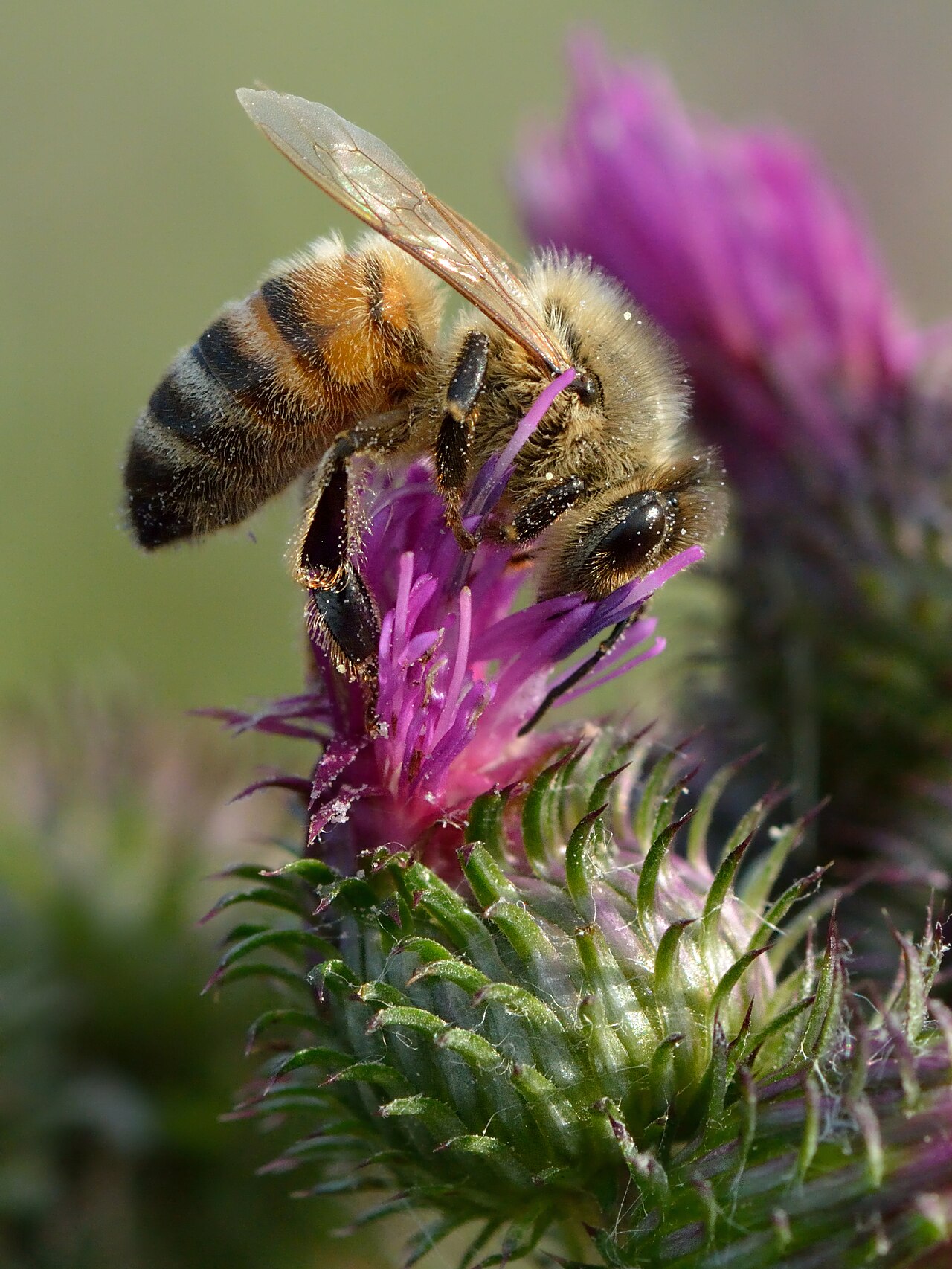
Bee Tattoo Meaning: Community, Hard Work, and Designs
A bee tattoo means hard work, community, and loyalty to something bigger than yourself. No animal makes the point more efficiently: a honey bee is individually tiny and collectively unstoppable, and a colony survives only because every bee does its part. Layered on that core are sweetness and abundance from honey, feminine power from the queen, and the resilience reading that comes from the bee’s long mythological role as a symbol of the soul and rebirth.
The bee also carries one modern meaning no other insect does: the Manchester worker bee, which became a symbol of collective solidarity after the 2017 arena bombing and drove thousands of memorial tattoos in a matter of weeks. This guide covers the core meanings, the queen bee design, what the tattoo signals for men and for women, the mental health and solidarity readings, the difference between honey bee and bumblebee designs, and how to keep a small bee looking like a bee rather than a fuzzy smudge.
| Core meaning | Hard work, community, loyalty, diligence |
| Queen bee | Feminine power, leadership, motherhood |
| Honey | Sweetness, abundance, reward for effort |
| Manchester bee | Solidarity and resilience after tragedy |
| Mental health reading | Keeping going; the bee that flies anyway |
| Popular placements | Wrist, forearm, ankle, behind the ear, ribs |
What a Bee Tattoo Means
Diligence is the bee’s oldest meaning, and it is earned. A single worker bee produces about a twelfth of a teaspoon of honey in her entire life, roughly six weeks of nonstop labor in summer, and a colony must fly the equivalent of several times around the planet to fill a single jar. That arithmetic is why the bee has represented industry in heraldry, business logos, and family crests for centuries, and why it appeals to people who identify with steady, unglamorous, cumulative effort.
Community is the second and increasingly the dominant meaning. A bee alone dies quickly; a colony is effectively a single organism whose members specialize, communicate through dance, and sacrifice individual interest constantly. As ink, that reads as family, crew, team, union, congregation, or recovery group, any structure where the wearer’s identity is tied to belonging. It is one of the few tattoos that says “I am part of something” without naming the something, which is why it suits people whose group changed over time.
Sweetness and abundance follow from honey, the only food humans eat that an insect makes, and one that never spoils. Bee tattoos frequently mark reward after long work: a business finally profitable, a degree finished, a house bought. Add the pollination angle, roughly a third of the food humans eat depends on pollinators, and the bee also carries an environmental meaning that has grown fast in the last decade. Real colonies are far more varied than the tattoo suggests, from hive dwellers to the solitary nesters covered in our ground bees guide.
The Queen Bee Tattoo
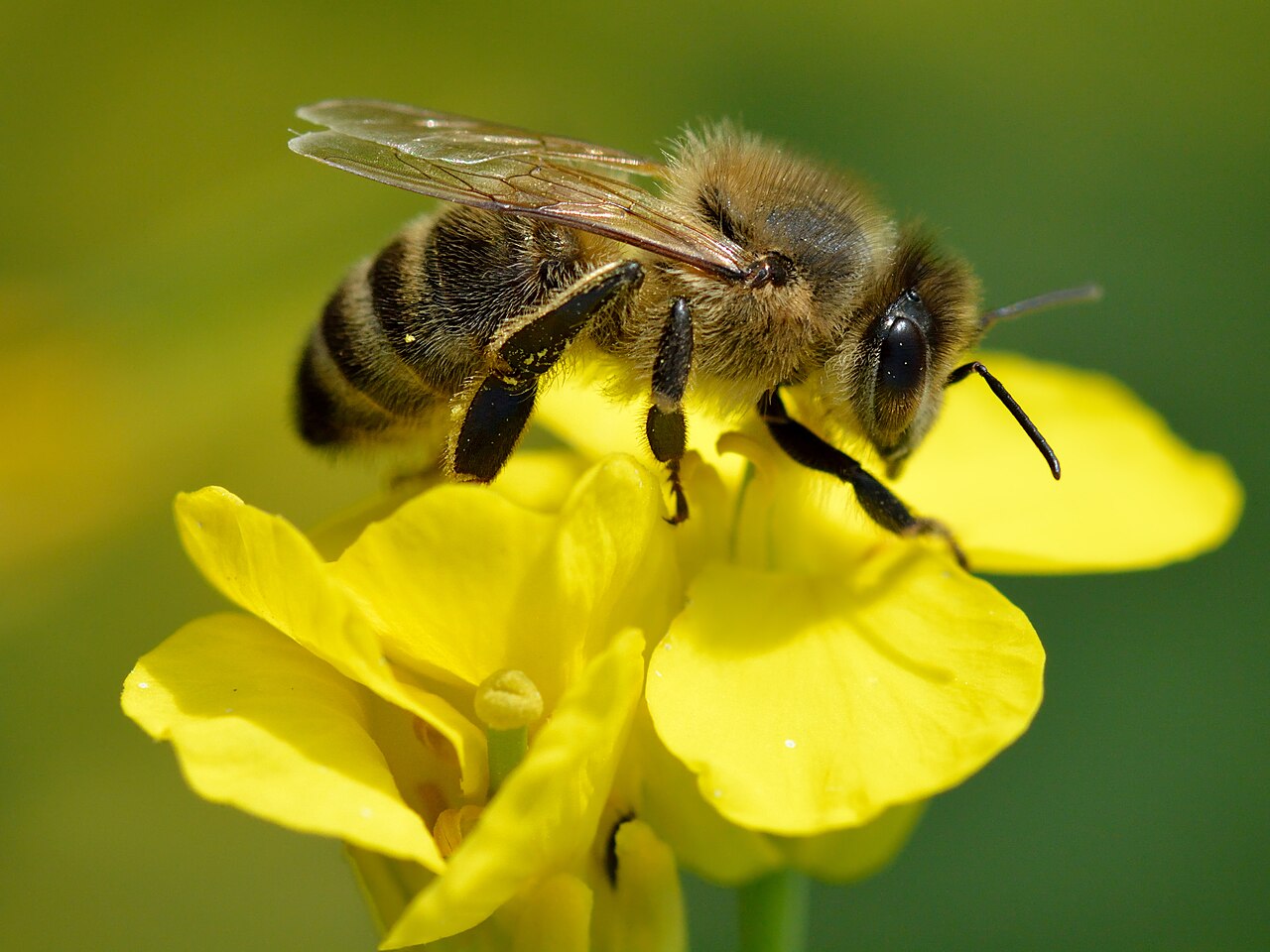
The queen bee design is its own category, meaning feminine power, leadership, and motherhood in a single image. The biology behind it is genuinely striking: the queen is the only fertile female in a hive of tens of thousands, lays up to 2,000 eggs a day at peak, and the entire colony’s survival depends on her. Every worker is her daughter. As a tattoo, that carries a specific kind of authority, generative rather than combative, which is why it lands so differently from predator imagery.
Designs make the status visible. A crown above or on the bee is the standard convention, sometimes with a small “Q,” and elaborate versions place the queen at the center of a honeycomb, surrounded by workers, or on a throne of hexagons. Motherhood pieces often add one small bee per child, an arrangement that extends naturally as families grow. The design is also popular among women in leadership roles and business owners, where it reads as running the operation rather than merely working in it.
There is a wry version worth knowing. “Queen bee” in everyday English also means the socially dominant woman in a group, occasionally with an edge, and some wearers choose the design with that self-aware humor fully intended. Artists report it appearing after divorces and career jumps with a distinctly triumphant flavor. Either reading works, and both share the same core: the bee that everything else organizes around. It is a common companion piece to the transformation imagery in our butterfly tattoo meaning guide.
Bee Tattoo Meaning for Women
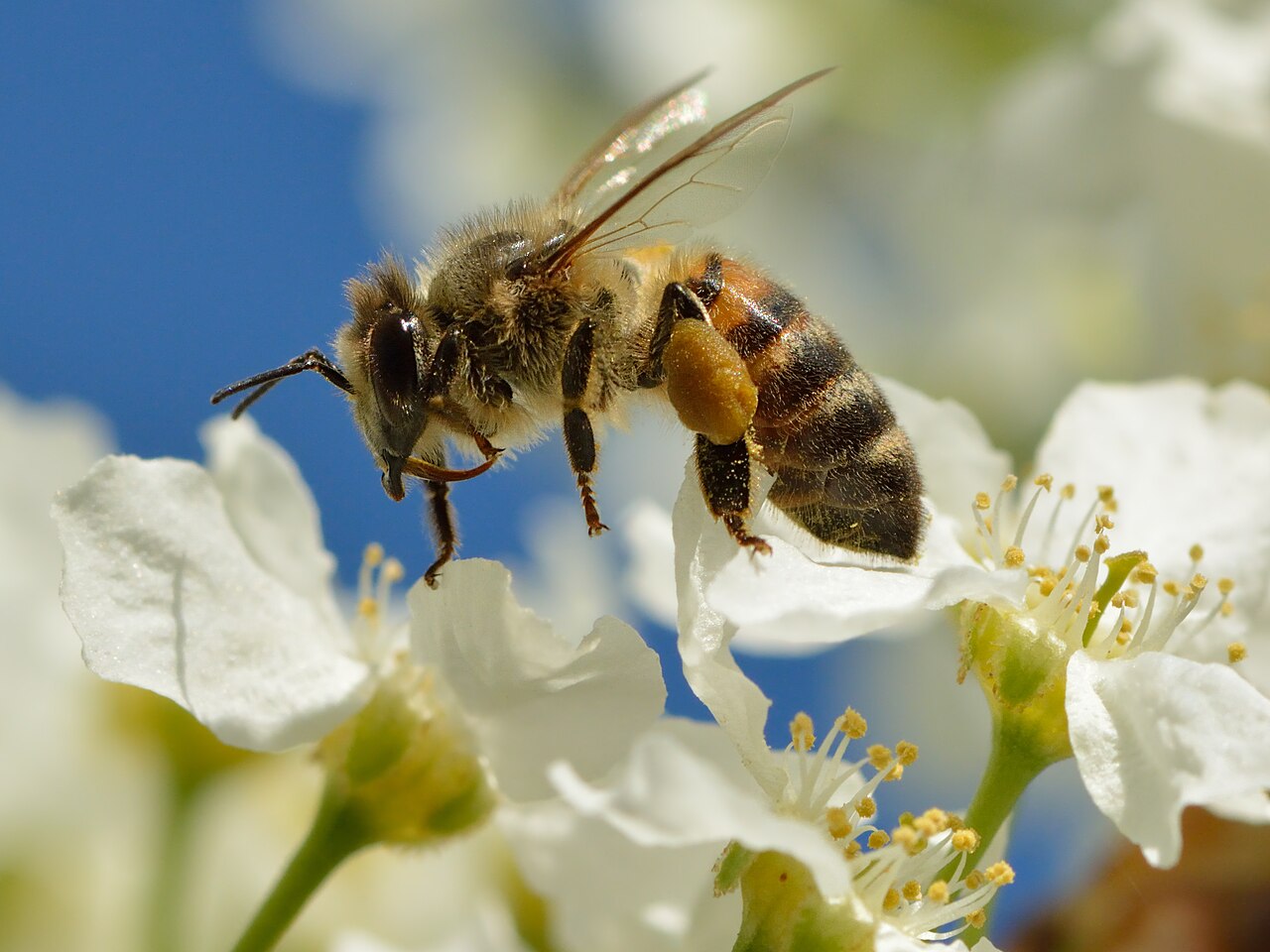
Bee tattoos skew heavily toward women, and the meanings cluster around strength, nurture, and community. The queen bee leads for the reasons above, but the plain worker bee is just as popular and carries a subtler message: the person who does the work, keeps the group running, and does not need a crown to matter. Mothers, nurses, teachers, and small-business owners are strongly represented among wearers, and bee tattoos frequently mark exactly those roles.
The design language is delicate and floral-heavy. Bees paired with lavender, sunflowers, wildflowers, or a single sprig are the most requested combination, and honeycomb frames, watercolor washes, and fine-line renderings dominate. Popular placements are the inner wrist, forearm, ankle, behind the ear, shoulder, ribs, and the back of the neck, generally small and personal rather than declarative. Cute, stylized bees, round bodies, simple stripes, small wings, are a genuinely large share of the category and are not a lesser choice; they just prioritize charm over anatomy.
Matching and family designs are common too. A queen with worker bees for children, matching small bees for sisters or best friends, or a bee for each member of a support group. Because the insect is small and the meaning is about collectives, adding bees over time works better here than in almost any other design. If the intended message is quieter still, a lone bee flying toward a single flower carries the whole hard-work-and-hope reading with almost nothing on the skin.
Bee Tattoo Meaning for Men
For men, bee tattoos read as work ethic, loyalty, and controlled strength, a deliberate step away from apex-predator imagery toward something that earns respect by effort. Tradesmen, military members, first responders, and men in physically demanding jobs choose bees for the same reason organizations have used them for centuries: the bee is the emblem of the person who shows up and does the job. Napoleon adopted the bee as his imperial symbol precisely for those industry and immortality associations.
Design choices differ from the delicate versions. Men’s bee tattoos run larger and more anatomical: detailed black and grey honey bees with rendered wing venation and fuzzy thorax, geometric hexagon compositions, bees paired with tools, skulls, daggers, or blackwork geometry, and hive scenes across the forearm or calf. Traditional-style bees with bold outlines and solid yellow age exceptionally well and suit men who want the piece to still read clearly in twenty years.
The protective register is a real part of the male reading. Bees defend the hive at the cost of their own lives, and a sting is a one-way commitment, which gives the design a specific meaning: gentle by default, absolute when the family is threatened. Combined with the hive’s total interdependence, it makes the bee a natural choice for men marking fatherhood or a brotherhood, service or otherwise. The same defend-what-is-yours logic drives interest in stingers generally, though it is worth knowing which insect you are actually depicting, as our hornet vs wasp guide shows, since bees and wasps look nothing alike up close.
The Manchester Bee and Solidarity Tattoos
The worker bee has been Manchester’s civic symbol since the Industrial Revolution, when it stood for the city’s hive of factory labor, and it appears on the city’s coat of arms, lampposts, and floor mosaics. After the May 2017 attack at Manchester Arena that killed 22 people, the bee became the spontaneous symbol of the city’s response, and thousands of people got bee tattoos within weeks, with participating studios raising over half a million pounds for victims’ families.
That campaign changed the bee’s tattoo meaning permanently. It attached solidarity and collective resilience to the image in a way no marketing could, and the Manchester bee remains a recognized design worldwide, worn by people with no connection to the city as a general statement about communities refusing to be broken. If you want that specific reference, the Manchester version is a distinct stylized bee with a rounded body and straight-edged wings, and any artist familiar with the design will recognize it by name.
The solidarity thread runs beyond Manchester. Bees appear in memorial pieces for people lost to violence, in union and labor tattoos where the hive stands for organized workers, and in mutual-aid and activist contexts where the meaning is explicitly collective. It is worth choosing deliberately here: a plain worker bee reads as personal industry, while a bee with a hive, a crowd of bees, or the Manchester silhouette reads as a statement about the group. Same insect, quite different sentences.
Bees, Mental Health, and Perseverance
Bee tattoos have become a common mental health symbol, and the reason is a persistent myth: the claim that aerodynamically, bumblebees should not be able to fly, and do so anyway. The story dates to a 1930s back-of-envelope calculation using fixed-wing aircraft math, which does not apply to a wing beating over 200 times a second with rotational motion. Scientists solved bee flight decades ago; there was never a real paradox. But the story stuck because the metaphor is good.
That metaphor, doing the thing you were told was impossible, is precisely what wearers mean. Bee tattoos appear frequently as markers of depression survived, anxiety managed, recovery maintained, and grief carried, sometimes paired with a semicolon, sometimes with a date, sometimes alone. The reading holds up even once you know the aerodynamics are a myth, because the real bee is arguably more impressive: it flies through a mechanism so unusual that it took researchers with high-speed cameras to explain it.
Two other biological facts get used the same way. A worker bee’s entire life is roughly six weeks of relentless labor for a hive she will never see finished, which wearers apply to work whose payoff comes later or to someone else. And bees keep flying in weather that grounds most insects, which is the plain-language version of persistence. That persistence reading puts the bee alongside the other small-creature symbols people choose for hard seasons, including the luck traditions in our ladybug lands on you guide. Whatever the framing, the tattoo functions as a small, private instruction on the skin, and small is the point: this design is usually chosen at a size only the wearer regularly sees.
Honey Bee vs Bumblebee: Which Bee Are You Getting?
Most bee tattoos depict a honey bee, and most flash art draws it wrong. A real honey bee is slim and golden-amber with subtle dark banding, translucent wings, and a lightly fuzzy thorax. The chunky, vividly black-and-yellow, heavily furred insect people usually picture is a bumblebee, and the aggressively striped cartoon version with big round eyes is closer to a wasp in shape than to either. If species accuracy matters to you, say which bee out loud at the consultation.
The symbolism differs slightly and usefully. Honey bees carry the community, hive, honey, and industry meanings, since they are the social species with queens, workers, and honeycomb. Bumblebees are largely solitary or live in small annual colonies, and their tattoo meaning skews toward individual perseverance, gentleness, and the impossible-flight story, which is why so many mental health pieces are bumblebees specifically. Bumblebees are also, in practice, the friendlier-looking bee: rounder, fuzzier, and better suited to cute stylized work.
A third option is the carpenter bee, common in North America and often mistaken for a bumblebee, distinguished by its shiny black abdomen, and one of several stinging insects that draw the attention of birds that eat wasps. It rarely appears in tattoos, but if your meaningful bee is the big one that drilled holes in your grandfather’s porch, that is the species. Whichever you choose, the design details that matter are four wings (not two), six legs attached to the thorax, and antennae, all of which flash art routinely gets wrong, and all of which a decent reference photo fixes instantly.
Small Bee Tattoos, Placement, and Making Them Last
Small bee tattoos are the most requested format in the category, and the insect suits it: at half an inch, stripes plus wings plus a rounded body still read as bee. The favored spots are the inner wrist, back of the arm, ankle, behind the ear, finger, and the ribs, and a common approach is a tiny bee with a dotted flight path curling around a limb, which gives the design movement without adding size.
Longevity is the one real technical concern. Yellow is the least stable tattoo pigment, fading faster than any other color and showing poorly on medium and darker skin tones, so a tiny all-yellow bee can go indistinct within a decade. The fixes are straightforward: keep bold black outlines and black stripes doing the identification work, treat yellow as accent rather than structure, or skip color entirely, since blackwork and dotwork bees are extremely popular and hold their detail far longer.
Frequently Asked Questions
What does a bee tattoo symbolize?
Hard work, community, and loyalty above all, plus sweetness and abundance from honey, feminine power in queen designs, and solidarity in the Manchester tradition. It says belonging to something larger without naming what.
What does a queen bee tattoo mean?
Feminine power, leadership, and motherhood. The queen is the only fertile female in a colony of tens of thousands and lays up to 2,000 eggs daily, so the design reads as generative authority, often with a crown or honeycomb.
Why do bee tattoos represent mental health?
From the myth that bumblebees should not be able to fly and do anyway, a persistent story from a flawed 1930s calculation. The metaphor of persisting through what looked impossible made the bee a common marker of depression, anxiety, and recovery.
What is the Manchester bee tattoo?
Manchester’s civic worker bee, a symbol of the city since the Industrial Revolution, which became the emblem of collective resilience after the 2017 arena attack. Thousands got the tattoo in a fundraising campaign that raised over half a million pounds.
What is the difference between a honey bee and bumblebee tattoo?
Honey bees are slim and amber and carry hive, community, and industry meanings. Bumblebees are round and furry and skew toward individual perseverance and the impossible-flight story, which is why most mental health pieces use them.
What does a bee tattoo mean for a man?
Work ethic, loyalty, and protective strength: gentle by default, absolute when the hive is threatened. Men’s designs run larger and more anatomical, often with hexagons, hives, or traditional bold linework.
Do small bee tattoos fade quickly?
Yellow is the least durable pigment, so all-color miniatures can blur within a decade. Bold black outlines and stripes, with yellow as accent, or a blackwork bee, keep small designs legible far longer.