What Is a Group of Chickens Called? Flock, Brood, and Clutch
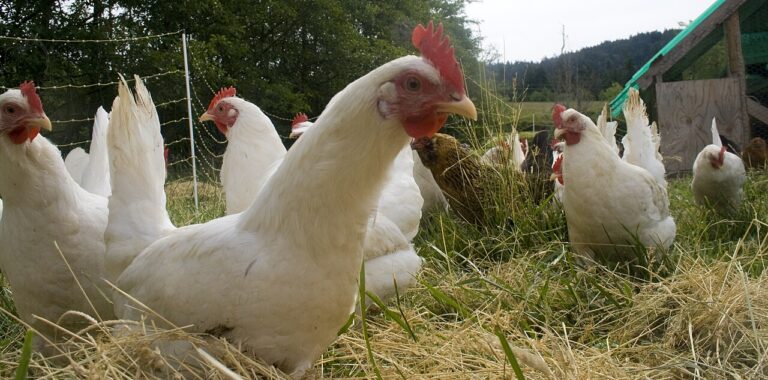
A group of chickens is called a flock, and that is the term used by everyone from backyard keepers to commercial producers to poultry scientists. A group of chickens is also called a brood when it means a hen with her chicks, and a peep or a clutch when referring to the chicks themselves. Older and more colorful lists give a chattering of chicks and a run of poultry, neither of which anyone uses. What is a group of chickens called therefore has one plain, universally correct answer: a flock.
This is unusual among the collective noun questions, because chickens escaped the medieval habit of assigning fanciful names. Chickens were farmyard animals rather than noble quarry, so the compilers of the terms of venery ignored them, and the practical word survived unchallenged. What is worth knowing instead is the rest of the poultry vocabulary: hen, pullet, rooster, cockerel, capon, and the terms for clutches, broods, and the pecking order that governs every flock.
A group of chickens is called a flock. A hen with her chicks is a brood, and a group of chicks is a peep or a clutch. Unlike most animals, chickens have no fanciful collective noun because medieval word lists covered game rather than farmyard birds. A group of roosters is also just a flock, though roosters kept together are sometimes called a bachelor flock.
| Term | Meaning |
|---|---|
| Flock | Any group of chickens |
| Brood | A hen with her chicks |
| Clutch | The eggs a hen sits on; also the chicks |
| Peep | A group of chicks (informal) |
| Hen / pullet | Adult female / female under 1 year |
| Rooster / cockerel | Adult male / male under 1 year |
| Typical backyard flock | 4 to 12 birds |
Why Is a Group of Chickens Just Called a Flock?
A group of chickens is called a flock because flock is the general English term for a group of birds, and chickens never acquired a specialized alternative. The medieval terms of venery, which produced a murder of crows and an unkindness of ravens, were compiled for hunters and covered game birds and hunted mammals. Domestic poultry was farmyard livestock, beneath the notice of the gentlemen memorizing those lists.
The result is that chicken vocabulary developed along practical lines instead, and it is unusually rich in the areas that matter to keepers. There are precise terms for age and sex, for a hen going broody, for a clutch of eggs, and for the various stages of growth, because those distinctions affect husbandry decisions every day. There is no term for a group of chickens beyond flock because no such distinction was ever useful.
Flock also carries a real meaning in poultry keeping. Flock health, flock size, and flock dynamics are working concepts: a flock has a single pecking order, shares disease exposure, and behaves as a unit in ways that matter for management. When a keeper introduces new birds, the phrase is integrating them into the flock, and the difficulty of that process is one of the most common problems in backyard chicken keeping.
What Is a Brood of Chickens?
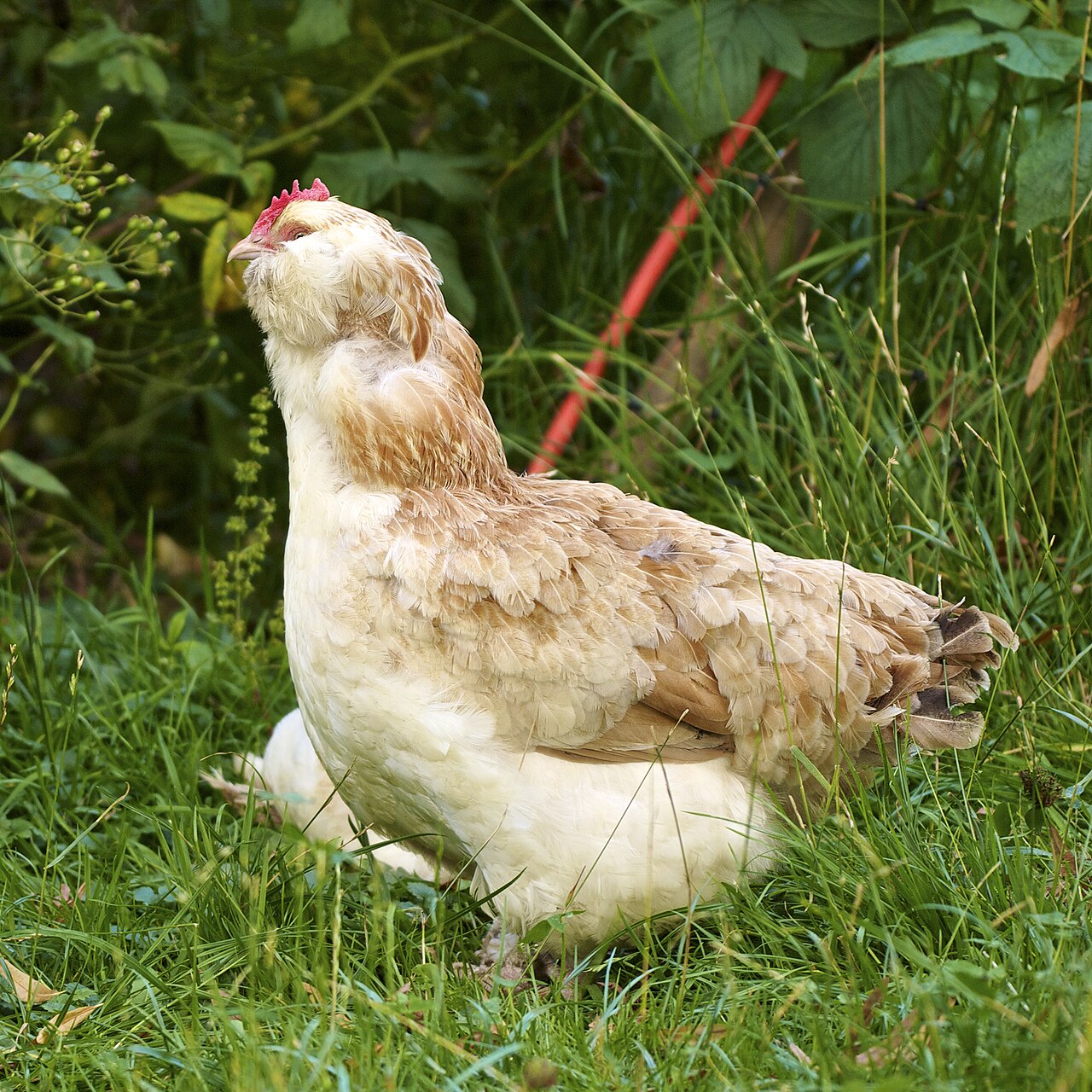
A brood is a hen with her chicks, and brooding is the behavior of sitting on eggs to incubate them. A hen that has gone broody stops laying, sits on the nest almost continuously, fluffs up and growls at anyone who approaches, and will incubate a clutch for the full 21 days it takes chicken eggs to hatch. She then raises and defends the chicks for several weeks, teaching them to forage and calling them under her wings for warmth.
Broodiness varies enormously by breed. Silkies, cochins, and orpingtons are famously broody and will sit on anything, including golf balls and other hens’ eggs, and keepers often use them deliberately as natural incubators. Leghorns and most commercial laying hybrids have had broodiness bred almost entirely out of them, because a broody hen is a hen not laying eggs, which is a problem in production and an inconvenience in a backyard flock.
Brooder is a related term with a different meaning: it is the heated enclosure used to raise chicks without a hen, and chicks bought from a hatchery spend their first weeks in one. A brooder needs to hold about 95 degrees Fahrenheit in the first week, dropping five degrees weekly until the chicks are feathered at around six weeks. Getting the temperature wrong is one of the most common causes of chick loss in a first flock.
What Is a Group of Baby Chickens Called?
A group of baby chickens is called a peep, a clutch, or simply chicks. Peep is informal and imitates the sound, and it is used commonly in the United States, including in the phrase used at feed stores in spring when chicks arrive. Clutch technically refers to the set of eggs a hen lays and incubates together, and by extension the chicks that hatch from them, which is usually 8 to 15 eggs.
Chicks are precocial, hatching covered in down with open eyes and able to walk and peck within hours. They do not need feeding by the parent, only warmth, protection, and demonstration of what is edible. A hen leads her chicks to food and makes a distinctive clucking call when she finds something, and they learn what to eat by watching her. This is why hen-raised chicks integrate into a flock far more smoothly than brooder-raised ones.
Sexing chicks is difficult and is the source of the term straight run, meaning chicks sold unsexed. Vent sexing requires training and is roughly 90 to 95 percent accurate in skilled hands. Some breeds are auto-sexing or sex-linked, meaning males and females hatch with different down colors, which removes the guesswork entirely and is why sex-link hybrids are popular with keepers who cannot keep roosters.
What Are Male and Female Chickens Called?
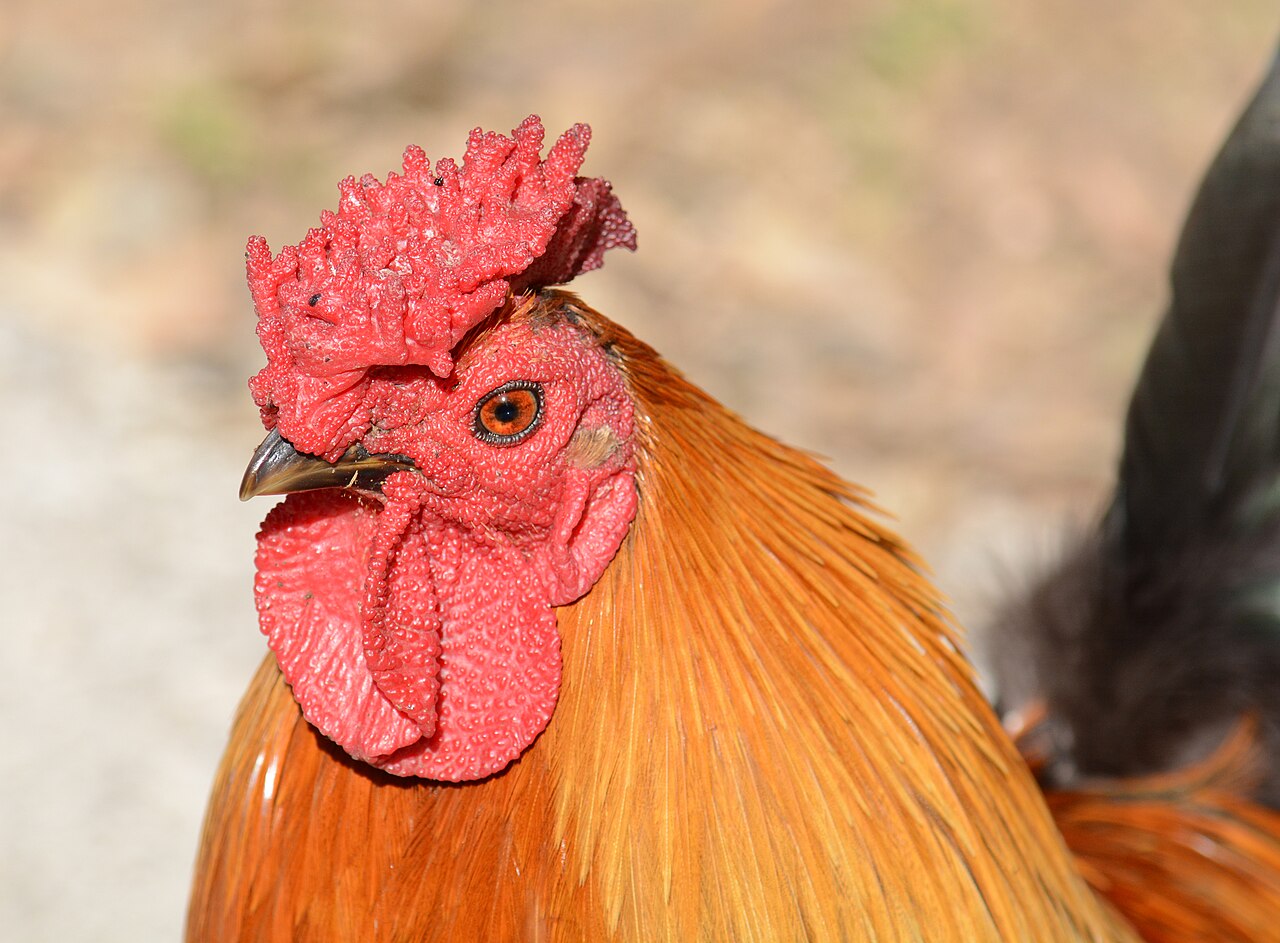
An adult female chicken is called a hen and an adult male is a rooster, also called a cock or cockerel depending on age and region. A female under one year old is a pullet, and a male under one year is a cockerel. A castrated male raised for meat is a capon, a practice now uncommon in the United States. In British usage cock is the standard word for an adult male and rooster is the American preference.
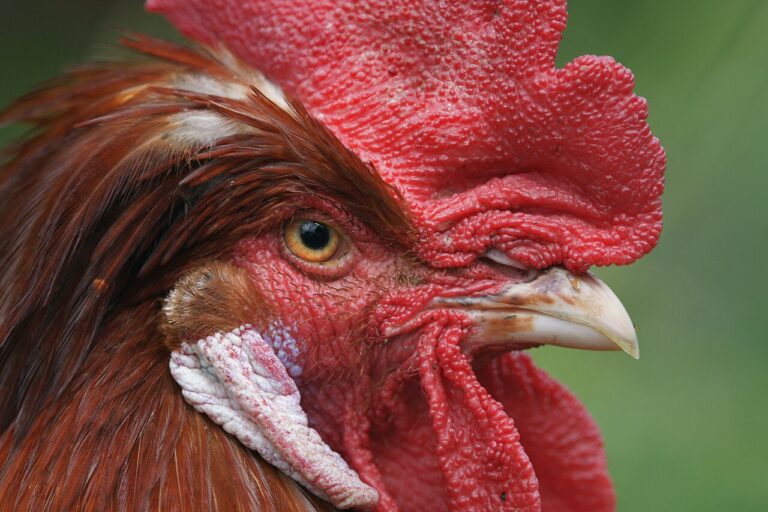
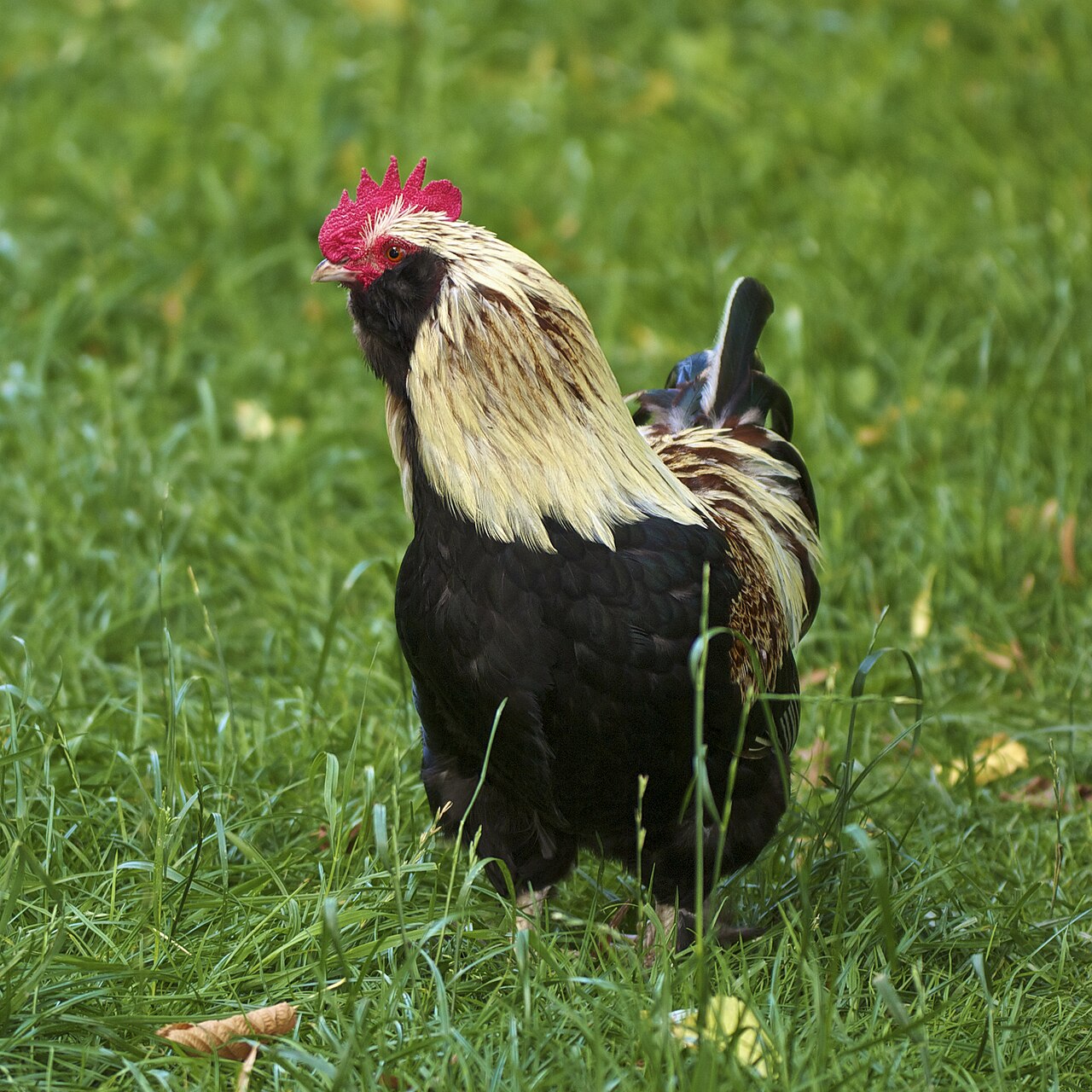
Telling pullets from cockerels before maturity is a recurring puzzle for new keepers. Cockerels develop larger, redder combs and wattles earlier, grow pointed and shiny saddle feathers along the back in front of the tail, develop long curved sickle feathers in the tail, and stand more upright. They also begin crowing anywhere from four to six months, which settles the question definitively. Leg thickness and behavior are unreliable indicators despite frequent claims otherwise.
Roosters serve real functions in a flock beyond fertilizing eggs. A good rooster watches for predators, gives distinct alarm calls for aerial and ground threats, breaks up fights among hens, and calls the flock to food he has found, sometimes picking up a morsel and dropping it repeatedly to draw them over. A flock with a rooster typically has a calmer pecking order. The tradeoff is noise and the fact that many municipalities ban roosters entirely.
How Big Is a Typical Flock of Chickens?
A typical backyard flock holds 4 to 12 birds, which reflects both space constraints and egg production. Six laying hens produce roughly two to four dozen eggs a week at peak, which is more than most households consume. Chickens are also intensely social and should never be kept singly; three is generally considered the practical minimum, since two birds leaves one alone if the other dies.
Space is the binding constraint. Standard guidance is 3 to 4 square feet per bird inside the coop and 8 to 10 square feet per bird in the run, more for large breeds and considerably more if the birds are confined rather than free ranging. Overcrowding is the leading cause of feather picking, cannibalism, and disease in backyard flocks, and it is the mistake most first-time keepers make.
Commercial flocks operate on an entirely different scale. A single commercial laying house may hold tens or hundreds of thousands of hens, and a broiler house 20,000 to 40,000 birds. Global chicken numbers are estimated at over 25 billion at any one time, making the chicken by far the most numerous bird on earth and one of the most numerous vertebrates of any kind. The Brahma chicken guide and the Polish chicken guide cover two of the breeds most often chosen for backyard flocks.
What Is the Pecking Order?
The pecking order is the dominance hierarchy that governs every chicken flock, and the phrase entered English from poultry science before spreading into general use. The Norwegian zoologist Thorleif Schjelderup-Ebbe described it in the 1920s after observing that chickens establish a linear ranking in which each bird can peck those below it and is pecked by those above, and the arrangement is remarkably stable once settled.
The order determines access to food, water, roosting spots, and nest boxes. High-ranking hens eat first and take the highest perch, which is the safest position. Rank is established through posturing, chasing, and pecking, and once each bird knows its place, actual fighting largely stops. This is why a settled flock looks peaceful and why adding a single new bird causes disproportionate upheaval: the whole ranking has to be renegotiated.
Chickens can recognize and remember at least 30 individual flock mates by facial features, which is what makes a stable hierarchy possible. Flocks much larger than that lose the individual recognition and the ranking becomes looser, which is one reason commercial systems handle very large groups differently. Chickens are considerably more cognitively capable than their reputation suggests, showing object permanence, basic numerical ability, and referential communication in their alarm calls.
What Is a Group of Roosters Called?
A group of roosters is also called a flock, and there is no separate collective noun. Roosters kept together away from hens are sometimes called a bachelor flock, borrowing a term used for wild birds and mammals, and this arrangement is genuinely workable: roosters raised together and kept entirely out of sight and sound of hens will often coexist peacefully, because the fighting is driven by competition for mates.
Mixed flocks need a ratio. The standard recommendation is one rooster per eight to twelve hens, and too many roosters for the number of hens leads to over-mating, which causes bare backs, torn skin, and stress in the hens. Two roosters in a small flock will usually fight persistently, and separating them or rehoming one is often the only solution.
The word rooster itself is an Americanism that gained currency in the eighteenth and nineteenth centuries as a euphemism, since cock had acquired vulgar connotations. The same prudishness gave American English the terms rooster, donkey for ass, and several others. British English retained cock without difficulty, which is why British poultry literature reads slightly differently from American.
Collective Nouns for Chickens and Other Poultry
Other poultry follows the same practical pattern. A group of turkeys is a rafter or a flock, with rafter being the one genuine fanciful term in poultry, and it comes from the wild turkey rather than the domestic bird. A group of geese is a gaggle on the ground and a skein in flight. A group of ducks is a raft on water and a flock in the air. Guinea fowl get a confusion, which anyone who has kept them will find apt.
Chickens missing out on a colorful term is a reflection of their history. The domestic chicken descends from the red junglefowl of Southeast Asia, domesticated at least 3,500 years ago and possibly considerably earlier, and it arrived in Europe as a farmyard bird rather than as game. Wild turkeys, geese, and ducks were all hunted, which is exactly why they collected the elaborate vocabulary that chickens did not.
For the collective terms that do exist across the poultry yard, the group of turkeys guide covers the rafter, the group of geese guide covers the gaggle and skein system, and the group of ducks guide covers the raft. For what to feed the flock, the can chickens eat apples guide covers treats and the limits on them.
Frequently Asked Questions
What is a group of chickens called?
A group of chickens is called a flock. There is no fanciful collective noun, because medieval word lists covered game birds rather than farmyard poultry. A hen with her chicks is called a brood.
What is a clutch of chickens?
A clutch is the set of eggs a hen lays and incubates together, usually 8 to 15, and by extension the chicks that hatch from them. Chicken eggs take 21 days to hatch.
How many chickens is a flock?
Any number, though a backyard flock is typically 4 to 12 birds. Chickens are highly social and should never be kept alone; three is generally considered the practical minimum for a home flock.
What is a group of roosters called?
Also a flock. Roosters kept together away from hens are sometimes called a bachelor flock, and they often coexist peacefully when no hens are present, since fighting is driven by competition for mates.
What is a group of baby chickens called?
A peep, a clutch, or simply chicks. Peep is informal and imitates the sound they make. Chicks hatch fully feathered in down with open eyes and can walk and peck within hours.
What is a brood of chickens?
A hen with her chicks. Brooding also refers to the behavior of sitting on eggs to incubate them, and a broody hen stops laying and sits almost continuously for the 21-day incubation period.
What is the pecking order?
The dominance hierarchy in a chicken flock, in which each bird can peck those ranked below it. It determines access to food, water, and the best roosting spots, and it stays stable until new birds are introduced.