What Is a Group of Cows Called? Herd, Drove, and Fold
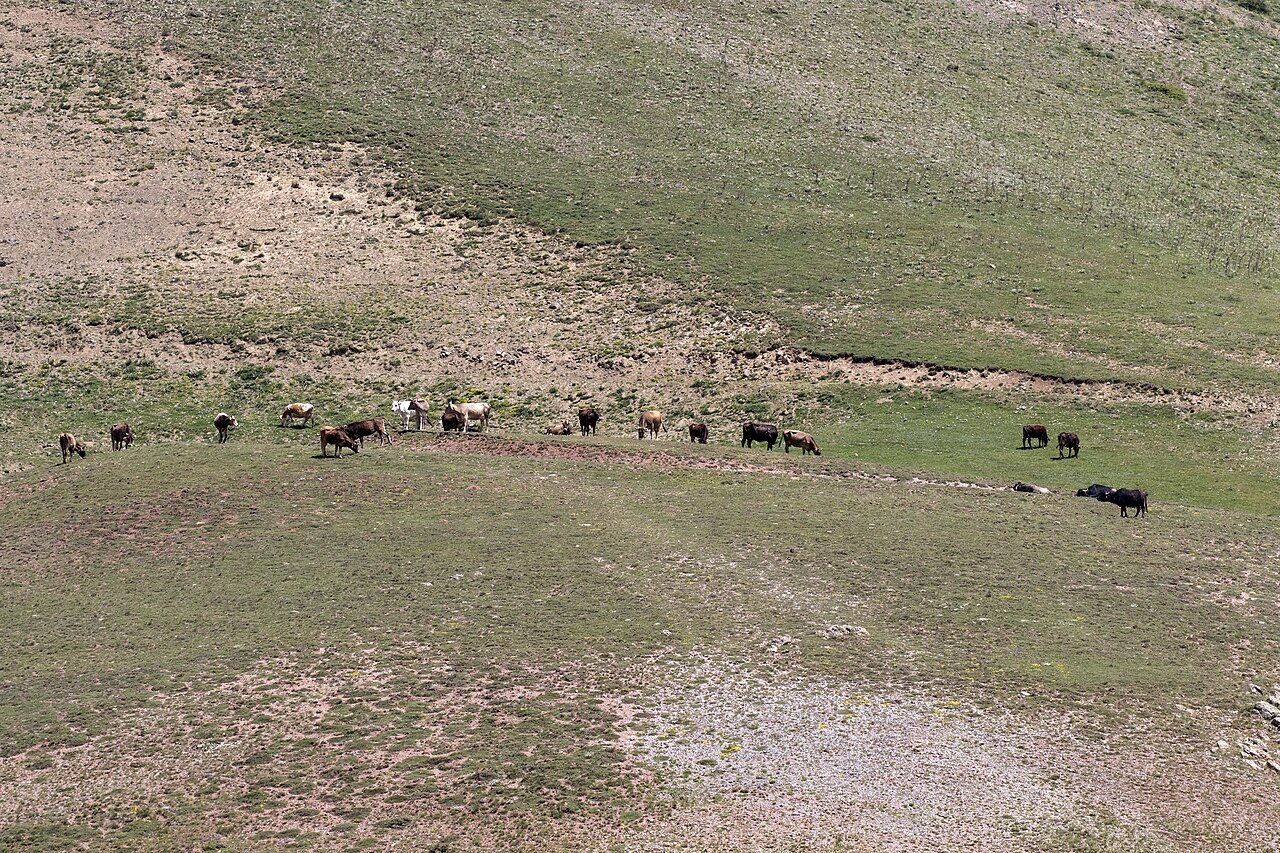
A group of cows is called a herd, and that is the answer everyone from ranchers to dictionaries uses. A group of cows is also called a drove when the animals are being moved, a fold when the breed is Highland cattle, and a team or a yoke when the animals are oxen working together. The old riddle about twelve or more cows being called a flink appears in some collective noun lists, but it has no basis in agricultural usage and is best treated as trivia.
The more useful distinction is between cow and cattle, because the two words are not interchangeable and getting it wrong is the most common error people make. Cattle is the plural for the species generally; a cow is specifically an adult female that has had a calf. A field of mixed animals is a herd of cattle, not a herd of cows, unless every animal in it is a mature female. This guide covers the collective terms, the full male and female vocabulary, and where each applies.
A group of cows is called a herd. Drove applies to cattle being moved, fold to Highland cattle, and team or yoke to working oxen. Cattle is the correct plural for the species generally, while cow means specifically an adult female that has calved. A young female is a heifer, an intact male a bull, and a castrated male a steer.
| Term | Meaning |
|---|---|
| Herd | A group of cattle (standard term) |
| Drove | Cattle being moved along a road |
| Fold | A group of Highland cattle |
| Team or yoke | Working oxen harnessed together |
| Cow | Adult female that has calved |
| Heifer / bull / steer | Young female / intact male / castrated male |
| Calf | Young of either sex under 1 year |
Why Is a Group of Cows Called a Herd?
A group of cows is called a herd because herd is the standard English collective noun for grazing hoofed mammals, applied identically to cattle, horses, deer, elk, bison, and antelope. The word comes from Old English heord, and it has been in continuous use for over a thousand years. Unlike the ornate collective nouns invented for birds, herd is genuine working vocabulary that never needed replacing.
Cattle escaped the medieval fashion for elaborate collective nouns for the same reason chickens did: they were farmyard livestock rather than noble quarry. The compilers of the terms of venery, who gave us a murder of crows and a rafter of turkeys, were writing for hunters. Domestic cattle were the concern of farmers and drovers, who needed words that worked rather than words that impressed.
The result is a small, precise, and entirely practical vocabulary. Herd is used in every agricultural context: herd size, herd health, herd management, and closed herd are all standard terms in the beef and dairy industries. A herd number is a legal identifier in many countries, and herd health programs are a veterinary specialty. Nothing about the word is decorative.
Is a Group of Cows Called Cattle?
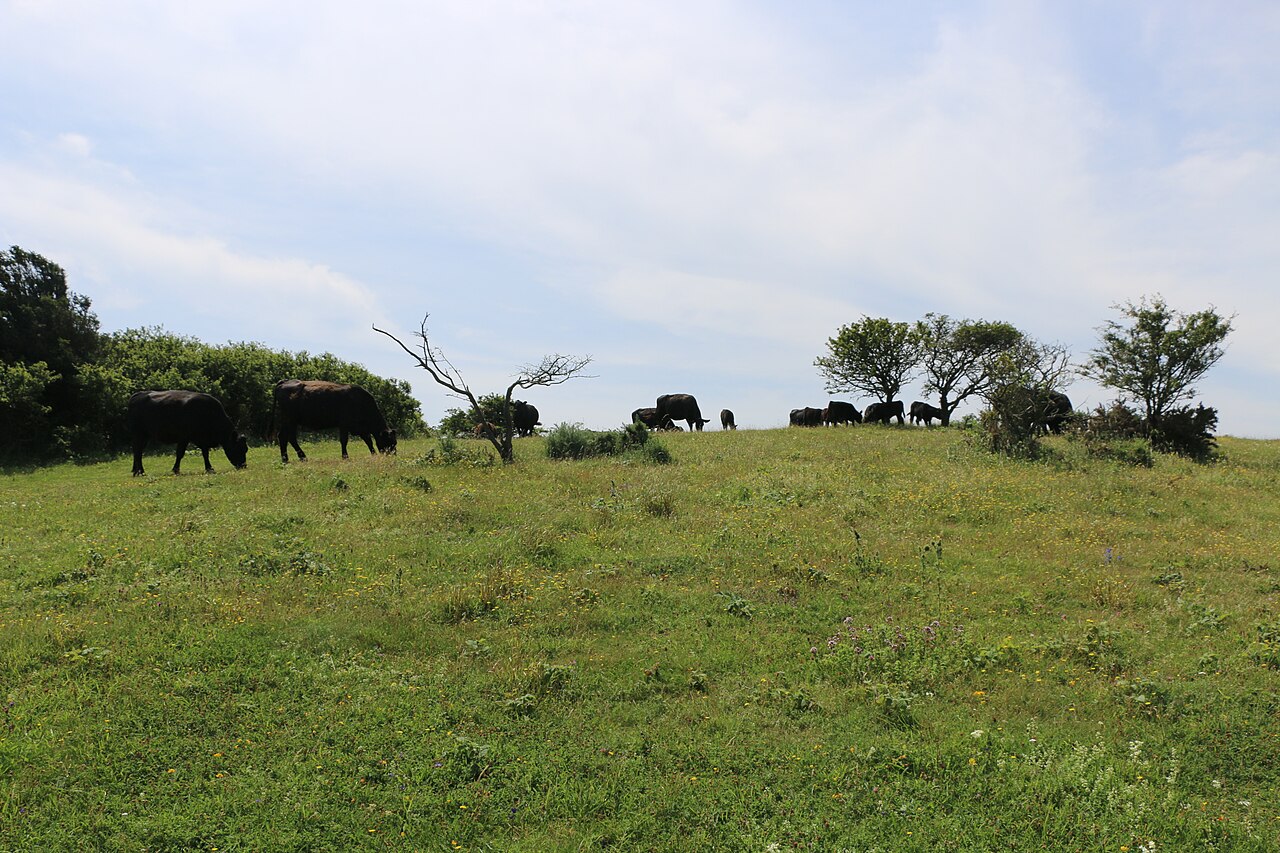
Cattle is the plural noun for the species, not a collective noun for a group, and the distinction matters. You would say a herd of cattle, not a herd of cows, when the group contains bulls, steers, heifers, or calves alongside mature females. Cattle has no singular form in ordinary English; you cannot say one cattle, which is why beast, head, or animal is used instead, as in a hundred head of cattle.
Cow is more specific than most people realize. In agricultural usage a cow is an adult female that has given birth to at least one calf. A female that has not yet calved is a heifer, and she becomes a cow after her first calving, sometimes described as a first-calf heifer during that first lactation. Calling a group of mixed-sex animals cows is common in casual speech but is imprecise, and in a farming context it will be noticed.
The word cattle itself has an interesting history. It comes through Old French from the Latin capitalis, meaning of the head, the same root that gives us capital, and it originally meant movable property or wealth generally. Livestock were the principal form of movable wealth in medieval Europe, so the word narrowed to mean the animals themselves. Chattel, meaning personal property, is the same word by a different route.
What Is a Drove or a Fold of Cattle?
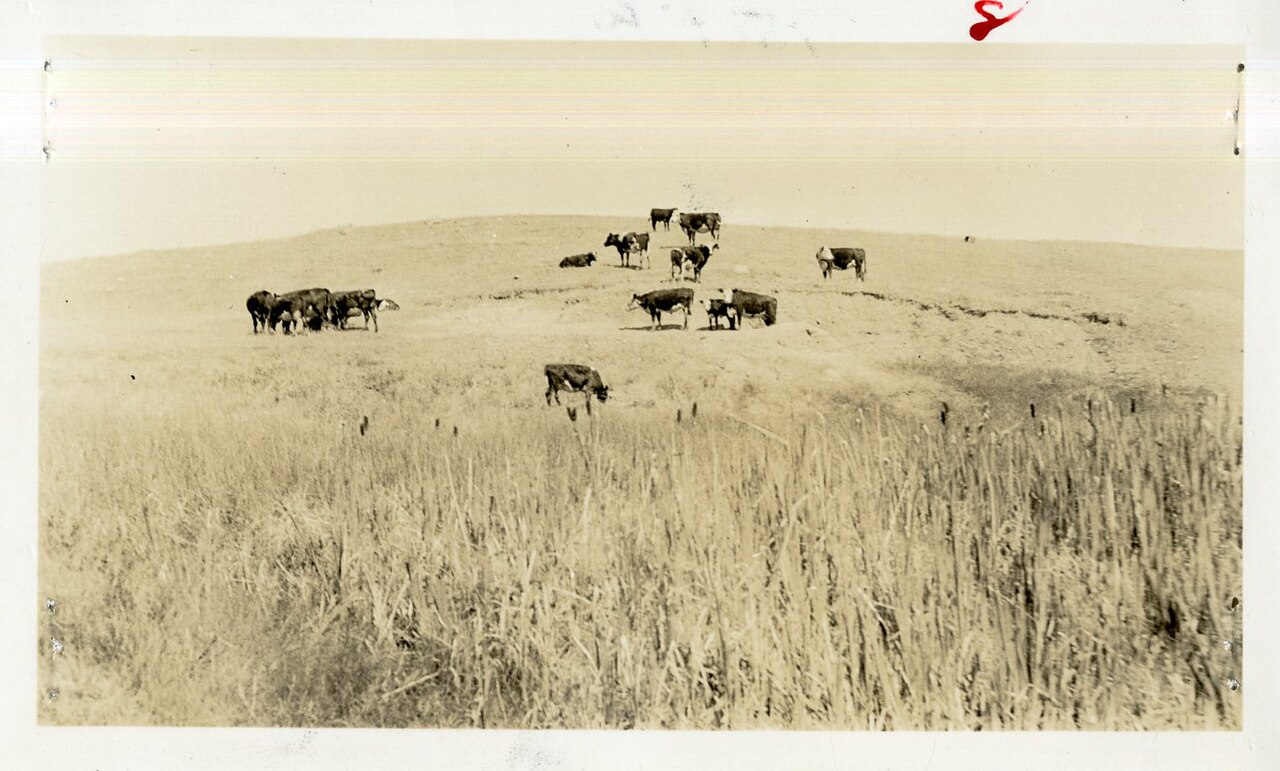
A drove is a group of cattle being driven along a road or a track, from the verb to drove, and a drover is the person who does it. Before railways, cattle were walked enormous distances to market, and drove roads are still named on maps across Britain, Ireland, and the American West. Scottish cattle were driven hundreds of miles to English markets, and the great American cattle drives of the 1860s and 1870s moved millions of longhorns north from Texas to railheads in Kansas.
A fold is the specific term for a group of Highland cattle, the shaggy, long-horned Scottish breed, and it is genuine usage among Highland breeders rather than an invented term. The word comes from the enclosure the animals were kept in, following the same pattern that gave us a warren of rabbits. Highland cattle societies use fold in their official language, and a Highland herd book is a fold book.
A team or a yoke refers to oxen working together, an ox being simply a castrated adult male cattle trained for draft work rather than a separate species. A yoke traditionally means two animals harnessed together, and teams of six or eight were common for heavy hauling. Oxen were the primary draft animal across much of the world until well into the twentieth century and remain important in parts of Africa and Asia.
What Are Male and Female Cattle Called?
An adult female that has calved is a cow, a female that has not is a heifer, an intact adult male is a bull, and a castrated male is a steer. A young animal of either sex under a year is a calf, and specifically a bull calf or a heifer calf. A castrated male trained for draft work is an ox, and a bullock means a young bull in British usage and a castrated male in American usage, which is a genuine transatlantic difference worth knowing.
The reason most male cattle are castrated is behavior and meat quality. Bulls are dangerous to handle, aggressive toward each other, and produce meat that is tougher and more strongly flavored. Steers are calmer, easier to manage in groups, and produce the beef consumers expect. A commercial beef operation keeps a small number of bulls for breeding, or uses artificial insemination, and raises steers for market.
Dairy operations run on a different logic. Only cows produce milk, and only after calving, so a dairy herd is entirely female and each cow must calve roughly annually to maintain lactation. Male dairy calves have little value in dairy breeds and are typically raised for veal or beef or crossed with beef breeds. This is why the male-to-female economics differ so sharply between the dairy and beef sectors.
What Is a Group of Baby Cows Called?
A group of baby cows is called a herd like any other cattle group, and there is no widely used separate term, though some sources list a drift or a rag of calves. In practice, farmers speak of a calf crop, meaning all the calves born in a season, and this is a real production metric: calving percentage is one of the standard measures of a beef herd’s performance.
Cattle almost always produce a single calf after a gestation of about 283 days, roughly nine months, matching humans closely. Twins occur in about one to four percent of births and are generally unwelcome, because when a heifer twin is born alongside a bull calf she is usually a freemartin, sterile due to hormonal exchange in the shared placenta. Around 90 percent of such heifers are infertile.
Calves are precocial, standing and nursing within an hour or two of birth, and the first milk, colostrum, is critical: calves are born without maternal antibodies and must absorb them from colostrum within the first several hours before the gut loses the ability to take them up. Failure of passive transfer is a leading cause of calf illness and is the single most watched item in the first day of a calf’s life.
How Are Cattle Herds Organized Socially?
Cattle are genuinely social animals with a stable dominance hierarchy, which is one reason herd is an accurate term rather than merely a convenient one. Rank is established through pushing, head butting, and displacement at feed, and once settled it remains stable, determining access to feed, water, and preferred lying spots. Cattle recognize individual herd mates, and research suggests they can distinguish 50 to 70 individuals.
Herds also form preferential bonds. Studies have documented that cows have preferred grazing partners with whom they associate consistently, that heart rate and stress hormones rise when a cow is separated from her preferred partner, and that reuniting them reduces stress. Isolation is genuinely distressing to cattle, which is why single-animal housing raises welfare concerns.
Maternal behavior is strong. A cow hides her newborn calf in cover for the first days, returning to nurse, in a pattern very similar to the doe with a fawn, and beef cows on range defend calves vigorously against dogs, coyotes, and people. A cow with a new calf is the most dangerous animal on most farms, and more people are injured by protective cows than by bulls in many years of agricultural injury statistics.
What Is a Flink of Cows?
A flink of cows, defined as a group of twelve or more, circulates widely online and appears in a number of collective noun listicles and quiz answers. It has no basis in agricultural usage, does not appear in the Oxford English Dictionary as a term for cattle, and is not used by any farmer. Its origin is obscure and it may have been invented for a puzzle or a word game and then propagated by repetition.
This is the same pattern that produced an embarrassment of pandas and pandas, a fluffle of rabbits, and a congress of turkeys: a memorable claim spreads through listicles until it gets cited to itself. The distinguishing test is whether reference works record it and whether people who work with the animals use it. Flink fails both.
None of this makes it forbidden to use for fun, but it is worth knowing the difference between a term dictionaries record and a term the internet invented. If a quiz expects flink as the answer to what twelve or more cows are called, the quiz is repeating a listicle. The correct answer to what a group of cows is called, in any serious context, remains a herd.
Collective Nouns for Cattle and Other Livestock
Livestock collective nouns are consistently practical across the board. Sheep form a flock or a mob, the latter standard in Australia and New Zealand. Goats form a herd, a tribe, or a trip. Pigs form a drift, a drove, or a herd, with wild pigs forming a sounder. Horses form a herd, or a string when working together, or a stud when kept for breeding. Chickens form a flock.
The one genuinely colorful livestock term is sounder for wild pigs, and it survived because it came from hunting rather than farming. Everything else in the barnyard uses herd, flock, or drove, because farmers needed unambiguous words. This is a marked contrast with the bird world, where the medieval compilers had free rein.
Cattle are also worth noting for their sheer numbers. Global cattle populations are estimated at roughly 1.5 billion animals, making them one of the most numerous large mammals on earth, and they account for a substantial share of agricultural greenhouse gas emissions through enteric fermentation. The group of pigs guide covers the sounder, the group of chickens guide covers the flock and its pecking order, and the female horse guide covers the equine vocabulary alongside the terms for other livestock females.
Frequently Asked Questions
What is a group of cows called?
A group of cows is called a herd. Drove applies to cattle being moved along a road, fold to Highland cattle specifically, and team or yoke to working oxen harnessed together.
Is a group of cows called cattle?
Cattle is the plural for the species, not a collective noun for a group. You would say a herd of cattle. Cow specifically means an adult female that has calved, so a mixed group is cattle rather than cows.
What are 12 cows called?
A herd, the same as any number. The claim that twelve or more cows are called a flink circulates widely online but has no basis in dictionaries or agricultural usage and appears to be an invented term.
What is a group of baby cows called?
A herd, like any cattle group. Farmers speak of a calf crop, meaning all the calves born in a season. Cattle almost always produce a single calf after about 283 days of gestation.
What is a group of bulls called?
Also a herd. There is no separate collective noun for bulls. In practice, bulls are usually kept separately or in small bachelor groups outside the breeding season because of their aggression toward each other.
What is the difference between a cow and a heifer?
A heifer is a female that has not yet had a calf; she becomes a cow after her first calving. During that first lactation she may be called a first-calf heifer.
What is a fold of cattle?
A fold is the specific term for a group of Highland cattle, the Scottish breed. It is genuine usage among Highland breeders, and a Highland herd book is called a fold book.