Birds That Eat Japanese Beetles: Which Ones Actually Help
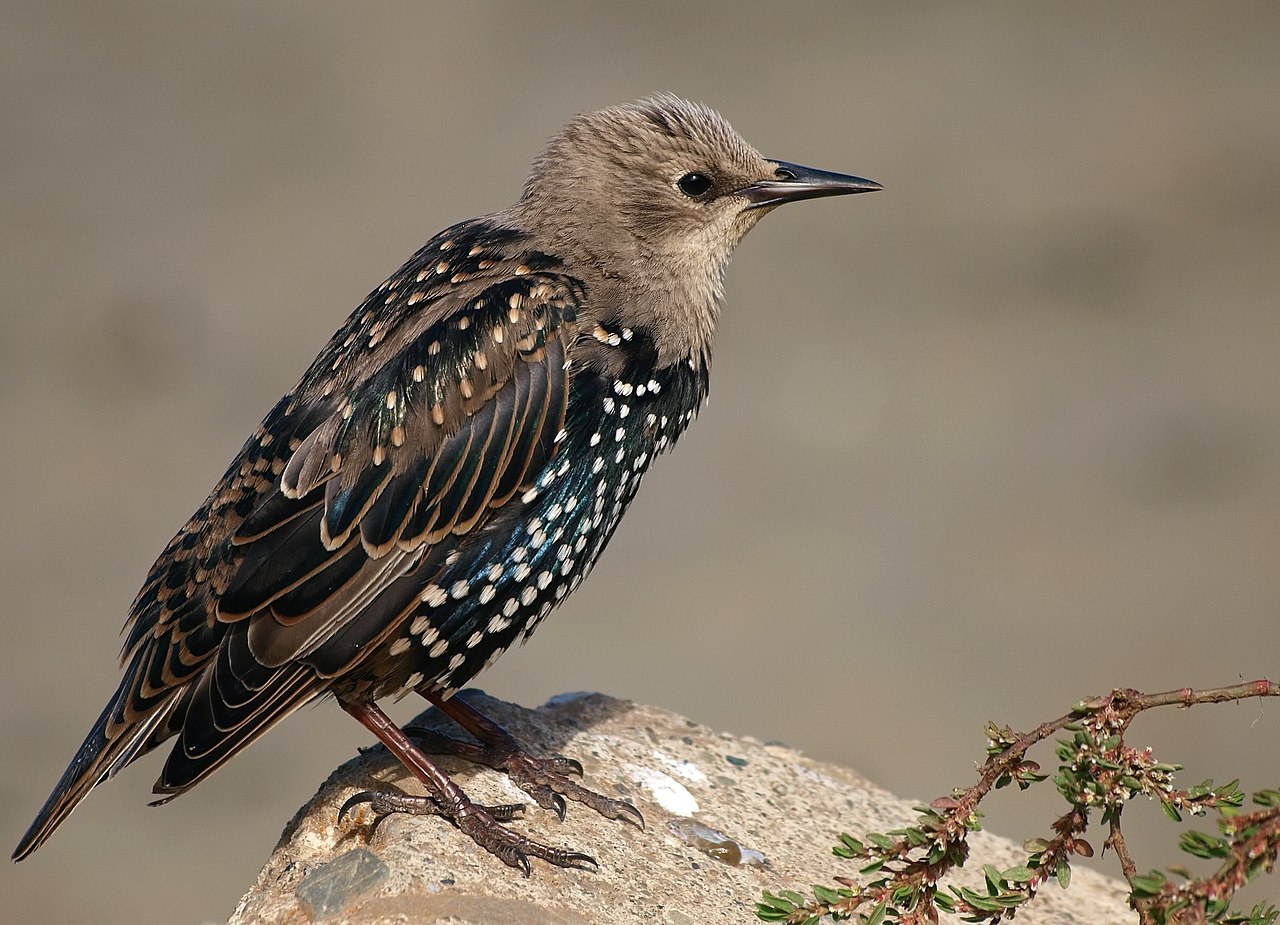
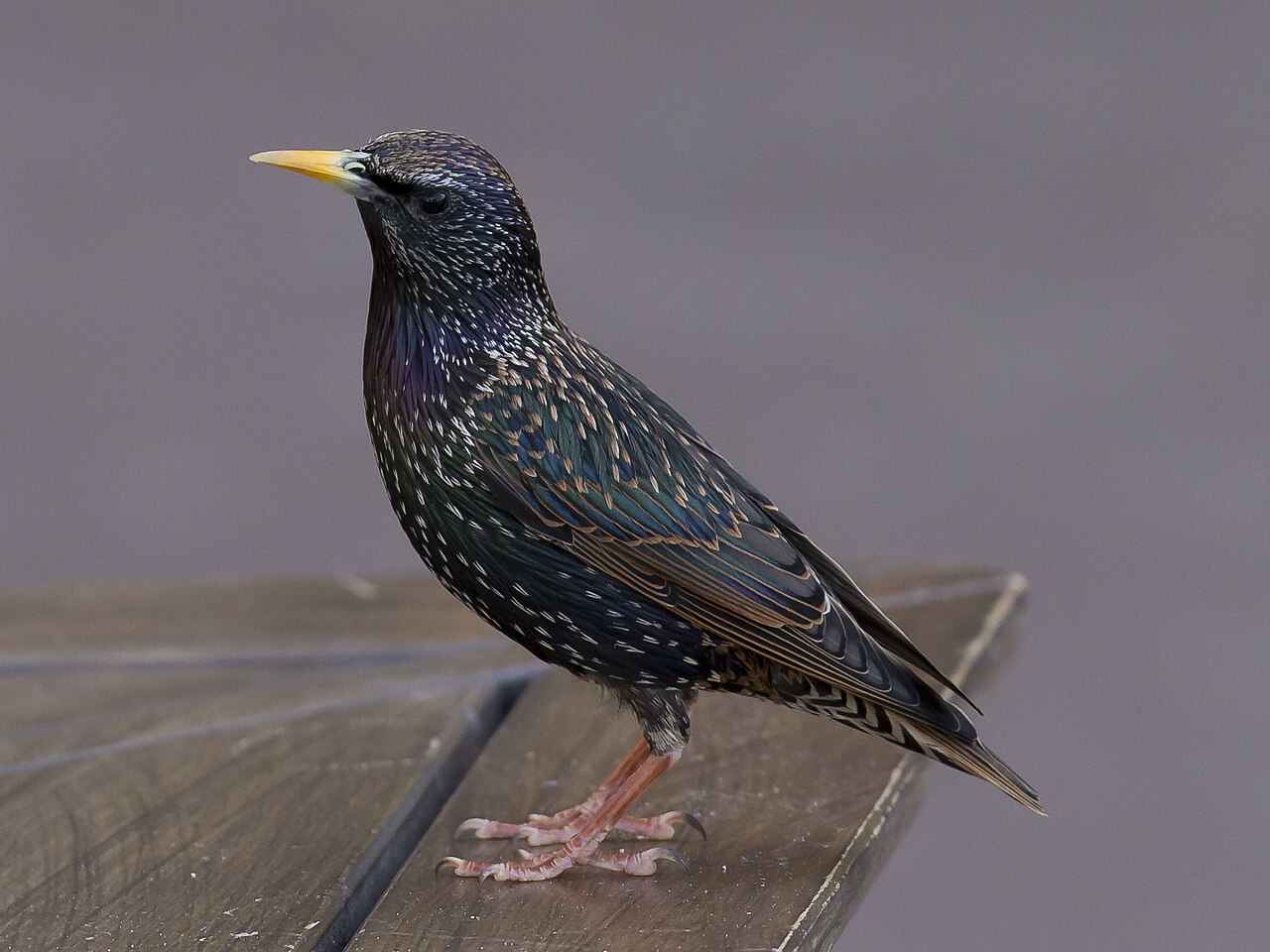
The birds that eat Japanese beetles most reliably are European starlings, common grackles, American robins, northern cardinals, blue jays, catbirds, and wild turkeys, along with several species that take the grubs from lawns rather than the adults from foliage. Starlings and grackles are the two that make a measurable dent, because they feed on the grub stage in turf in large flocks and probe systematically rather than picking opportunistically.
Birds are worth encouraging, but they are not a solution on their own. Japanese beetles emerge in enormous numbers over a few weeks, they are chemically defended enough that many birds reject them, and the beetles fly in from surrounding properties regardless of what happens in one yard. This guide covers which birds actually eat them, which stage each targets, how to attract those birds, and what birds cannot do.
Starlings, grackles, robins, cardinals, blue jays, catbirds, and wild turkeys all eat Japanese beetles, and starlings and grackles are the most effective because they take grubs from turf in flocks. Birds reduce numbers but cannot control an infestation alone, since adults fly in from surrounding properties and emerge faster than birds can consume them.
| Bird | Stage Eaten |
|---|---|
| European starling | Grubs mainly, some adults |
| Common grackle | Grubs and adults |
| American robin | Grubs in turf |
| Northern cardinal | Adults from foliage |
| Blue jay | Adults, opportunistically |
| Gray catbird | Adults from shrubs |
| Wild turkey | Adults and grubs, in quantity |
What Birds Eat the Most Japanese Beetles?
European starlings and common grackles eat more Japanese beetles than any other birds, and both work primarily on the grub stage in lawns. Starlings feed in flocks, walking across turf and probing with the bill open, a technique called gaping that lets them find grubs an inch or two down. Grackles do the same and also take adult beetles from foliage and paving.
Wild turkeys are the heavyweight where they occur. A flock working across a lawn or pasture takes both grubs and adults in quantity, scratching turf apart in the process, and properties near turkey range often see visible reductions. The trade-off is the damage a turkey flock does to a manicured lawn, which some people mind more than the beetles.
Purple martins deserve a specific correction here, because they are widely marketed as beetle and mosquito controllers and the claim does not hold up. Martins are aerial insectivores that feed on flying insects at height, mainly dragonflies, wasps, flies, and beetles caught on the wing, and while they will take Japanese beetles in flight, they do not forage on foliage or in turf where the bulk of the population sits.
Among garden birds, northern cardinals, blue jays, gray catbirds, and American robins all take adult beetles, though less systematically. Robins concentrate on grubs when they are near the surface in spring and autumn. The guide to birds that eat ants covers several of the same species working through different insect prey.
Which Birds Eat the Grubs?
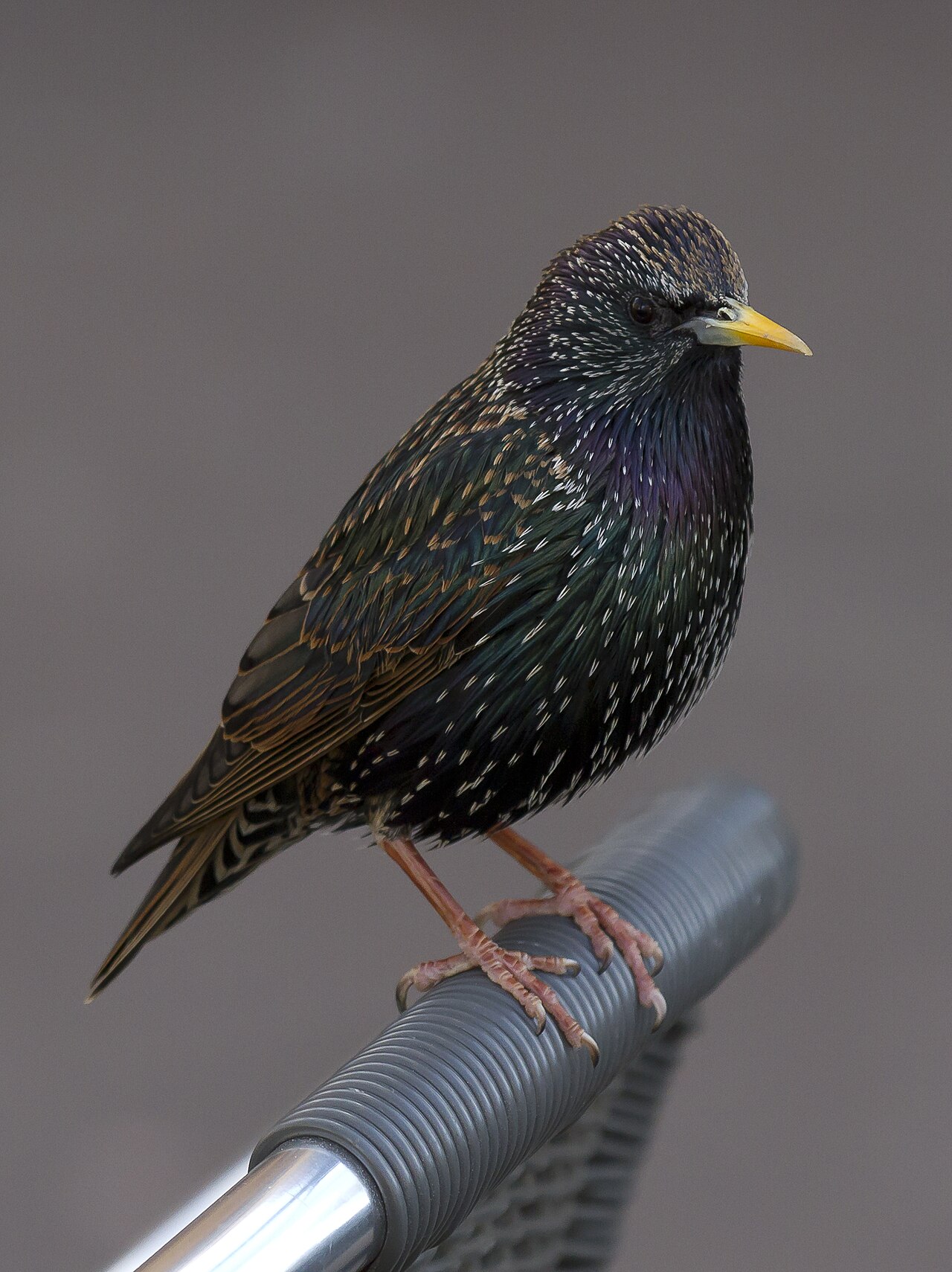
Grub-eaters are the birds that matter most, because the grub stage lasts roughly ten months while the adult stage lasts about six weeks. Starlings, grackles, robins, crows, and wild turkeys all take grubs from turf, and in spring and autumn, when grubs move up into the root zone to feed, they are within reach of a probing bill.
Northern flickers deserve a mention because they feed on the ground far more than other woodpeckers and will work a lawn for grubs and ants. Killdeer, meadowlarks, and starlings will all work short-cut turf. Crows and grackles are the birds most often blamed for the damage that follows, since heavy grub predation leaves torn patches that look worse than the grub feeding itself.
That torn turf is a diagnostic sign rather than a problem in itself. If birds, skunks, or raccoons are ripping up sections of lawn in September or April, the underlying cause is a grub population dense enough to be worth digging for, which is information worth having. The guide to getting rid of Japanese beetles covers the treatment options for the grub stage.
Why Do Some Birds Avoid Japanese Beetles?
Japanese beetle adults are chemically defended and physically awkward, and plenty of birds reject them. The beetles sequester compounds from the plants they feed on, they have a hard shell that is difficult for small birds to process, and they release a defensive fluid when handled. Many songbirds try one and do not try a second.
Adults also drop and play dead when disturbed, which is an effective defence against a bird approaching through foliage. A beetle that falls into leaf litter the instant a branch moves is far harder to find than one that flies. This behaviour is why hand-picking works better into a bucket held underneath than by grabbing.
The result is that most Japanese beetle predation happens at the grub stage, where the insect is soft, unarmoured, and cannot escape. This is a general pattern with introduced insects: North American birds had no evolutionary history with the species before it arrived in New Jersey in 1916, and only some have learned to exploit it. The Japanese beetle vs ladybug guide covers the identification, since the beneficial insects are frequently killed by mistake.
How Do You Attract Birds That Eat Japanese Beetles?
Water is the single most effective attractant, and a birdbath brings in more insect-eating birds than any feeder does. Insectivores such as catbirds, wrens, and warblers rarely visit seed feeders but come to water daily, and a shallow bath with moving water from a dripper or small pump doubles the effect.
Structure matters next. Dense native shrubs and a layer of small trees give catbirds, cardinals, and thrashers cover to forage from, and they will not work an open lawn edge without it. Leaving leaf litter under shrubs supports the ground-foraging species, and a brush pile in a corner does more for insect-eating birds than a feeder station.
Nest boxes bring in birds that hunt insects for their young. Bluebirds, wrens, chickadees, and tree swallows all feed nestlings on insects almost exclusively, and a pair raising a brood removes thousands of insects from a property over a few weeks. The guide to birds that eat wasps covers overlapping species and habitat needs.
What Other Animals Eat Japanese Beetles?
Several insect predators do more damage to Japanese beetles than birds. Two introduced parasitoids, the tachinid fly Istocheta aldrichi and the wasp Tiphia vernalis, were released decades ago for biological control and are now established across parts of the Northeast and Midwest, attacking adults and grubs respectively.
Milky spore disease and entomopathogenic nematodes both attack grubs in soil, and beneficial nematodes applied to moist turf in late summer, when grubs are small and near the surface, give reasonable control without affecting anything else. Ground beetles, ants, and predatory mites take eggs and small grubs constantly.
Among vertebrates, skunks, raccoons, opossums, moles, and shrews all dig for grubs, and toads and shrews take adults. The turf damage from digging mammals is usually what alerts people to a grub problem in the first place, and it is a symptom rather than a separate issue.
Can Birds Control a Japanese Beetle Infestation?
No, and expecting them to leads to disappointment. Japanese beetles emerge over roughly six weeks in early to midsummer in numbers that swamp any predator response, they are strong fliers that move in from neighbouring properties, and aggregation pheromones concentrate them on whatever plant is already being fed on. A garden can be stripped while birds are actively feeding on the same beetles.
Where birds do help is at the margins and over time. Sustained grub predation across a lawn reduces the local emergence the following summer, and a property with high bird activity generally carries lower grub densities than an identical one without. That is a real effect, just a slow and partial one.
The realistic approach is layered: encourage birds and the soil predators, hand-pick adults in the morning, avoid Japanese beetle traps, and treat for grubs only if a lawn count justifies it. Traps in particular are counterproductive on a small property, since the pheromone lure draws in far more beetles than the trap catches, concentrating damage rather than reducing it.
Which Plants Attract Japanese Beetles Most?
Knowing what they favour helps as much as knowing what eats them. Japanese beetles are drawn strongly to roses, grapes, lindens, Japanese maples, birches, plums, cherries, raspberries, hollyhocks, and beans, and a linden or a rose collection acts as a beacon that pulls beetles onto a whole property.
Plants they largely ignore include boxwood, dogwood, holly, lilac, magnolia, redbud, forsythia, hydrangea, most conifers, and most ornamental grasses. Replacing one heavily attacked specimen tree with an unattractive species does more for a garden over ten years than any amount of annual treatment.
Timing shapes the damage as much as plant choice does. Adults emerge over roughly six weeks from late June into August across most of the range, peaking in July, and they feed in full sun on the upper and outer parts of a plant, skeletonising leaves between the veins and leaving a lace-like remnant. Plants in shade and the lower interior of a shrub are consistently hit less, which is why a rose against a north wall often escapes damage that strips one in an open bed.
Turf management also matters, because the grubs need moist soil to survive. Lawns irrigated through July and August, which is exactly when eggs are laid and hatch, support far higher grub densities than lawns allowed to go dormant in summer. Letting turf go brown during peak egg-laying is one of the few interventions that reduces next year’s beetle numbers directly.
Are Japanese Beetles Harmful to Birds?
The beetles themselves are not, but treatments for them can be. Broad-spectrum insecticides applied to flowering plants kill pollinators and remove the insect prey that nesting birds depend on, and neonicotinoid soil drenches persist in plant tissue for a season or more, moving into nectar and pollen.
Carbaryl and other products applied to turf for grub control also kill earthworms and ground beetles, which are staple foods for robins, flickers, and thrushes. The practical consequence is that a lawn treated aggressively for grubs supports fewer of the birds that would otherwise eat the grubs, which is a self-defeating loop.
Where treatment is genuinely needed, targeted options exist. Beneficial nematodes and milky spore affect grubs specifically, and if a chemical grub product is used, applying it in late July or August targets small grubs and requires far less material than a spring rescue treatment. University extension programmes such as the University of Kentucky Entomology department (uky.edu) publish threshold guidance on when turf grub numbers justify treatment at all. The guide to birds that eat spiders covers the wider insect-eating community a garden supports.
Frequently Asked Questions
What birds eat the most Japanese beetles?
European starlings and common grackles, mainly by taking grubs from turf in flocks. Wild turkeys take both grubs and adults in quantity where they occur, and robins, cardinals, blue jays, and catbirds take adults.
What is a natural predator for Japanese beetles?
Several: birds, ground beetles, ants, skunks, raccoons, and moles, plus two introduced biological controls, the tachinid fly Istocheta aldrichi for adults and the wasp Tiphia vernalis for grubs.
Why do some birds avoid Japanese beetles?
Adults are chemically defended, hard-shelled, and drop and play dead when a branch moves. Most predation happens at the soft, unarmoured grub stage instead, which also lasts ten months rather than six weeks.
How do you attract birds that eat Japanese beetles?
Water first, since insectivores come to a birdbath but not to feeders. Then dense native shrubs for cover, leaf litter for ground foragers, and nest boxes for bluebirds, wrens, and chickadees that feed nestlings on insects.
Can birds control a Japanese beetle infestation?
No. Beetles emerge in numbers that swamp predators and fly in from neighbouring properties. Birds reduce grub densities over time, which lowers local emergence the following year, but they cannot protect a garden in a given season.
Do Japanese beetle traps work?
Not on a small property. The pheromone lure attracts far more beetles than the trap catches, concentrating damage in the garden that installed it. Hand-picking into soapy water at dawn works better.
Are grub treatments harmful to birds?
Broad-spectrum products kill earthworms and ground beetles that robins and flickers depend on, and neonicotinoids persist in plant tissue. Beneficial nematodes and milky spore target grubs specifically without that cost.