Birds That Eat Grasshoppers: Natural Pest Control
The birds that eat grasshoppers most heavily are American kestrels, loggerhead shrikes, burrowing owls, wild turkeys, meadowlarks, grasshopper sparrows, bluebirds, robins, crows, ravens, roadrunners, and Swainson’s hawks, which time an entire migration around them. Chickens and guinea fowl eat them enthusiastically, and dozens of songbirds take them opportunistically, particularly while feeding nestlings.
Grasshoppers are among the most valuable insect prey in open country, because they are large, abundant, protein-rich, and lack chemical defences in most species. That combination makes them a staple rather than an occasional item, and in outbreak years bird numbers in an area rise measurably in response. This guide covers which birds eat the most, the exceptions with the toxic lubber grasshopper, and what birds can and cannot control.
American kestrels, loggerhead shrikes, burrowing owls, wild turkeys, meadowlarks, bluebirds, robins, crows, and roadrunners all eat grasshoppers heavily, and Swainson’s hawks migrate to follow them. Chickens and guinea fowl are effective in a garden. The eastern lubber grasshopper is toxic and rejected by nearly all birds except loggerhead shrikes.
| Bird | Role |
|---|---|
| American kestrel | Hunts from perches over open ground |
| Swainson’s hawk | Migrates to follow grasshopper swarms |
| Loggerhead shrike | Impales prey; eats even toxic lubbers |
| Burrowing owl | Major part of summer diet |
| Wild turkey | Eats them in quantity while foraging |
| Meadowlarks and sparrows | Grassland specialists, heavy consumers |
| Guinea fowl and chickens | Most effective in a yard or garden |
What Birds Eat the Most Grasshoppers?
Swainson’s hawk is the extreme case. The species is sometimes called the grasshopper hawk, and it migrates from North American breeding grounds to the pampas of Argentina, where flocks feed heavily on grasshoppers and other insects, gathering in hundreds over fields. Adults shift almost entirely to insect prey outside the breeding season.
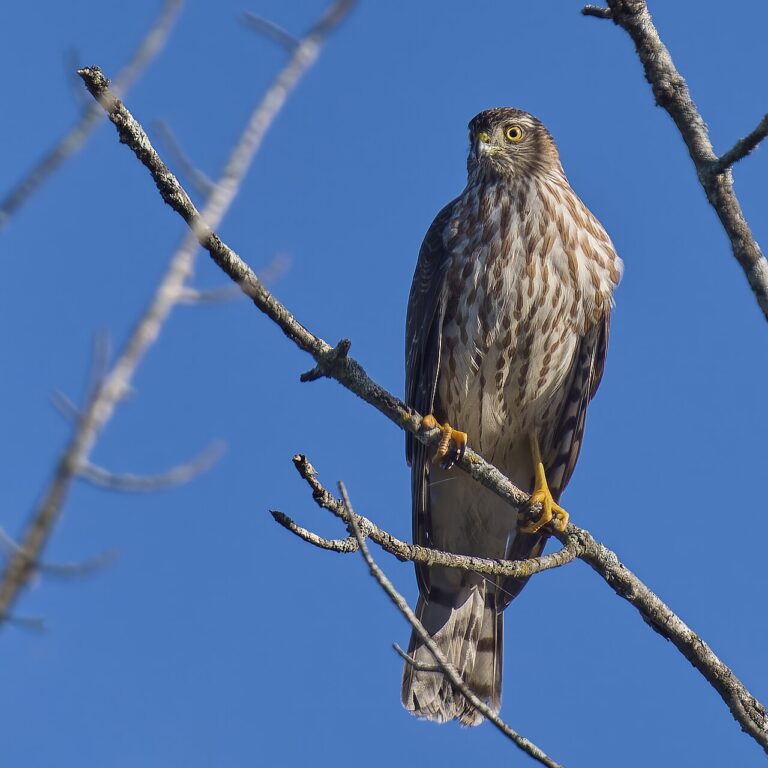
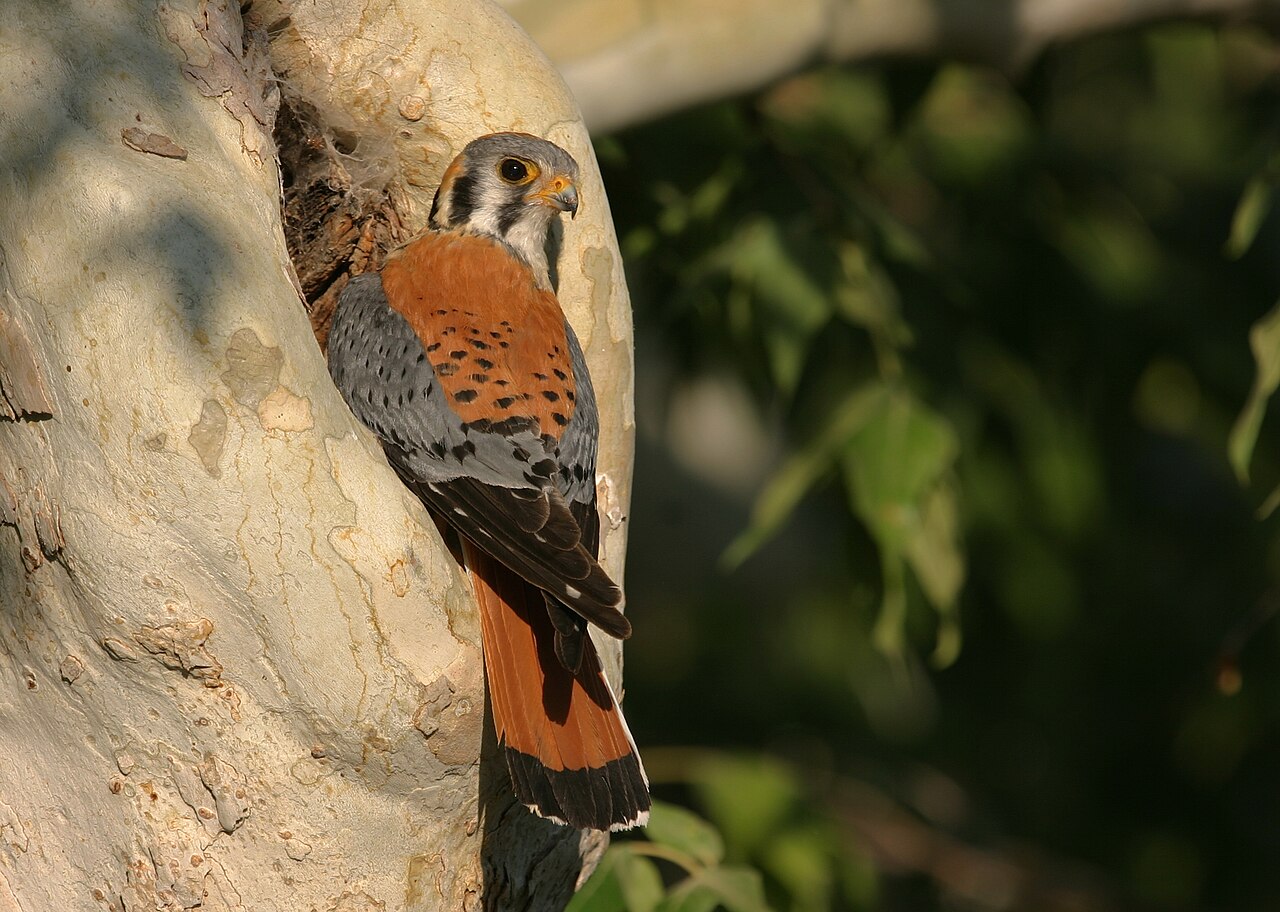
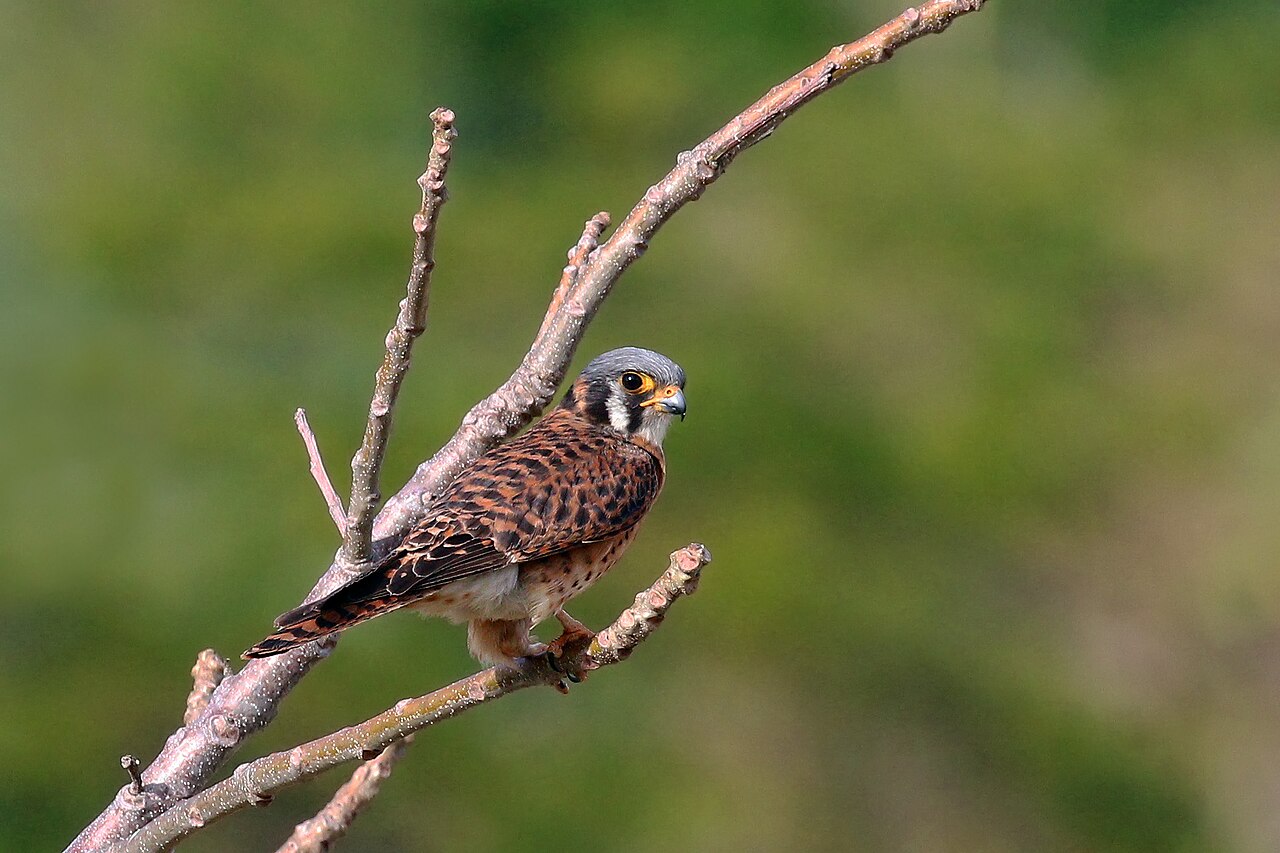
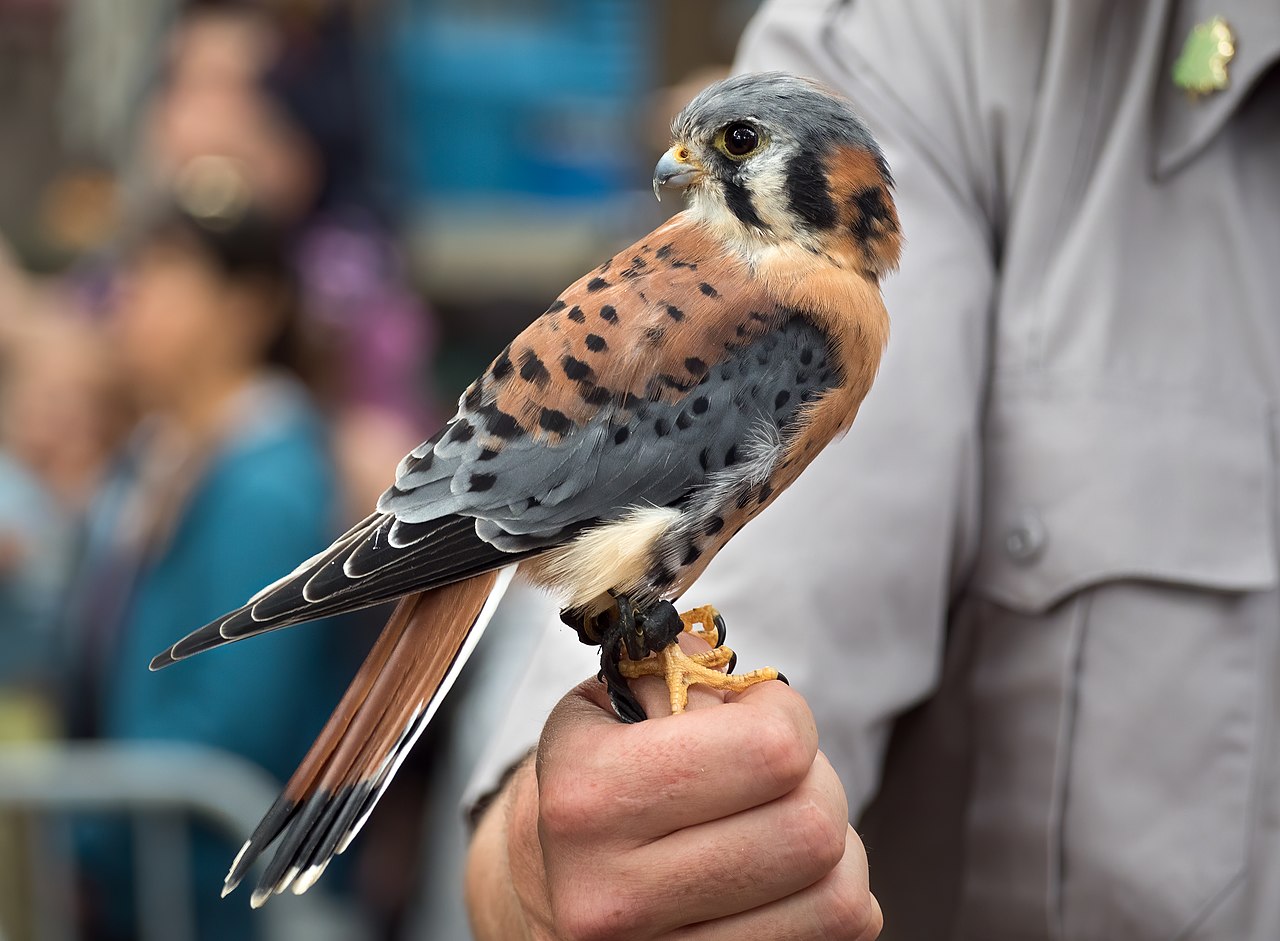
American kestrels are the most widespread heavy consumer, hunting from wires, posts, and hover flight over grassland and taking grasshoppers as a staple through the warm months. Burrowing owls do the same at ground level, and grasshoppers form a large share of their summer diet.
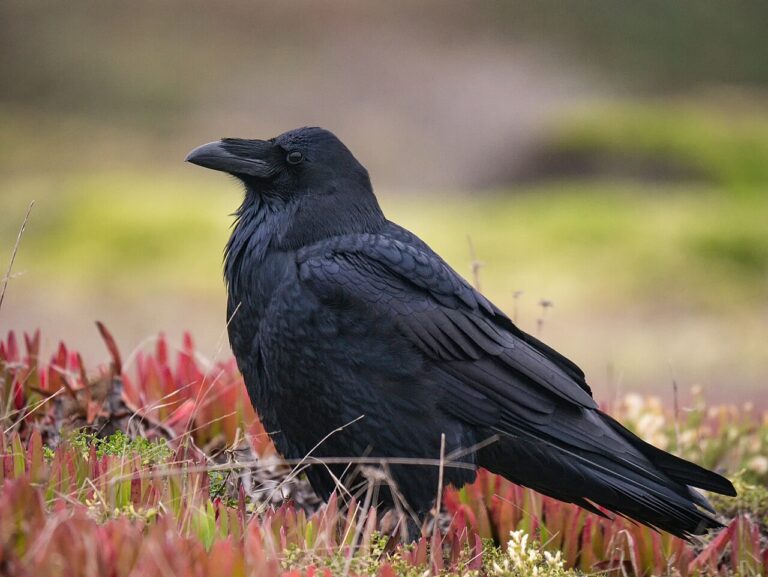
Among songbirds, the grassland specialists lead: eastern and western meadowlarks, grasshopper sparrows, dickcissels, and horned larks all take large numbers, and bluebirds, robins, mockingbirds, catbirds, crows, ravens, and roadrunners take them steadily. Wild turkeys eat them in bulk while walking a field, and grasshoppers make up a large share of what a hen feeds her poults, as the turkey guide notes from the scat evidence. The guide to birds that eat mice covers the same open-country raptors working larger prey.
Why Are Grasshoppers Such Good Prey?
Because of the return on effort. A grasshopper is large by insect standards, high in protein and fat, abundant in the right habitat, easy to catch relative to a flying insect, and undefended in most species, with no sting, venom, or chemical deterrent. A single grasshopper is worth dozens of aphids to a bird feeding nestlings.
Timing helps too. Grasshopper numbers peak in mid to late summer, which coincides with the period when many birds are raising second broods and when newly fledged young are learning to hunt. Big, slow, ground-dwelling insects are ideal practice prey.
The defences grasshoppers do have are behavioural. They jump powerfully, fly in short bursts, freeze against matching backgrounds, and some flash brightly coloured hindwings in flight and then vanish when they land, a trick called flash colouration that breaks the predator’s search image. Others regurgitate a brown fluid, sometimes called tobacco juice, which deters some predators.
Does Anything Eat Lubber Grasshoppers?
Very little, and this is the important exception. The eastern lubber grasshopper of the southeastern United States is large, slow, flightless, and boldly coloured in yellow, orange, red, and black, and that colouring is a warning. Lubbers sequester toxic compounds from the plants they eat and are genuinely poisonous to most vertebrates.
Birds that eat one typically vomit, and there are documented cases of lubbers killing birds that swallowed them. Lubbers also hiss, secrete a foul foamy froth, and regurgitate when handled, and they are so unconcerned about predators that they can be picked up easily, which is itself a sign of good chemical defence.
The loggerhead shrike has the workaround. Shrikes impale lubbers on thorns and barbed wire and leave them for one to two days, during which the toxins degrade, then return and eat them. That behaviour is one of the clearer examples of a bird processing prey to remove a defence, and shrikes are effectively the only birds that eat lubbers routinely. The cricket vs grasshopper guide covers the identification of the family.
What Else Eats Grasshoppers?
A long list. Among mammals, skunks, foxes, coyotes, shrews, mice, and bats take them, and among reptiles and amphibians, lizards, snakes, toads, and frogs all do. Fish take those that fall into water, which is why grasshopper patterns are a staple of late summer fly fishing.
Grasshoppers also matter well beyond the birds that eat them. In grassland systems they are among the dominant plant-eating insects, converting vegetation into a form other animals can use, and their droppings return nutrients to the soil quickly. Ecologists studying prairie food webs treat them as a keystone link between plants and vertebrates, which is why the same insect is a pest at high density and a foundation at ordinary density.
Invertebrate predators are steady rather than dramatic: spiders, robber flies, praying mantises, ground beetles, and blister beetle larvae, which eat grasshopper eggs in the soil. Several parasitoid flies and wasps attack grasshoppers directly, and the flesh fly Blaesoxipha lays larvae on them.
Disease is the heavyweight in outbreak years. The fungus Entomophaga grylli kills grasshoppers in large numbers in wet conditions, producing the characteristic sight of dead grasshoppers clinging to the tops of grass stems, and the protozoan Nosema locustae is sold commercially as a biological control. Wet summers collapse grasshopper populations far more effectively than any predator.
How Do You Attract Grasshopper Eating Birds?
Provide perches over open ground. Kestrels, shrikes, bluebirds, and flycatchers all hunt by watching from a height and dropping onto prey, and a field, meadow, or large lawn with no fence posts, wires, or scattered trees supports far fewer of them than the same ground with perches.
Nest boxes work for the species that matter most here. Kestrel boxes on poles or building walls facing open ground are readily used and are the single highest-impact addition, and bluebird boxes on a five-foot pole with a baffle bring in a species that feeds nestlings largely on grasshoppers and crickets in late summer.
Keep some grass long. Grasshopper sparrows, meadowlarks, and other grassland birds need unmown or infrequently mown grass to nest in, and mowing a whole property short removes both the birds and their habitat. Delaying mowing on part of a lawn or field until August accommodates them. The guide to birds that eat caterpillars covers the same habitat approach for a different prey group.
Can Birds Control a Grasshopper Outbreak?
Not an outbreak, but they matter in ordinary years. Grasshopper population booms are driven by weather, particularly consecutive warm dry summers and mild autumns that favour egg survival, and in a real outbreak densities reach dozens per square yard across large areas. Bird predation is swamped.
Where bird predation counts is in suppressing populations before they build. Studies excluding birds from grassland plots have found measurably higher grasshopper densities and greater plant damage inside the exclosures, and the effect is consistent enough that grassland bird conservation is discussed in agricultural terms as well as ecological ones.
The practical response in a garden combines several things: poultry if you have them, habitat for kestrels and bluebirds, floating row covers on vulnerable crops, tilling in autumn to expose egg pods in the top few inches of soil, and Nosema locustae bait applied early when nymphs are small. University extension services such as Colorado State (colostate.edu) publish threshold guidance for when treatment is worth doing at all.
Do Chickens Eat Grasshoppers?
Enthusiastically. Chickens chase and eat grasshoppers with more energy than they show for almost any other food, and a small flock ranging across a garden or orchard makes a visible difference to numbers. Guinea fowl are better still, covering more ground, working systematically, and doing far less damage to plants than chickens do.
Grasshoppers are excellent poultry feed, high in protein, and birds that catch a substantial share of their own diet in summer eat less commercial feed. Ducks also eat them, particularly Muscovies, and turkeys are effective across larger areas.
Two cautions apply. Lubber grasshoppers are toxic and should not be fed to poultry, and free-ranging birds in areas treated with insecticide can be poisoned indirectly by eating affected insects. Grasshoppers are also an intermediate host for tapeworms and for the roundworm behind gizzard worm in poultry, which is a manageable but real reason to keep worming schedules current. The guide to what grasshoppers eat covers the crops they damage in the meantime.
When Are Grasshoppers Worst?
Mid to late summer, after the nymphs that hatched in spring have matured. Grasshoppers overwinter as eggs laid in pods in the top inch or two of soil, hatch from late spring, pass through five instars over six to eight weeks, and reach adult size and peak appetite in July and August.
Outbreak years follow weather rather than anything a gardener does. Warm dry summers speed development and reduce the fungal disease that normally kills large numbers, mild autumns let females lay more egg pods, and a run of two or three such years in sequence produces the population booms that strip pasture and gardens. Wet springs collapse them again.
That cycle explains why grasshopper problems arrive suddenly in some years and are absent in others on the same ground. It also means autumn is the useful time to act: tilling the top few inches of soil in known egg-laying areas, which are usually undisturbed grassy margins rather than the cultivated beds themselves, destroys egg pods before they hatch.
Frequently Asked Questions
What birds eat the most grasshoppers?
Swainson’s hawks, which migrate to follow them, along with American kestrels, loggerhead shrikes, burrowing owls, wild turkeys, meadowlarks, grasshopper sparrows, bluebirds, crows, and roadrunners.
Does anything eat lubber grasshoppers?
Almost nothing. Eastern lubbers are toxic and have killed birds that swallowed them. Loggerhead shrikes impale them on thorns for one to two days until the toxins degrade, then eat them.
Why shouldn’t you touch an eastern lubber grasshopper?
They secrete a foul foamy froth, hiss, and regurgitate a brown fluid, and the secretion can irritate skin and eyes. They are not dangerous to handle briefly but are genuinely poisonous if eaten.
Do chickens eat grasshoppers?
Yes, keenly, and guinea fowl are even more effective while damaging plants less. Do not let poultry eat lubber grasshoppers, which are toxic, and keep worming current since grasshoppers carry gizzard worm.
What else eats grasshoppers?
Skunks, foxes, coyotes, shrews, bats, lizards, snakes, toads, and fish, plus spiders, robber flies, mantises, and blister beetle larvae that eat the eggs. Fungal disease kills the most in wet summers.
Can birds control a grasshopper outbreak?
Not an outbreak, which is driven by weather and reaches densities that swamp predators. Bird exclusion studies do show measurably more grasshoppers and plant damage where birds are kept out in ordinary years.
How do you attract birds that eat grasshoppers?
Provide perches over open ground, put up kestrel and bluebird boxes, and leave some grass unmown until August for grassland nesters. A kestrel box at a field edge is the highest-impact single addition.