Can Rabbits Eat Tomatoes? Safe Parts and What to Avoid
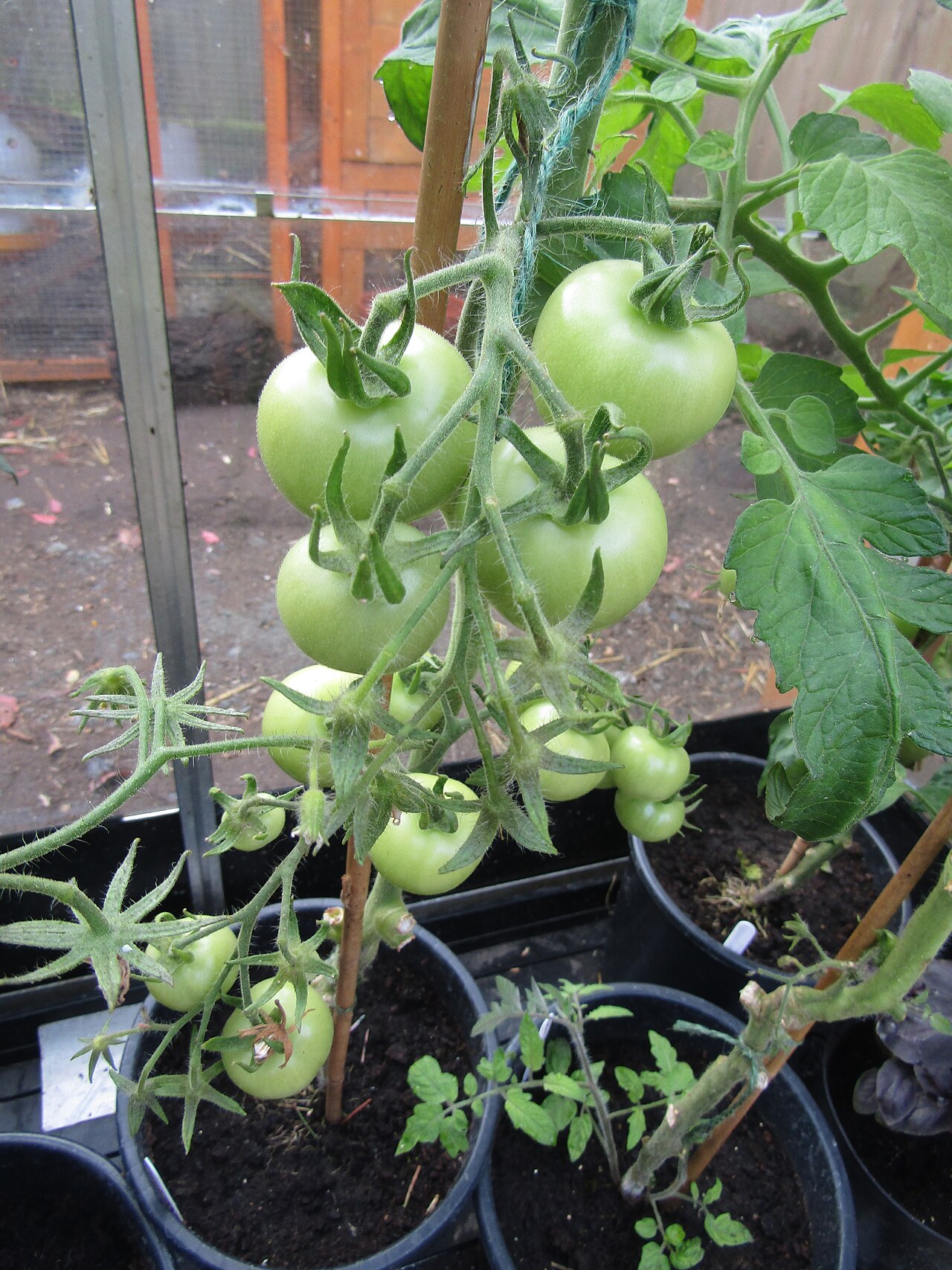
Rabbits can eat ripe tomato flesh in small amounts, but the green parts of the plant, including the stem, leaves, and any unripe green fruit, contain solanine and are toxic. A few small pieces of ripe red tomato once or twice a week is a safe treat for a healthy adult rabbit; the plant itself should never go near a hutch or run.
Tomatoes belong to the nightshade family along with potatoes and peppers, and nightshade plants are a recurring source of confusion in rabbit diets because the edible fruit and the toxic foliage come from the same plant. This guide covers what part is safe, how much, what to avoid entirely, and the signs of a problem if a rabbit eats the wrong part.
Rabbits can eat small amounts of ripe red tomato flesh, roughly one or two small pieces once or twice a week, but the green stems, leaves, and any unripe green tomato are toxic due to solanine and must never be fed. Tomato is a treat, not a staple; hay should still make up around 80 percent of a rabbit’s diet.
| Part of Plant | Safe for Rabbits? |
|---|---|
| Ripe red tomato flesh | Yes, small amounts, occasional |
| Green unripe tomato | No, contains solanine |
| Tomato leaves | No, toxic |
| Tomato stems and vine | No, toxic |
| Tomato seeds (in ripe fruit) | Generally fine in small amounts |
| Cherry tomatoes (ripe) | Yes, cut in half, same portion logic |
Can Rabbits Eat Tomatoes?
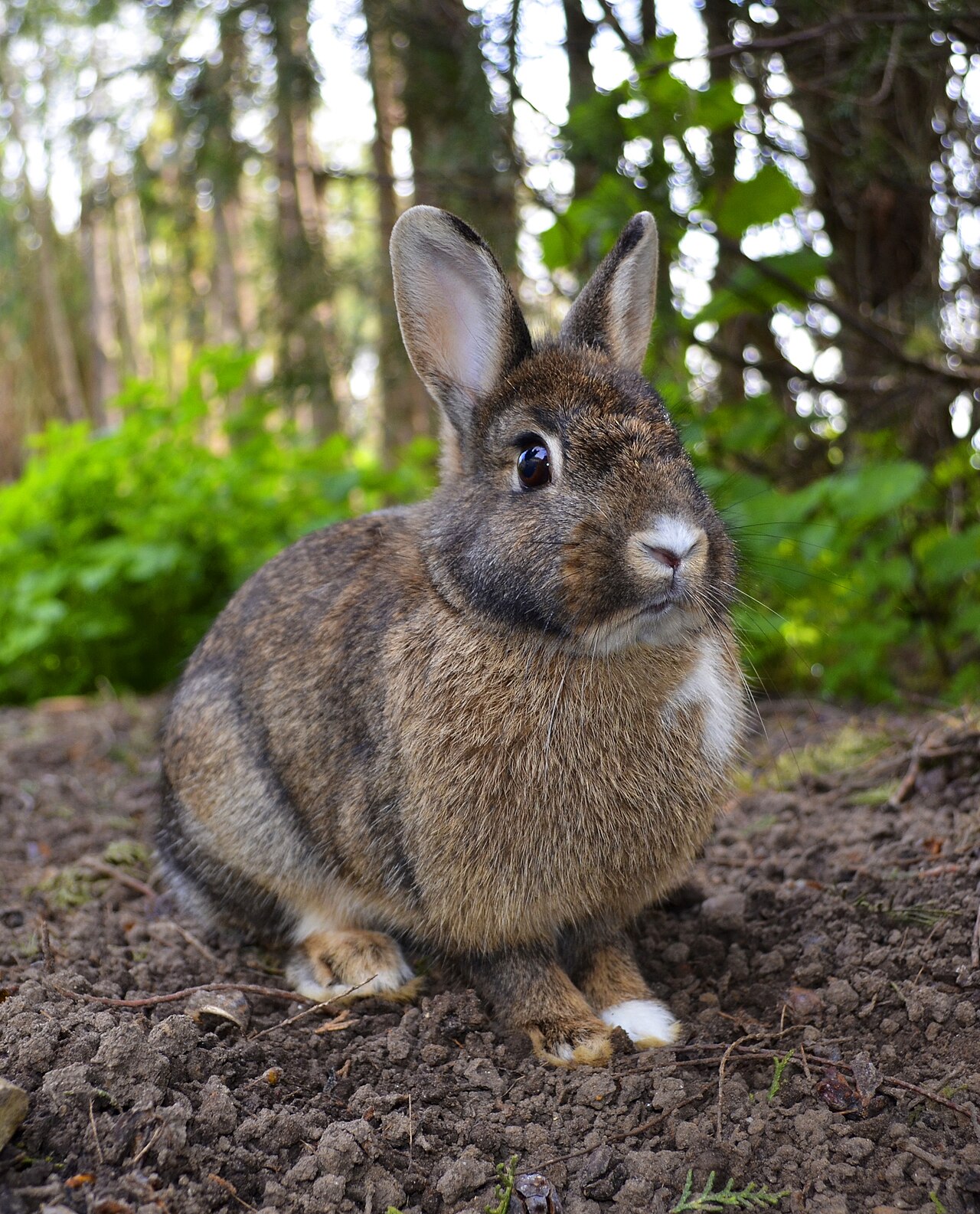
Yes, but only the ripe fruit, and only occasionally. A rabbit’s digestive system tolerates ripe tomato flesh in small quantities, and many rabbits enjoy it, but it should be treated the way any fruit treat is treated in a rabbit diet: an occasional addition rather than a regular feature.
The core rabbit diet should remain hay first, around 80 percent or more of daily intake, with a smaller portion of fresh leafy greens daily and a limited amount of pellets. Fruit, including tomato, sits in a separate, smaller treat category on top of that base, not alongside vegetables in daily volume.
Introducing tomato, or any new food, should happen gradually and in a small test amount first, watching for soft stool or reduced appetite over the following day before making it a regular occasional treat. A rabbit that has never had tomato before should get a single small piece the first time, not a handful.
What Vegetables Can’t Bunnies Eat?
Iceberg lettuce is a common mistake, since it is mostly water with minimal nutritional value and can cause digestive upset in quantity, unlike darker leafy greens such as romaine, which are genuinely good staples. The pale, watery lettuce sold as a rabbit-friendly default is actually one of the weaker choices.
Onions, garlic, and other alliums are toxic to rabbits and should never be fed in any form, along with rhubarb, which contains oxalic acid at levels that can cause serious illness. Avocado is another outright no, since persin, a compound in avocado, is toxic to rabbits and many other pets.
Potato, whether raw or cooked, falls in the same nightshade category as tomato leaves and is not appropriate for rabbits, and the green skin of a potato in particular carries solanine at meaningful levels. The guide to broccoli for rabbits and guide to cucumber for rabbits cover vegetables that are genuinely safe staples.
Can Rabbits Eat Cucumbers and Tomatoes Together?
Yes, there is no interaction risk between the two, and both can appear in the same feeding session as part of a varied treat and vegetable rotation, though the portion of each should stay small individually rather than combining into one large serving.
Cucumber is mostly water and low in nutritional density, making it a safe, low-calorie addition that most rabbits tolerate well in slightly larger portions than a calorie-dense treat like tomato, which contains more natural sugar. Variety across several safe vegetables and occasional fruits, rather than repeating the same one or two items daily, supports a broader range of nutrients and reduces the chance of any single food causing an issue if a rabbit reacts poorly to it.
The general principle for combining foods is total volume rather than specific pairings, keeping the combined fresh food portion, greens plus any treats, within a sensible daily allowance relative to the rabbit’s size and hay intake, since overfeeding fresh food in aggregate causes digestive upset regardless of which specific items make up that volume.
What Is Toxic to Rabbits?
Beyond onions, garlic, avocado, rhubarb, and green nightshade parts, several common houseplants and yard plants are also dangerous, including lily of the valley, foxglove, azalea, and oleander, all of which contain cardiac glycosides or other compounds that affect the heart or nervous system.
Chocolate and other foods intended for humans, along with anything high in sugar, fat, or processed carbohydrates, are inappropriate for a rabbit’s digestive system, which is built around fiber fermentation and does not handle these foods the way an omnivore’s digestive system does.
Many state and university extension programs that support 4-H rabbit projects publish toxic plant lists specific to rabbits, since the animal’s sensitivity differs from cats, dogs, and livestock, and checking any unfamiliar plant against one of these lists before allowing yard access is safer than assuming a plant is fine because it is common.
What Smell Do Rabbits Hate?
Strong, pungent scents generally, including predator urine, certain essential oils such as peppermint and eucalyptus, garlic, and vinegar, which is why some of these are used as garden deterrents to keep wild rabbits away from plants rather than as anything relevant to a pet rabbit’s diet.
For a pet rabbit specifically, strong artificial fragrances, cleaning products, and air fresheners near the hutch are worth avoiding regardless of whether the rabbit finds them unpleasant, since a rabbit’s respiratory system is sensitive and strong fumes can cause genuine irritation in an enclosed space.
This question usually comes up in the context of keeping wild rabbits out of a garden rather than pet rabbit care, and for that purpose, scent deterrents tend to have limited and temporary effectiveness compared to physical exclusion such as buried wire fencing, since rabbits habituate to smells that do not come with a real consequence attached.
How Much Fruit Can a Rabbit Have?
A small amount, roughly one to two tablespoons of fruit combined per day for an average adult rabbit, or less, is a commonly cited guideline, with fruit treated as an occasional addition rather than a daily habit. Tomato falls into this fruit-treat category alongside apple, banana, and berries.
Overfeeding fruit, tomato included, risks soft stool, obesity over time, and disrupted gut bacteria balance, since a rabbit’s digestive system is calibrated around high-fiber, low-sugar hay and greens rather than the natural sugars concentrated in fruit. A rabbit that gets fruit daily in generous amounts is at meaningfully higher risk of these issues than one getting it as an occasional small treat.
Younger rabbits, those under about three to four months old, and any rabbit with existing digestive issues should generally avoid fruit and other treats entirely until their gut flora is established or the condition resolves, since their systems are more sensitive to any dietary disruption, and droppings are a useful early check covered in the rabbit poop guide. The guide to grapes for rabbits and guide to strawberries for rabbits cover other common fruit treats with the same portion logic.
What Happens If a Rabbit Eats Tomato Leaves?
Solanine poisoning is the concern, and symptoms can include lethargy, loss of appetite, diarrhea, weakness, and in more serious cases, tremors or difficulty breathing, developing within a few hours of ingestion depending on the amount consumed.
The severity depends heavily on quantity. A rabbit that nibbles a single leaf in passing is at much lower risk than one that has had unsupervised access to a garden bed and consumed a substantial amount of foliage, and small incidental exposure does not automatically mean a medical emergency.
Any suspected solanine ingestion with visible symptoms, or a known substantial amount eaten regardless of symptoms, warrants a call to an exotic veterinarian promptly, since rabbits can decline quickly with digestive toxins and delayed treatment reduces options. Do not wait to see if symptoms worsen before calling.
Are Cherry Tomatoes Different From Regular Tomatoes?
Not meaningfully for feeding purposes. Cherry tomatoes follow the same rule as larger tomatoes: ripe red fruit in small amounts is fine, unripe green fruit and all plant material is not, and the smaller size mainly changes serving size rather than safety.
Cutting cherry tomatoes in half before offering them is a sensible practical step, both to control portion size more precisely for a small animal and to make it easier to check that the fruit is fully ripe throughout rather than only on the visible skin.
Heirloom and unusual tomato varieties, including yellow, orange, or striped types, follow the same ripeness principle: color and softness indicating full ripeness rather than the specific variety are what determine whether the fruit is ready to offer, since an unripe fruit of any variety still carries elevated solanine relative to a fully ripe one.
What Does the 3-3-3 Rule Mean for Rabbits?
The number pattern is more commonly associated with adjustment timelines for newly adopted animals generally, describing roughly the first days, weeks, and months of settling into a new home, rather than a formally established feeding or diet rule specific to rabbits.
Whatever the specific framework, the underlying principle applies well to diet changes too: new foods, including tomato and any other treat, are best introduced slowly and in small amounts over time rather than all at once, giving a rabbit’s sensitive digestive system time to adjust and giving the owner time to watch for any adverse reaction.
A newly adopted rabbit specifically benefits from an even more cautious approach to new foods during the first weeks in a home, since digestive upset from stress and diet change together compounds in ways that are harder to diagnose than either cause alone. Sticking to established hay and greens during that settling period, before adding treats like tomato, reduces that risk.
Do Rabbits Need Vitamin C Like Guinea Pigs?
No. Unlike guinea pigs, rabbits synthesize their own vitamin C internally and do not require it from diet, which is one of the clearer nutritional differences between the two animals despite how often they are grouped together as similar small pets.
This matters for tomato specifically because vitamin C content is sometimes cited as a reason to feed a particular fruit, and while ripe tomato does contain some vitamin C, it offers no nutritional necessity for a rabbit the way it does for a guinea pig, so tomato remains purely a treat rather than a supplement with a functional purpose.
What rabbits do need consistently is fiber from hay and, in smaller amounts, calcium and other minerals balanced through a varied diet of hay, pellets, and leafy greens, none of which tomato meaningfully contributes given the small portion size appropriate for an occasional treat. The guide to apples for rabbits covers another fruit treat with similar nutritional context.
Frequently Asked Questions
Can rabbits eat tomatoes?
Yes, ripe red tomato flesh in small amounts, once or twice a week. The green stems, leaves, and unripe fruit are toxic and must never be fed.
Are tomato leaves poisonous to rabbits?
Yes. They contain solanine, which can cause lethargy, appetite loss, diarrhea, and in serious cases tremors. Contact an exotic vet promptly if a significant amount is eaten.
Can rabbits eat cucumbers and tomatoes together?
Yes, there is no interaction risk. Keep each portion small individually and vary treats across several safe foods rather than repeating the same ones daily.
How much tomato can a rabbit have?
A small piece or two, once or twice a week, as part of a limited overall fruit allowance of roughly one to two tablespoons daily across all fruit treats combined.
What vegetables should rabbits avoid?
Iceberg lettuce, onions, garlic, rhubarb, avocado, and potato, along with any green nightshade plant material including tomato leaves and stems.
Are cherry tomatoes safe for rabbits?
Yes, following the same rule as regular tomatoes: ripe red fruit only, in small amounts, cut in half for easier portioning.

Similar Posts
Can Rabbits Eat Broccoli? The Gas Question Answered
Yes, sparingly, and leaves beat florets. Why brassicas cause gas, why rabbits cannot burp it out, portions by body weight, and the warning signs to watch for.
Can Rabbits Eat Grapes? Safe Amounts by Size
Grapes are safe for rabbits but sugary. How many per week by body size, why raisins are worse, what happens if you overdo it, and which fruits to avoid entirely.
Can Guinea Pigs Eat Broccoli? Vitamin C vs Gas Risk
Yes, a small floret two or three times a week. Excellent vitamin C, but brassica gas is a real limit since guinea pigs cannot pass gas easily.
Can Bearded Dragons Eat Bananas? Safe Amounts Explained
Bearded dragons can eat bananas once or twice a month. Here is why the calcium to phosphorus ratio matters and how to serve banana safely.
Guinea Pig Sounds: What Every Wheek, Purr, and Rumble Means
Guinea pig sounds decoded: wheeking, purring, rumbling, chutting, teeth chattering, and shrieking, plus the noises that mean a vet visit rather than a conversation.
Can Bearded Dragons Eat Watermelon? Portions and Risks
Yes, once or twice a month in a bite the size of the space between their eyes. Why the calcium ratio matters more than the sugar, and which fruits are actually worth feeding.