Turtle Poop: What It Looks Like and How to Identify It
Turtle droppings are soft brown logs 0.5 to 2 in long with a white urate blob. Size by species, lookalikes and the Salmonella rules.

Turtle droppings are soft brown logs 0.5 to 2 in long with a white urate blob. Size by species, lookalikes and the Salmonella rules.
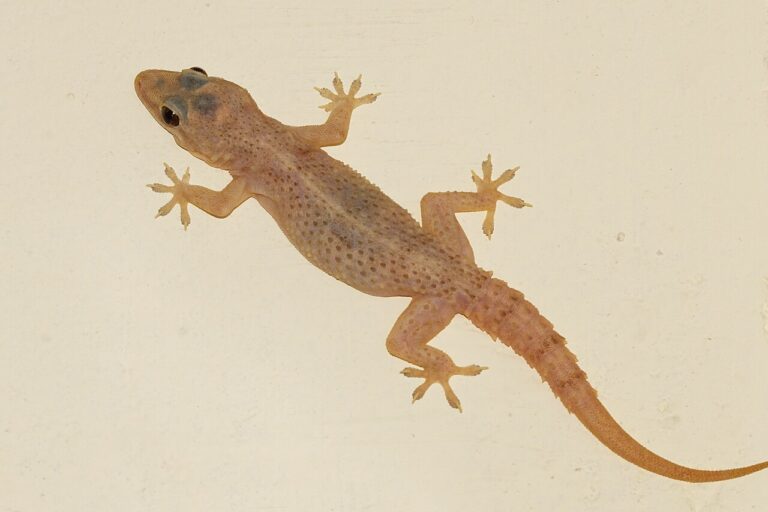
Rat droppings run 1/4 to 3/4 in with no white cap. Lizard droppings stay under 1/4 in and carry one. A measured comparison with cleanup and health facts.
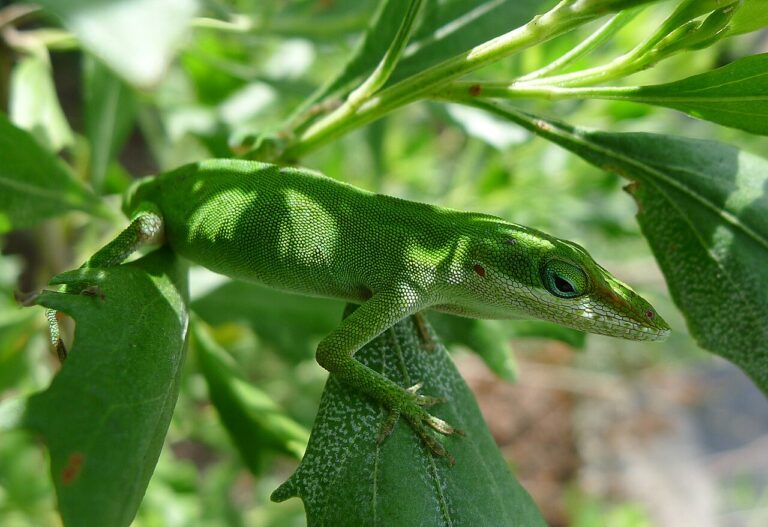
Lizard droppings carry a chalky white tip and shiny insect fragments. Mouse droppings are pointed at both ends and solid dark throughout. Here is how to read both in seconds.

Alligator scat is chalky white to gray, full of bone and shell, and almost always found beside water. What it looks like, where to look, and the three deposits it gets confused with.

The water monitor lizard reaches 5 to 7 ft and 55 lbs, swims like an otter, and is the second heaviest lizard alive. It is not poisonous and it is not a Komodo dragon.
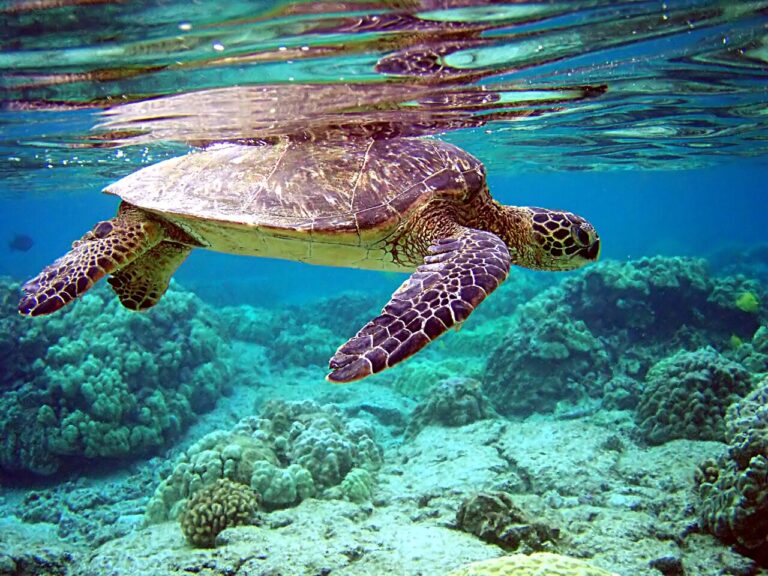
The green sea turtle is the only herbivorous sea turtle and the largest hard shelled one. Size, diet, lifespan, nesting, hawksbill ID and protected status.

What Russian tortoises can eat daily, weekly and never. A frequency chart, the truly toxic plants, and straight answers on cucumber, kale and strawberries.
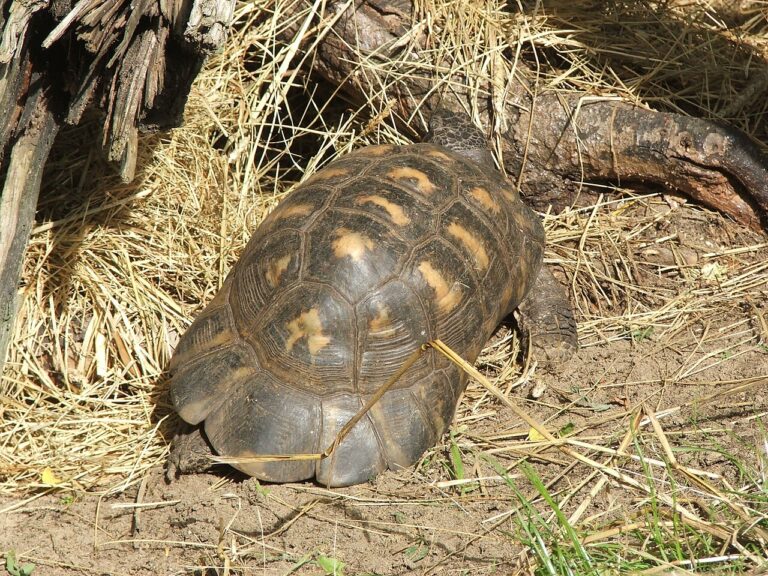
The marginated tortoise is Europe’s largest tortoise, known for the flared rear shell of adults. Here is its size, lifespan, price, diet and full care setup.

Komodo dragons are venomous, not bacterial killers. Their jaw glands release proteins that stop clotting and drop blood pressure, and here is what that means for prey and for people.

The eastern box turtle is a harmless land turtle that can live over 80 years inside a home range of a few acres. Here is how to identify one and what to do when it shows up.